Joint pain has a way of narrowing your world. A bad knee turns stairs into a project. A sore shoulder wrecks your sleep. An achy hip makes a simple walk feel like work. And the moment people hear the word orthopedic, a lot of them jump straight to one thought. Surgery. That jump is usually wrong, and it costs people time and money they didn't need to spend.
Most joint problems never need an operating room. They need the right diagnosis and a plan that fits. That's exactly what a non-surgical orthopedic doctor handles.
The Joint Problems People Deal With Most
Joints take a beating over a lifetime. Some trouble comes from one bad moment. A lot of it builds slowly. The usual suspects:
- Arthritis wearing down the cushion in knees, hips, and hands
- Tendonitis from repeating the same motion too often
- Bursitis, when the cushioning sac around a joint gets inflamed
- Sprains and strains that never fully bounced back
- Rotator cuff trouble in the shoulder
- Meniscus and cartilage issues in the knee
- Lingering stiffness or pain after an old injury
Different joints, different stories, but the effect is the same. The joint stops doing what you need, and daily life shrinks to fit around it.
What a Non-Surgical Orthopedic Doctor Actually Does
The job starts with figuring out what's really going on. Not guessing. A proper exam, a look at how the joint moves, imaging when it's needed, and a clear answer about the cause. You can't treat a joint well until you know what's driving the problem.
From there, the treatment options are wider than most people realize:
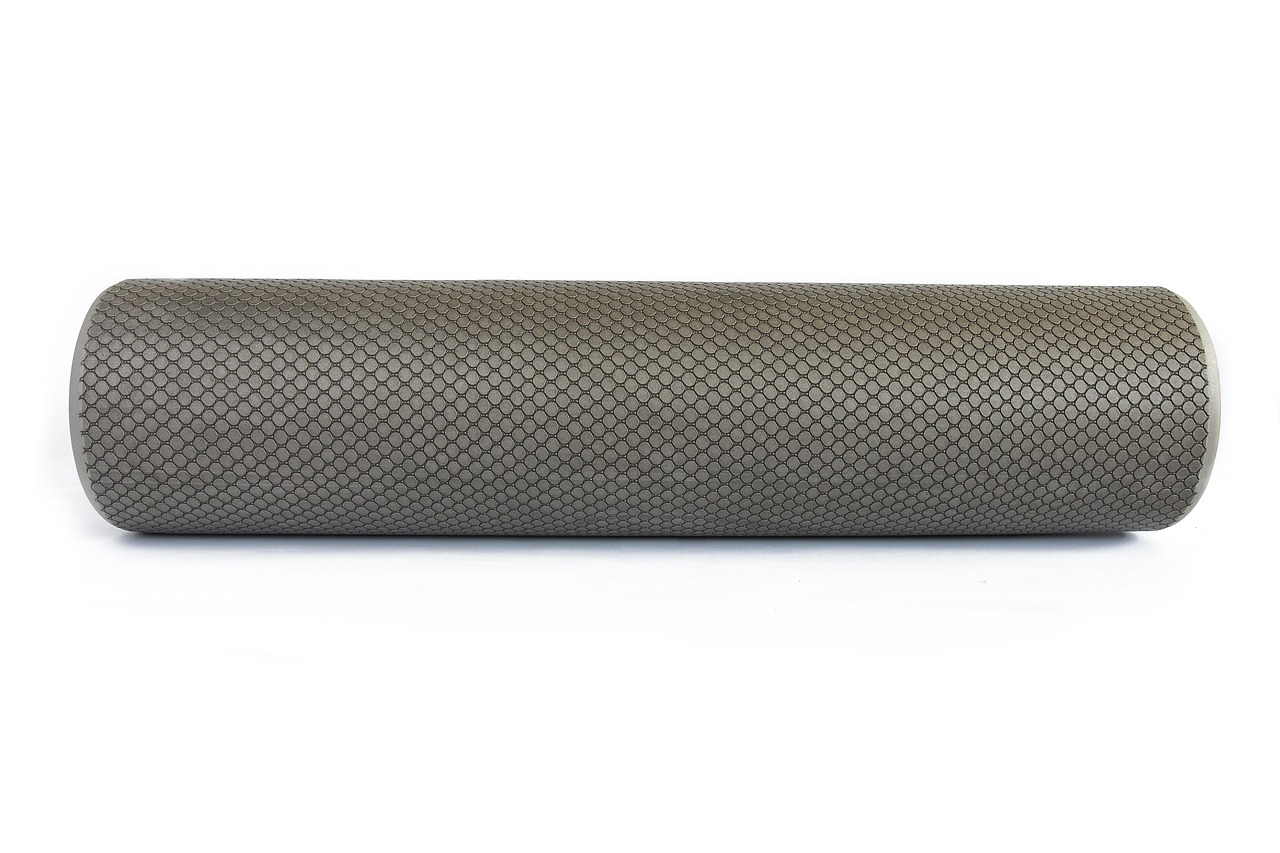
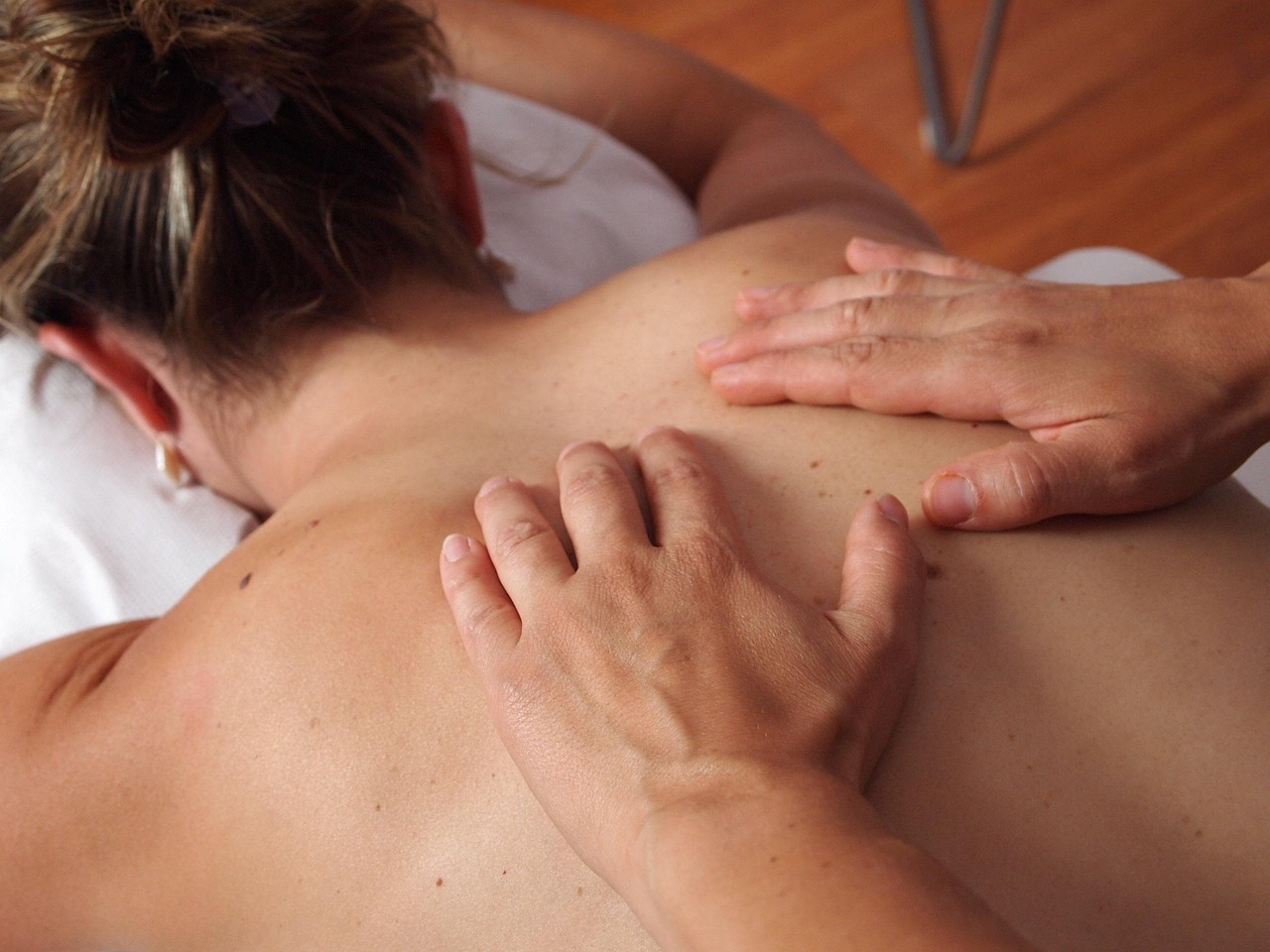
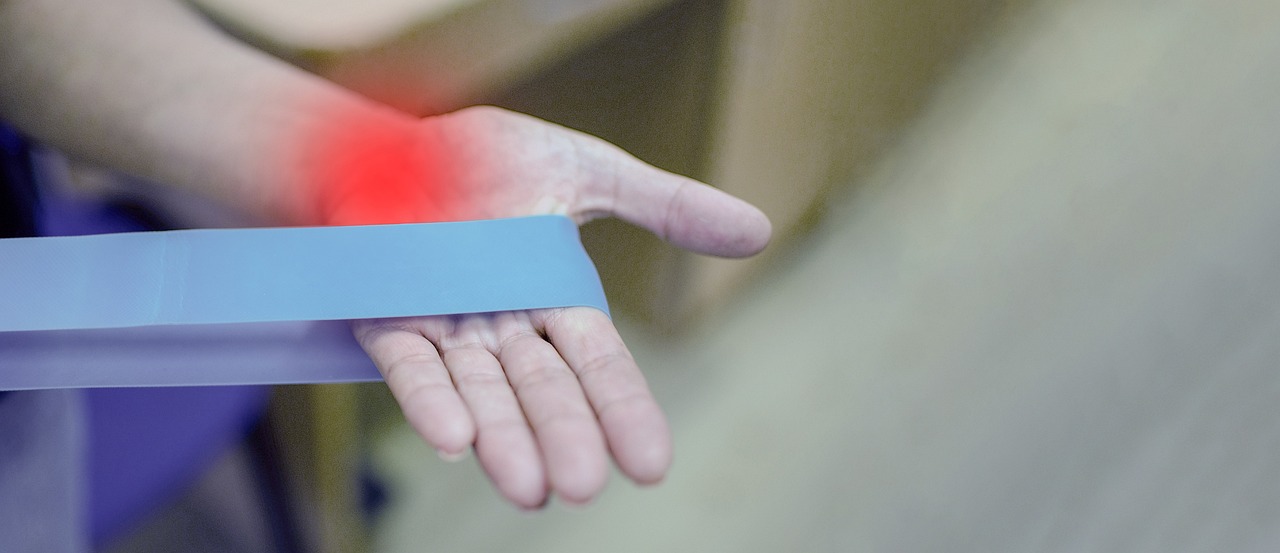
- Targeted physical therapy to rebuild strength and motion
- Injections to calm inflammation and break a pain cycle
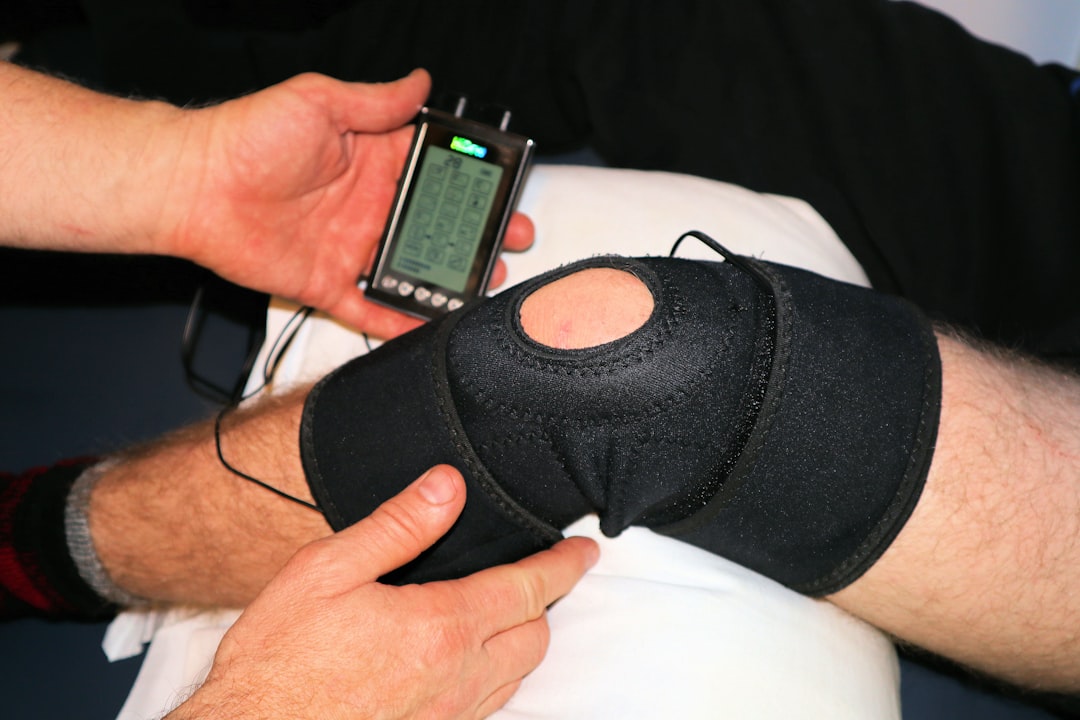
- Bracing or supports to take load off the joint
- Activity changes that let an irritated joint settle
- A clear plan for managing arthritis over the long haul
- Guidance on which movements help and which ones to back off
The aim is straightforward. Get the joint working and the pain down using the least invasive thing that does the job. For a huge number of people, that's enough. They get back to normal without ever needing a scalpel.
Why This Beats Going Straight to a Surgeon
Here's the thing about walking into a surgeon's office first. Surgeons fix things by operating. That's their tool, and they're great at it when surgery is the right call. But not every joint problem is a surgical one, and starting with the person whose main option is surgery can point you down that road sooner than you need to go.
A non-surgical orthopedic doctor takes the wider view first:
- They rule out the simpler fixes before anything drastic is on the table
- They treat the joint conservatively and see how it responds
- They catch problems early, when non-surgical care works best
- And if surgery does turn out to be necessary, they help you get there with eyes open, not as a first reflex
A lot of joint pain settles down with the right conservative plan. Therapy, time, the correct kind of loading, and sometimes an injection to break the cycle. Skipping that and heading straight for surgery can mean a longer recovery and a bigger procedure for something that didn't require it.
When to Get a Joint Checked
If a joint has hurt for more than a couple of weeks, keeps flaring, swells up, or you can't fully move or trust it, that's worth a look. The same goes for any joint that's slowly getting worse instead of better. Early attention usually means simpler treatment and a faster road back.
Ready to get those joints feeling better? Modern Medicine of Queen Creek, AZ, helps people sort out joint pain with the right care first. Call today to set up an evaluation.