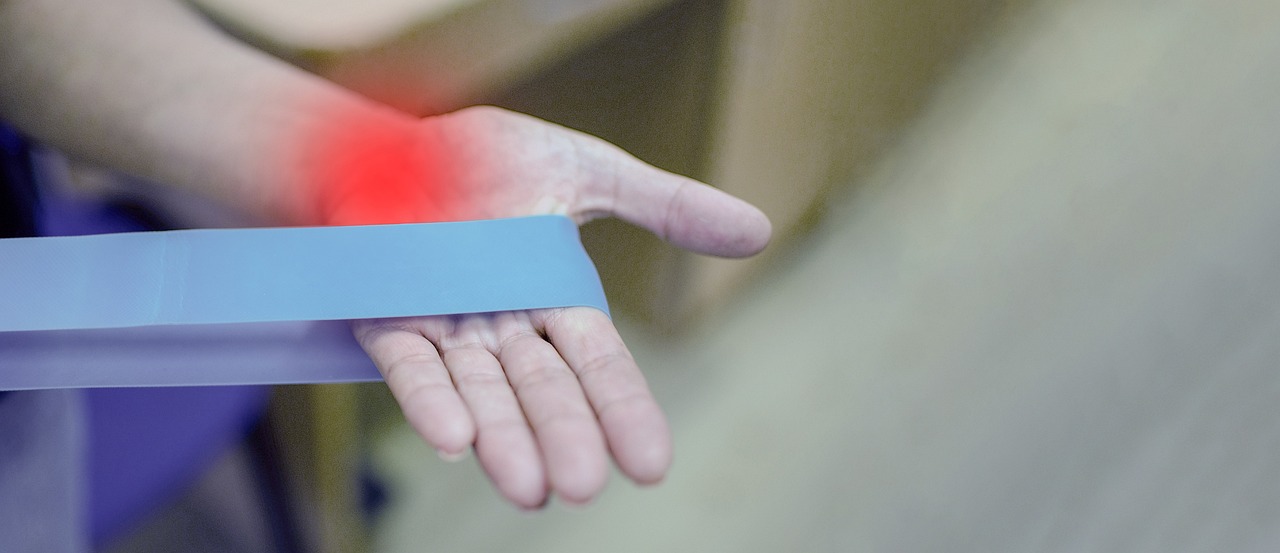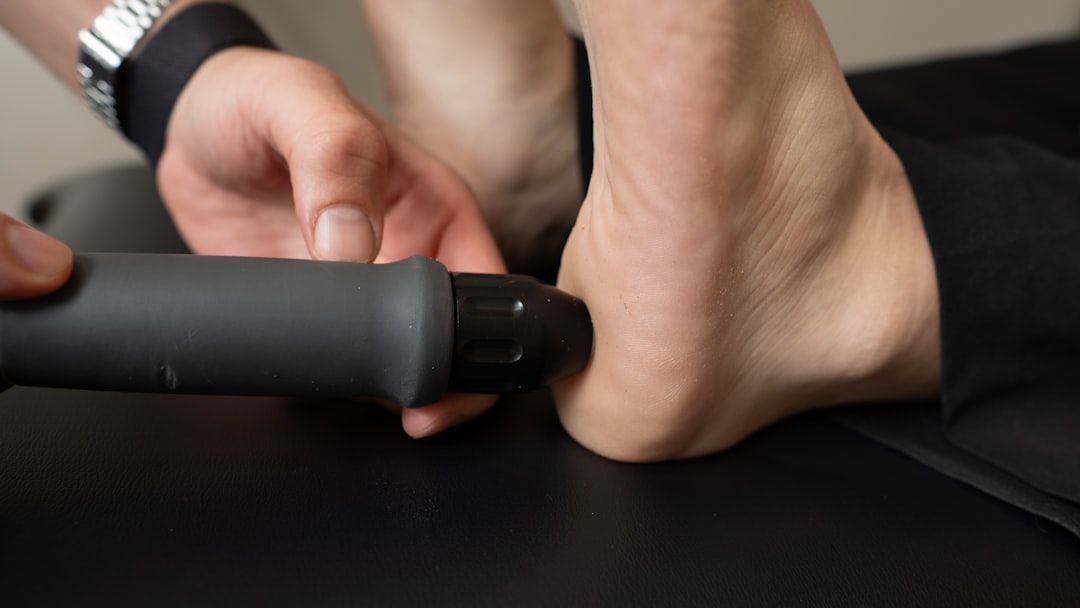
Most people think of physical therapy as something you do after you get hurt. You tear something, you rehab it, you move on. But a lot of the same work that fixes an injury can keep one from happening in the first place. That's the part people miss.
We know how the people around Mesa stay active. Hiking the trails out east, weekend rounds of golf, chasing kids around the yard, putting in long days on a job site. All of it asks something from the body. And the body has weak spots, whether you've noticed them yet or not.
What Actually Puts You at Risk
Injuries don't usually come out of nowhere. There's almost always something underneath that set it up. A few of the usual culprits:
- Muscle imbalances, where one side or one muscle group does too much
- Old injuries that healed but left a joint weak or stiff
- Poor movement habits you've repeated for years
- Tight areas that force other parts to overwork
- Weak core and hip strength, which shows up everywhere from the back to the knees
- Balance that's slipped without you realizing it
The frustrating thing is most of these stay quiet. You feel fine right up until the day you don't. Then a routine motion, a step off a curb, a swing, a lift, becomes the thing that finally tips it over.
How Physical Therapy Finds the Weak Links
This is where a real evaluation earns its keep. A therapist watches how you move, not just where it hurts. How you squat. How you balance on one leg. How your shoulder tracks when you reach overhead. The hitches that show up there are often the same ones that lead to injury down the line.
Once the weak spots are clear, the work gets pointed:
- Strengthening the muscles that aren't pulling their weight
- Loosening the tight areas that throw everything else off
- Retraining movement patterns so you're not grinding the same joint over and over
- Building balance and control so your body reacts when it gets caught off guard
It's a lot like fixing a small leak before it floods the room. Cheaper, easier, and far less painful than waiting for the blowout.
Who Gets the Most Out of It
Honestly, most people. But a few stand to gain more than others:
- Anyone coming back from an old injury that never felt fully right
- Active people ramping up training or trying a new sport
- Folks over fifty noticing balance or strength slipping
- People with physical jobs that beat up the same body parts daily
- Anyone who keeps having the same nagging issue flare again and again
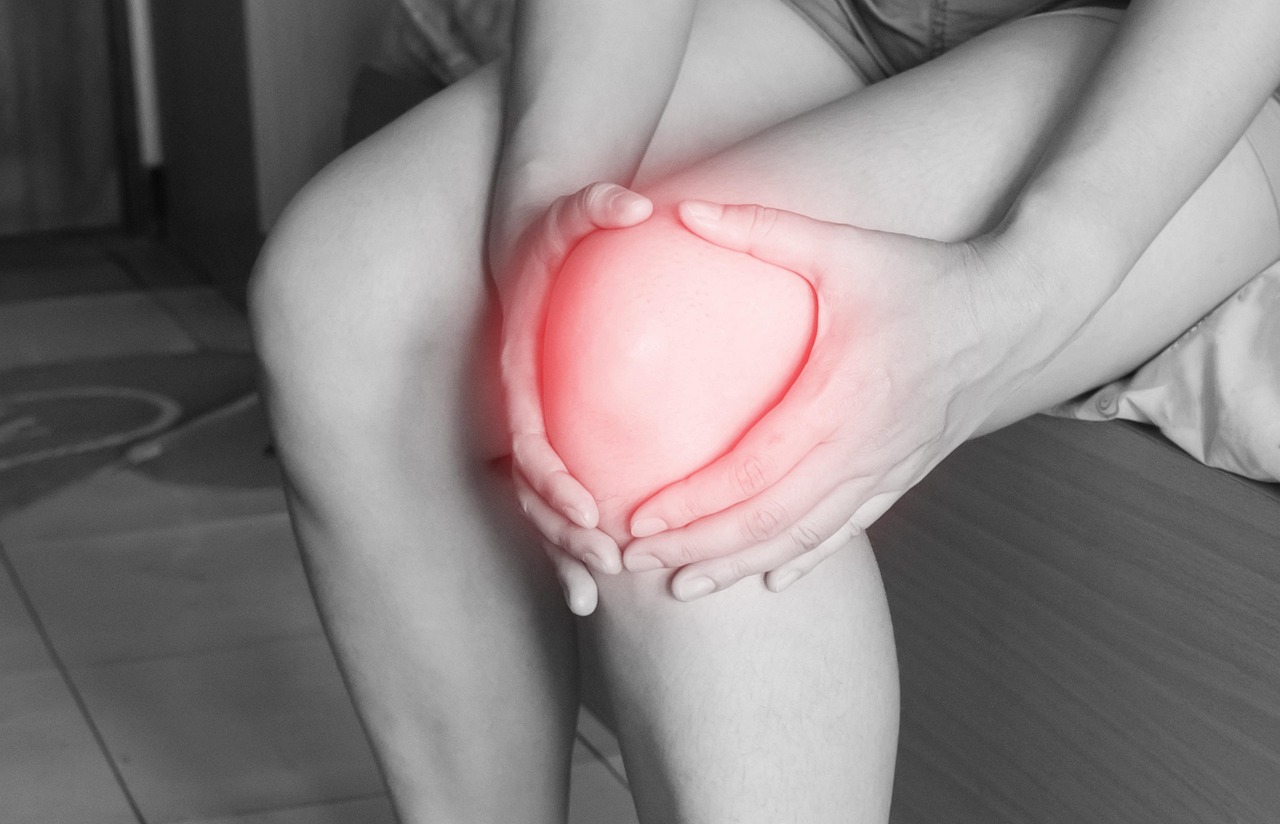
If you've got a knee, shoulder, or back that acts up now and then, that's your body telling you something's off before it becomes something bigger.
Get Help From Modern Medicine
Staying active for the long haul isn't about going hard until something breaks. It's about keeping the body strong and moving well enough to handle what you throw at it. A little maintenance work goes a long way, and it beats the alternative of sitting out for weeks while something heals.
Modern Medicine of Mesa, AZ,works with anyone who needs help finding the weak links and shores them up before they turn into real problems. The plan fits your activity, your history, and what you want to keep doing.
Call today to schedule an assessment and to see how we can help.