 The operating room fixes the structural problem. What comes after is a different kind of work entirely.
Muscles shut down around a surgical site. Movement patterns get disrupted. Strength drops off faster than most people realize. And the body, trying to protect itself, starts compensating in ways that cause new problems if nobody is watching for them.
That is what physical therapy is actually for. Not just doing exercises. Getting the recovery to go in the right direction before bad habits set in.
The First Visit
Not a workout. More of a conversation with a physical assessment attached.
Your therapist wants to know what surgery you had and when. What the surgeon told you. What hurts, and what just feels off. Whether stairs are a problem. Whether sleep is getting disrupted because you cannot find a comfortable position. Whether getting dressed takes twice as long as it used to.
Then they watch you move. They are looking at how the area is functioning, where things are weak or guarded, and what the starting point actually is. Two patients with identical procedures can walk in looking completely different two weeks out. The plan reflects that.
The First Few Weeks
Slower than most people want. That is just how it goes.
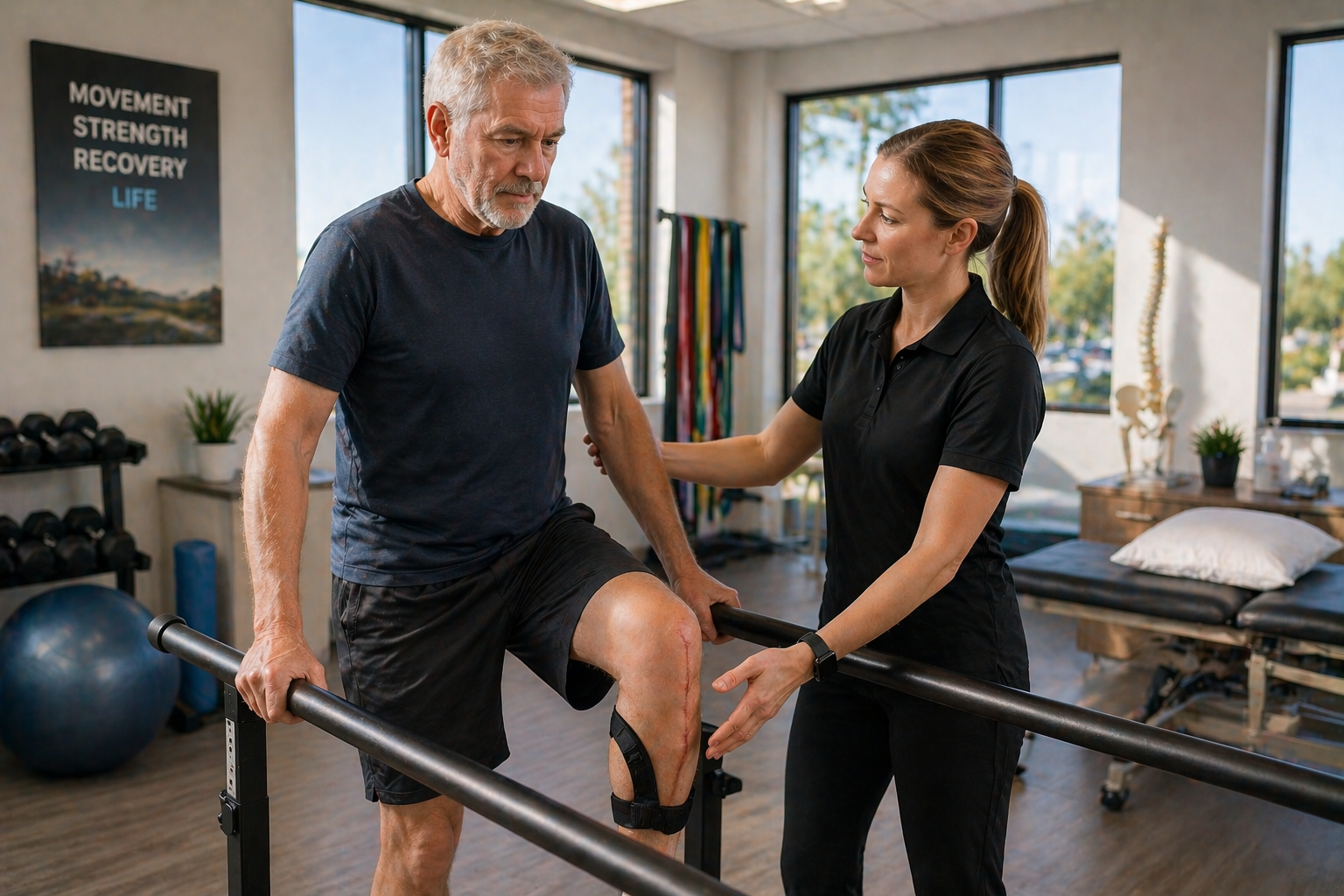
If swelling is still present, that has to be addressed before loading the tissue makes sense. Early sessions tend to focus on a gentle range of motion, waking up muscles that went quiet after surgery, and basic movement patterns. Standing up properly. Walking without shifting weight to the wrong side. Small things that matter more than they sound.
Rotator cuff repairs, knee replacements, spinal procedures, and abdominal surgeries. Queen Creek patients come in after all of these. Each one has a different starting point and a different timeline.
Further Into Recovery
Things get harder as the tissue heals. More strength work. Balance and coordination. Movements that actually resemble daily life instead of controlled drills on a table.
This is also where frustration tends to peak. Progress is real, but it does not feel fast. Tissue heals on its own schedule. Patients who try to push past that schedule usually end up further back than when they started. It is one of the more predictable patterns in rehab.
Your therapist watches how you respond week to week and adjusts. Nothing about a good rehab plan is static.
Ask the Questions You Have
When can I drive? Is this pain normal? How long is this actually going to take? These are the things people wonder about, but sometimes do not say out loud.
Say them out loud. A good therapist gives you a straight answer when they have one and tells you honestly when it is too early to know. Understanding your own recovery keeps you consistent. It also keeps you from panicking over discomfort that is completely expected.
Modern Medicine works with post-surgical patients at every stage. Fresh out of surgery or weeks in and feeling stuck, an evaluation tells you where things stand and what needs to happen next.
Contact Modern Medicine of Mesa, AZ to schedule a visit.
The operating room fixes the structural problem. What comes after is a different kind of work entirely.
Muscles shut down around a surgical site. Movement patterns get disrupted. Strength drops off faster than most people realize. And the body, trying to protect itself, starts compensating in ways that cause new problems if nobody is watching for them.
That is what physical therapy is actually for. Not just doing exercises. Getting the recovery to go in the right direction before bad habits set in.
The First Visit
Not a workout. More of a conversation with a physical assessment attached.
Your therapist wants to know what surgery you had and when. What the surgeon told you. What hurts, and what just feels off. Whether stairs are a problem. Whether sleep is getting disrupted because you cannot find a comfortable position. Whether getting dressed takes twice as long as it used to.
Then they watch you move. They are looking at how the area is functioning, where things are weak or guarded, and what the starting point actually is. Two patients with identical procedures can walk in looking completely different two weeks out. The plan reflects that.
The First Few Weeks
Slower than most people want. That is just how it goes.
If swelling is still present, that has to be addressed before loading the tissue makes sense. Early sessions tend to focus on a gentle range of motion, waking up muscles that went quiet after surgery, and basic movement patterns. Standing up properly. Walking without shifting weight to the wrong side. Small things that matter more than they sound.
Rotator cuff repairs, knee replacements, spinal procedures, and abdominal surgeries. Queen Creek patients come in after all of these. Each one has a different starting point and a different timeline.
Further Into Recovery
Things get harder as the tissue heals. More strength work. Balance and coordination. Movements that actually resemble daily life instead of controlled drills on a table.
This is also where frustration tends to peak. Progress is real, but it does not feel fast. Tissue heals on its own schedule. Patients who try to push past that schedule usually end up further back than when they started. It is one of the more predictable patterns in rehab.
Your therapist watches how you respond week to week and adjusts. Nothing about a good rehab plan is static.
Ask the Questions You Have
When can I drive? Is this pain normal? How long is this actually going to take? These are the things people wonder about, but sometimes do not say out loud.
Say them out loud. A good therapist gives you a straight answer when they have one and tells you honestly when it is too early to know. Understanding your own recovery keeps you consistent. It also keeps you from panicking over discomfort that is completely expected.
Modern Medicine works with post-surgical patients at every stage. Fresh out of surgery or weeks in and feeling stuck, an evaluation tells you where things stand and what needs to happen next.
Contact Modern Medicine of Mesa, AZ to schedule a visit.
Queen Creek, AZ - What to Expect From a Physical Therapy Clinic After Surgery
SYNOPSIS: This article covers what patients can expect from physical therapy after surgery, how the process works from the first visit, what to expect in the following weeks, and more.
What Physical Therapy Actually Looks Like Post-Op
BY: Josh Adams, Modern Medicine of Mesa, AZ
The operating room fixes the structural problem. What comes after is a different kind of work entirely.
Muscles shut down around a surgical site. Movement patterns get disrupted. Strength drops off faster than most people realize. And the body, trying to protect itself, starts compensating in ways that cause new problems if nobody is watching for them.
That is what physical therapy is actually for. Not just doing exercises. Getting the recovery to go in the right direction before bad habits set in.
The First Visit
Not a workout. More of a conversation with a physical assessment attached.
Your therapist wants to know what surgery you had and when. What the surgeon told you. What hurts, and what just feels off. Whether stairs are a problem. Whether sleep is getting disrupted because you cannot find a comfortable position. Whether getting dressed takes twice as long as it used to.
Then they watch you move. They are looking at how the area is functioning, where things are weak or guarded, and what the starting point actually is. Two patients with identical procedures can walk in looking completely different two weeks out. The plan reflects that.
The First Few Weeks
Slower than most people want. That is just how it goes.
If swelling is still present, that has to be addressed before loading the tissue makes sense. Early sessions tend to focus on a gentle range of motion, waking up muscles that went quiet after surgery, and basic movement patterns. Standing up properly. Walking without shifting weight to the wrong side. Small things that matter more than they sound.
Rotator cuff repairs, knee replacements, spinal procedures, and abdominal surgeries. Queen Creek patients come in after all of these. Each one has a different starting point and a different timeline.
Further Into Recovery
Things get harder as the tissue heals. More strength work. Balance and coordination. Movements that actually resemble daily life instead of controlled drills on a table.
This is also where frustration tends to peak. Progress is real, but it does not feel fast. Tissue heals on its own schedule. Patients who try to push past that schedule usually end up further back than when they started. It is one of the more predictable patterns in rehab.
Your therapist watches how you respond week to week and adjusts. Nothing about a good rehab plan is static.
Ask the Questions You Have
When can I drive? Is this pain normal? How long is this actually going to take? These are the things people wonder about, but sometimes do not say out loud.
Say them out loud. A good therapist gives you a straight answer when they have one and tells you honestly when it is too early to know. Understanding your own recovery keeps you consistent. It also keeps you from panicking over discomfort that is completely expected.
Modern Medicine works with post-surgical patients at every stage. Fresh out of surgery or weeks in and feeling stuck, an evaluation tells you where things stand and what needs to happen next.
Contact Modern Medicine of Mesa, AZ to schedule a visit.