Frozen shoulder is one of the more baffling things a shoulder can do. There's usually no injury to blame. It just starts tightening, slowly and steadily, until the day you reach for a high shelf or twist to grab a seatbelt and realize the arm simply won't go there anymore. Getting that range back is the entire aim, and how it's done depends heavily on timing.
What's Locking It Up
The shoulder joint is wrapped in a capsule of connective tissue. In frozen shoulder, that capsule thickens and contracts, and scar-like tissue forms inside it, cinching the joint down until it's genuinely stuck. Adhesive capsulitis is the clinical name.
It tends to appear after a period of not moving the arm much, and it favors people over forty, women, and those with diabetes or thyroid conditions. Often there's no obvious trigger at all.
Why The Timing Drives Everything
Frozen shoulder isn't a fixed problem you attack the same way throughout. It passes through stages, and pushing the wrong way at the wrong stage backfires:
- A painful stage, where the ache runs high and motion starts to fade
- A frozen stage, where the pain eases but the stiffness peaks
- A thawing stage, where motion slowly returns
Hammer the shoulder with aggressive stretching during the painful stage and you'll inflame it and lose ground. Read the stage right and you work with the shoulder instead of against it.
How The Range Comes Back
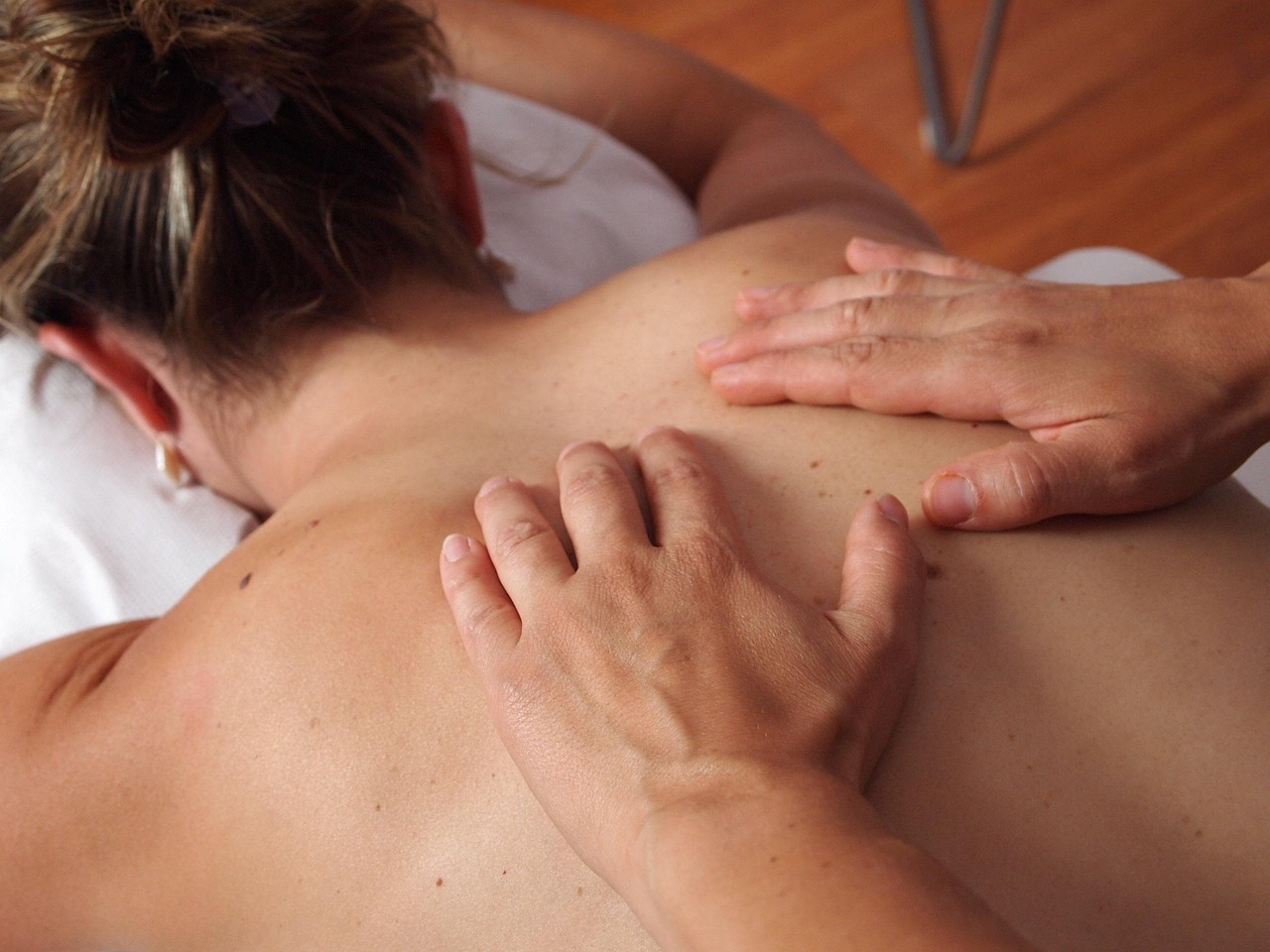
The approach evolves as you move through the stages. Early, it's gentle motion and pain control to protect what mobility you have. As the pain quiets, hands-on techniques ease the tight capsule and the stretching can push harder. Once the joint begins to open, strengthening enters. Running underneath all of it is a daily home program, because this shoulder responds to frequent, gentle work far more than to occasional hard sessions.
Being Honest About "Restores Quickly"
Frozen shoulder is a patient's condition by nature. Even with excellent care, moving through the stages takes time. What treatment genuinely does is shorten the road and, just as important, keep you from losing more range than the condition would otherwise take. Left alone, it usually drags out longer and leaves you stiffer. So the honest promise is faster and fuller recovery, not an overnight fix.
Ruling Out The Imposters
Not every stiff, sore shoulder is frozen shoulder. Rotator cuff trouble and arthritis can look similar from the outside but need different care. Frozen shoulder has a giveaway: the motion is limited whether you move the arm yourself or someone moves it for you. Confirming that pattern comes before the plan.
Shoulder quietly stiffening up? Modern Medicine of Mesa, AZ can match the care to your stage and work the motion back. Reach us by phone or the online booking form.