Queen Creek, AZ — Physical Therapy Services That Improve Walking Strength
Walking looks simple enough that people assume it doesn’t take much strength. Then one day the walk from the far end of the parking lot feels long. You’re tired after a lap around the block. Your stride has gotten shorter without you deciding to shorten it. Walking asks more of your muscles than it seems, and when specific ones weaken, you feel it in your endurance, your stride, and how much effort the whole thing takes.
The Muscles Doing the Work
A few groups carry most of the load, and they’re not always the ones people expect:
- The glutes, which drive you forward and keep your pelvis level with each step
- The calves, which push you off the ground at the end of every stride
- The quads, which control your knee as your weight comes down on it
- The hip flexors, which swing the leg through
- The core, which keeps your trunk steady so your legs can do their job
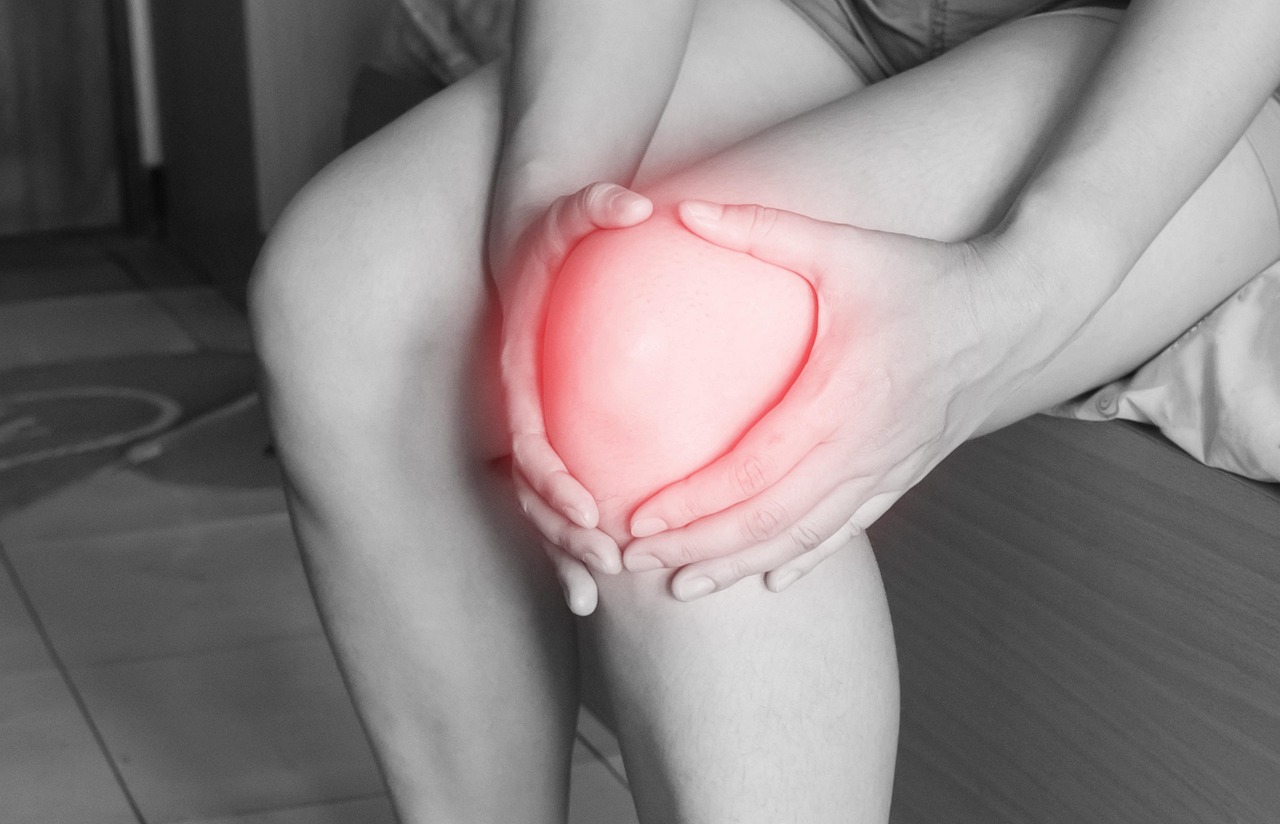
When any of these fade, walking gets harder in a specific way. Weak glutes shorten your stride and make hills feel brutal. Weak calves take the push out of your step. Weak quads make downhills and stairs feel unsteady.
How Weakness Sneaks Up
The frustrating part is how gradual it is. Muscles get weaker with age and with sitting more, and the body compensates so smoothly you don’t notice. Your stride shortens a bit. You start walking a little slower. You take fewer long walks because they’re less appealing, which weakens the muscles further, which makes walking harder still.
That loop runs downhill quietly. Most people don’t register the decline until it’s already changed what they’re willing to do.
What Therapy Actually Builds
A therapy plan aimed at walking strength targets the specific weak links rather than working out generally:
- Glute strengthening, since it’s the most common weak spot and affects stride the most
- Calf work to restore the push-off that makes walking efficient
- Quad strength for control on descents and stairs
- Balance and stability training so each step is confident
- Progressive walking practice that builds distance and endurance gradually
What Getting It Back Feels Like
Improvement shows up in ordinary places. The parking lot doesn’t feel far anymore. You’re not scouting for benches. Hills stop being a reason to pick a different route. Your stride lengthens back out, and walking takes less conscious effort. Small things, but they add up to going where you want without planning around it.
When to Look Into It
Worth getting assessed when walking distances have shrunk, when you’re tiring faster than you used to, when your stride feels shorter, or your legs feel heavy, or when you’ve started avoiding walks because of the effort.
If walking has gotten harder than it should be, come see us at Modern Medicine of Mesa, AZ, and we’ll find the weak links and build them back. Give us a call to set it up.