Mesa, AZ — How Does an Orthopedic Clinic Treat Chronic Knee and Hip Pain?
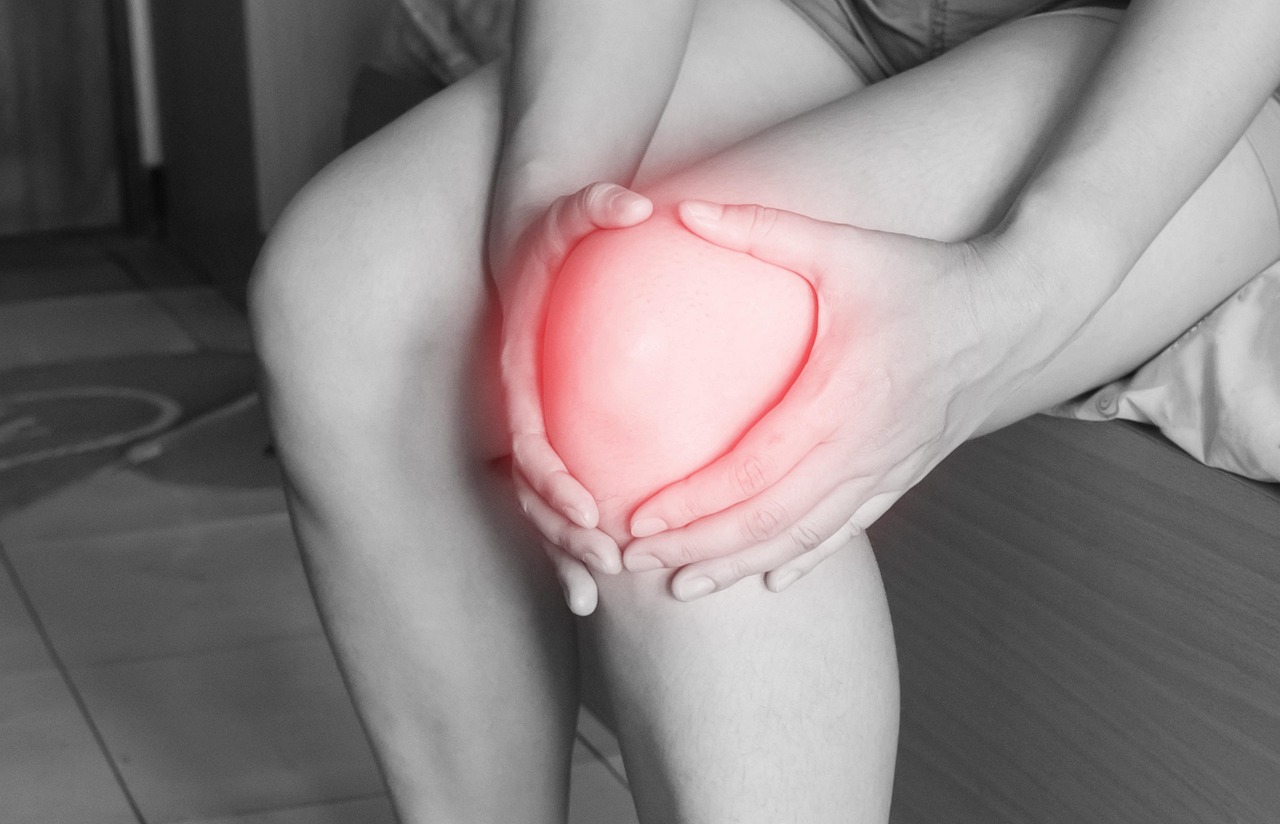
People tend to bring in one sore joint at a time. My knee’s bothering me. My hip’s been acting up. But knees and hips are neighbors on the same chain, and with chronic pain they’re linked far more often than people realize. Treat one and ignore the other and you frequently end up back where you started. Understanding how they feed each other changes how the whole thing gets handled.
How One Feeds the Other
The hip sits directly above the knee, and what happens up there dictates a lot of what the knee has to put up with. Weak hip muscles let the knee drift inward with every step, which grinds the joint at an angle it wasn’t built for. Stiff hips that won’t rotate properly force the knee to absorb motion it shouldn’t. So a chronic knee problem often has hip weakness sitting quietly behind it.
It runs the other way too. A knee that’s hurt for months changes how you walk, and that altered stride loads the hip differently. Give it long enough and the hip starts complaining about work it was never meant to do.
The Trap of Treating One Alone
Here’s why chasing a single joint tends to disappoint. Say your knee is the loud one, so all the treatment goes there. You strengthen around the knee, calm it down, and it feels better. But the weak hip that let the knee cave in the first place is untouched. So the moment you return to normal activity, the same faulty mechanics start grinding the same joint, and the pain comes back.
That’s the loop a lot of people spend years in. Real relief, then a return, then more treatment, never quite understanding why it keeps repeating.
What a Clinic Actually Does
A good assessment looks at the whole chain rather than the joint you complained about:
- Watching how you walk, squat, and load each leg, since the mechanics reveal the connection
- Testing hip strength specifically, because weakness there drives so much knee pain
- Checking hip range, since stiffness up top dumps extra motion onto the knee
- Looking at both sides, as chronic pain in one leg often stirs up trouble in the other
- Sorting which joint is the source and which is the victim
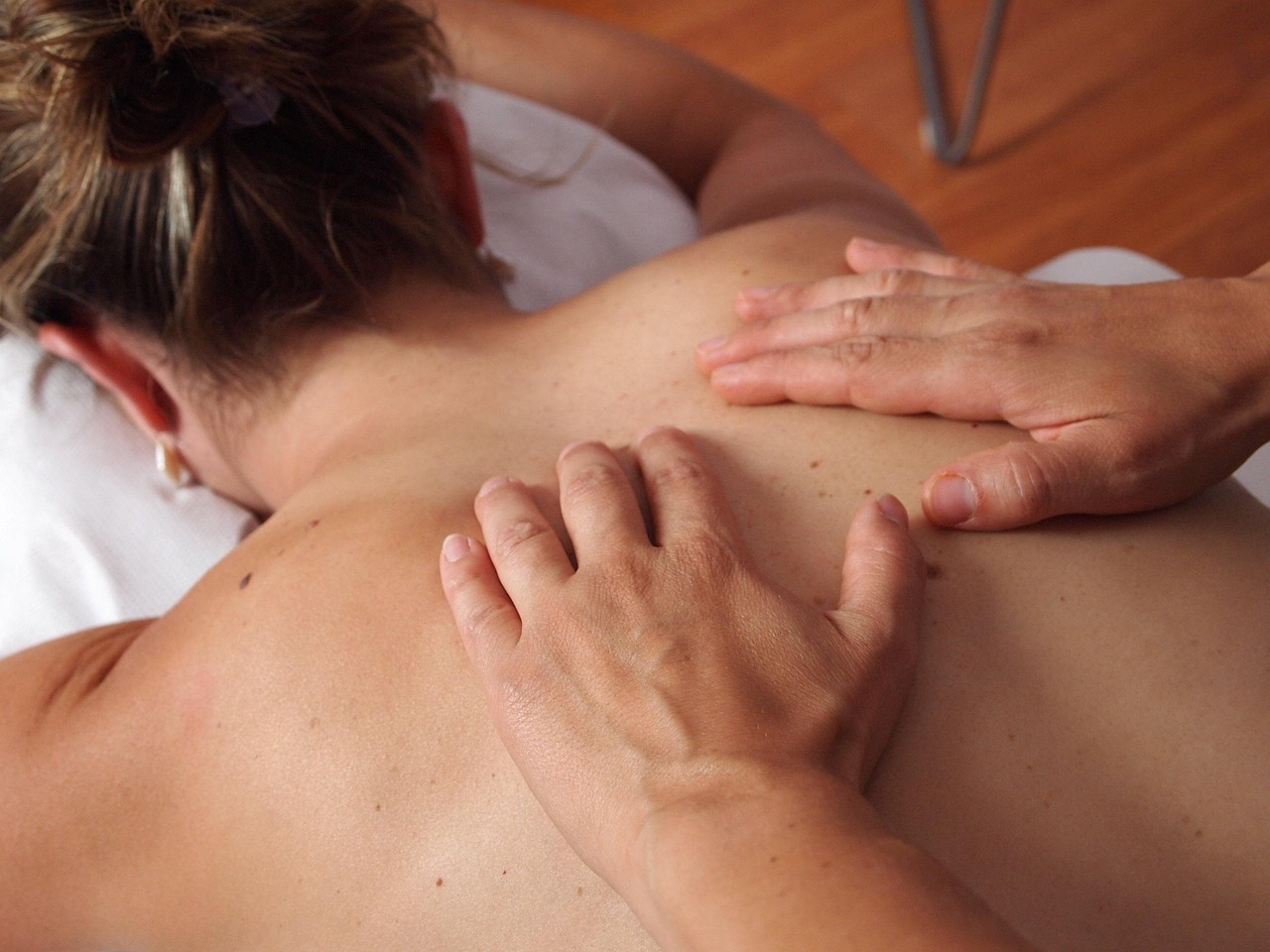
From there, treatment addresses both. Strengthening the hips and glutes so the knee stops taking the brunt. Hands-on work to free up whichever joint has stiffened. Gait retraining, because the compensations built up over months don’t just disappear on their own.
Why This Approach Holds Up
When both joints are working properly, the load spreads the way it’s meant to. The knee stops absorbing what the hip should be handling. The hip stops paying for a limp. That’s a fix that stays, because it changed the mechanics rather than just quieting the loudest symptom.
When to Come In
Worth getting looked at when knee or hip pain has hung on for months, when pain in one seems to have brought on trouble in the other, when stairs and getting up from a chair set things off, or when treatment aimed at one joint keeps wearing off.
If a knee or hip has been nagging for a while, let us look at the whole picture at Modern Medicine of Mesa, AZ. Give us a call, and we’ll get you scheduled.