Mesa, AZ — How Do Non-Surgical Orthopedic Doctors Treat Sciatica and Back Pain?
A scan can do you a disservice with back pain. You get an MRI, it comes back mentioning a bulging disc, degeneration, some wear, and suddenly you’re picturing your spine falling apart. What often goes unsaid is that plenty of people walking around pain-free have those exact same findings on their images. The picture and the pain don’t line up as tidily as everyone assumes, and that gap is where non-surgical care does most of its work.
Why Imaging Misleads People
Disc bulges and degeneration are extremely common in adults who feel completely fine. They show up on scans of people with no back pain whatsoever, at rates that surprise most folks when they hear it.
So finding one on your image doesn’t automatically mean it’s the source of your trouble. It might be. It might also be an incidental finding that’s been there for years. A good non-surgical doctor takes the imaging as one piece of evidence, then checks whether the findings actually match your symptoms and how your back behaves on examination.
What Usually Drives the Pain
When you look past the image, the practical causes come into focus. A weak core leaving the spine to handle load it shouldn’t. Stiff joints in the lower back that have quit moving properly. Tight hips and hamstrings pulling on the lower back all day. Muscles knotted up and referring pain across the area. And with sciatica, something is crowding the nerve, whether that’s a disc, tight muscle, or a stiff segment.
The useful thing about that list is that every item on it can be changed. That’s the whole basis of conservative treatment.
How Treatment Works
A non-surgical orthopedic approach goes after those mechanical drivers:
- Finding positions and movements that ease the pressure, especially for sciatica
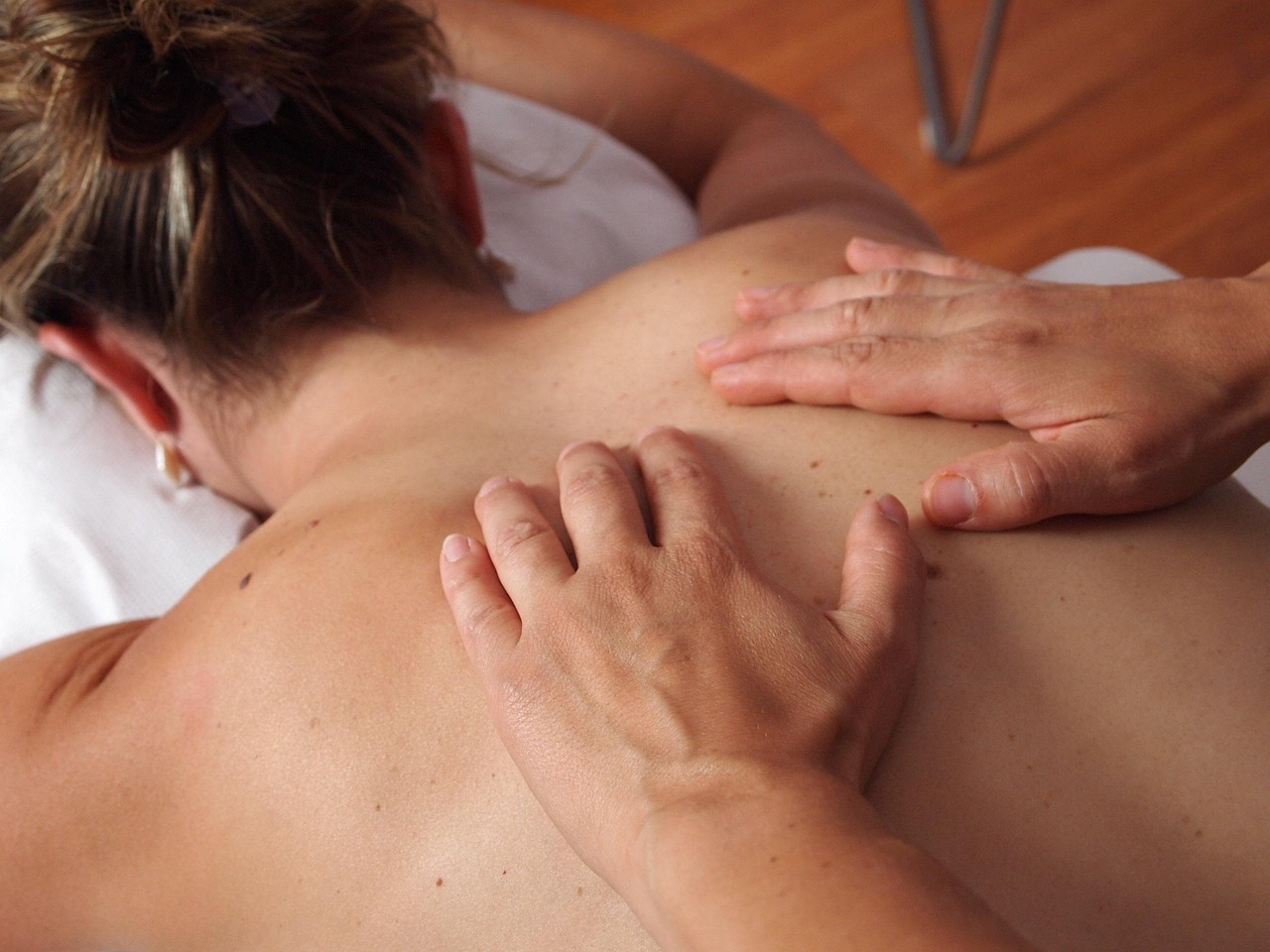
- Loosening the stiff joints and tight muscles crowding the area
- Strengthening the deep core so the spine has real support
- Working on the hips, since tightness there drags on the lower back
- Injections when inflammation around a nerve needs more than exercise can settle
The sequence matters. Calm things down first, then loosen what’s contributing, then build the support that keeps it from returning. Rushing to strengthening while a nerve is furious just aggravates it.
When Surgery Is Genuinely Warranted
To be clear about the limits. Progressing weakness in a leg, numbness that’s spreading, or a nerve problem that’s had a real run of conservative care without budging can point toward a surgeon. Loss of bladder or bowel control with back pain is an emergency. Short of those, most back pain and sciatica resolve without an operating room, and a good doctor tells you plainly if you’ve crossed that line.
When to Visit Modern Medicine of Mesa, AZ
It’s worth coming in when back pain has hung on past a couple of weeks, when it’s shooting into a leg, when mornings are a stiff slog, or when it’s changing how you lift and move. Pain costing you sleep counts too.
Before you assume the worst from a scan, come talk it through with us at Modern Medicine of Mesa, AZ. We’ll sort out what’s actually driving it.