 What Certified Sports Medicine Services Include
Certified sports medicine services are built around movement, injury recovery, and return to activity.
For runners, that matters. Running injuries are often tied to training load, muscle weakness, form issues, poor recovery, or a body part that is taking more stress than it can handle. A sports medicine team looks at the bigger picture, not just the area that hurts.
Why Runners Deal With Overuse Injuries So Often
Most running injuries usually build over time. A runner adds mileage too fast. Speed work increases. Hills get added in. Recovery days are skipped. Old shoes stay in the rotation too long. A small ache starts, then keeps showing up.
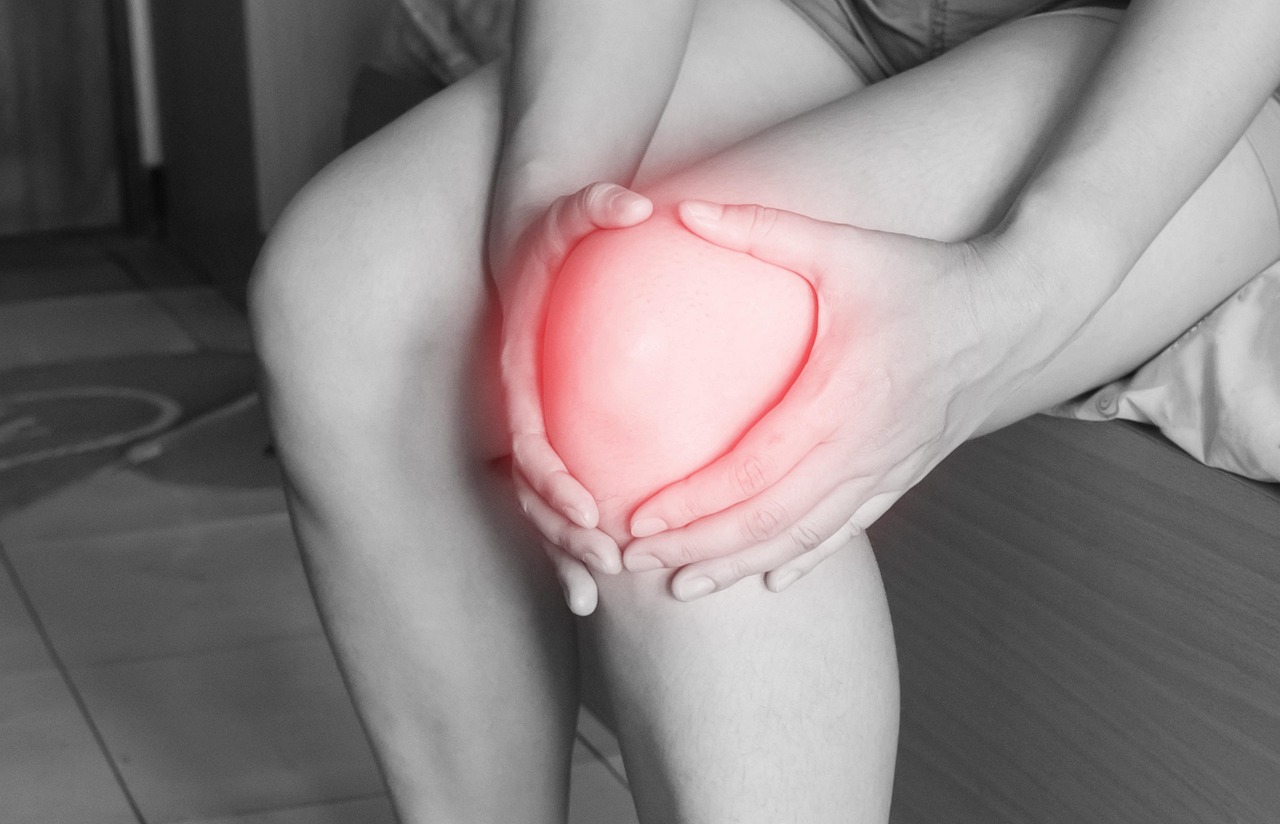
Common running overuse injuries may affect the knee, shin, calf, Achilles tendon, hip, or foot. At first, the pain may only show up during part of a run. Then it starts earlier. Then it sticks around after the run is over. That is when many runners realize it is no longer something to brush off.
Why This Type Of Care Works Well For Runners
Runners usually do better when treatment matches the demands of running.That is one reason sports medicine care makes sense. It is built around active people who want to return to a specific activity, not just feel a little better at rest. A runner may need more than basic advice to stretch and cut back. They may need to know why the pain developed, what part of training may have triggered it, and what needs to change before mileage builds again.
This kind of care is also useful because it helps runners avoid the usual cycle. Rest for a few days. Feel a little better. Run again. Flare up. Start over.
What Treatment Covers
Treatment depends on the injury, but it often includes a mix of support for pain, movement, and strength.
A care plan may involve:
- Strength work for the hips, glutes, and legs
- Mobility exercises for tight areas
- Balance and control training
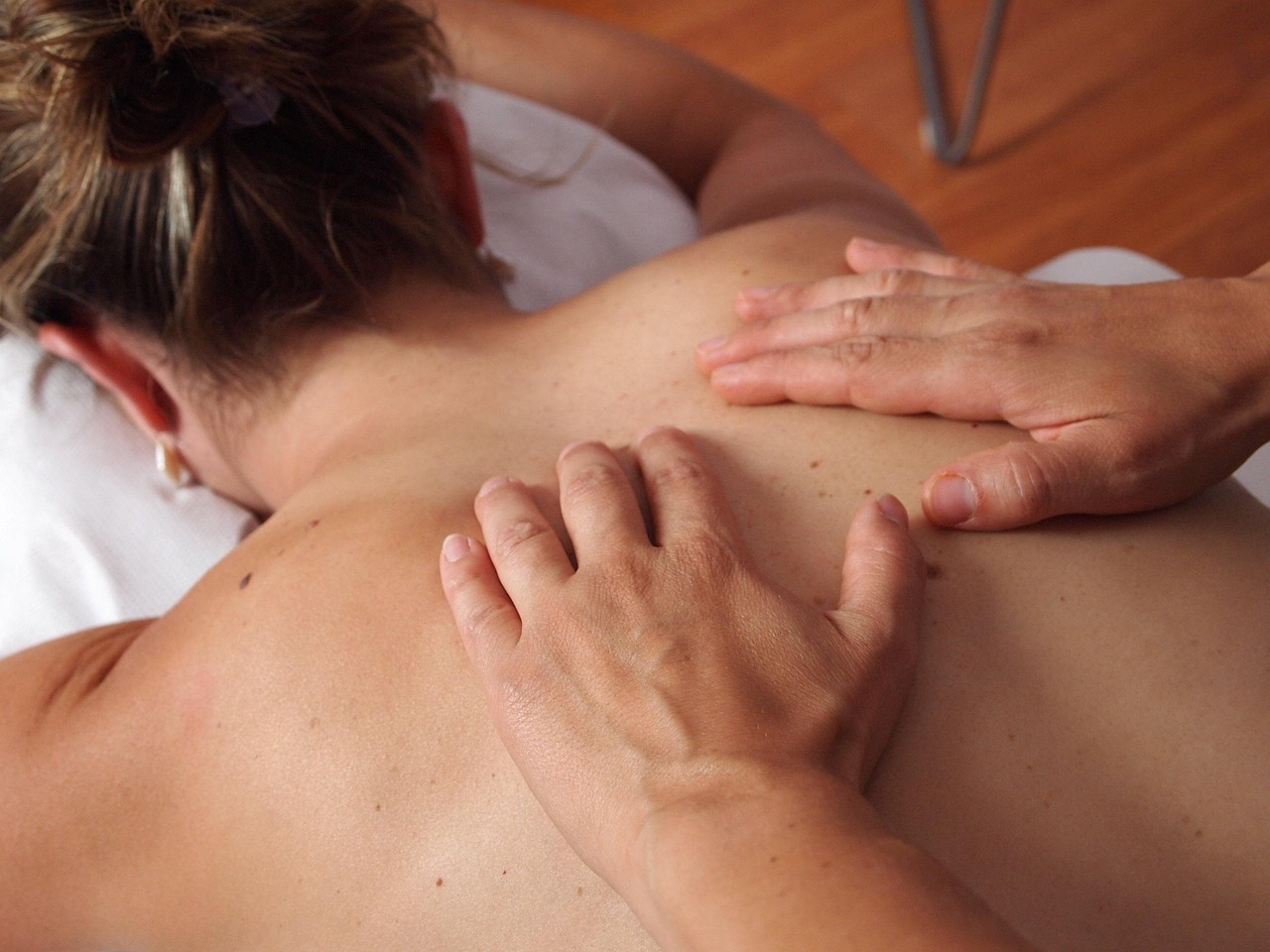
- Hands-on treatment when needed
- Changes to training volume or intensity
- Return-to-run progression
Some runners need help with calf strength. Some need better hip control. Some need to stop pushing through pain that has already started changing their stride. The plan depends on what the exam shows and how the injury is affecting the run.
What Runners Can Do To Stay On Track
Keeping up with home exercises, being honest about what still hurts, and resisting the urge to jump back into full mileage too early can all help. It also helps to pay attention to patterns. If pain always shows up after hills, long runs, or speed days, that tells us something important.
A good recovery plan does not just help the current injury. It also helps lower the chance of the same problem showing up again.
When It Is Time To Get Checked
A runner should get checked when pain keeps returning, starts affecting stride, or hangs on after runs are over. It is also worth getting evaluated when the same area keeps flaring every time training picks up.
Reach out to Modern Medicine of Mesa, AZ, and let us help you get back to running normally.