 Physical Therapy Is Often One OfThe First Treatments
For many patients, physical therapy is one of the best places to start.
That is because stiffness usually does not improve just by resting the arm. In a lot of cases, the shoulder needs guided movement, better support from the muscles around it, and a steady plan that builds motion without making the joint more irritated.
Physical therapy may help by:
- Improving range of motion
- Stretching tight tissue
- Building shoulder support
- Improving shoulder blade control
- Helping the arm move more normally again
This kind of treatment tends to work best when patients stay consistent. A shoulder that has become stiff over weeks or months usually does not change after a few sessions.
Mobility Work Can Make A Big Difference
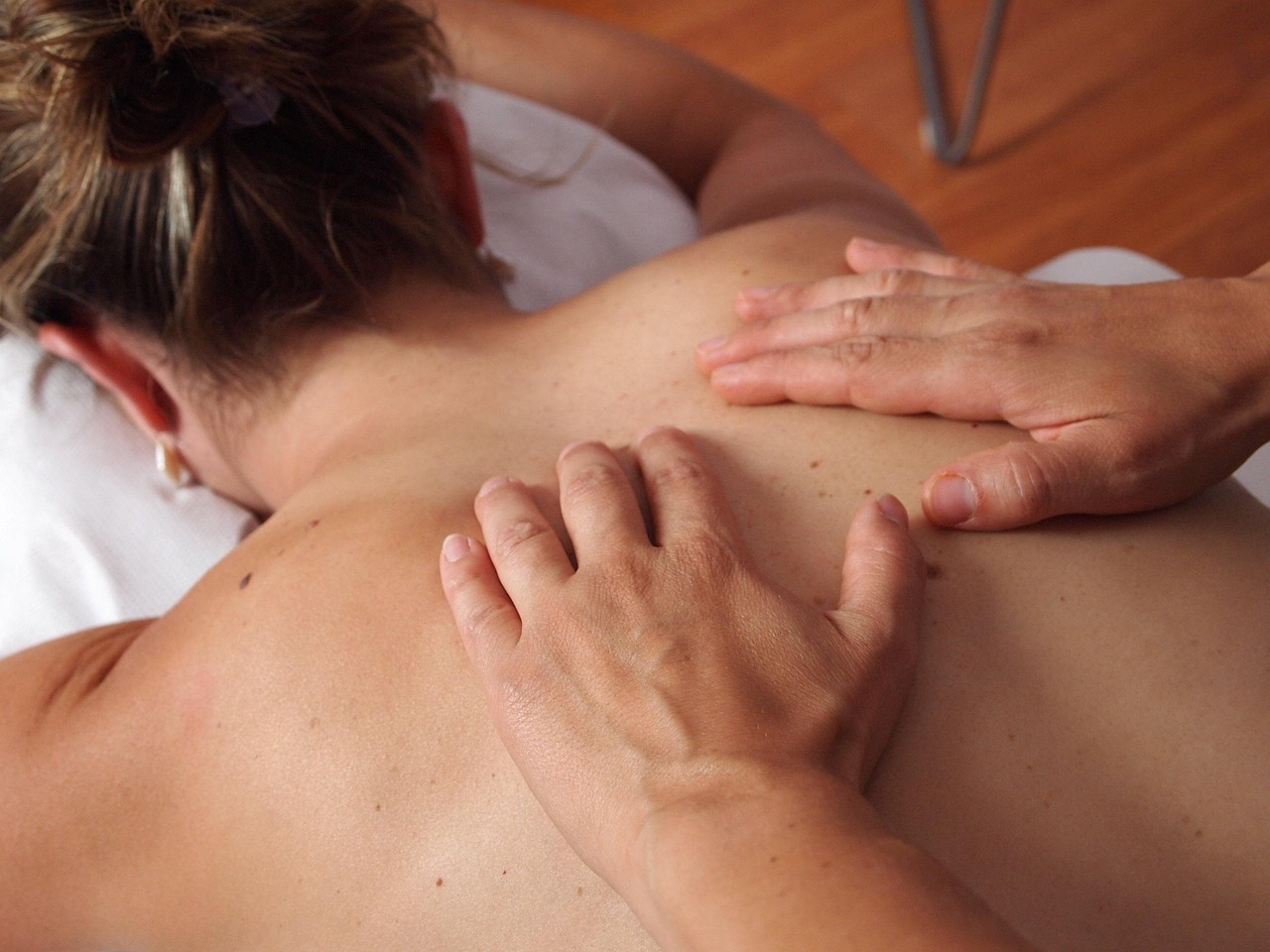
When stiffness is a major part of the problem, mobility work often plays a big role. That may include guided stretching, controlled movement drills, and hands-on treatment meant to help the joint move more freely. The goal is not to force the shoulder. The goal is to improve motion in a way the body can actually tolerate.
This matters because stiffness can affect regular things fast. Reaching overhead, washing your hair, lifting groceries, and sleeping comfortably can all get harder when the shoulder loses motion.
Anti-Inflammatory Treatment May Help Calm Things Down
Anti-inflammatory treatment can help reduce pain and make it easier for the patient to participate in therapy and daily movement. This type of care does not fix stiffness by itself, but it may help create a better starting point.
That is often important when the shoulder has become painful enough that people stop using it normally. Less movement can lead to even more tightness.
Injections May Help In Some Cases
When pain is high and progress has stalled, an injection may be used to reduce inflammation and help the shoulder move with less discomfort. This can make it easier to sleep, use the arm, and take part in rehab. It is usually not the whole plan on its own. It works better when it supports other treatments.
The Best Treatment Depends On Why The Shoulder Is Stiff
Shoulder stiffness can show up for different reasons. One patient may be dealing with inflammation. Another may have weakness and poor movement patterns. Another may have a shoulder that tightened up after an old injury or after avoiding movement for too long. That is why one treatment does not work the same for everyone.
A good orthopedic evaluation helps sort that out. It helps answer whether the shoulder mainly needs motion, strength, pain relief, or a mix of all three.
What Usually Helps Patients Most
The best results often come from a plan that is clear and steady.
Patients usually do better when they:
- Start treatment before the stiffness gets worse
- Followthrough with therapy
- Keep up with home exercises
- Avoid giving up on using the arm completely
- Speak up if pain or motion is not improving
At Modern Medicine of Mesa, AZ, we help patients find the treatment approach that fits the reason behind the stiffness. If your shoulder has become harder to move, harder to use, or harder to trust, it may be time to get it checked.