 Cartilage Wear
Cartilage does not usually fail overnight. It wears down when the joint takes the same stress pattern for years. We see it with knees that cave inward, hips that stay tight and never fully open up, and shoulders that pinch every time you reach. At first, it’s stiff after sitting. Then there’s soreness after a short walk. Later, it’s pain that shows up faster and sticks around longer. Sports medicine helps by spotting what keeps loading the joint the wrong way. PT shifts work back into the muscles that should be helping, so cartilage is not taking the full hit.
Tendon Damage From Repetition
Tendons get damaged in a sneaky way. They hurt, you rest a few days, you feel better, then you go right back to the same workload. That cycle adds up. Shoulders from repeated reaching. Elbows from gripping tools. Achilles from walking hills or running after time off. Over time, the tendon gets more sensitive and less tolerant. Sports medicine uses planned loading, not random rest. PT builds tendon strength in steps and also fixes the day-to-day trigger that keeps yanking on it, like how you lift, how you grip, or how quickly you ramp up activity.
Joint Instability After Old Injuries
A joint can feel “okay” and still be unstable. We see this all the time. An ankle that’s been sprained three times. A shoulder that slipped once and never felt solid again. A knee that wobbles on stairs. Instability changes how joint surfaces meet. That can speed up wear. Sports medicine treatment focuses on control, not just pain relief. PT builds strength, balance, and quick reaction so the joint stays centered during movement instead of drifting into a stressful position.
Stiffness in the Joints
Stiff joints create ripple effects. If the hip won’t rotate, the lower back twists more. If the ankle won’t bend, the knee takes extra stress. If the shoulder won’t reach overhead, the neck and upper back do weird things to get the job done. People rarely connect those dots. Sports medicine does. PT restores motion where it’s missing, then pairs it with strength so the joint can use that motion in real life. Range without control does not hold.
Flare Cycles
A lot of long-term joint damage starts with the flare pattern. You feel okay for a bit. Then you overdo it. The joint swells or aches, so you rest. You lose strength. Then the next flare comes sooner. That loop can make a joint feel older than it should. Sports medicine helps break it by setting a clear workload plan. PT builds tolerance in small jumps and teaches pacing so you keep moving without poking the bear every week.
Visit Modern Physical Therapy & Sports Medicine of Mesa, AZ
If joint pain or stiffness keeps popping up, don’t wait until it’s an everyday thing. Schedule an evaluation with Modern Physical Therapy & Sports Medicine in Mesa, AZ, and let’s look at what’s stressing the joint, then build a plan to protect it long-term.
Cartilage Wear
Cartilage does not usually fail overnight. It wears down when the joint takes the same stress pattern for years. We see it with knees that cave inward, hips that stay tight and never fully open up, and shoulders that pinch every time you reach. At first, it’s stiff after sitting. Then there’s soreness after a short walk. Later, it’s pain that shows up faster and sticks around longer. Sports medicine helps by spotting what keeps loading the joint the wrong way. PT shifts work back into the muscles that should be helping, so cartilage is not taking the full hit.
Tendon Damage From Repetition
Tendons get damaged in a sneaky way. They hurt, you rest a few days, you feel better, then you go right back to the same workload. That cycle adds up. Shoulders from repeated reaching. Elbows from gripping tools. Achilles from walking hills or running after time off. Over time, the tendon gets more sensitive and less tolerant. Sports medicine uses planned loading, not random rest. PT builds tendon strength in steps and also fixes the day-to-day trigger that keeps yanking on it, like how you lift, how you grip, or how quickly you ramp up activity.
Joint Instability After Old Injuries
A joint can feel “okay” and still be unstable. We see this all the time. An ankle that’s been sprained three times. A shoulder that slipped once and never felt solid again. A knee that wobbles on stairs. Instability changes how joint surfaces meet. That can speed up wear. Sports medicine treatment focuses on control, not just pain relief. PT builds strength, balance, and quick reaction so the joint stays centered during movement instead of drifting into a stressful position.
Stiffness in the Joints
Stiff joints create ripple effects. If the hip won’t rotate, the lower back twists more. If the ankle won’t bend, the knee takes extra stress. If the shoulder won’t reach overhead, the neck and upper back do weird things to get the job done. People rarely connect those dots. Sports medicine does. PT restores motion where it’s missing, then pairs it with strength so the joint can use that motion in real life. Range without control does not hold.
Flare Cycles
A lot of long-term joint damage starts with the flare pattern. You feel okay for a bit. Then you overdo it. The joint swells or aches, so you rest. You lose strength. Then the next flare comes sooner. That loop can make a joint feel older than it should. Sports medicine helps break it by setting a clear workload plan. PT builds tolerance in small jumps and teaches pacing so you keep moving without poking the bear every week.
Visit Modern Physical Therapy & Sports Medicine of Mesa, AZ
If joint pain or stiffness keeps popping up, don’t wait until it’s an everyday thing. Schedule an evaluation with Modern Physical Therapy & Sports Medicine in Mesa, AZ, and let’s look at what’s stressing the joint, then build a plan to protect it long-term.
Mesa, AZ – How Sports Medicine Treatment Helps Prevent Long-Term Joint Damage
SYNOPSIS: This article covers common types of long-term joint damage you can acquire and explains how sports medicine treatment can reduce wear, protect function, and help you stay active.
Sports Medicine for Your Joint Protection
BY: Josh Adams, Modern Medicine of Mesa, AZ
Cartilage Wear
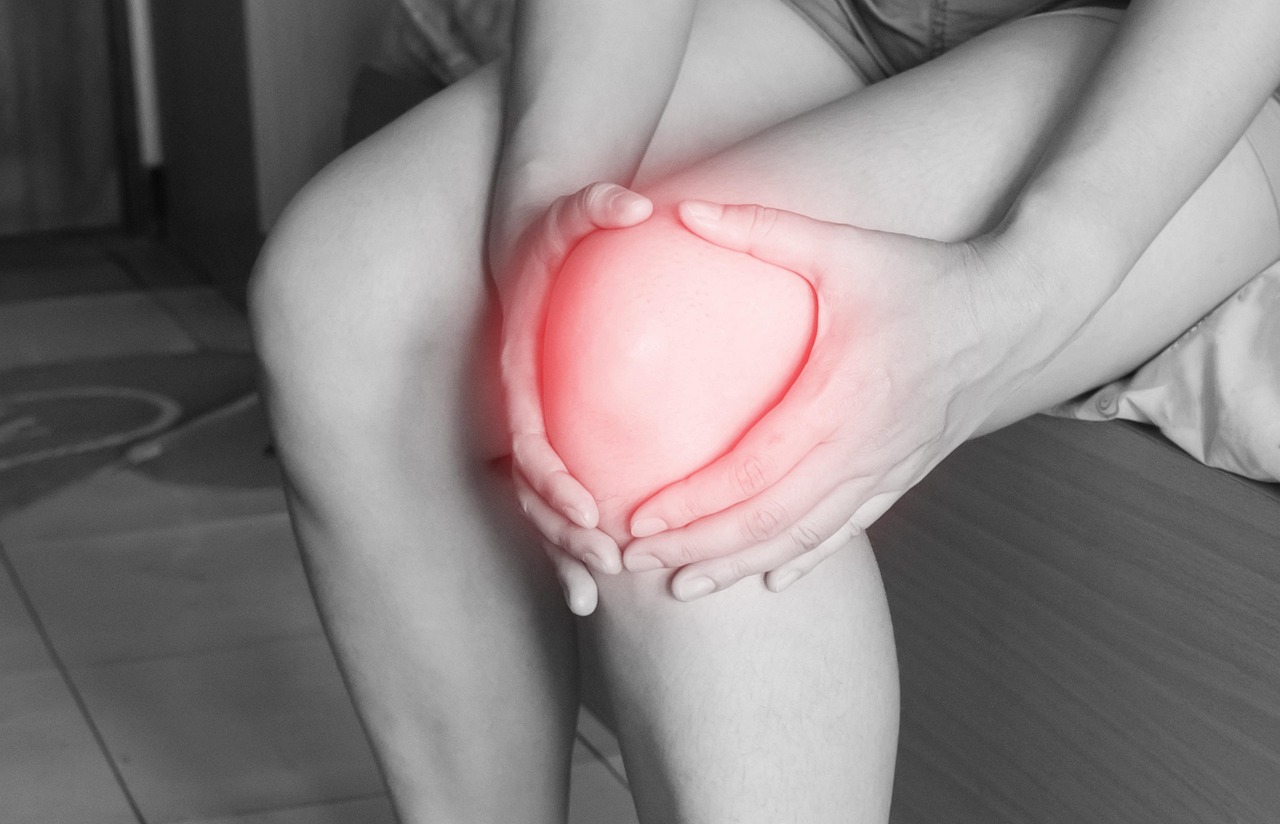
Cartilage does not usually fail overnight. It wears down when the joint takes the same stress pattern for years. We see it with knees that cave inward, hips that stay tight and never fully open up, and shoulders that pinch every time you reach. At first, it’s stiff after sitting. Then there’s soreness after a short walk. Later, it’s pain that shows up faster and sticks around longer. Sports medicine helps by spotting what keeps loading the joint the wrong way. PT shifts work back into the muscles that should be helping, so cartilage is not taking the full hit.
Tendon Damage From Repetition
Tendons get damaged in a sneaky way. They hurt, you rest a few days, you feel better, then you go right back to the same workload. That cycle adds up. Shoulders from repeated reaching. Elbows from gripping tools. Achilles from walking hills or running after time off. Over time, the tendon gets more sensitive and less tolerant. Sports medicine uses planned loading, not random rest. PT builds tendon strength in steps and also fixes the day-to-day trigger that keeps yanking on it, like how you lift, how you grip, or how quickly you ramp up activity.
Joint Instability After Old Injuries
A joint can feel “okay” and still be unstable. We see this all the time. An ankle that’s been sprained three times. A shoulder that slipped once and never felt solid again. A knee that wobbles on stairs. Instability changes how joint surfaces meet. That can speed up wear. Sports medicine treatment focuses on control, not just pain relief. PT builds strength, balance, and quick reaction so the joint stays centered during movement instead of drifting into a stressful position.
Stiffness in the Joints
Stiff joints create ripple effects. If the hip won’t rotate, the lower back twists more. If the ankle won’t bend, the knee takes extra stress. If the shoulder won’t reach overhead, the neck and upper back do weird things to get the job done. People rarely connect those dots. Sports medicine does. PT restores motion where it’s missing, then pairs it with strength so the joint can use that motion in real life. Range without control does not hold.
Flare Cycles
A lot of long-term joint damage starts with the flare pattern. You feel okay for a bit. Then you overdo it. The joint swells or aches, so you rest. You lose strength. Then the next flare comes sooner. That loop can make a joint feel older than it should. Sports medicine helps break it by setting a clear workload plan. PT builds tolerance in small jumps and teaches pacing so you keep moving without poking the bear every week.
Visit Modern Physical Therapy & Sports Medicine of Mesa, AZ
If joint pain or stiffness keeps popping up, don’t wait until it’s an everyday thing. Schedule an evaluation with Modern Physical Therapy & Sports Medicine in Mesa, AZ, and let’s look at what’s stressing the joint, then build a plan to protect it long-term.