 Why Hip Pain and Back Pain Blur Together
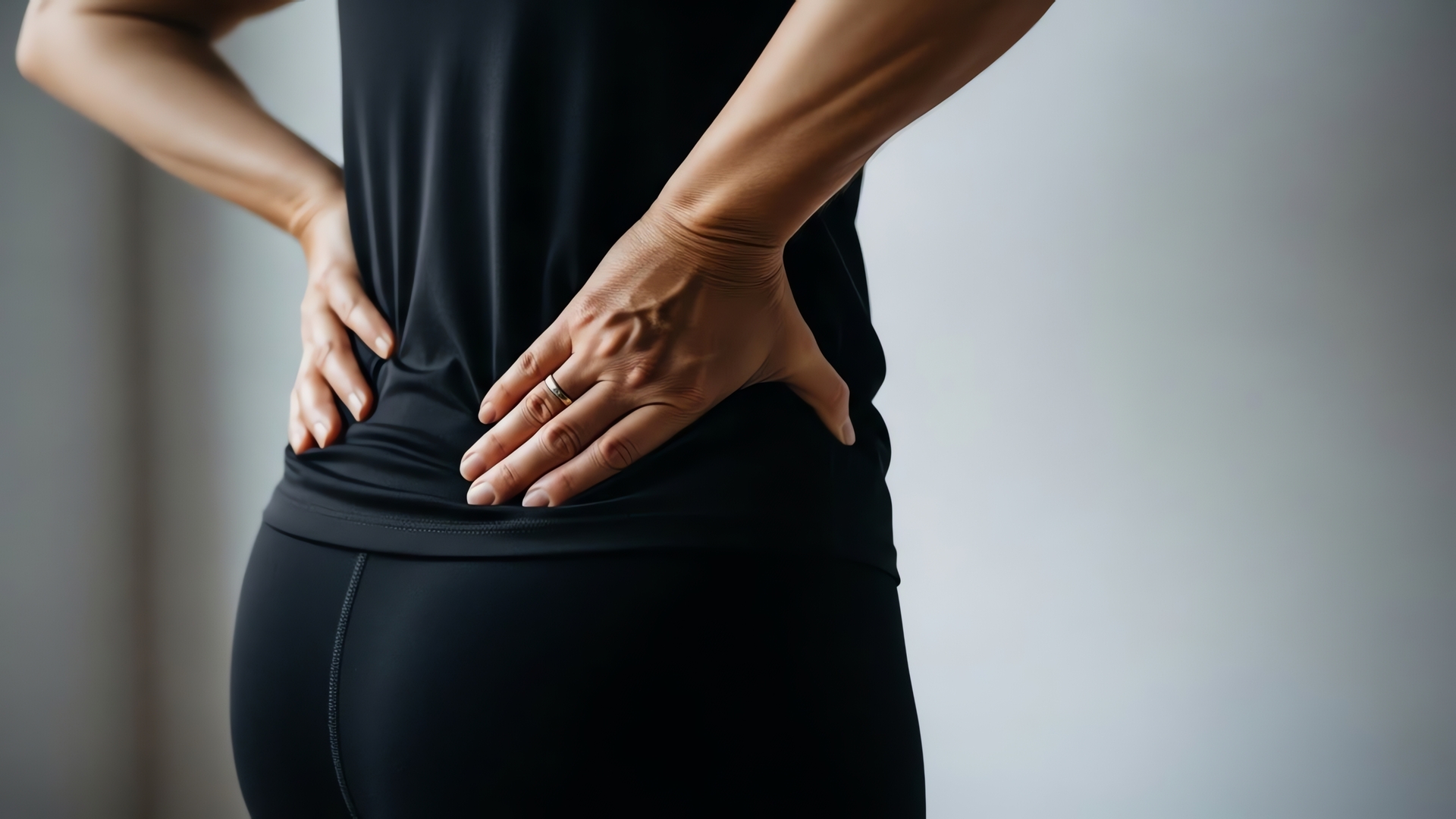
People often tell us, “I can’t tell where it starts.” That’s because the hip and lower back share the same jobs. They both handle walking, stairs, bending, and getting up from a chair. If your hip gets tight, your lower back usually picks up extra motion. If your back feels cranky, you may limp a little or avoid using the hip fully. That back-and-forth can keep pain hanging around. One day, it feels like the hip. The next day, it feels like the belt line or the glute.
What Typically Aggravates The Issue
This pain combo tends to flare with boring, everyday stuff. Long drives. Sitting through work. Standing at the counter while you cook. Carrying groceries on one side. Stairs can be rough, especially if you feel a pinch in the front of the hip. Bending to load the washer can also set it off, and then you feel stiff when you stand back up. People start bracing to get through the day, which can make the area even tighter.
How We Evaluate Hip and Low Back Pain
We don’t guess. We test. We look at hip range of motion, hip strength, core support, and how your low back moves during simple tasks. We watch you walk, and we check how you hinge, squat, and step up. The details matter. A hip that won’t rotate can force the back to twist. Weak glutes can dump stress into the lower back. Sometimes the painful spot is not the main driver. The exam helps us figure out what to fix first.
What PT Does to Your Body
PT should make your daily movement feel easier, not just “stretch you out.” We work on getting hip motion back when it’s limited, then we build strength in the glutes and core so the pelvis stays steadier during walking and lifting. We also teach small changes that reduce flare-ups, like how you get out of the car, how you stand at the sink, and how you lift from the floor. The goal is to stop the constant cycle of tightness, irritation, and guarding.
What Treatment Often Includes
Plans differ person to person, but these are common parts of care:
- Hip mobility work to reduce stiffness and pinching
- Glute strengthening to support the hip and pelvis
- Core training focused on control, not bracing
- Movement retraining for bending, lifting, and stairs
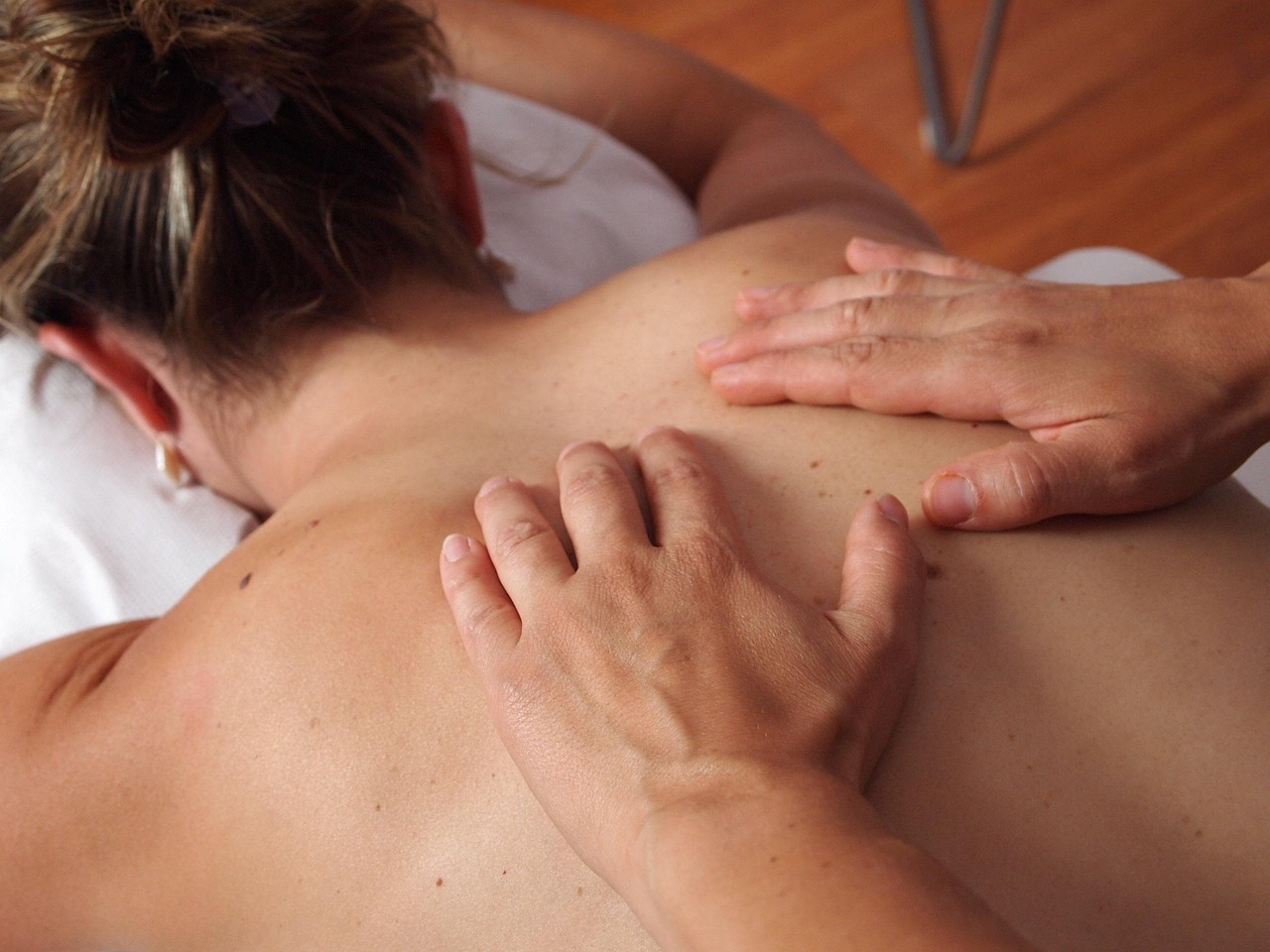
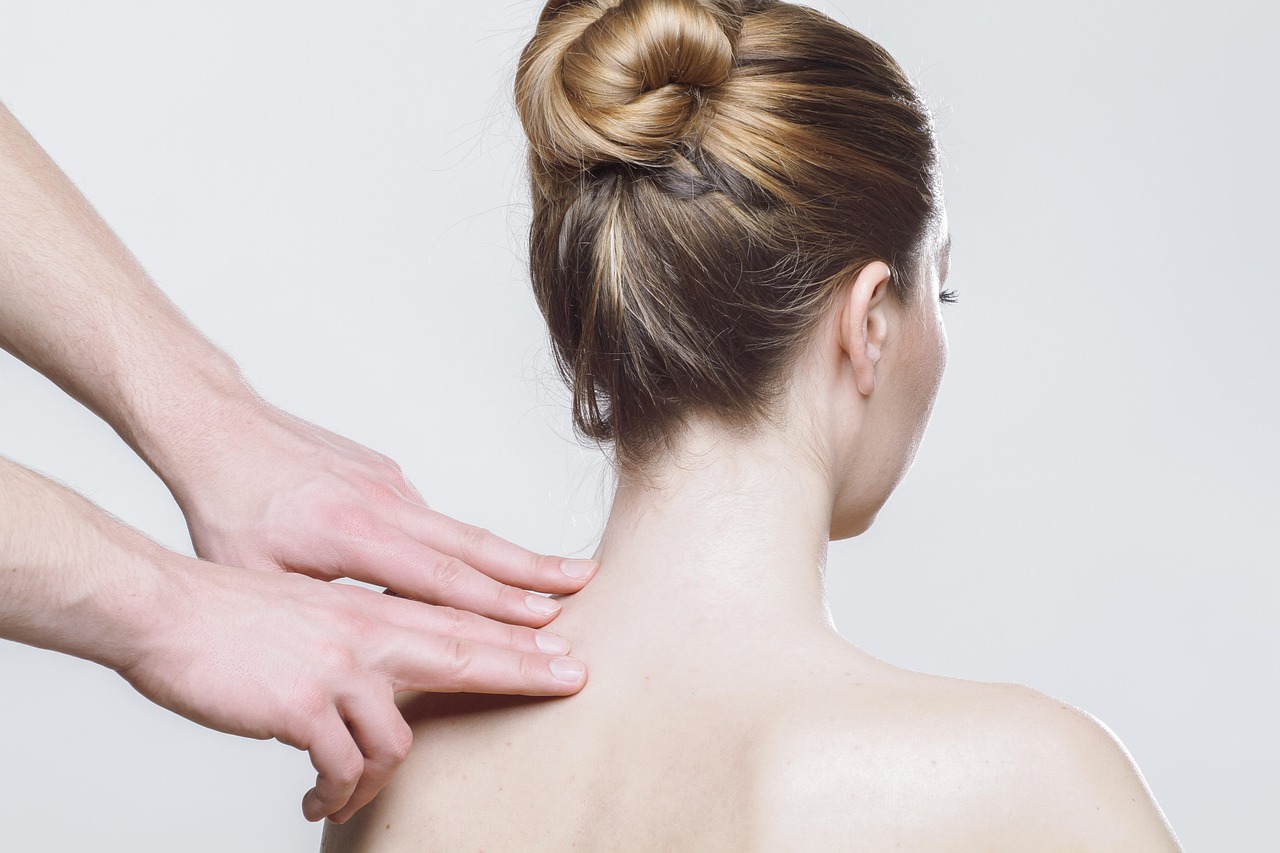
- Hands-on treatment when it helps you move with less guarding
- A short home routine you can repeat without blowing up your symptoms
When Imaging or Surgery Is Considered
Imaging can help after a fall, if pain worsens fast, or if symptoms include red flags like fever, unexplained weight loss, or bowel or bladder changes. Surgery is usually a later step for clear structural problems that don’t improve with consistent PT and medical care. Even if surgery is discussed, PT still helps before and after.
Schedule an evaluation with Modern Physical Therapy & Sports Medicine of Mesa, AZ to find the driver and start moving more comfortably.