 Step One: Start With A Real Baseline
After a long stretch of not moving much, most people guess wrong about what’s going on. They assume they’re “just tight” or “just weak.” In PT, we start by measuring what you can actually do today. How far can you bend your knee? Can you reach overhead without hiking the shoulder? How long can you stand before your back starts tightening? We also look at what you stopped doing and why, because pain, fear, fatigue, and lifestyle changes all lead to different patterns.
Step Two: Get The Stiff Joints Moving Again
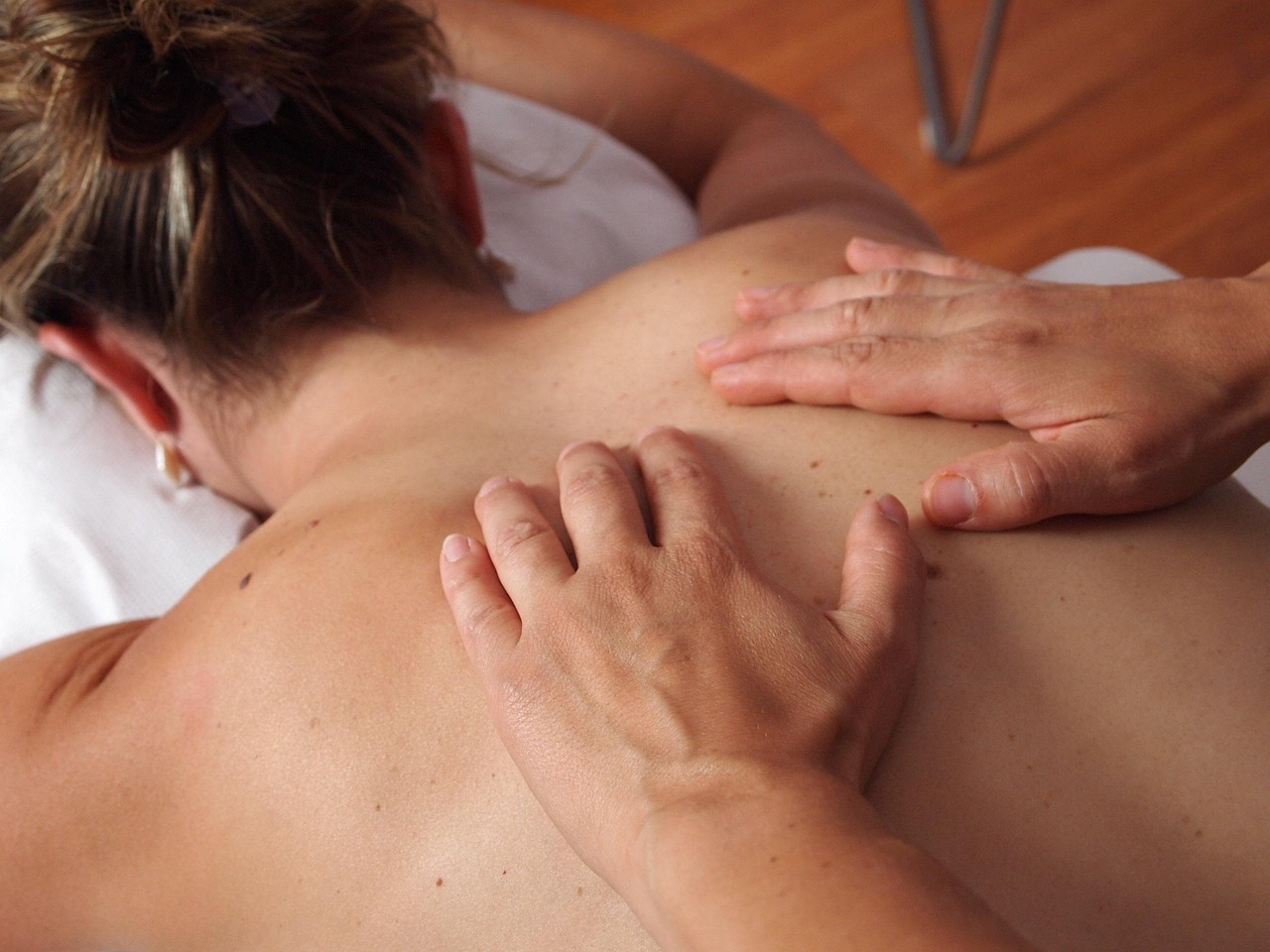
Inactivity makes joints act like they forgot their job. Hips get cranky after sitting. Ankles lose motion and walking feels heavy. The upper back stiffens, so the neck and shoulders take over. Early PT focuses on comfortable motion first, not “push through it.” We use guided movement, gentle mobility work, and sometimes hands-on treatment when it helps you move without bracing. When motion improves, basic stuff like getting in and out of the car or reaching a shelf stops feeling like a project.
Step Three: Wake Up The Muscles That Checked Out
Atrophy is real. Muscles get smaller, and they also get lazy about turning on. That’s why you can feel shaky doing things that used to be easy, like stairs or carrying a laundry basket. We start with exercises that teach the right muscles to fire again, then we build the load slowly. People often worry they’re “too far behind.” Most aren’t. They just need a plan that ramps up without sending them into a two-day soreness spiral.
Step Four: Rebuild Balance Before You Push Endurance
When someone has been inactive, balance can slip more than they expect. It shows up as feeling unsteady in the shower, hesitating on curbs, or holding onto the railing for every stair. We train balance and coordination early because it changes confidence fast. Once you feel steadier, you move more. That alone helps mobility come back.
Step Five: Practice The Moves You Actually Need
This is where PT stops feeling like “exercises” and starts feeling like life again. We practice getting up from a chair without using momentum. We work on the stairs with less pulling on the railing. We train reaching, carrying, and bending in ways that match your day. If you developed compensation habits during inactivity, like stiffening the back or avoiding one side, we coach you through cleaner mechanics, so you stop feeding the same aches.
Step Six: Build Tolerance Without A Flare-Up Cycle
The last step is capacity. Many people can do a little, then pay for it later, and shut down again. We plan around that. We build walking time, standing time, and activity volume in a way your body can absorb. We also talk about pacing and recovery, because “do everything on a good day” usually backfires. The goal is steady progress that doesn’t fall apart when you have a busy week.
Visit Us For Help Moving Again
If long inactivity left you stiff, weak, or unsure how to start moving again, PT can help you rebuild step by step. Schedule an appointment with Modern Physical Therapy & Sports Medicine of Mesa, AZ, to start restoring mobility, strength, and confidence in daily movement.
Step One: Start With A Real Baseline
After a long stretch of not moving much, most people guess wrong about what’s going on. They assume they’re “just tight” or “just weak.” In PT, we start by measuring what you can actually do today. How far can you bend your knee? Can you reach overhead without hiking the shoulder? How long can you stand before your back starts tightening? We also look at what you stopped doing and why, because pain, fear, fatigue, and lifestyle changes all lead to different patterns.
Step Two: Get The Stiff Joints Moving Again
Inactivity makes joints act like they forgot their job. Hips get cranky after sitting. Ankles lose motion and walking feels heavy. The upper back stiffens, so the neck and shoulders take over. Early PT focuses on comfortable motion first, not “push through it.” We use guided movement, gentle mobility work, and sometimes hands-on treatment when it helps you move without bracing. When motion improves, basic stuff like getting in and out of the car or reaching a shelf stops feeling like a project.
Step Three: Wake Up The Muscles That Checked Out
Atrophy is real. Muscles get smaller, and they also get lazy about turning on. That’s why you can feel shaky doing things that used to be easy, like stairs or carrying a laundry basket. We start with exercises that teach the right muscles to fire again, then we build the load slowly. People often worry they’re “too far behind.” Most aren’t. They just need a plan that ramps up without sending them into a two-day soreness spiral.
Step Four: Rebuild Balance Before You Push Endurance
When someone has been inactive, balance can slip more than they expect. It shows up as feeling unsteady in the shower, hesitating on curbs, or holding onto the railing for every stair. We train balance and coordination early because it changes confidence fast. Once you feel steadier, you move more. That alone helps mobility come back.
Step Five: Practice The Moves You Actually Need
This is where PT stops feeling like “exercises” and starts feeling like life again. We practice getting up from a chair without using momentum. We work on the stairs with less pulling on the railing. We train reaching, carrying, and bending in ways that match your day. If you developed compensation habits during inactivity, like stiffening the back or avoiding one side, we coach you through cleaner mechanics, so you stop feeding the same aches.
Step Six: Build Tolerance Without A Flare-Up Cycle
The last step is capacity. Many people can do a little, then pay for it later, and shut down again. We plan around that. We build walking time, standing time, and activity volume in a way your body can absorb. We also talk about pacing and recovery, because “do everything on a good day” usually backfires. The goal is steady progress that doesn’t fall apart when you have a busy week.
Visit Us For Help Moving Again
If long inactivity left you stiff, weak, or unsure how to start moving again, PT can help you rebuild step by step. Schedule an appointment with Modern Physical Therapy & Sports Medicine of Mesa, AZ, to start restoring mobility, strength, and confidence in daily movement.
Mesa, AZ – Physical Therapy Services for Loss of Mobility After Long Inactivity
SYNOPSIS: This article covers how PT helps after long inactivity, using a step-by-step approach to reduce stiffness, rebuild strength, and make everyday movement feel normal again.
Getting Moving After Time Off From Activities
BY: Josh Adams, Modern Medicine of Mesa, AZ
Step One: Start With A Real Baseline
After a long stretch of not moving much, most people guess wrong about what’s going on. They assume they’re “just tight” or “just weak.” In PT, we start by measuring what you can actually do today. How far can you bend your knee? Can you reach overhead without hiking the shoulder? How long can you stand before your back starts tightening? We also look at what you stopped doing and why, because pain, fear, fatigue, and lifestyle changes all lead to different patterns.
Step Two: Get The Stiff Joints Moving Again
Inactivity makes joints act like they forgot their job. Hips get cranky after sitting. Ankles lose motion and walking feels heavy. The upper back stiffens, so the neck and shoulders take over. Early PT focuses on comfortable motion first, not “push through it.” We use guided movement, gentle mobility work, and sometimes hands-on treatment when it helps you move without bracing. When motion improves, basic stuff like getting in and out of the car or reaching a shelf stops feeling like a project.
Step Three: Wake Up The Muscles That Checked Out
Atrophy is real. Muscles get smaller, and they also get lazy about turning on. That’s why you can feel shaky doing things that used to be easy, like stairs or carrying a laundry basket. We start with exercises that teach the right muscles to fire again, then we build the load slowly. People often worry they’re “too far behind.” Most aren’t. They just need a plan that ramps up without sending them into a two-day soreness spiral.
Step Four: Rebuild Balance Before You Push Endurance
When someone has been inactive, balance can slip more than they expect. It shows up as feeling unsteady in the shower, hesitating on curbs, or holding onto the railing for every stair. We train balance and coordination early because it changes confidence fast. Once you feel steadier, you move more. That alone helps mobility come back.
Step Five: Practice The Moves You Actually Need
This is where PT stops feeling like “exercises” and starts feeling like life again. We practice getting up from a chair without using momentum. We work on the stairs with less pulling on the railing. We train reaching, carrying, and bending in ways that match your day. If you developed compensation habits during inactivity, like stiffening the back or avoiding one side, we coach you through cleaner mechanics, so you stop feeding the same aches.
Step Six: Build Tolerance Without A Flare-Up Cycle
The last step is capacity. Many people can do a little, then pay for it later, and shut down again. We plan around that. We build walking time, standing time, and activity volume in a way your body can absorb. We also talk about pacing and recovery, because “do everything on a good day” usually backfires. The goal is steady progress that doesn’t fall apart when you have a busy week.
Visit Us For Help Moving Again
If long inactivity left you stiff, weak, or unsure how to start moving again, PT can help you rebuild step by step. Schedule an appointment with Modern Physical Therapy & Sports Medicine of Mesa, AZ, to start restoring mobility, strength, and confidence in daily movement.