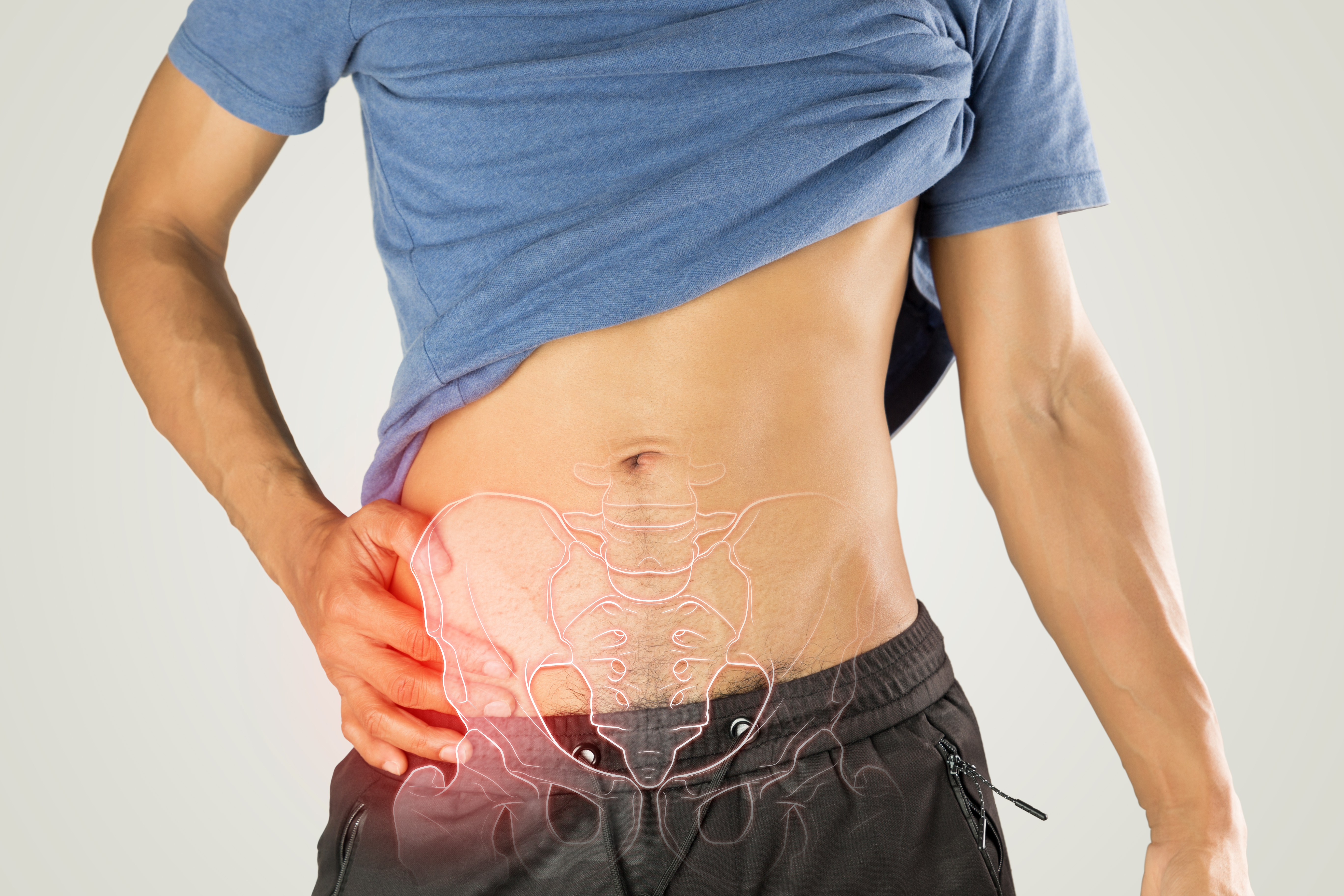
 Pelvic symptoms often show up in quiet ways. A change in how you lift. A hesitation before standing. A routine that starts shrinking without a clear reason. Pelvic health care gives those changes a place to be addressed, with a focus on movement, comfort, and daily function rather than quick fixes.
What Pelvic Health Care Is
The focus is on how the pelvic floor supports daily movement. That system works with breathing, the core, and the hips to manage pressure during standing, lifting, walking, and exercise. When support or timing slips, symptoms show up during normal moments like coughing, getting out of a chair, or carrying groceries. Care centers on restoring control and strength so movement feels steady again.
How Women Know Something Is Off
Many women sense that something has changed long before they ask for help. They brace before standing. They shorten walks. They skip workouts they once enjoyed. A pattern that keeps repeating usually signals a support issue worth checking.
Pelvic symptoms often show up in quiet ways. A change in how you lift. A hesitation before standing. A routine that starts shrinking without a clear reason. Pelvic health care gives those changes a place to be addressed, with a focus on movement, comfort, and daily function rather than quick fixes.
What Pelvic Health Care Is
The focus is on how the pelvic floor supports daily movement. That system works with breathing, the core, and the hips to manage pressure during standing, lifting, walking, and exercise. When support or timing slips, symptoms show up during normal moments like coughing, getting out of a chair, or carrying groceries. Care centers on restoring control and strength so movement feels steady again.
How Women Know Something Is Off
Many women sense that something has changed long before they ask for help. They brace before standing. They shorten walks. They skip workouts they once enjoyed. A pattern that keeps repeating usually signals a support issue worth checking.
- Leaking during coughing, laughing, or activity
- Pressure or heaviness that builds later in the day
- Pelvic discomfort that comes and goes
- Pain during sex or soreness afterward
- Core weakness or abdominal separation
- Hip, tailbone, or low back pain that does not settle
- Review of daily routines and symptom triggers
- Movement screen for hips, core, and breathing
- Discussion of work, exercise, and home demands
- A short home routine to start right away
- Clear guidance on follow-up visits