 Shoulder Strain From Repeated Reaching
This one shows up in busy, normal lives. Reaching into high cabinets, stocking shelves, lifting kids, painting a room, pressing at the gym. The shoulder starts to pinch, then you notice you avoid reaching because it just feels “wrong.” Night pain is common. So is that sharp catch when you put on a shirt or grab the seatbelt. PT usually starts by getting motion back without irritating the joint. Then we build support through the rotator cuff and the muscles that control the shoulder blade, so the shoulder stops getting shoved into the same painful position.
Elbow Strain From Gripping And Tool Use
Elbow strain often surprises people because it can feel small but it changes everything. You grab a coffee mug, it hurts. You twist a doorknob, it burns. You carry groceries and the outside of the elbow lights up. We see it in trades, restaurant work, warehouse jobs, and gym routines with lots of gripping. PT often focuses on graded tendon loading, forearm strength, and small technique changes so the tendon stops getting pulled on all day. We also look up the chain, because stiff shoulders and weak shoulder blade control can dump extra work into the elbow.
Wrist And Hand Strain From Keyboard And Repetition
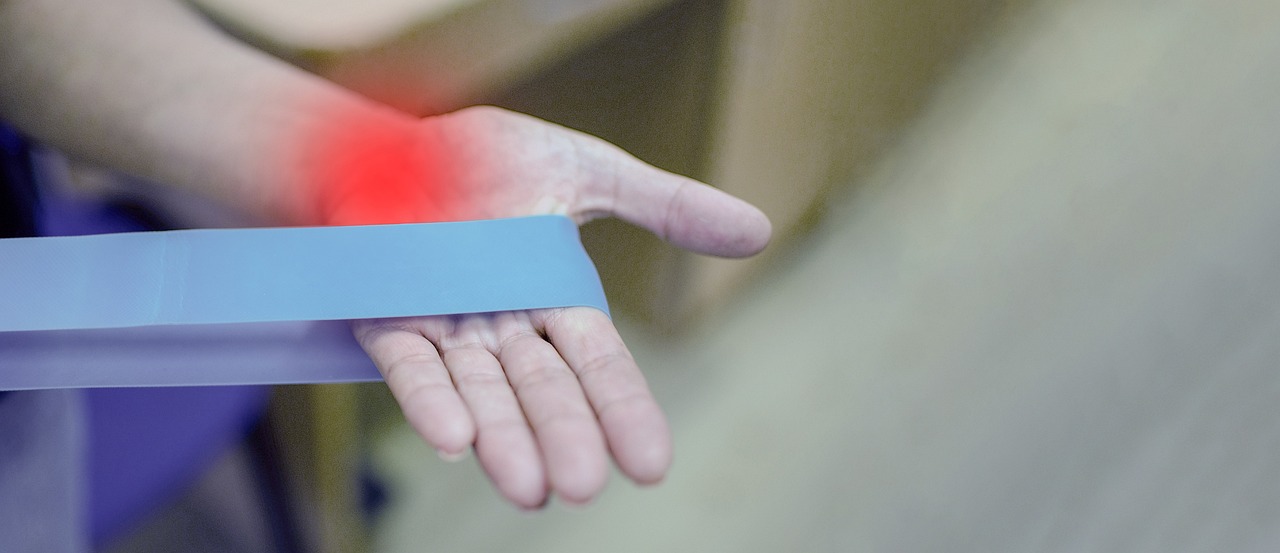
If your wrist feels stiff by mid-morning or your hand feels tired after normal tasks, this can be a repetitive strain pattern. Keyboard and mouse use, detailing work, texting, tools, even carrying a heavy bag the same way every day can add up. Some people also notice tingling that comes and goes. PT looks at how the wrist, forearm, and hand share load, and we address irritation without telling you to “just stop using it.”
Neck And Upper Back Strain From Long Sitting
This is the classic “desk pain,” but it doesn’t only come from office jobs. Anyone who looks down a lot can get it. The pain can feel like tight bands across the upper traps, soreness between the shoulder blades, or headaches that start at the base of the skull. People often shrug their shoulders without realizing it, especially when stressed or rushing. PT typically targets upper back mobility, posture habits you can actually keep, and strength for the muscles that hold the shoulder blades down and back, so your neck stops doing all the work.
Low Back Strain From Repeated Bending And Lifting
Low back strain often builds from the same motions done all day. Bending, twisting, lifting, pushing, and carrying. Sometimes it comes from “weekend warrior” projects, too. You clean the garage, then your back complains for a week. PT usually starts by figuring out which movements trigger symptoms, then we rebuild hip and core support so the back isn’t carrying the whole load.
Hip And Knee Strain From Repetitive Steps And Training Volume
We see this with runners, walkers, hikers, and people who do a lot of stairs at work. Sometimes it’s a hip pinch in the front of the joint. Sometimes it’s knee pain around the kneecap that flares on hills or after sitting. When the hips don’t move well or the glutes don’t support the leg, the knee often takes the hit. PT may focus on hip mobility, glute and leg strength, and movement coaching for squats, stairs, and gait.
Shoulder Strain From Repeated Reaching
This one shows up in busy, normal lives. Reaching into high cabinets, stocking shelves, lifting kids, painting a room, pressing at the gym. The shoulder starts to pinch, then you notice you avoid reaching because it just feels “wrong.” Night pain is common. So is that sharp catch when you put on a shirt or grab the seatbelt. PT usually starts by getting motion back without irritating the joint. Then we build support through the rotator cuff and the muscles that control the shoulder blade, so the shoulder stops getting shoved into the same painful position.
Elbow Strain From Gripping And Tool Use
Elbow strain often surprises people because it can feel small but it changes everything. You grab a coffee mug, it hurts. You twist a doorknob, it burns. You carry groceries and the outside of the elbow lights up. We see it in trades, restaurant work, warehouse jobs, and gym routines with lots of gripping. PT often focuses on graded tendon loading, forearm strength, and small technique changes so the tendon stops getting pulled on all day. We also look up the chain, because stiff shoulders and weak shoulder blade control can dump extra work into the elbow.
Wrist And Hand Strain From Keyboard And Repetition
If your wrist feels stiff by mid-morning or your hand feels tired after normal tasks, this can be a repetitive strain pattern. Keyboard and mouse use, detailing work, texting, tools, even carrying a heavy bag the same way every day can add up. Some people also notice tingling that comes and goes. PT looks at how the wrist, forearm, and hand share load, and we address irritation without telling you to “just stop using it.”
Neck And Upper Back Strain From Long Sitting
This is the classic “desk pain,” but it doesn’t only come from office jobs. Anyone who looks down a lot can get it. The pain can feel like tight bands across the upper traps, soreness between the shoulder blades, or headaches that start at the base of the skull. People often shrug their shoulders without realizing it, especially when stressed or rushing. PT typically targets upper back mobility, posture habits you can actually keep, and strength for the muscles that hold the shoulder blades down and back, so your neck stops doing all the work.
Low Back Strain From Repeated Bending And Lifting
Low back strain often builds from the same motions done all day. Bending, twisting, lifting, pushing, and carrying. Sometimes it comes from “weekend warrior” projects, too. You clean the garage, then your back complains for a week. PT usually starts by figuring out which movements trigger symptoms, then we rebuild hip and core support so the back isn’t carrying the whole load.
Hip And Knee Strain From Repetitive Steps And Training Volume
We see this with runners, walkers, hikers, and people who do a lot of stairs at work. Sometimes it’s a hip pinch in the front of the joint. Sometimes it’s knee pain around the kneecap that flares on hills or after sitting. When the hips don’t move well or the glutes don’t support the leg, the knee often takes the hit. PT may focus on hip mobility, glute and leg strength, and movement coaching for squats, stairs, and gait.
Mesa, AZ – Sports Medicine Treatment Services for Repetitive Strain Injuries
SYNOPSIS: This article covers the most common types of repetitive strain injuries and how sports medicine and PT address each one. Don't let repeated reaching and gripping ruin your day.
How Sports Medicine Can Help Your Strains
BY: Josh Adams, Modern Medicine of Mesa, AZ
Shoulder Strain From Repeated Reaching
This one shows up in busy, normal lives. Reaching into high cabinets, stocking shelves, lifting kids, painting a room, pressing at the gym. The shoulder starts to pinch, then you notice you avoid reaching because it just feels “wrong.” Night pain is common. So is that sharp catch when you put on a shirt or grab the seatbelt. PT usually starts by getting motion back without irritating the joint. Then we build support through the rotator cuff and the muscles that control the shoulder blade, so the shoulder stops getting shoved into the same painful position.
Elbow Strain From Gripping And Tool Use
Elbow strain often surprises people because it can feel small but it changes everything. You grab a coffee mug, it hurts. You twist a doorknob, it burns. You carry groceries and the outside of the elbow lights up. We see it in trades, restaurant work, warehouse jobs, and gym routines with lots of gripping. PT often focuses on graded tendon loading, forearm strength, and small technique changes so the tendon stops getting pulled on all day. We also look up the chain, because stiff shoulders and weak shoulder blade control can dump extra work into the elbow.
Wrist And Hand Strain From Keyboard And Repetition
If your wrist feels stiff by mid-morning or your hand feels tired after normal tasks, this can be a repetitive strain pattern. Keyboard and mouse use, detailing work, texting, tools, even carrying a heavy bag the same way every day can add up. Some people also notice tingling that comes and goes. PT looks at how the wrist, forearm, and hand share load, and we address irritation without telling you to “just stop using it.”
Neck And Upper Back Strain From Long Sitting
This is the classic “desk pain,” but it doesn’t only come from office jobs. Anyone who looks down a lot can get it. The pain can feel like tight bands across the upper traps, soreness between the shoulder blades, or headaches that start at the base of the skull. People often shrug their shoulders without realizing it, especially when stressed or rushing. PT typically targets upper back mobility, posture habits you can actually keep, and strength for the muscles that hold the shoulder blades down and back, so your neck stops doing all the work.
Low Back Strain From Repeated Bending And Lifting
Low back strain often builds from the same motions done all day. Bending, twisting, lifting, pushing, and carrying. Sometimes it comes from “weekend warrior” projects, too. You clean the garage, then your back complains for a week. PT usually starts by figuring out which movements trigger symptoms, then we rebuild hip and core support so the back isn’t carrying the whole load.
Hip And Knee Strain From Repetitive Steps And Training Volume
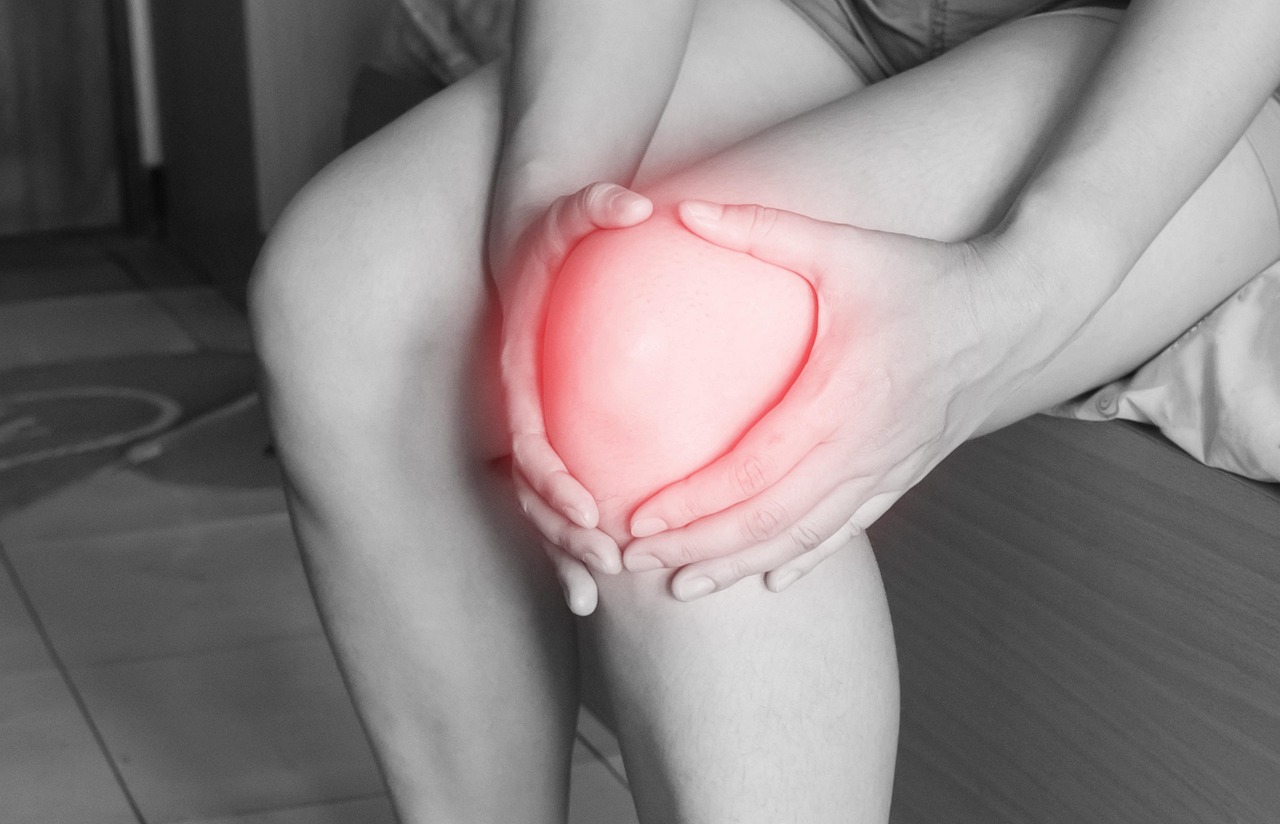
We see this with runners, walkers, hikers, and people who do a lot of stairs at work. Sometimes it’s a hip pinch in the front of the joint. Sometimes it’s knee pain around the kneecap that flares on hills or after sitting. When the hips don’t move well or the glutes don’t support the leg, the knee often takes the hit. PT may focus on hip mobility, glute and leg strength, and movement coaching for squats, stairs, and gait.