 A senior woman is suffering from a backache at home.[/caption]
What is Bursitis?
A bursa is a tiny fluid-filled sac that helps parts of your body move without irritation. When it swells, things shift. The joint feels sore. The area gets tender. Even leaning on it or pressing it the wrong way can spark pain. This can come from tight muscles, long periods of sitting, sudden increases in activity, or old movement habits that put strain on the joint. The body creates more fluid to protect the area, but that extra fluid is what makes things feel worse.
How Hip Bursitis Feels
Hip bursitis usually shows up on the outer side of the hip. The pain might shoot down the thigh or feel like pressure when you stand. Lying on one side can feel tough. Long walks can turn into a slow grind. Some people feel stiff in the lower back or tight in the glutes. It builds on itself. The more the surrounding muscles tense up, the more the bursa complains.
How Knee Bursitis Feels
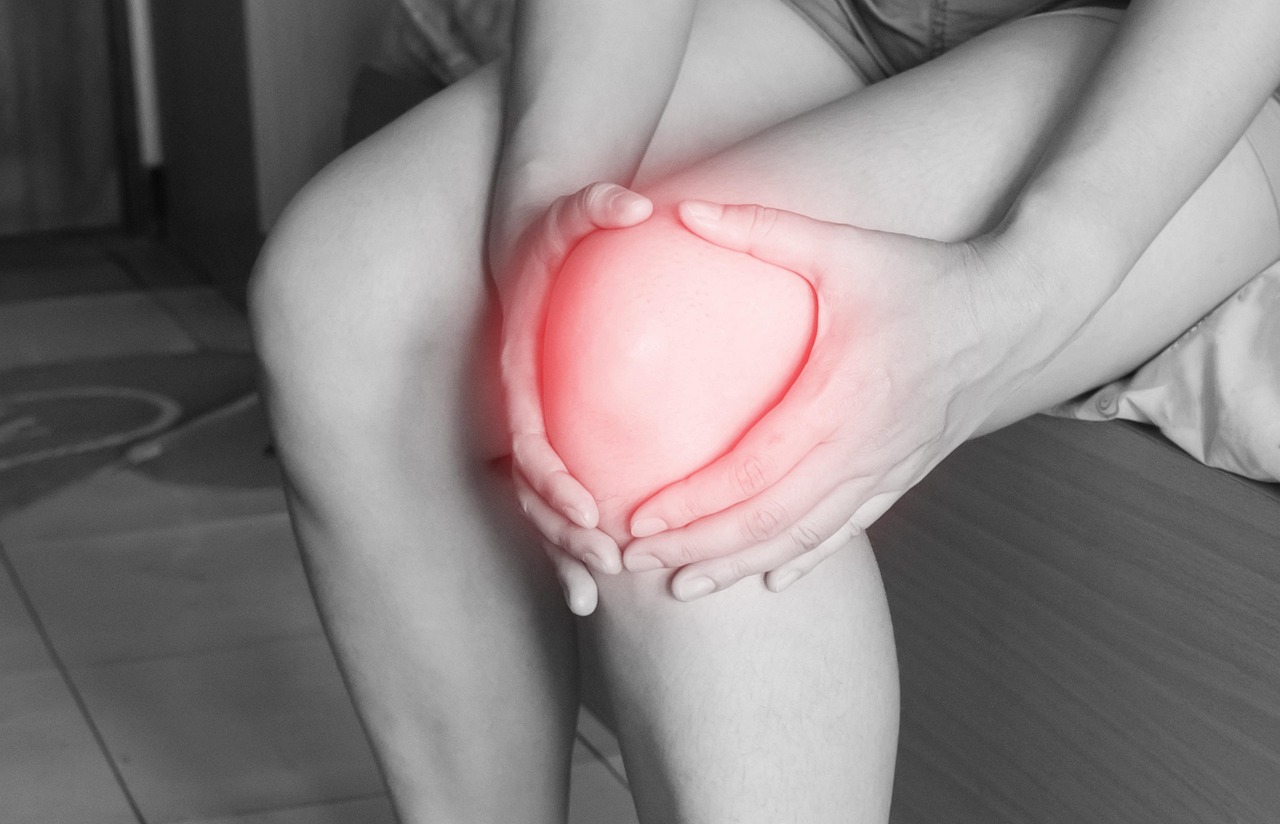
Knee bursitis has its own pattern. Some people feel pain above the kneecap. Others feel it below. For some, it sits on the inner side of the knee. You may see a bit of swelling or feel mild heat. Bending the knee can feel awkward. Kneeling can feel out of the question. Stairs may cause sharp pain. It hits the small things first, then spreads into everything you do during the day.
What Treatment Helps
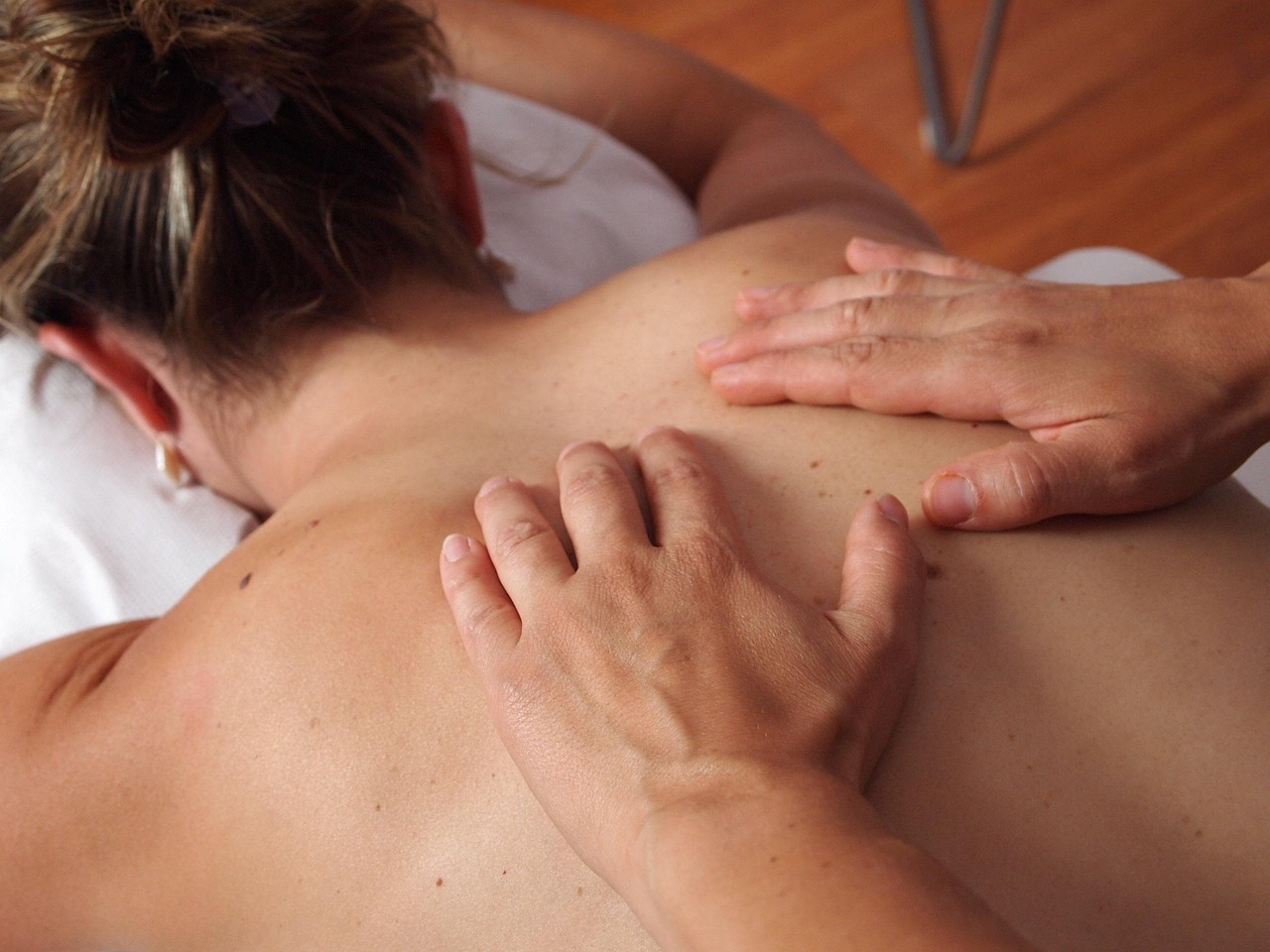
Early care aims to calm the irritation without shutting your body down. Light movement helps more than rest alone. Soft tissue work around the joint reduces tension. Simple strength work builds control. Mobility drills help restore smooth motion. Small daily shifts matter. How you sit. How you stand from a chair. How you walk during long days. These tweaks help the area settle down instead of staying locked in a cycle of swelling and soreness.
Why Physical Therapy Is Better Than Surgery For Most Cases
Most bursitis cases do not need surgery. Surgery treats the swollen bursa, but it does not fix the reasons it flared in the first place. Physical therapy focuses on those reasons. Weak muscles. Stiff joints. Movement patterns that overload the area. PT helps you learn what your body is doing and how to support it. This gives you a safer path with fewer risks. You get tools that work long after you leave the clinic. Surgery cannot do that.
How We Support Long-Term Relief
Bursitis improves when the joint moves well and stays supported. We help you notice early signs before they turn into full flare-ups. Maybe long car rides set things off. Maybe stairs trigger swelling. Maybe certain work tasks add stress you did not see before. We help you adjust so you can stay active without fear of setting things off again.
If your hip or knee pain slows you down, reach out to schedule your first visit. We will answer your questions and guide you toward steadier, calmer movement.
A senior woman is suffering from a backache at home.[/caption]
What is Bursitis?
A bursa is a tiny fluid-filled sac that helps parts of your body move without irritation. When it swells, things shift. The joint feels sore. The area gets tender. Even leaning on it or pressing it the wrong way can spark pain. This can come from tight muscles, long periods of sitting, sudden increases in activity, or old movement habits that put strain on the joint. The body creates more fluid to protect the area, but that extra fluid is what makes things feel worse.
How Hip Bursitis Feels
Hip bursitis usually shows up on the outer side of the hip. The pain might shoot down the thigh or feel like pressure when you stand. Lying on one side can feel tough. Long walks can turn into a slow grind. Some people feel stiff in the lower back or tight in the glutes. It builds on itself. The more the surrounding muscles tense up, the more the bursa complains.
How Knee Bursitis Feels
Knee bursitis has its own pattern. Some people feel pain above the kneecap. Others feel it below. For some, it sits on the inner side of the knee. You may see a bit of swelling or feel mild heat. Bending the knee can feel awkward. Kneeling can feel out of the question. Stairs may cause sharp pain. It hits the small things first, then spreads into everything you do during the day.
What Treatment Helps
Early care aims to calm the irritation without shutting your body down. Light movement helps more than rest alone. Soft tissue work around the joint reduces tension. Simple strength work builds control. Mobility drills help restore smooth motion. Small daily shifts matter. How you sit. How you stand from a chair. How you walk during long days. These tweaks help the area settle down instead of staying locked in a cycle of swelling and soreness.
Why Physical Therapy Is Better Than Surgery For Most Cases
Most bursitis cases do not need surgery. Surgery treats the swollen bursa, but it does not fix the reasons it flared in the first place. Physical therapy focuses on those reasons. Weak muscles. Stiff joints. Movement patterns that overload the area. PT helps you learn what your body is doing and how to support it. This gives you a safer path with fewer risks. You get tools that work long after you leave the clinic. Surgery cannot do that.
How We Support Long-Term Relief
Bursitis improves when the joint moves well and stays supported. We help you notice early signs before they turn into full flare-ups. Maybe long car rides set things off. Maybe stairs trigger swelling. Maybe certain work tasks add stress you did not see before. We help you adjust so you can stay active without fear of setting things off again.
If your hip or knee pain slows you down, reach out to schedule your first visit. We will answer your questions and guide you toward steadier, calmer movement.
Queen Creek, AZ - Understanding Bursitis in the Hip and Knee | Treatment Options
SYNOPSIS: This article covers what bursitis is, how it feels in the hip and knee, and why orthopedic physical therapy helps people move with less irritation and more control over themselves.
Hip And Knee Bursitis Care With Orthopedic PT Support
BY: Josh Adams, Modern Medicine of Mesa, AZ
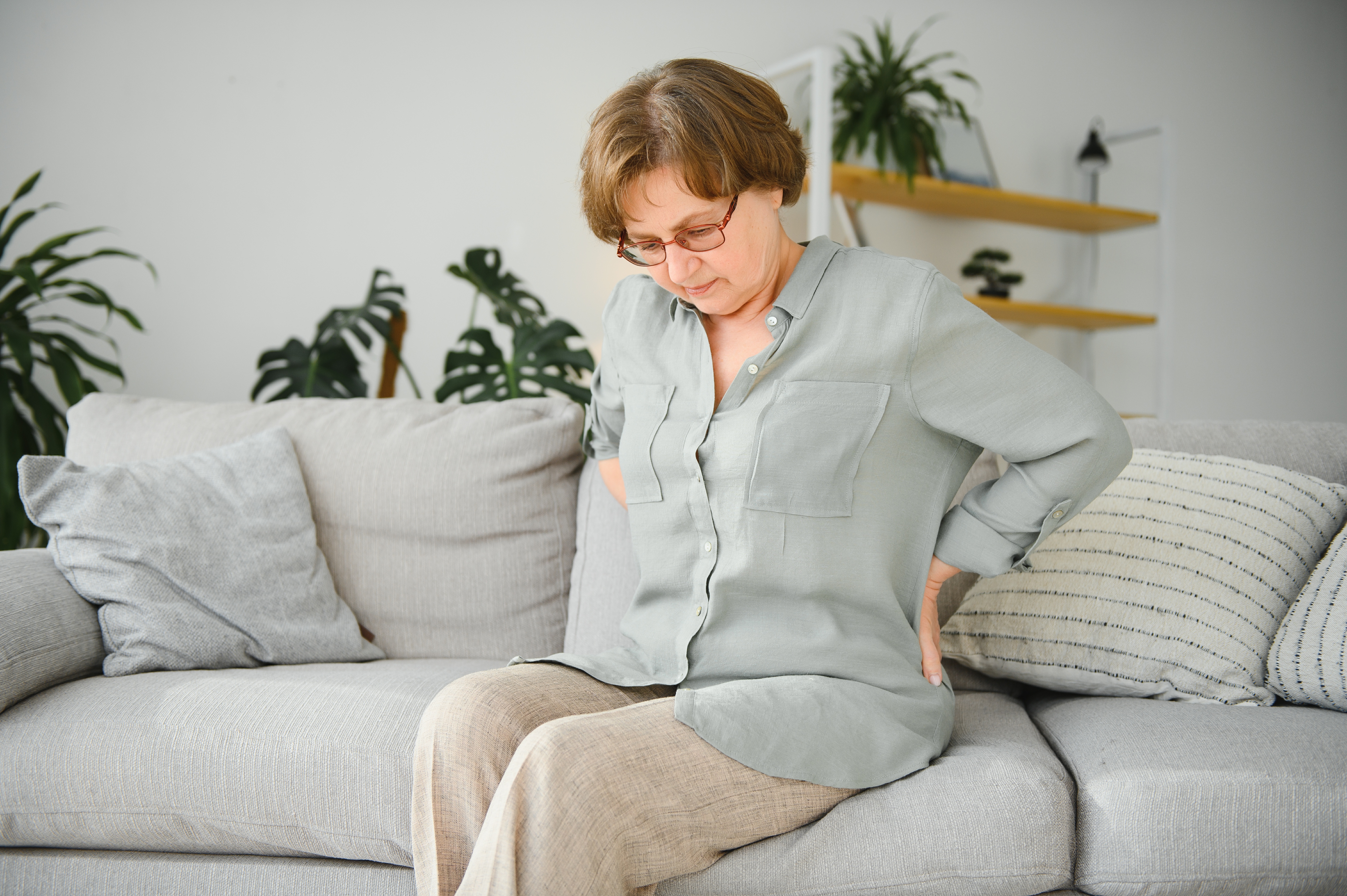
[caption id="attachment_3162" align="alignright" width="500"] A senior woman is suffering from a backache at home.[/caption]
What is Bursitis?
A bursa is a tiny fluid-filled sac that helps parts of your body move without irritation. When it swells, things shift. The joint feels sore. The area gets tender. Even leaning on it or pressing it the wrong way can spark pain. This can come from tight muscles, long periods of sitting, sudden increases in activity, or old movement habits that put strain on the joint. The body creates more fluid to protect the area, but that extra fluid is what makes things feel worse.
How Hip Bursitis Feels
Hip bursitis usually shows up on the outer side of the hip. The pain might shoot down the thigh or feel like pressure when you stand. Lying on one side can feel tough. Long walks can turn into a slow grind. Some people feel stiff in the lower back or tight in the glutes. It builds on itself. The more the surrounding muscles tense up, the more the bursa complains.
How Knee Bursitis Feels
Knee bursitis has its own pattern. Some people feel pain above the kneecap. Others feel it below. For some, it sits on the inner side of the knee. You may see a bit of swelling or feel mild heat. Bending the knee can feel awkward. Kneeling can feel out of the question. Stairs may cause sharp pain. It hits the small things first, then spreads into everything you do during the day.
What Treatment Helps
Early care aims to calm the irritation without shutting your body down. Light movement helps more than rest alone. Soft tissue work around the joint reduces tension. Simple strength work builds control. Mobility drills help restore smooth motion. Small daily shifts matter. How you sit. How you stand from a chair. How you walk during long days. These tweaks help the area settle down instead of staying locked in a cycle of swelling and soreness.
Why Physical Therapy Is Better Than Surgery For Most Cases
Most bursitis cases do not need surgery. Surgery treats the swollen bursa, but it does not fix the reasons it flared in the first place. Physical therapy focuses on those reasons. Weak muscles. Stiff joints. Movement patterns that overload the area. PT helps you learn what your body is doing and how to support it. This gives you a safer path with fewer risks. You get tools that work long after you leave the clinic. Surgery cannot do that.
How We Support Long-Term Relief
Bursitis improves when the joint moves well and stays supported. We help you notice early signs before they turn into full flare-ups. Maybe long car rides set things off. Maybe stairs trigger swelling. Maybe certain work tasks add stress you did not see before. We help you adjust so you can stay active without fear of setting things off again.
If your hip or knee pain slows you down, reach out to schedule your first visit. We will answer your questions and guide you toward steadier, calmer movement.
A senior woman is suffering from a backache at home.[/caption]
What is Bursitis?
A bursa is a tiny fluid-filled sac that helps parts of your body move without irritation. When it swells, things shift. The joint feels sore. The area gets tender. Even leaning on it or pressing it the wrong way can spark pain. This can come from tight muscles, long periods of sitting, sudden increases in activity, or old movement habits that put strain on the joint. The body creates more fluid to protect the area, but that extra fluid is what makes things feel worse.
How Hip Bursitis Feels
Hip bursitis usually shows up on the outer side of the hip. The pain might shoot down the thigh or feel like pressure when you stand. Lying on one side can feel tough. Long walks can turn into a slow grind. Some people feel stiff in the lower back or tight in the glutes. It builds on itself. The more the surrounding muscles tense up, the more the bursa complains.
How Knee Bursitis Feels
Knee bursitis has its own pattern. Some people feel pain above the kneecap. Others feel it below. For some, it sits on the inner side of the knee. You may see a bit of swelling or feel mild heat. Bending the knee can feel awkward. Kneeling can feel out of the question. Stairs may cause sharp pain. It hits the small things first, then spreads into everything you do during the day.
What Treatment Helps
Early care aims to calm the irritation without shutting your body down. Light movement helps more than rest alone. Soft tissue work around the joint reduces tension. Simple strength work builds control. Mobility drills help restore smooth motion. Small daily shifts matter. How you sit. How you stand from a chair. How you walk during long days. These tweaks help the area settle down instead of staying locked in a cycle of swelling and soreness.
Why Physical Therapy Is Better Than Surgery For Most Cases
Most bursitis cases do not need surgery. Surgery treats the swollen bursa, but it does not fix the reasons it flared in the first place. Physical therapy focuses on those reasons. Weak muscles. Stiff joints. Movement patterns that overload the area. PT helps you learn what your body is doing and how to support it. This gives you a safer path with fewer risks. You get tools that work long after you leave the clinic. Surgery cannot do that.
How We Support Long-Term Relief
Bursitis improves when the joint moves well and stays supported. We help you notice early signs before they turn into full flare-ups. Maybe long car rides set things off. Maybe stairs trigger swelling. Maybe certain work tasks add stress you did not see before. We help you adjust so you can stay active without fear of setting things off again.
If your hip or knee pain slows you down, reach out to schedule your first visit. We will answer your questions and guide you toward steadier, calmer movement.