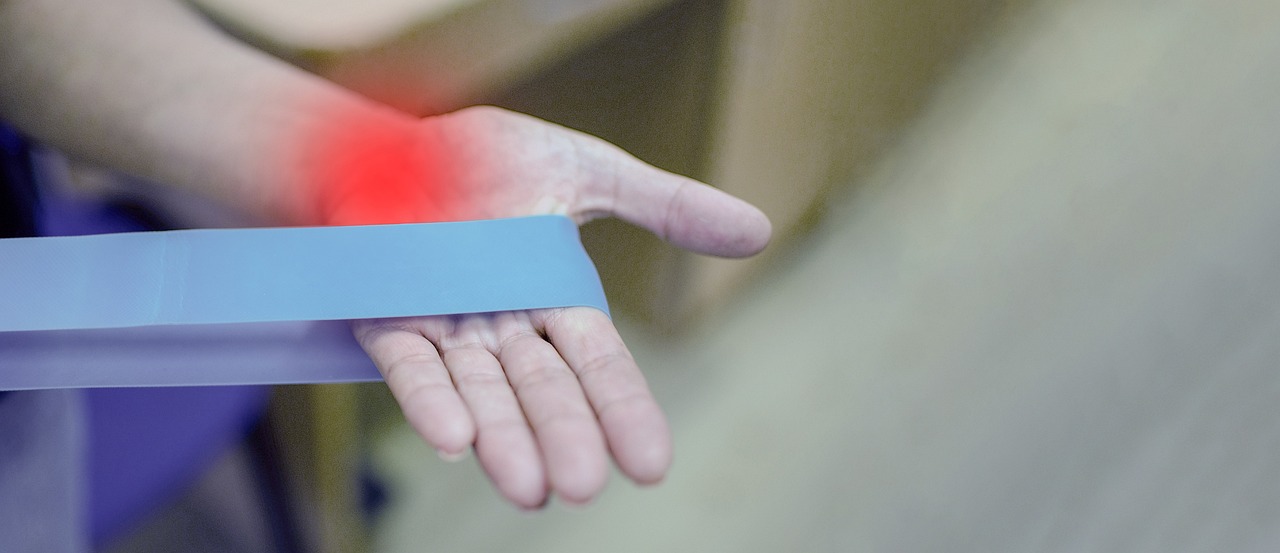
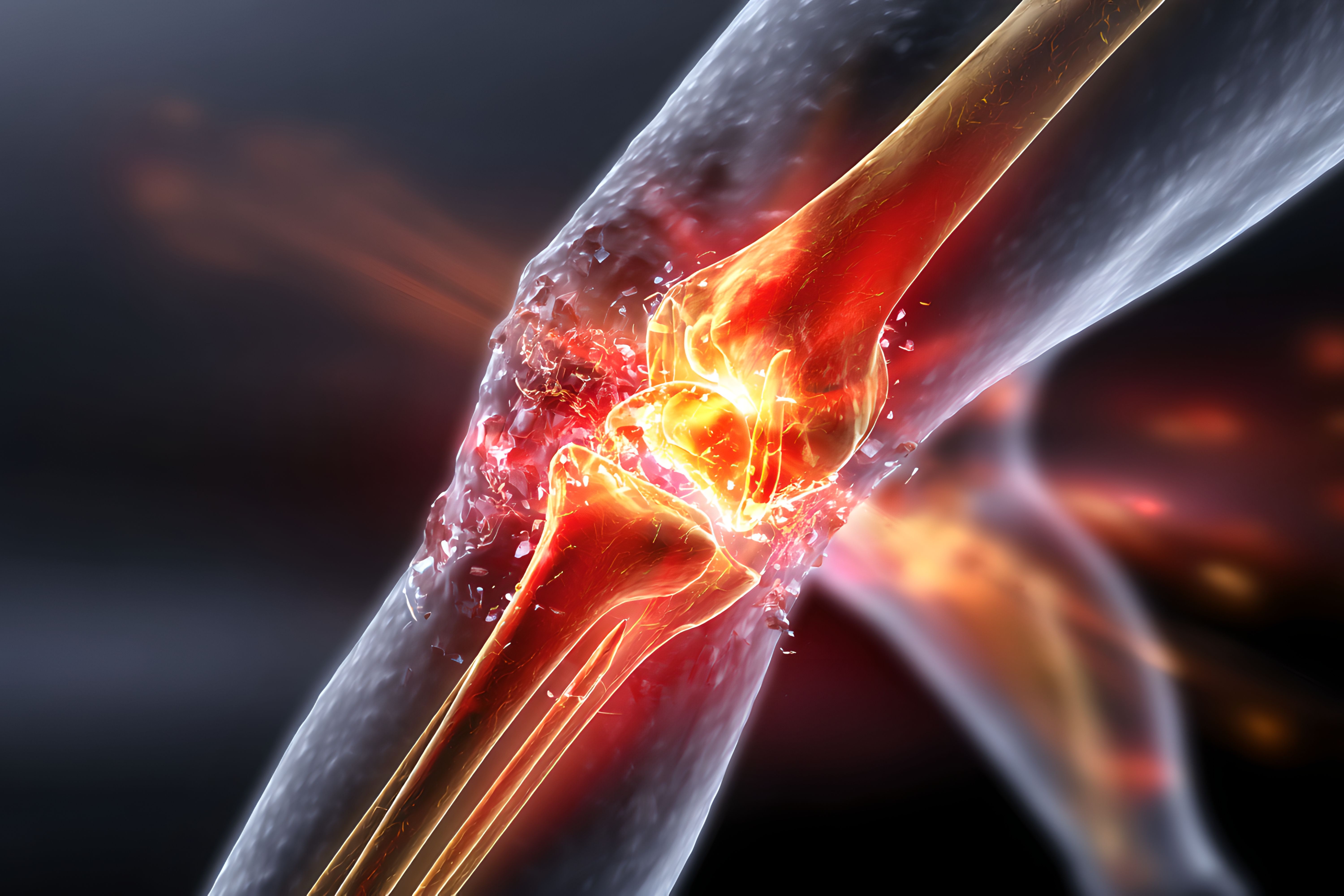
 Chronic joint pain can wear you down. Some days feel smooth. Other days feel heavy or sharp. Pain may sit in one spot or spread through nearby muscles. You might notice stiffness when you wake up. You might feel weak when you climb stairs or lift simple items. These patterns build over time and make everyday tasks harder than they should be.
What Chronic Joint Pain Often Looks Like
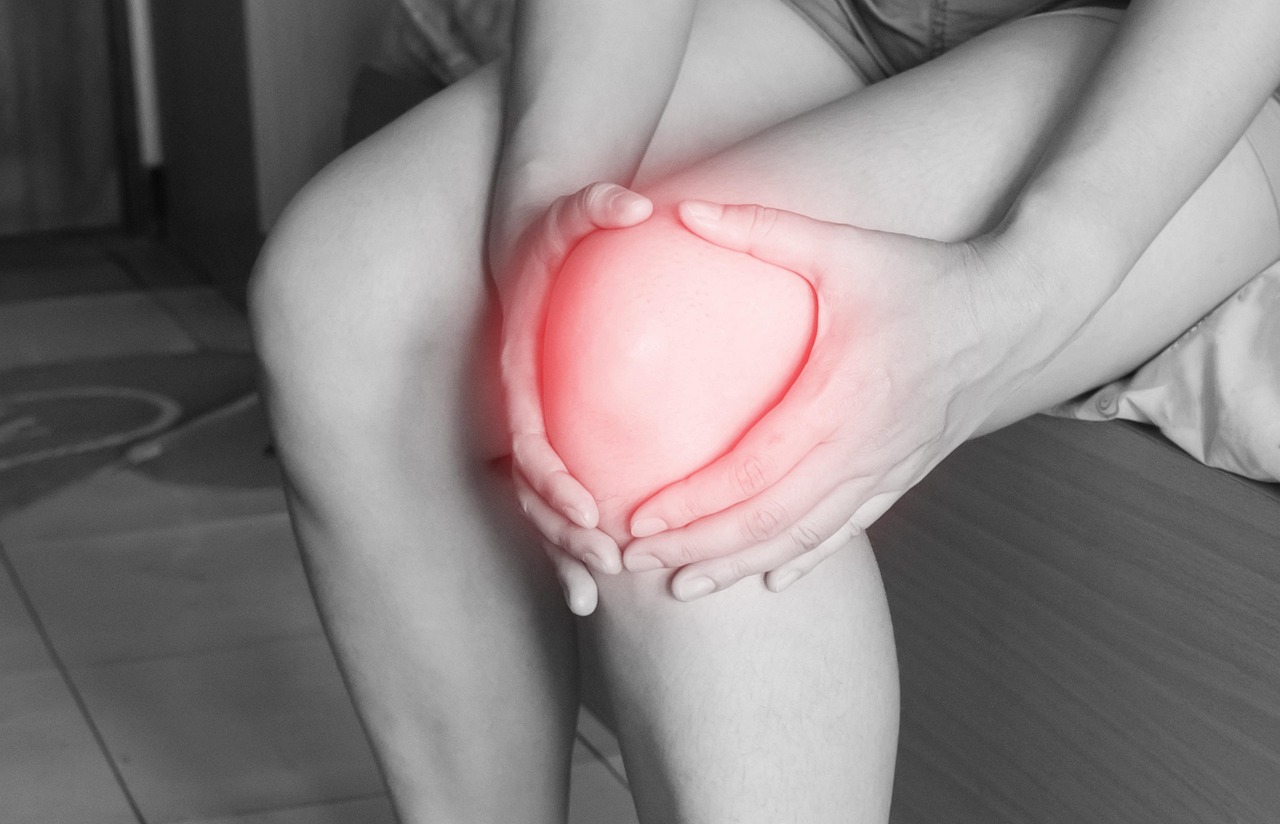
Chronic pain develops slowly. It can follow an old injury. It can start after long months of strain at work. It can be caused by arthritis or muscle tension around the joint. Many people feel swelling after activity. Others feel sharp pain during simple motions. Some notice grinding or clicking. You may shift your posture to avoid discomfort. That shift creates new stress points. The problem spreads. Each small change affects how the joint functions day to day.
Why Non-Surgical Care Matters
Not every joint problem needs surgery. Many issues come from movement patterns, stiffness, or muscle imbalance. A non-surgical orthopedic plan helps identify these patterns. We check joint strength. We test mobility. We watch how your body reacts to basic tasks. This approach helps us target the true source instead of chasing surface pain that keeps shifting. You gain a clearer view of what your joint needs and what steps help it calm down.
How Physical Therapy Supports Relief
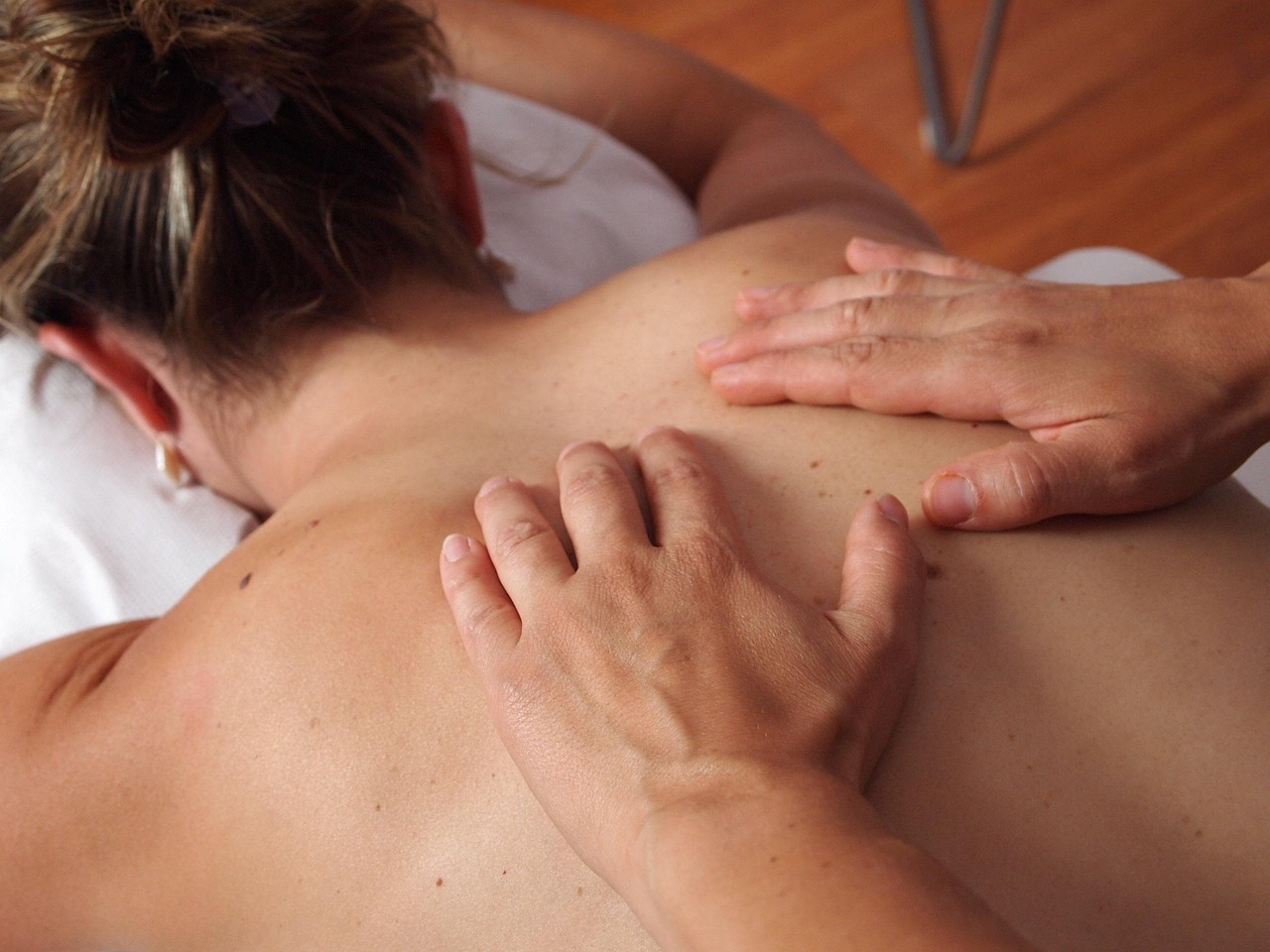
Physical therapy focuses on movement quality. Gentle joint work can reduce tension. Soft tissue work calms tight muscles that protect the joint too much. Strength training builds stability so the joint moves with less strain. You also learn practical habits to support your week. Simple posture changes. Better pacing during long days. Safe ways to stretch without irritating the area. These tools help reduce flare-ups and improve control.
What Treatment Looks Like With Us
Your first visit stays focused and calm. We talk through your pain story. When it started. What worsens it. What you hope to do again without hesitation. We check your range of motion and strength. We test nearby muscles. We note how the joint responds to pressure and movement. Once we understand the full pattern, we build your plan. It may include mobility work, soft tissue care, strength training, or movement retraining. Each session supports steady change without overwhelming your body.
How We Support Long-Term Progress
Chronic joint pain responds well to consistent work. Your plan teaches you what triggers look like and how to manage them early. Some people notice pain after long hours at a desk. Others feel it after long walks or busy days with a lot of lifting. We help you see these patterns so you can adjust before pain spikes. Long-term relief grows from awareness, steady movement, and a plan that fits your daily life.
If joint pain affects how you move, rest, or work, we are here to guide you. Reach out to schedule your first visit. We will answer your questions and help you take the first step toward calmer, steadier movement.
Chronic joint pain can wear you down. Some days feel smooth. Other days feel heavy or sharp. Pain may sit in one spot or spread through nearby muscles. You might notice stiffness when you wake up. You might feel weak when you climb stairs or lift simple items. These patterns build over time and make everyday tasks harder than they should be.
What Chronic Joint Pain Often Looks Like
Chronic pain develops slowly. It can follow an old injury. It can start after long months of strain at work. It can be caused by arthritis or muscle tension around the joint. Many people feel swelling after activity. Others feel sharp pain during simple motions. Some notice grinding or clicking. You may shift your posture to avoid discomfort. That shift creates new stress points. The problem spreads. Each small change affects how the joint functions day to day.
Why Non-Surgical Care Matters
Not every joint problem needs surgery. Many issues come from movement patterns, stiffness, or muscle imbalance. A non-surgical orthopedic plan helps identify these patterns. We check joint strength. We test mobility. We watch how your body reacts to basic tasks. This approach helps us target the true source instead of chasing surface pain that keeps shifting. You gain a clearer view of what your joint needs and what steps help it calm down.
How Physical Therapy Supports Relief
Physical therapy focuses on movement quality. Gentle joint work can reduce tension. Soft tissue work calms tight muscles that protect the joint too much. Strength training builds stability so the joint moves with less strain. You also learn practical habits to support your week. Simple posture changes. Better pacing during long days. Safe ways to stretch without irritating the area. These tools help reduce flare-ups and improve control.
What Treatment Looks Like With Us
Your first visit stays focused and calm. We talk through your pain story. When it started. What worsens it. What you hope to do again without hesitation. We check your range of motion and strength. We test nearby muscles. We note how the joint responds to pressure and movement. Once we understand the full pattern, we build your plan. It may include mobility work, soft tissue care, strength training, or movement retraining. Each session supports steady change without overwhelming your body.
How We Support Long-Term Progress
Chronic joint pain responds well to consistent work. Your plan teaches you what triggers look like and how to manage them early. Some people notice pain after long hours at a desk. Others feel it after long walks or busy days with a lot of lifting. We help you see these patterns so you can adjust before pain spikes. Long-term relief grows from awareness, steady movement, and a plan that fits your daily life.
If joint pain affects how you move, rest, or work, we are here to guide you. Reach out to schedule your first visit. We will answer your questions and help you take the first step toward calmer, steadier movement.
Mesa, AZ - How Non-Surgical Orthopedic Services Can Help Chronic Joint Pain
SYNOPSIS: This article covers what chronic joint pain looks like, why symptoms linger, and how non-surgical orthopedic care at Modern Medicine of Mesa, AZ supports steady, predictable progress.
Non-Surgical Care For Ongoing Joint Pain Support
BY: Josh Adams, Modern Medicine of Mesa, AZ
Chronic joint pain can wear you down. Some days feel smooth. Other days feel heavy or sharp. Pain may sit in one spot or spread through nearby muscles. You might notice stiffness when you wake up. You might feel weak when you climb stairs or lift simple items. These patterns build over time and make everyday tasks harder than they should be.
What Chronic Joint Pain Often Looks Like
Chronic pain develops slowly. It can follow an old injury. It can start after long months of strain at work. It can be caused by arthritis or muscle tension around the joint. Many people feel swelling after activity. Others feel sharp pain during simple motions. Some notice grinding or clicking. You may shift your posture to avoid discomfort. That shift creates new stress points. The problem spreads. Each small change affects how the joint functions day to day.
Why Non-Surgical Care Matters
Not every joint problem needs surgery. Many issues come from movement patterns, stiffness, or muscle imbalance. A non-surgical orthopedic plan helps identify these patterns. We check joint strength. We test mobility. We watch how your body reacts to basic tasks. This approach helps us target the true source instead of chasing surface pain that keeps shifting. You gain a clearer view of what your joint needs and what steps help it calm down.
How Physical Therapy Supports Relief
Physical therapy focuses on movement quality. Gentle joint work can reduce tension. Soft tissue work calms tight muscles that protect the joint too much. Strength training builds stability so the joint moves with less strain. You also learn practical habits to support your week. Simple posture changes. Better pacing during long days. Safe ways to stretch without irritating the area. These tools help reduce flare-ups and improve control.
What Treatment Looks Like With Us
Your first visit stays focused and calm. We talk through your pain story. When it started. What worsens it. What you hope to do again without hesitation. We check your range of motion and strength. We test nearby muscles. We note how the joint responds to pressure and movement. Once we understand the full pattern, we build your plan. It may include mobility work, soft tissue care, strength training, or movement retraining. Each session supports steady change without overwhelming your body.
How We Support Long-Term Progress
Chronic joint pain responds well to consistent work. Your plan teaches you what triggers look like and how to manage them early. Some people notice pain after long hours at a desk. Others feel it after long walks or busy days with a lot of lifting. We help you see these patterns so you can adjust before pain spikes. Long-term relief grows from awareness, steady movement, and a plan that fits your daily life.
If joint pain affects how you move, rest, or work, we are here to guide you. Reach out to schedule your first visit. We will answer your questions and help you take the first step toward calmer, steadier movement.