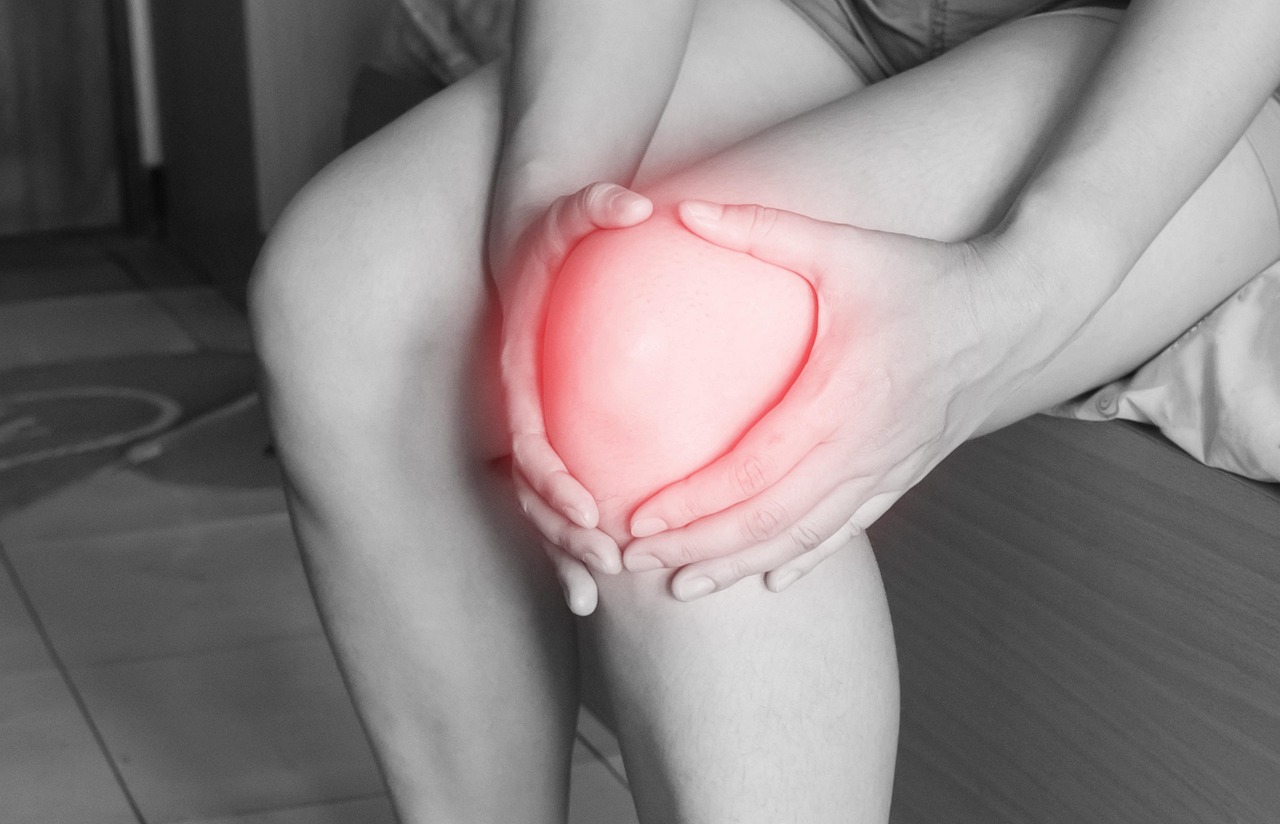
Osteoporosis makes bones thinner, weaker, and more likely to break. Some find out after a small accident. Others hear it at a checkup and think, “That can’t be right, I feel fine.” The fear sets in quickly. Stairs feel dangerous. A crowded store feels risky. Even bending to pick up a dropped shoe makes people pause.
That fear usually leads to less movement. Less walking. Less exercise. Fewer of the things that actually keep muscles and balance strong. It’s a cycle, and not a good one.
What Therapy Actually Looks Like
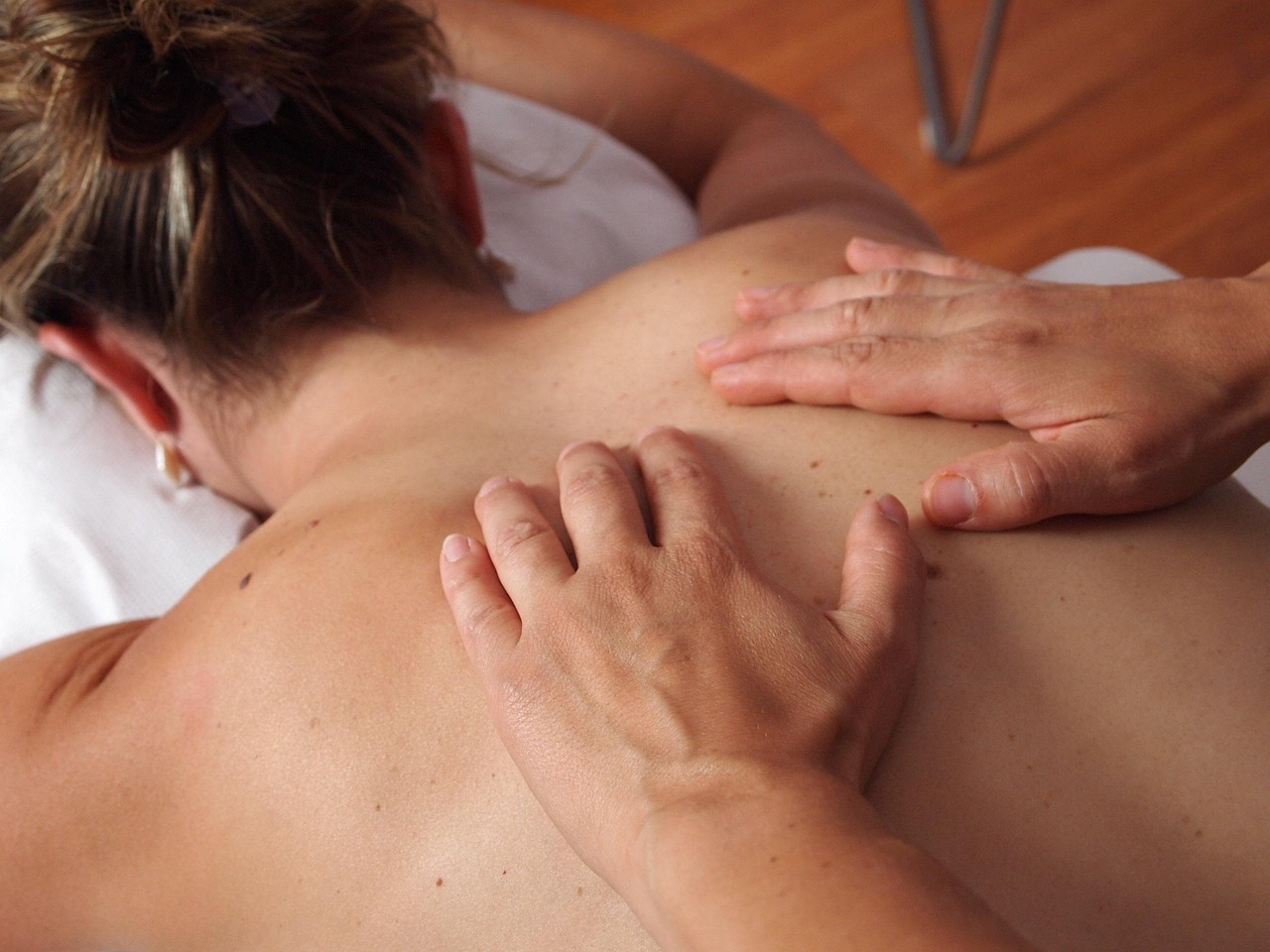
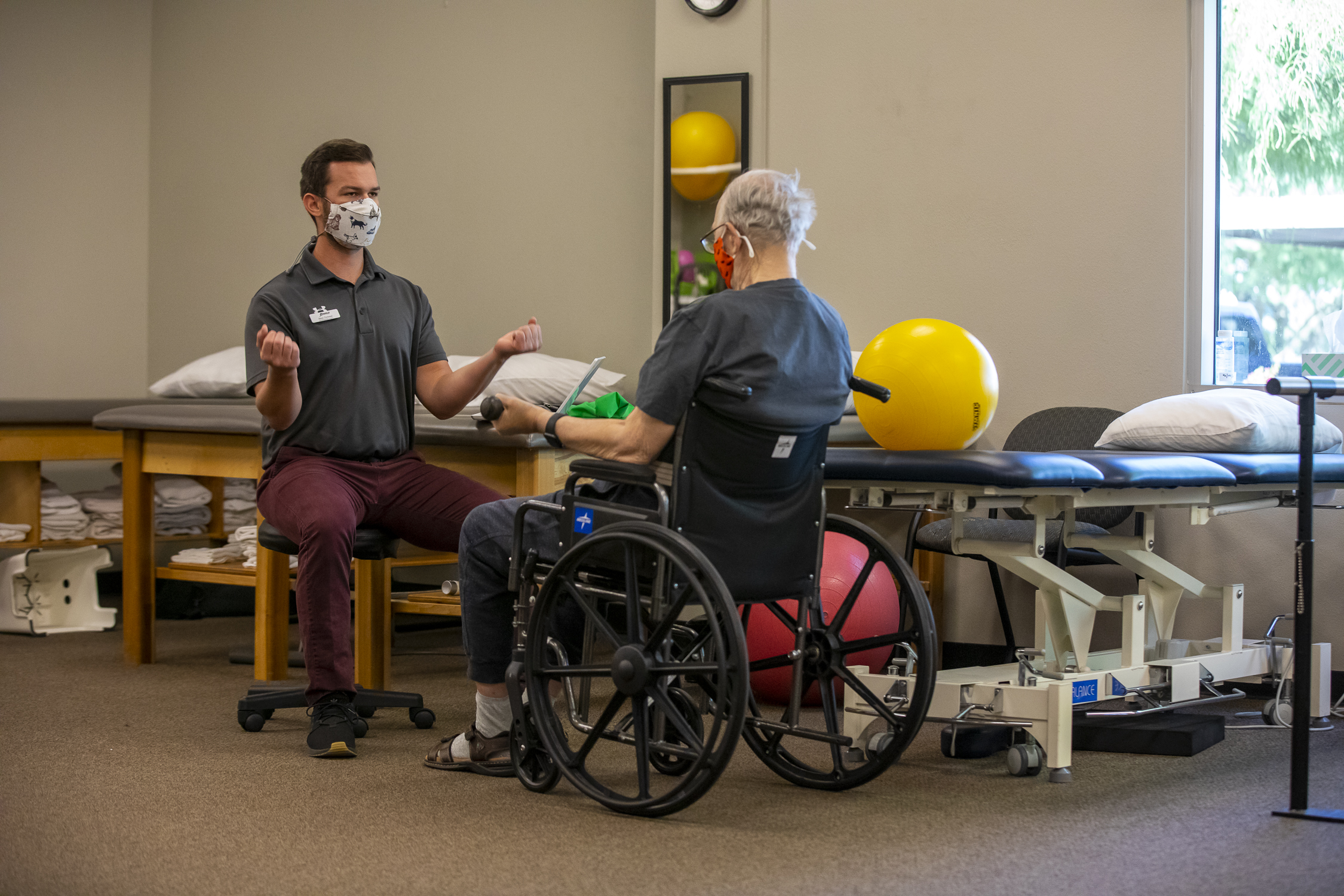
Physical therapy breaks that cycle. It’s not about intense workouts. It’s about safe, steady practice that keeps bones and muscles working without pushing too far.
A few things you might see in a session:
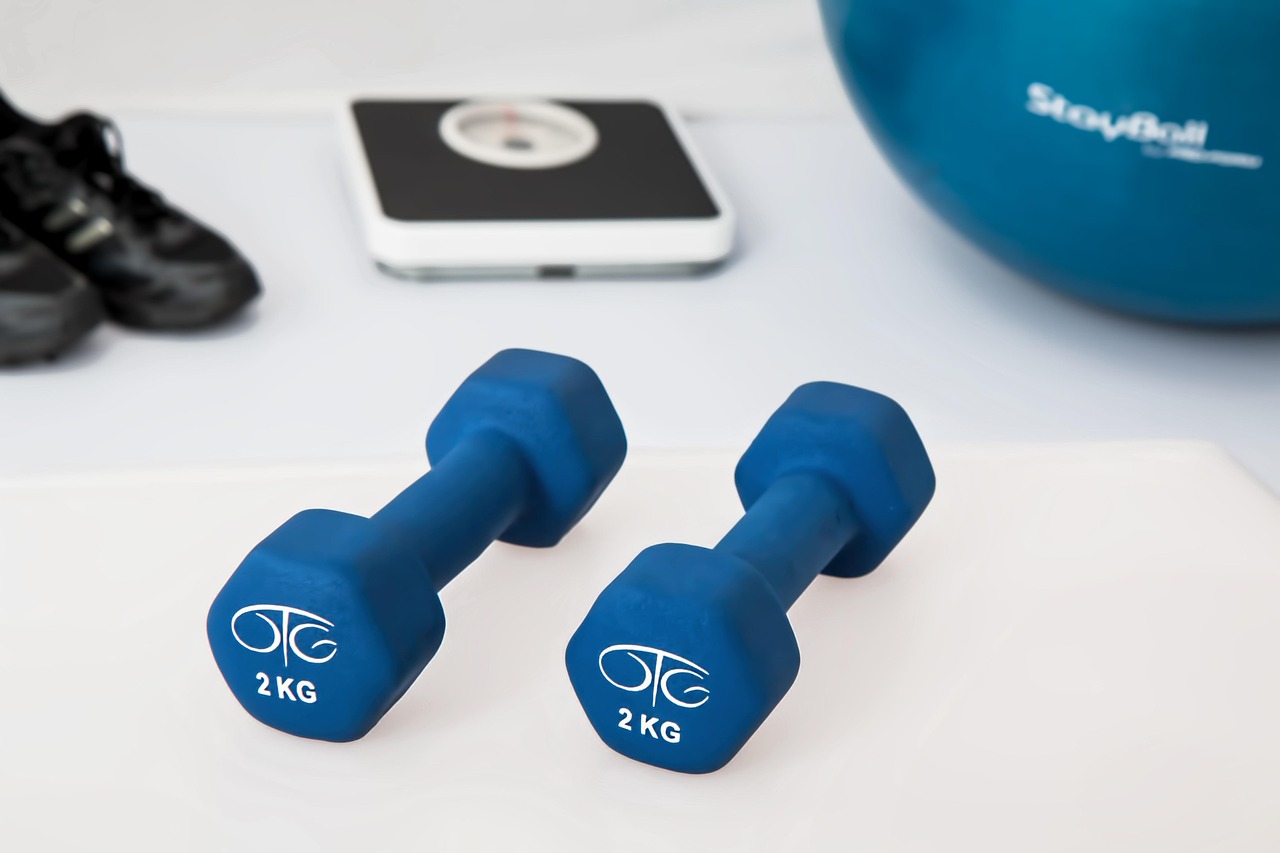
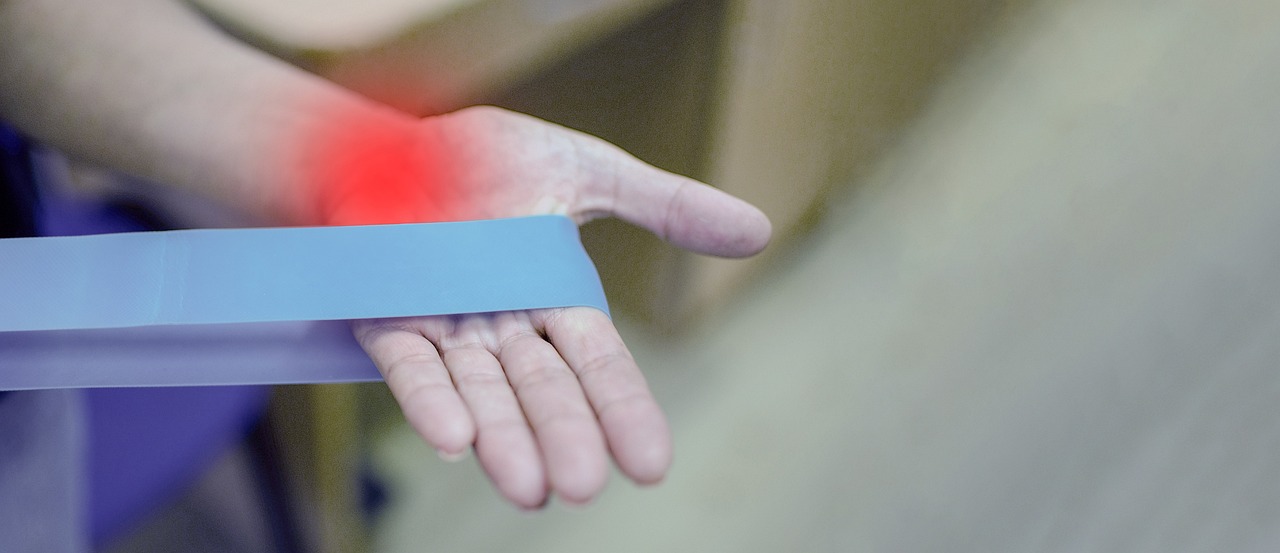
- Small weights or bands, just enough to keep muscles awake
- Balance practice, like heel-to-toe walking or shifting weight side to side
- Posture work, training the spine to sit and stand straighter
- Gentle stretches for hips, shoulders, and ankles, so movement doesn’t feel stiff
Plans aren’t one-size-fits-all. A younger patient with early bone loss won’t train like someone who’s had a fracture. Therapy adapts to where you are right now.
Little Wins That Build Up
Progress isn’t a sudden “wow.” It shows up in small, steady ways.
- Standing at the sink without back pain creeping in.
- Walking across the parking lot without stopping to rest.
- Carrying groceries inside without worrying about tripping.
- Going up stairs with less fear of falling.
These little things matter. They make life feel manageable again. And once confidence grows, people move more. More movement means stronger muscles, better balance, and a lower chance of breaking bones.
Why Doing Nothing Makes It Worse
It’s tempting to think the safest move is sitting still. If you don’t risk anything, you won’t get hurt, right? Not quite. Sitting too much weakens muscles, shrinks bone density faster, and slows down balance reactions. Then the smallest stumble can lead to a fracture. Therapy interrupts that spiral. It shows safe ways to move so your body stays prepared.
The Mental Weight Of Fragile Bones
Osteoporosis isn’t only physical. It takes a toll on the mind, too. Worry about tripping. Worry about coughing too hard. Worry about bending wrong. That constant tension makes people avoid things they once enjoyed. Therapy helps calm that by teaching safe movements, setting clear limits, and showing progress week to week.
Everyday Habits That Help
Therapists don’t just work on exercises. They point out daily habits that support bone health:
- Wear supportive shoes to lower slip risks
- Get rid of loose rugs, improve lighting at home
- Add short stretch breaks if you sit too long
- Keep up with calcium and vitamin D (food or supplements if needed)
- Check pillow and mattress support so your spine isn’t strained overnight
These sound small, but they’re practical changes that reduce stress on fragile bones.
Find Help at Modern Medicine of Mesa, AZ
Osteoporosis doesn’t mean giving up independence. At Modern Medicine of Mesa, AZ, we work with patients in Queen Creek on strength, posture, and safer movement. With steady therapy and simple home habits, fragile bones don’t have to control daily life. If you’re worried about falling or feel weaker than you used to, call us today. Let’s build a plan that makes you stronger and steadier.