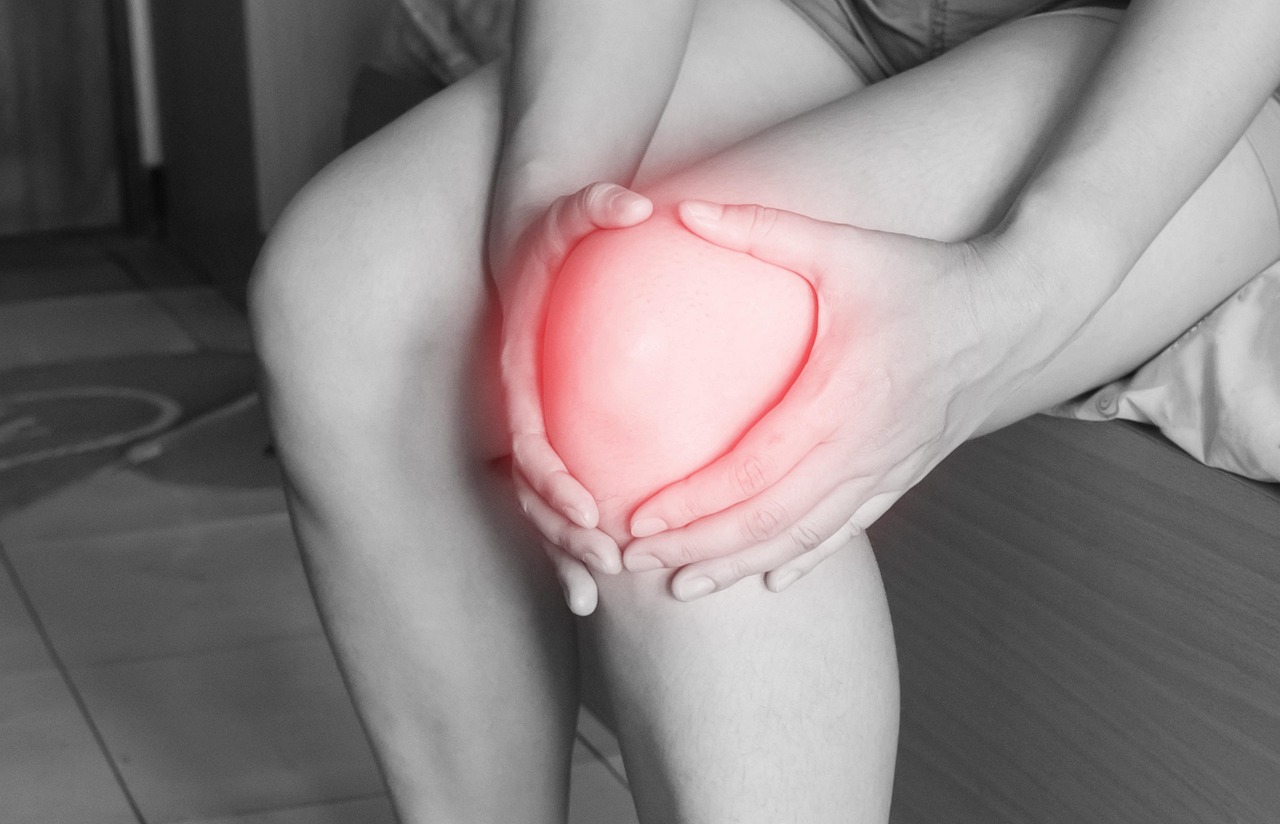
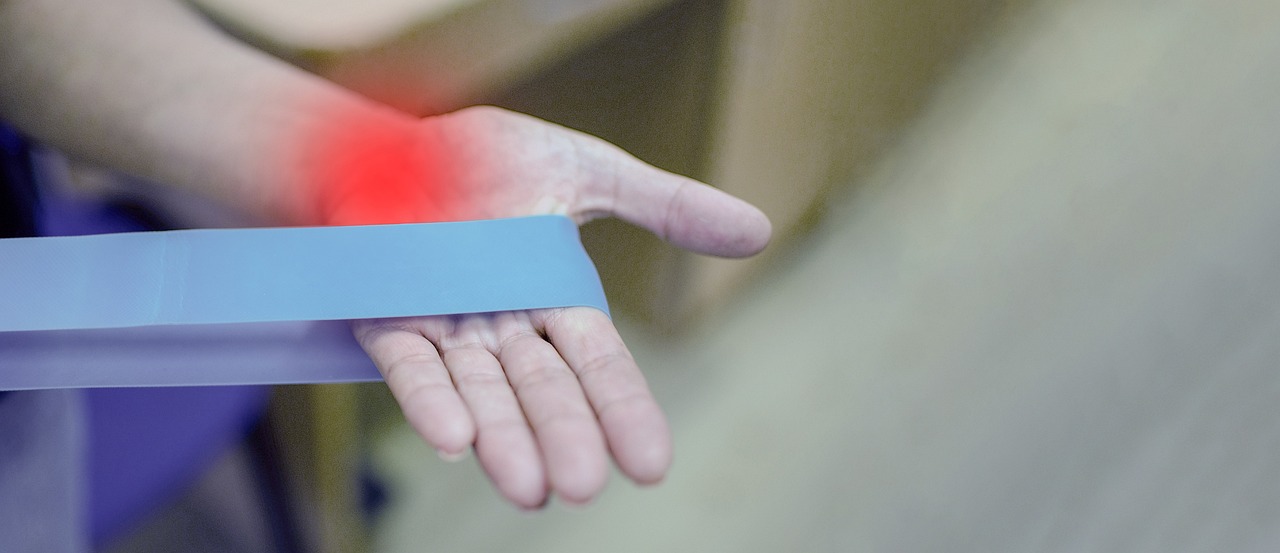
 That nagging ache in your shoulder after workouts. The stiffness in your knees when you get out of the car. That sharp elbow pain that makes typing or lifting something small suddenly feel like a big deal. These are common signs of tendonitis or joint inflammation.
What’s Actually Happening Inside the Tissue
Tendonitis is the body’s response to overload. Tiny fibers within the tendon break down faster than they repair. Instead of growing stronger with use, they swell, stiffen, and eventually stop tolerating even routine movement. Joint inflammation works a little differently. It often involves irritation of the synovial lining, cartilage stress, or ligament fatigue.
How an Assessment Helps
A quality evaluation looks far beyond the irritated area. If your Achilles hurts, the real culprit could be stiff hips or unstable foot mechanics. If your elbow’s flaring up, there’s a good chance your shoulder or thoracic spine is involved. Orthopedic clinicians use joint testing, strength screening, and functional movement assessments to trace the pain back to its origin.
Why the Fix Isn’t Just Ice and Rest
If you’ve had tendon or joint pain before, you’ve probably heard this advice: rest, ice, anti-inflammatories. And maybe it helped for a little while. But tissues that stop moving don’t get stronger. Tendons, especially, need load. Controlled stress is what tells the tissue how to rebuild and handle more.
That’s why treatment often starts with isometric holds. Then, eccentric loading. Then progressive, full-range strengthening. Joint-focused treatment may involve mobility work, capsule decompression, or low-load activation drills to restore movement without further aggravation.
Load Management Beats Total Shutdown
Load management means modifying how much force a tissue experiences, not eliminating it altogether. Maybe it’s changing how deep you squat. Or shifting how you grip a barbell. Or adjusting stride length, cadence, or footwear. Smart movement rehab works with your sport, your job, and your life. The goal is to keep your body active while putting pressure off the structure that’s failing. That way, healing happens without total deconditioning.
Real Recovery Means Future-Proofing
Once the pain fades, the real question becomes: how do you keep it from coming back? That’s where long-term correction comes in. Strengthening the right support muscles. Re-training faulty movement patterns. Fixing posture. Dial in warm-ups and recovery routines so your tissues don’t fall behind again.
For tendonitis and joint inflammation, this is where most people miss the mark. They stop too soon. The pain goes away, but the mechanics don’t improve. So the flare-up returns. And every time it comes back, it’s a little harder to manage. Orthopedic care that includes follow-through makes a big difference here.
When to Go Beyond Conservative Care
Most people recover well with targeted therapy. But sometimes symptoms persist. If you’re dealing with joint pain that won’t quit or tendon irritation that keeps flaring up, don’t wait for it to get worse. At Modern Physical Therapy & Sports Medicine of East Mesa, AZ, we help patients uncover the root of their pain and fix it with movement-focused care that actually works. Schedule your evaluation today and find out what your body is trying to tell
That nagging ache in your shoulder after workouts. The stiffness in your knees when you get out of the car. That sharp elbow pain that makes typing or lifting something small suddenly feel like a big deal. These are common signs of tendonitis or joint inflammation.
What’s Actually Happening Inside the Tissue
Tendonitis is the body’s response to overload. Tiny fibers within the tendon break down faster than they repair. Instead of growing stronger with use, they swell, stiffen, and eventually stop tolerating even routine movement. Joint inflammation works a little differently. It often involves irritation of the synovial lining, cartilage stress, or ligament fatigue.
How an Assessment Helps
A quality evaluation looks far beyond the irritated area. If your Achilles hurts, the real culprit could be stiff hips or unstable foot mechanics. If your elbow’s flaring up, there’s a good chance your shoulder or thoracic spine is involved. Orthopedic clinicians use joint testing, strength screening, and functional movement assessments to trace the pain back to its origin.
Why the Fix Isn’t Just Ice and Rest
If you’ve had tendon or joint pain before, you’ve probably heard this advice: rest, ice, anti-inflammatories. And maybe it helped for a little while. But tissues that stop moving don’t get stronger. Tendons, especially, need load. Controlled stress is what tells the tissue how to rebuild and handle more.
That’s why treatment often starts with isometric holds. Then, eccentric loading. Then progressive, full-range strengthening. Joint-focused treatment may involve mobility work, capsule decompression, or low-load activation drills to restore movement without further aggravation.
Load Management Beats Total Shutdown
Load management means modifying how much force a tissue experiences, not eliminating it altogether. Maybe it’s changing how deep you squat. Or shifting how you grip a barbell. Or adjusting stride length, cadence, or footwear. Smart movement rehab works with your sport, your job, and your life. The goal is to keep your body active while putting pressure off the structure that’s failing. That way, healing happens without total deconditioning.
Real Recovery Means Future-Proofing
Once the pain fades, the real question becomes: how do you keep it from coming back? That’s where long-term correction comes in. Strengthening the right support muscles. Re-training faulty movement patterns. Fixing posture. Dial in warm-ups and recovery routines so your tissues don’t fall behind again.
For tendonitis and joint inflammation, this is where most people miss the mark. They stop too soon. The pain goes away, but the mechanics don’t improve. So the flare-up returns. And every time it comes back, it’s a little harder to manage. Orthopedic care that includes follow-through makes a big difference here.
When to Go Beyond Conservative Care
Most people recover well with targeted therapy. But sometimes symptoms persist. If you’re dealing with joint pain that won’t quit or tendon irritation that keeps flaring up, don’t wait for it to get worse. At Modern Physical Therapy & Sports Medicine of East Mesa, AZ, we help patients uncover the root of their pain and fix it with movement-focused care that actually works. Schedule your evaluation today and find out what your body is trying to tell
Apache Junction, AZ - Orthopedic Clinics Treat Tendonitis and Joint Inflammation
SYNOPSIS: This article explains how orthopedic clinics approach tendonitis and joint inflammation through techniques which include diagnostic assessment, targeted therapy, and long-term load management.
Help with Tendon and Joint Pain Treatment without Drugs
BY: Josh Adams, Modern Medicine of Mesa, AZ
That nagging ache in your shoulder after workouts. The stiffness in your knees when you get out of the car. That sharp elbow pain that makes typing or lifting something small suddenly feel like a big deal. These are common signs of tendonitis or joint inflammation.
What’s Actually Happening Inside the Tissue
Tendonitis is the body’s response to overload. Tiny fibers within the tendon break down faster than they repair. Instead of growing stronger with use, they swell, stiffen, and eventually stop tolerating even routine movement. Joint inflammation works a little differently. It often involves irritation of the synovial lining, cartilage stress, or ligament fatigue.
How an Assessment Helps
A quality evaluation looks far beyond the irritated area. If your Achilles hurts, the real culprit could be stiff hips or unstable foot mechanics. If your elbow’s flaring up, there’s a good chance your shoulder or thoracic spine is involved. Orthopedic clinicians use joint testing, strength screening, and functional movement assessments to trace the pain back to its origin.
Why the Fix Isn’t Just Ice and Rest
If you’ve had tendon or joint pain before, you’ve probably heard this advice: rest, ice, anti-inflammatories. And maybe it helped for a little while. But tissues that stop moving don’t get stronger. Tendons, especially, need load. Controlled stress is what tells the tissue how to rebuild and handle more.
That’s why treatment often starts with isometric holds. Then, eccentric loading. Then progressive, full-range strengthening. Joint-focused treatment may involve mobility work, capsule decompression, or low-load activation drills to restore movement without further aggravation.
Load Management Beats Total Shutdown
Load management means modifying how much force a tissue experiences, not eliminating it altogether. Maybe it’s changing how deep you squat. Or shifting how you grip a barbell. Or adjusting stride length, cadence, or footwear. Smart movement rehab works with your sport, your job, and your life. The goal is to keep your body active while putting pressure off the structure that’s failing. That way, healing happens without total deconditioning.
Real Recovery Means Future-Proofing
Once the pain fades, the real question becomes: how do you keep it from coming back? That’s where long-term correction comes in. Strengthening the right support muscles. Re-training faulty movement patterns. Fixing posture. Dial in warm-ups and recovery routines so your tissues don’t fall behind again.
For tendonitis and joint inflammation, this is where most people miss the mark. They stop too soon. The pain goes away, but the mechanics don’t improve. So the flare-up returns. And every time it comes back, it’s a little harder to manage. Orthopedic care that includes follow-through makes a big difference here.
When to Go Beyond Conservative Care
Most people recover well with targeted therapy. But sometimes symptoms persist. If you’re dealing with joint pain that won’t quit or tendon irritation that keeps flaring up, don’t wait for it to get worse. At Modern Physical Therapy & Sports Medicine of East Mesa, AZ, we help patients uncover the root of their pain and fix it with movement-focused care that actually works. Schedule your evaluation today and find out what your body is trying to tell