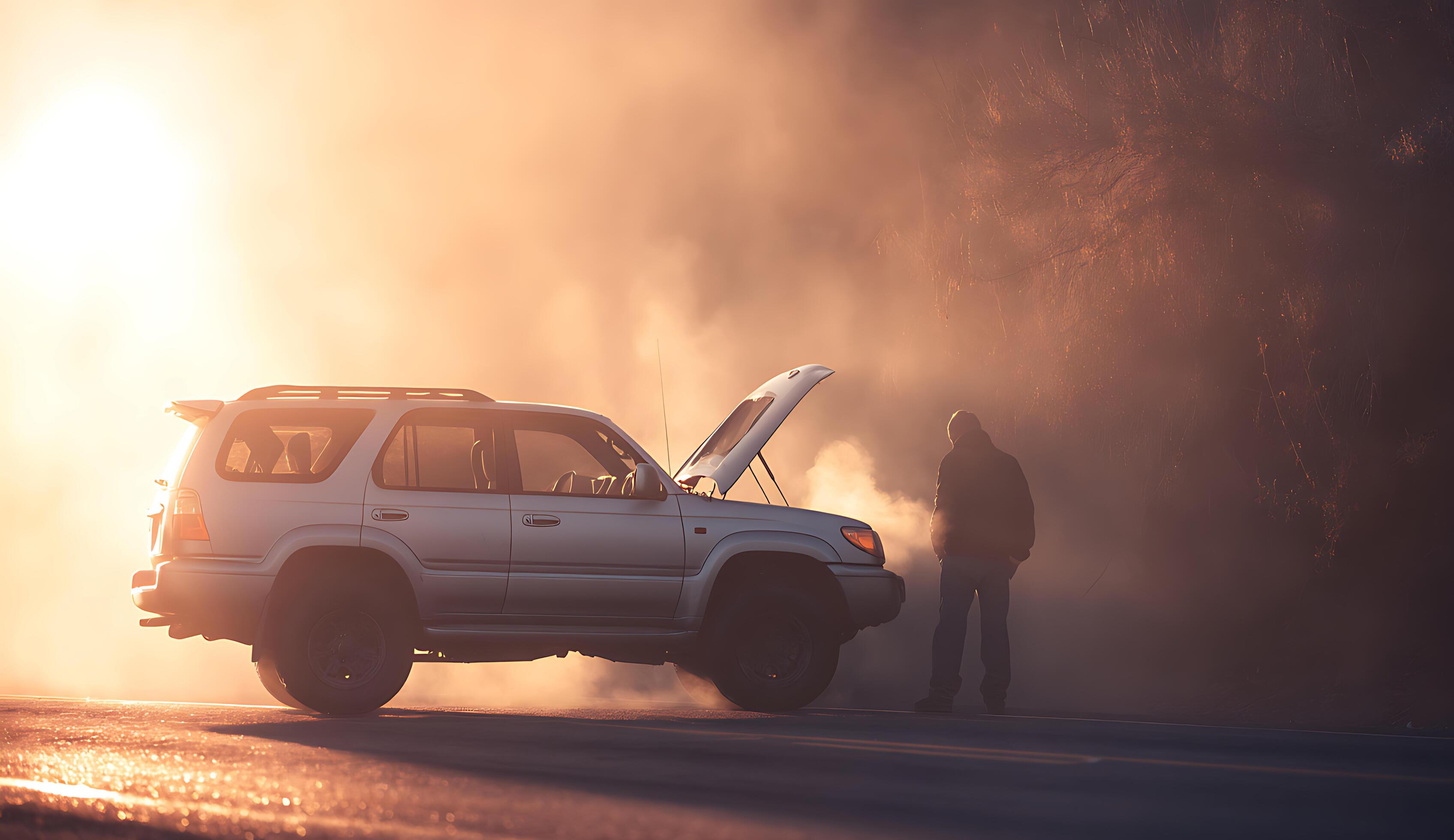
You return after a short stop and hear your hot GLC crank more slowly than it did that morning. That sound points first toward battery reserve or resistance in the starting circuit. At Fremont Foreign Auto, we serve Milpitas from our Fremont, CA, location by listening to that first detail before checking fuel or signals from the engine.
First, Hear How the Starter Turns
A slow crank and a normal-speed crank describe different problems. Slow cranking points us toward the battery, cables, grounds, connections, and starter. Normal-speed cranking sends us toward the crankshaft signal and fuel conditions needed for combustion.
Write down how long the GLC sat after shutdown. Remember whether you heard a click, a dragging starter, or steady normal-speed cranking. We use that short description to recreate the same hot-stop window at our Fremont location.
The first cold start can still help by showing the contrast. Please mention whether the morning start sounded completely normal before the hot problem appeared. That comparison keeps the visit centered on the condition that changes after the engine warms.
Slow Cranking Starts With Electrical Basics
Summer heat accelerates aging inside a lead-acid battery. A battery can still power lights and accessories while lacking dependable starting reserve. We check its state of charge and available capacity before blaming battery age.
Extra resistance can also hide inside positive cables, grounds, starter connections, or the starter. We check voltage loss and current during hot cranking. The readings show whether weak reserve or circuit resistance is slowing the starter. They prevent a battery replacement from covering a cable or connection problem.
Normal Cranking Moves Toward Engine Timing
The engine controller needs crankshaft speed and position information during every start. A missing or implausible crankshaft-position signal can cause extended cranking or a no-start. We watch live engine speed while the hot symptom is present.
If the live reading disappears during cranking, we check the signal circuit and wiring. If the reading remains sound, we continue toward fuel conditions that can delay combustion. A cold check later that day may miss a problem that appears only during the hot restart.
Some Gasoline GLC Models Need a Pressure Check
Some gasoline GLC applications use the M274 engine with direct-injection hardware. That arrangement includes a fuel distributor, injectors, and a Hall-effect crankshaft-position sensor. We check the generation plus engine code before using those details because other GLC models differ.
Fuel pressure should remain available after a hot shutdown. If pressure drops quickly afterward, the engine can crank longer while pressure builds again. A high-pressure fuel pump or injector can create that loss on a matching direct-injection system. We check pressure after shutdown before connecting the symptom with either component.
Refueling Adds One Useful Clue
A difficult restart immediately after refueling adds the purge system to the conversation. A purge valve that fails to seal can admit extra fuel vapor into the intake. That condition can produce extended cranking or a rough, rich restart on a gasoline application.
Heat alone cannot place the purge valve at fault. We look for refueling timing, restart behavior, related codes, and a failed sealing check. Without those details, we continue checking the other hot-start causes.
Preserve the Moment Before It Disappears
Stop repeated attempts when cranking speed falls or you notice fuel odor, warning messages, or abnormal noise. Record the shutdown time, restart time, cranking sound, and any refueling connection. Those observations let us recreate the hot condition at Fremont Foreign Auto and choose the right starting point. For GLC hot-start service from Milpitas, call Fremont Foreign Auto at (510) 793-6067.