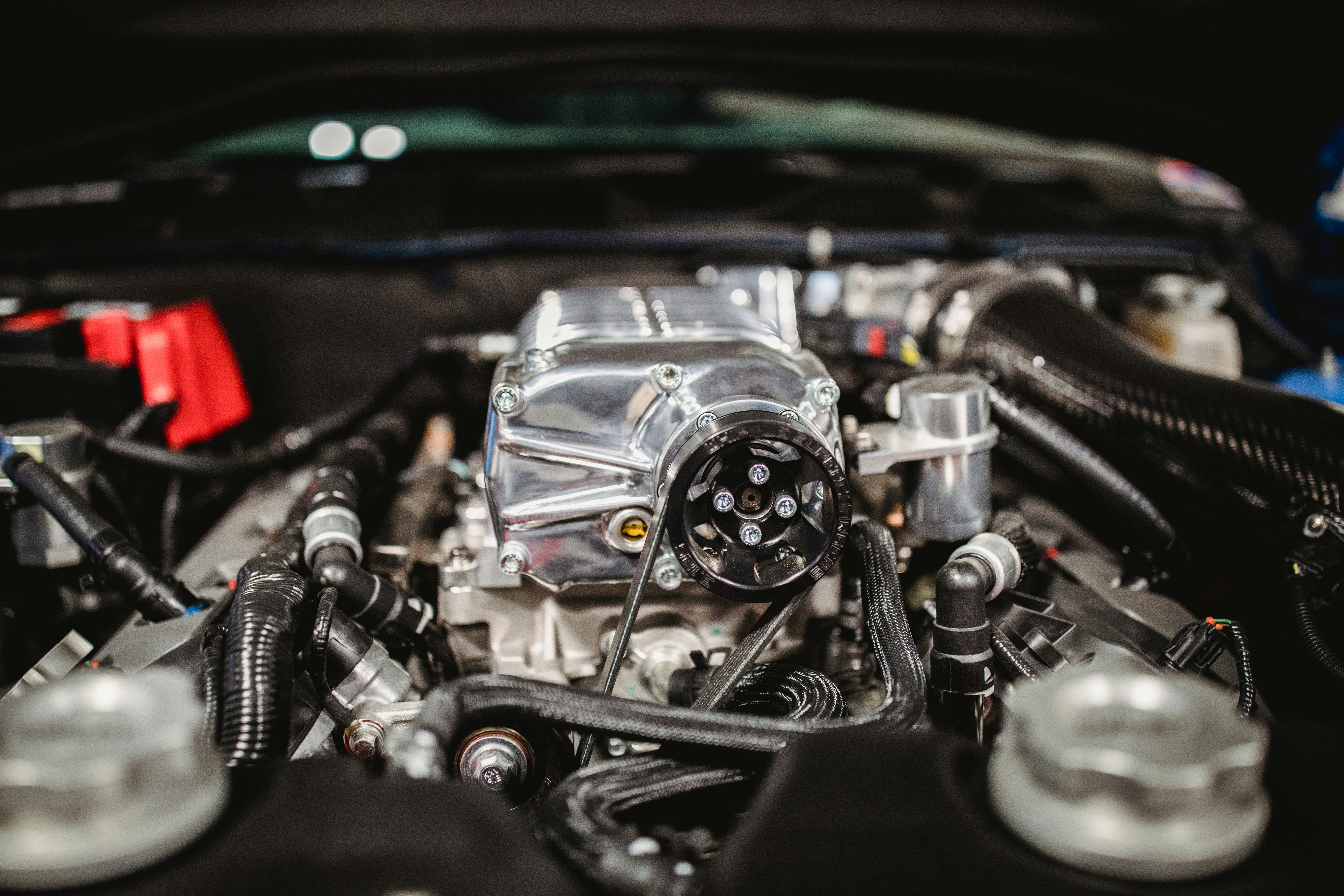
A sudden hesitation when merging onto the freeway can make your Audi Q5 feel unreliable. If the engine takes longer to start, stumbles under acceleration, or displays a check engine light, a fuel pressure problem may be present. A failing high-pressure fuel pump is one possibility, but it's important to diagnose the entire fuel system before replacing an expensive component.
At Fremont Foreign Auto, we provide Audi repair, fuel pump service, and computer diagnostics at our Fremont shop for drivers from Newark and surrounding East Bay communities. Our goal is to identify why fuel pressure is falling, not simply replace the first part mentioned by a trouble code.
How the High-Pressure Fuel Pump Works
On many gasoline-powered Q5 engines, an in-tank pump supplies fuel to a mechanically driven high-pressure pump. The high-pressure pump raises pressure for direct injection, allowing the injectors to deliver fuel accurately. Engine configurations vary by model year, so testing starts with identifying your Q5's specific system.
If fuel pressure cannot keep up with engine demand, acceleration may suffer. However, weak low-pressure supply, electrical faults, or sensor problems may produce similar symptoms.
Watch for Hard Starts and Hesitation
A Q5 with fuel-delivery trouble may crank longer than normal before starting, idle unevenly, or hesitate when you accelerate. Some problems only appear under heavier load, such as climbing a hill or passing another vehicle.
Tell us whether symptoms occur during cold starts, after extended idling, or at low fuel levels. These details help reproduce an intermittent problem and separate a fuel-pressure issue from ignition or turbocharger trouble.
What Does a P0087 Fault Code Mean?
Code P0087 indicates fuel-rail pressure is lower than expected. It does not prove the high-pressure pump has failed. Audi service bulletins for certain Q5 model years discuss other causes, including fuel-pressure sensor faults and pressure fluctuations during unusually hot operating conditions.
Replacing the pump based only on a stored code may leave the original fault unresolved. We examine the circumstances recorded with the code, including engine temperature and operating load, before concluding.
We start by reviewing fault codes and comparing requested fuel pressure with actual readings. Depending on the engine, we evaluate low-pressure fuel delivery, pump operation, electrical connections, sensors, and pressure regulation. If a reading appears inconsistent, additional testing can help identify whether the problem is mechanical or electronic.
Fuel systems operate at high pressure, so opening a line without the correct depressurization procedure is dangerous. Diagnosis and repair belong with technicians using appropriate equipment.
Repair Depends on the Confirmed Fault
A faulty high-pressure pump may require replacement, but a weak tank pump, damaged wiring, sensor issue, or fuel-control component may call for a different repair. Once testing identifies the cause, we explain the options and verify fuel pressure and engine performance after completing the work.
Schedule Audi Q5 Fuel Pump Diagnostics Near Newark
If your Audi Q5 hesitates, starts poorly, loses power, or displays a check engine light, contact Fremont Foreign Auto. Visit our shop at 38623 Fremont Blvd., Suite 110, in Fremont, or call (510) 793-6067 to schedule testing. We'll help Newark drivers get clear answers before a fuel problem leaves them stranded.