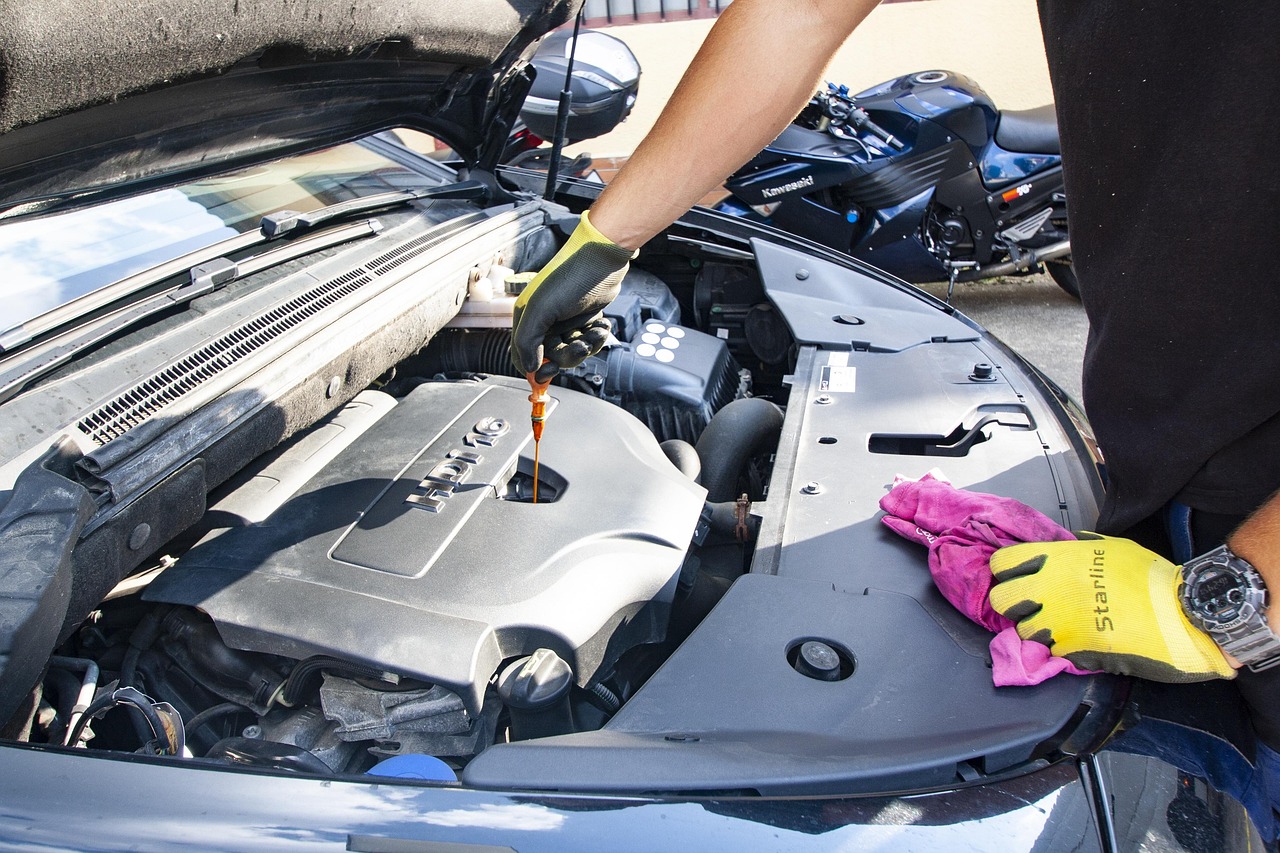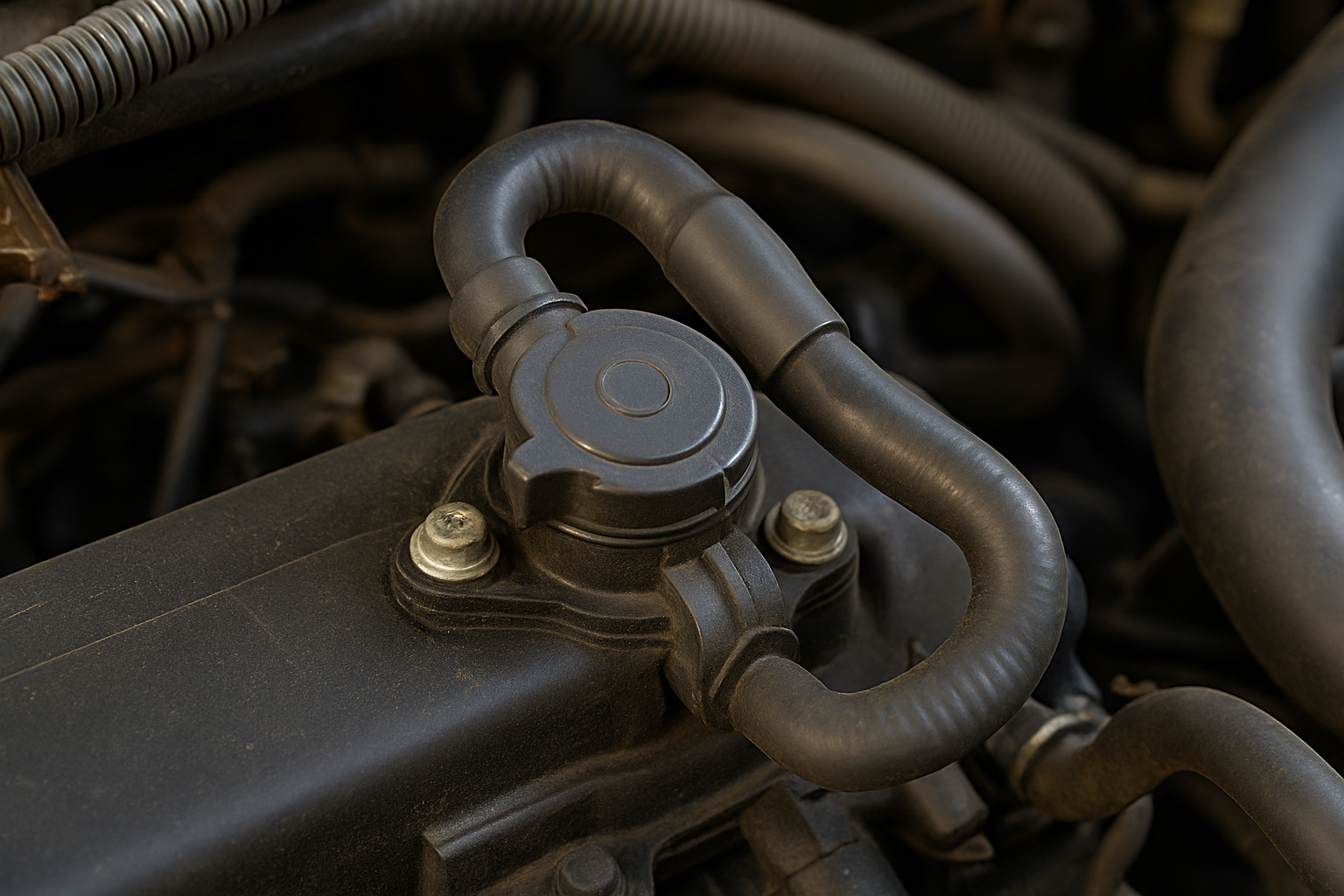
A BMW 3 Series can begin using oil faster than usual without leaving a single spot on the driveway. You might notice a high-pitched whistle, rough idle, or an unfamiliar exhaust smell instead. These symptoms can point toward the positive crankcase ventilation (PCV) system, which regulates pressure inside the engine.
At Fremont Foreign Auto, we diagnose BMW engine concerns for Milpitas drivers from our Fremont repair shop. Our BMW 3 Series service information identifies PCV deterioration as a possible cause of excessive oil consumption. We check the system before recommending replacement parts.
What Does the PCV System Do?
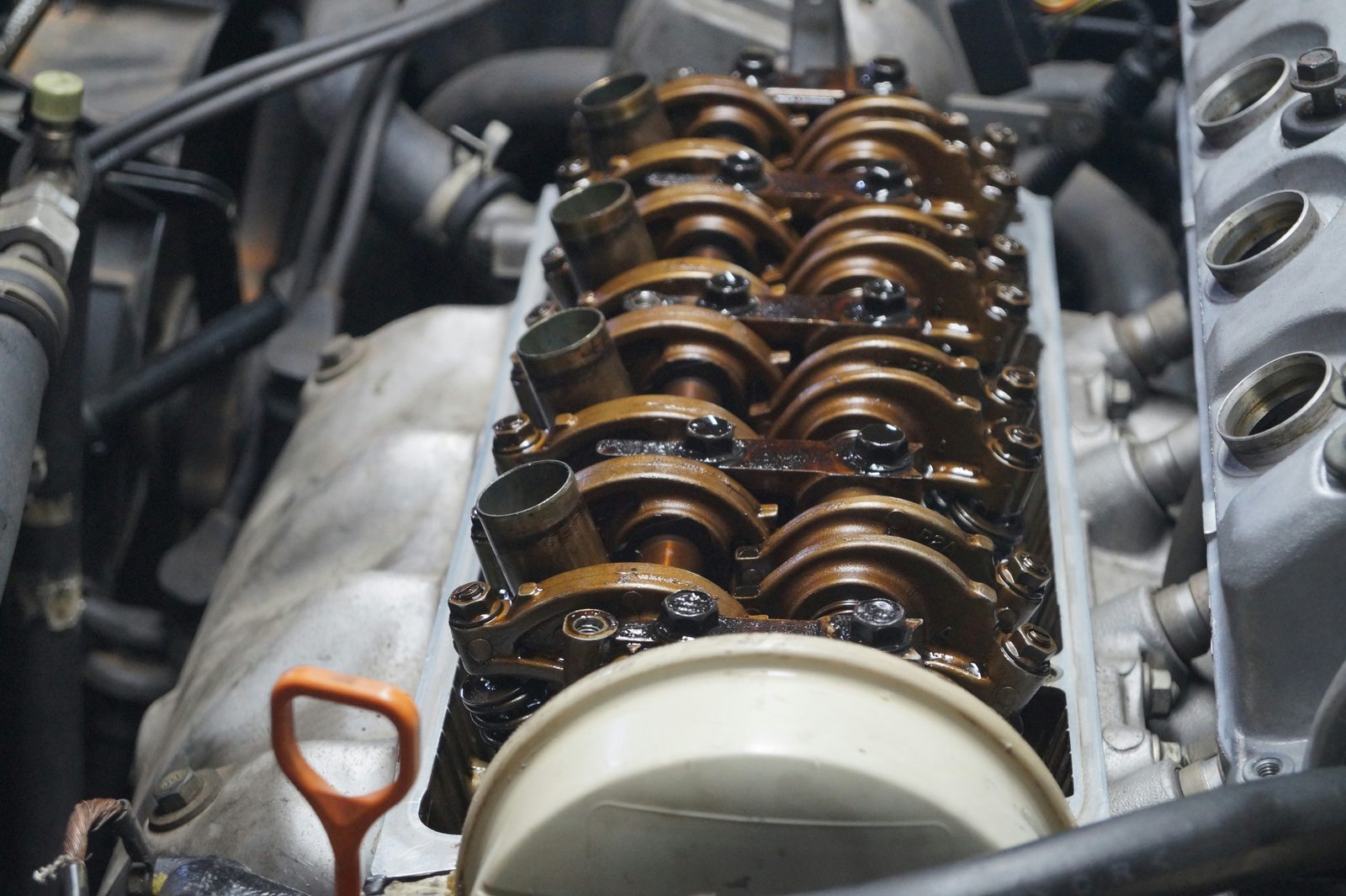
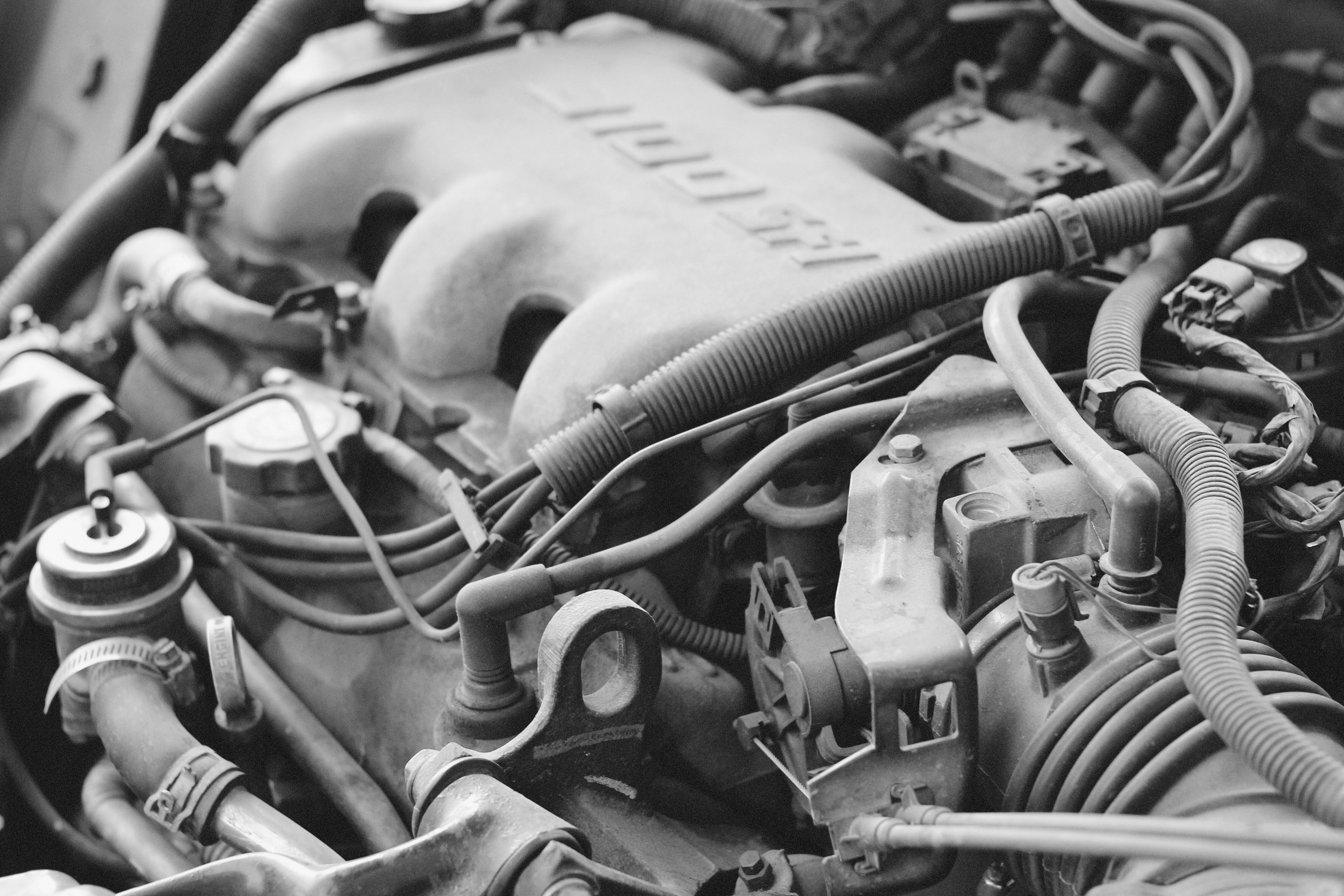
As the engine runs, some combustion gases pass the piston rings and enter the crankcase. The ventilation system routes those gases back into the intake while controlling pressure and separating oil vapor.
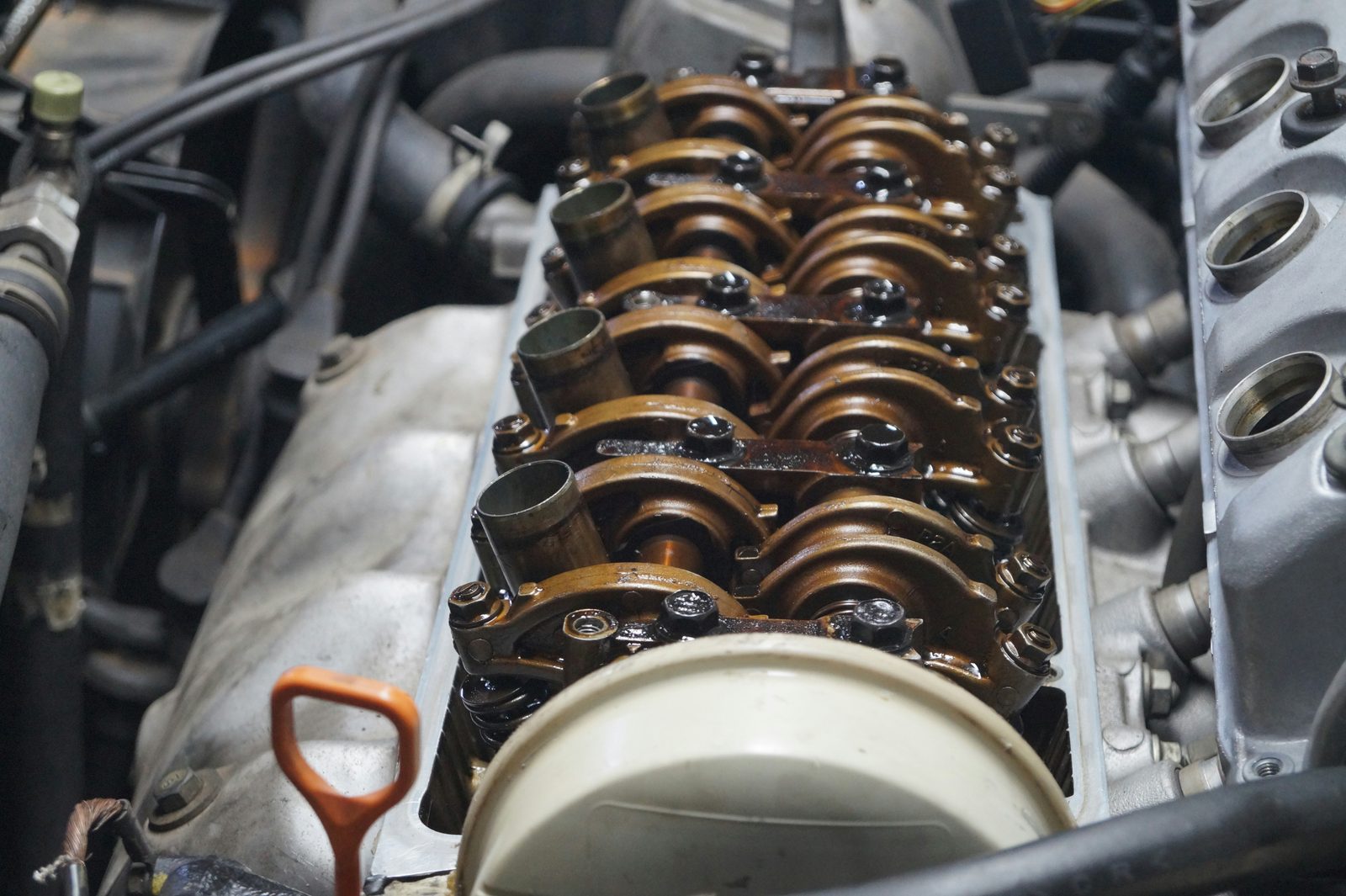
BMW uses different PCV arrangements across 3 Series engines. Some designs integrate pressure-regulating components into the valve cover, while others have different serviceable parts. A 328i, 330i, and M340i may therefore require different repair procedures.
Watch for Whistling or Howling Noises
A sharp whistle from the engine bay, particularly at idle, can develop when a PCV diaphragm fails and crankcase vacuum becomes excessive. The sound may resemble a turbocharger problem, even when the turbo is working properly.
Don't assume every whistle means a faulty PCV valve. Intake leaks, belts, and other components also make noises. Noting when the sound appears helps us narrow the inspection.
Rough Idle, Misfires, and Warning Lights
An improperly regulated crankcase can disturb the air-fuel mixture. Your 3 Series may shake while stopped, hesitate when accelerating, or illuminate the check engine light. In some cases, misfire faults accompany the rough running.
These symptoms also occur with ignition coil faults, worn spark plugs, and fuel delivery problems. We review diagnostic codes and engine data rather than replace a valve based on a single symptom.
Unusual Oil Consumption or Exhaust Smoke
A failed PCV system may draw excessive oil vapor into the intake, increasing oil consumption. Blue-tinged exhaust smoke, particularly after startup, can be another clue. Excessive crankcase pressure may also stress oil seals and contribute to leaks.
Our shop's 3 Series repair information discusses oil consumption on N20- and B48-equipped models, while BMW's service guidance identifies both excessive pressure and excessive vacuum as possible causes of oil-related concerns.
How We Diagnose and Repair PCV Problems
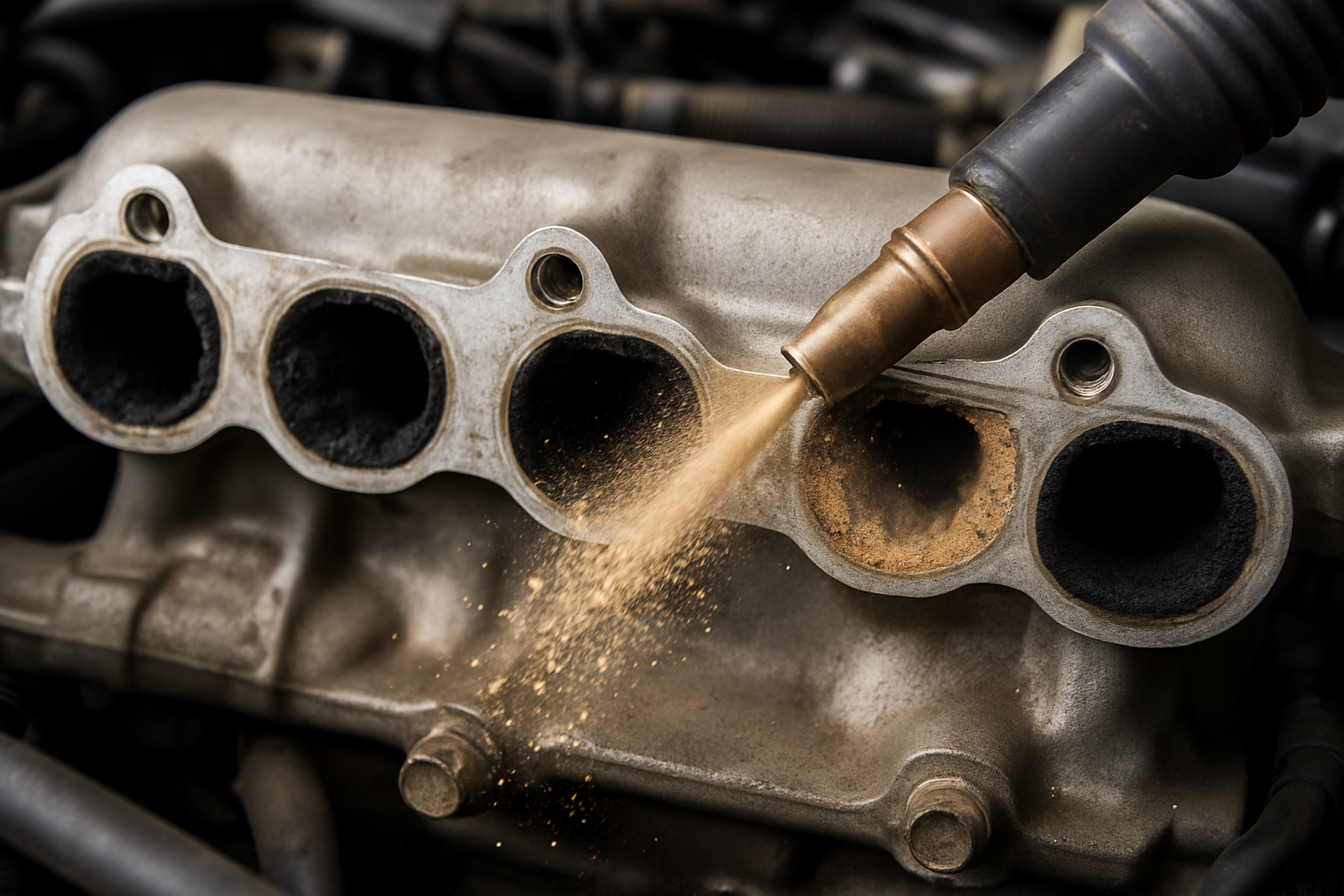
We begin with your vehicle's model year, engine, maintenance history, and symptoms. Inspection may include checking hoses and connections, examining oil residue in the intake, reviewing fault codes, and measuring crankcase pressure against the correct engine specification.
If testing confirms failure, repair depends on the engine. Some vehicles need a ventilation component or hose; others may require a valve cover assembly when the regulator is integrated. We explain the findings, replace the failed parts, and verify engine operation afterward.
Why Prompt Attention Matters
Ignoring a ventilation fault may accelerate oil loss, contribute to intake contamination, or stress engine seals. If an oil-pressure warning appears, stop driving safely and follow the owner's manual. A PCV repair will not correct unrelated internal engine wear, so the diagnosis matters.
Schedule BMW 3 Series PCV Service Near Milpitas
If your BMW is whistling, idling roughly, smoking, or using oil unusually quickly, contact Fremont Foreign Auto. We're located at 38623 Fremont Blvd., Suite 110, in Fremont, serving Milpitas and neighboring East Bay communities.
Call (510) 793-6067 to schedule an inspection before a ventilation fault causes further engine wear.