A Volkswagen Tiguan can feel sluggish even when it starts normally and has no obvious fluid leaks. If yours hesitates when leaving a stoplight, idles unevenly, or develops recurring misfire codes, carbon buildup on the intake valves may be part of the problem. Walnut blasting removes hardened deposits, but first we need to establish whether buildup is actually responsible.
At Fremont Foreign Auto, we service Volkswagen vehicles at our Fremont shop, including Tiguan owners from Milpitas. We also use walnut-shell cleaning for direct-injection Volkswagen engines when inspection indicates it is warranted.
Why Does Carbon Collect on Tiguan Intake Valves?
Many Tiguan models use a turbocharged TSI engine with direct fuel injection. Unlike older port-injection systems, direct injection delivers gasoline into the combustion chamber instead of spraying it across the backs of the intake valves.
Oil vapor and crankcase ventilation gases can leave residue on these valves. Heat gradually bakes the residue into stubborn deposits. As buildup thickens, it may interfere with airflow and contribute to rough running. Driving habits, engine condition, and mileage all influence how quickly deposits develop.
Signs Your Tiguan May Need Intake Cleaning
The most noticeable symptoms often develop gradually. Your Tiguan may stumble during cold starts, shake at idle, hesitate when accelerating, or feel less responsive than before. Some drivers notice reduced fuel economy or a check engine light accompanied by misfire codes.
None of these symptoms proves the valves are dirty. Worn spark plugs, failing ignition coils, vacuum leaks, fuel delivery problems, and other faults may produce similar complaints. Replacing parts or booking cleaning without diagnosing the cause could waste money.
What Happens During Walnut Blasting?
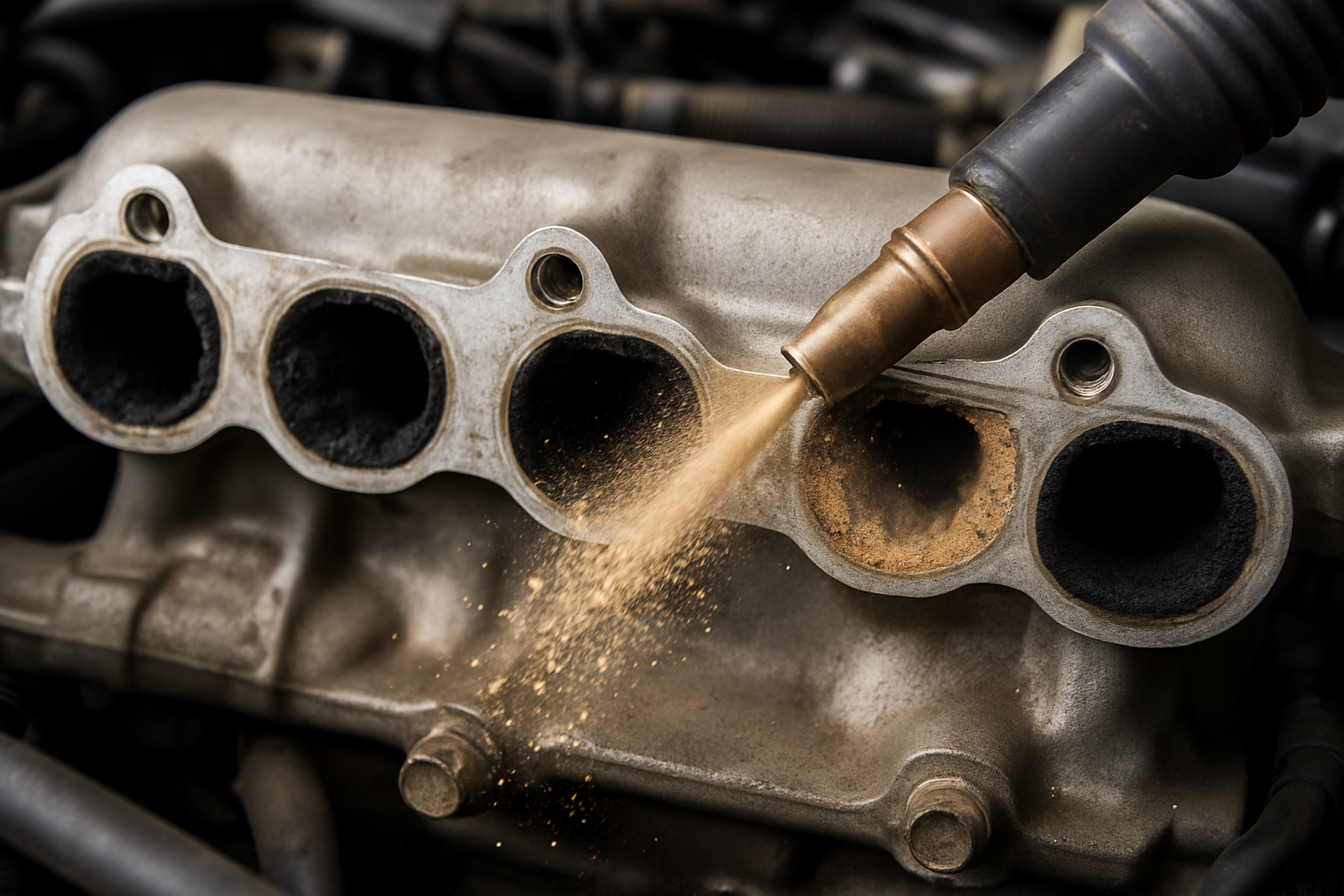
Walnut blasting uses finely crushed walnut shells as a cleaning medium. After gaining access to the intake valves, a technician directs the material at hardened carbon while collecting loosened deposits with vacuum equipment. The procedure is performed carefully, with the valve being cleaned closed, to keep debris out of the cylinder.
Unlike pouring cleaner into the fuel tank, this method reaches deposits on the intake valve surfaces. Direct-injection fuel additives generally cannot wash areas the fuel never touches.
The intake manifold typically must be removed to access the valves. After cleaning, the components are reassembled, and the engine is checked for normal operation.
Inspection Comes Before the Recommendation
We begin with your Tiguan's symptoms, model year, and maintenance history. Diagnostic scans help identify misfires and other engine-control concerns. When carbon buildup remains a possibility, inspecting the intake valves helps determine whether cleaning is worthwhile.
There is no single walnut-blasting mileage interval suitable for every Tiguan. A vehicle running smoothly may not need the service simply because its odometer reaches a particular number. Evidence of substantial deposits and matching symptoms provides a better reason to proceed.
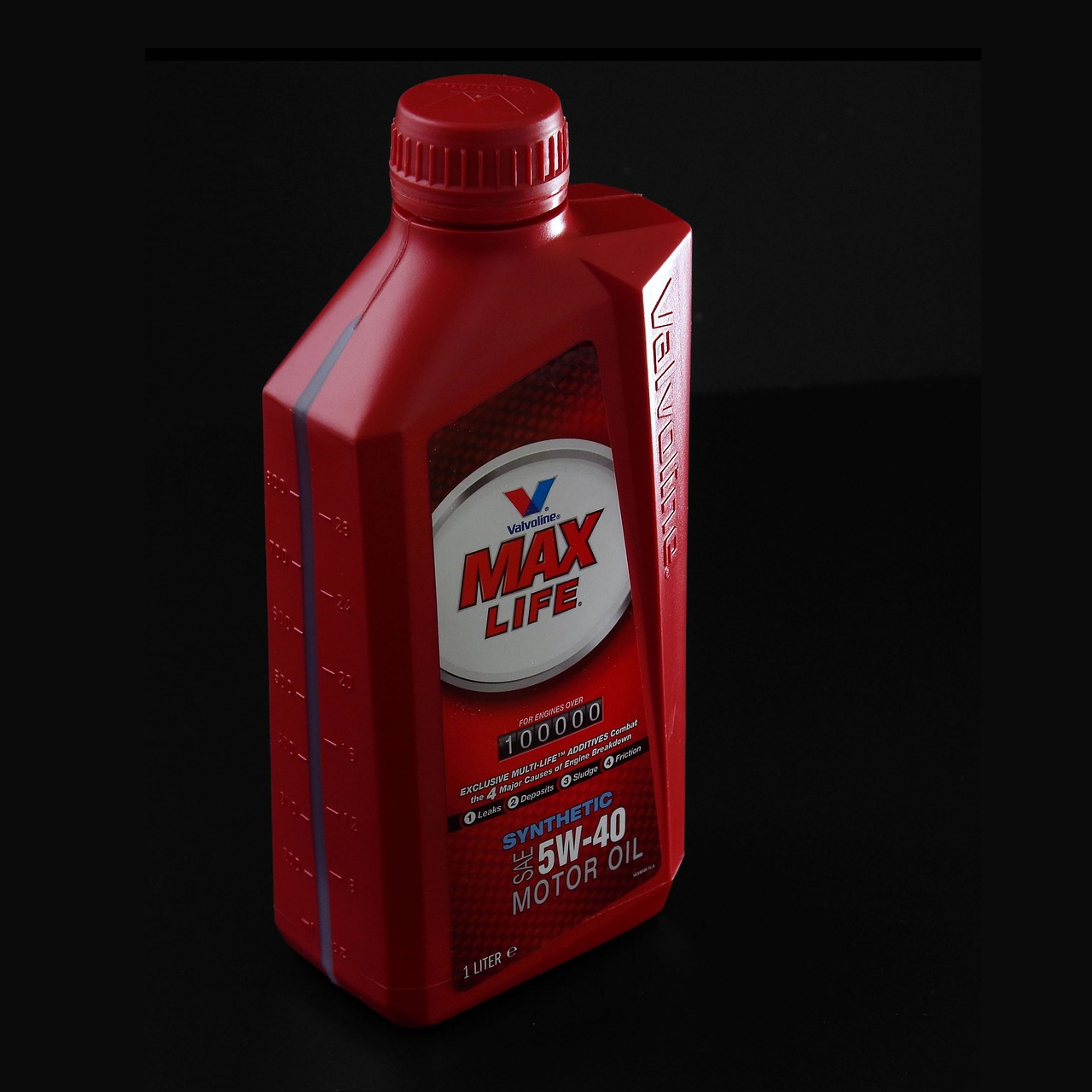
Regular oil changes using the correct oil specification support engine health but cannot guarantee clean intake valves. If the crankcase ventilation system is malfunctioning, we also look for underlying issues contributing to excessive deposits. Addressing those concerns may help reduce future buildup.
Schedule Volkswagen Tiguan Service Near Milpitas
If your Tiguan is idling roughly, hesitating, or repeatedly triggering a check engine light, contact Fremont Foreign Auto. Our shop in Fremont serves Milpitas and nearby East Bay communities. We'll check the likely causes, explain our findings, and recommend walnut blasting only when it addresses the problem.
Call (510) 793-6067 to arrange an inspection.