A sweet smell after parking your Porsche Cayenne might be more than a minor annoyance. Coolant can escape through an aging hose, loose connection, or damaged pipe, leaving the engine without enough fluid to regulate temperature. Even a small leak deserves attention before overheating turns a manageable repair into engine damage.
At Fremont Foreign Auto, we diagnose cooling system leaks at our Fremont shop for Porsche owners in Union City and the surrounding East Bay communities. We identify the source before recommending parts, because a wet hose isn't necessarily the component responsible.
Watch for Coolant Loss and Unusual Smells
A sweet odor near the hood, fluid beneath the SUV, or a low-coolant warning on the dashboard may signal a leak. You might also notice residue around hose connections or the expansion tank. Sometimes leaking coolant evaporates against hot engine parts, leaving no puddle at all.
Check the coolant level only when the engine is cool and follow your owner's manual. Repeatedly topping off the reservoir without locating the leak allows the underlying problem to continue.
Why Do Cayenne Coolant Hoses Fail?
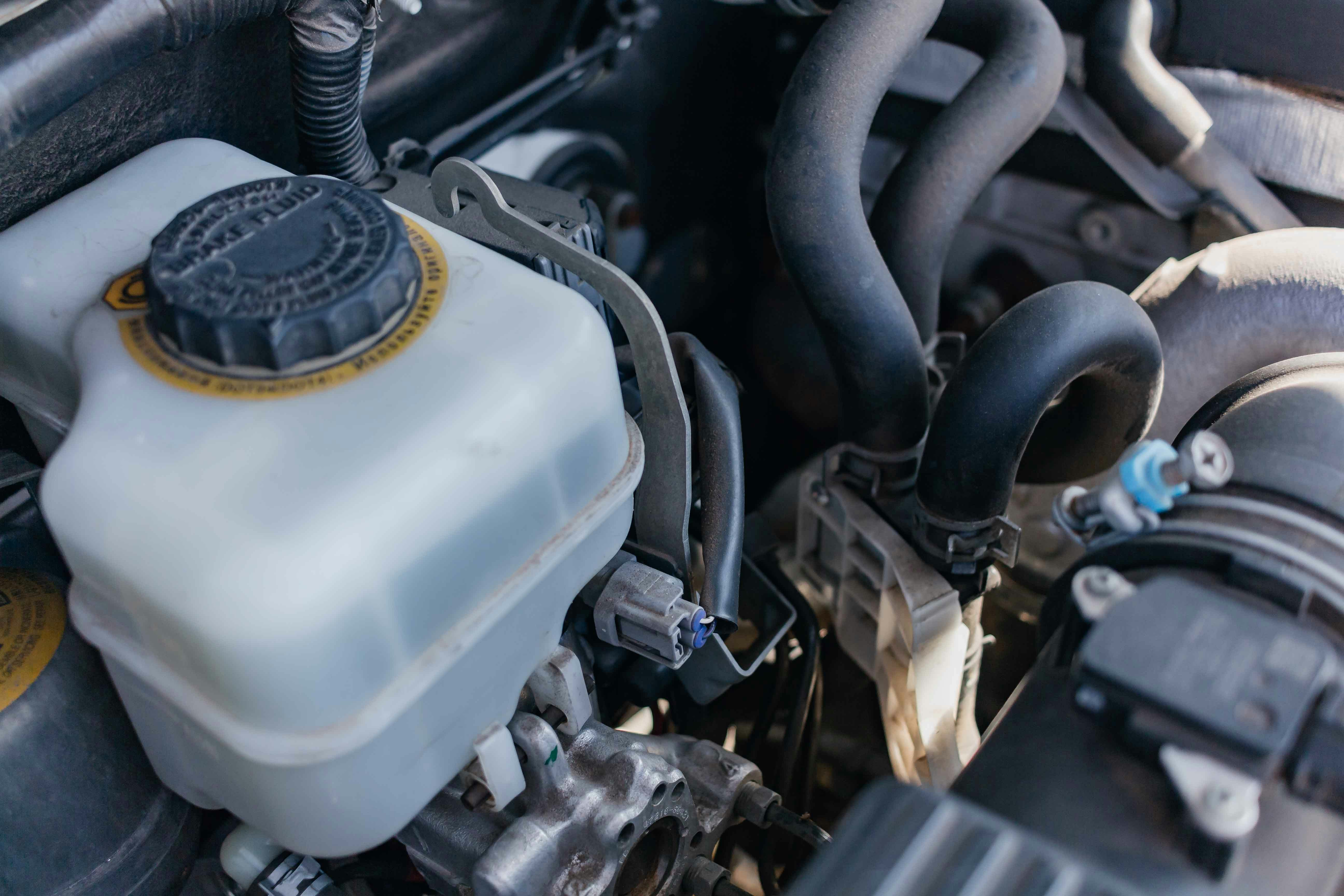
Hoses endure years of heat, pressure changes, and engine movement. Rubber can harden or crack, while clamps, seals, and plastic fittings may deteriorate. A leak near the radiator could also come from the radiator itself, a water pump, or an expansion tank rather than its connecting hose.
Older Cayennes have an additional concern. Porsche documented leaking plastic coolant pipes on certain 2003–2006 Cayenne S, Turbo, and Turbo S models, with aluminum replacement pipes specified in its service information. Those pipes are not the same as every flexible coolant hose, and the issue does not apply universally across Cayenne generations.
Know When to Stop Driving
An increasing temperature gauge reading, steam, or a coolant temperature warning requires immediate attention. Pull over safely, switch off the engine, and arrange assistance. Continuing to drive an overheating Cayenne may damage expensive internal components.
Never loosen a coolant reservoir cap while the engine is hot. The cooling system operates under pressure, and escaping hot fluid can cause severe burns.
How We Locate the Leak
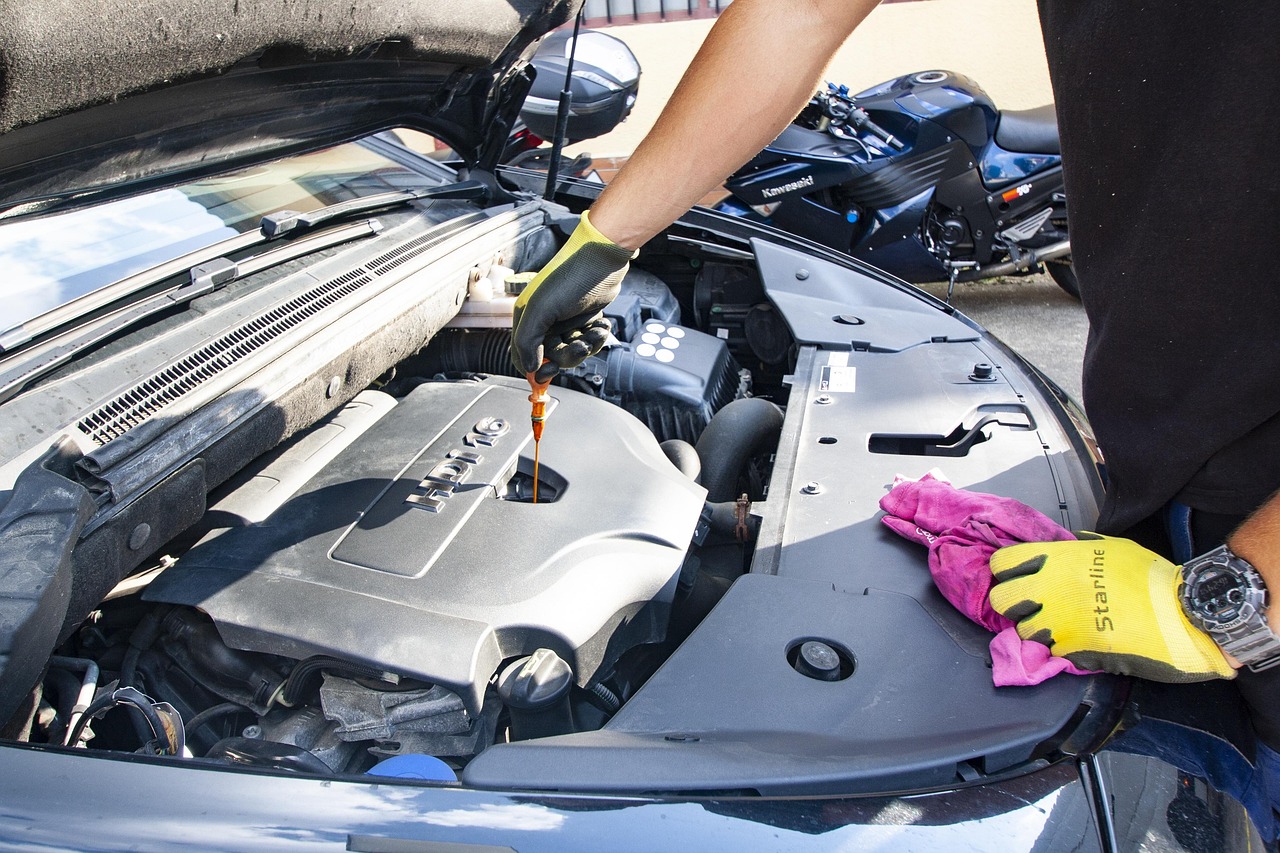
We begin by checking coolant level, looking for dried residue, and inspecting accessible hoses, clamps, fittings, and nearby cooling components. A cooling-system pressure test can help reveal leaks difficult to see during normal operation.
We also consider the Cayenne's model year and engine configuration. Depending on the findings, a repair may involve a hose, a seal, a pipe assembly, an expansion tank, or another cooling component. We explain what failed rather than replacing parts based only on the location of a puddle.
What Happens After the Repair?
Once the leak is corrected, we refill the system with coolant that meets the vehicle's requirements and remove any trapped air using the appropriate procedure. We then verify coolant circulation, stable engine temperature, and leak-free connections.
Preventive inspections are useful, particularly on older SUVs or vehicles with unexplained coolant loss. Early hose or fitting repairs may help prevent an inconvenient roadside breakdown.
Schedule Porsche Cayenne Coolant Service Near Union City
If your Cayenne smells of coolant, leaves wet spots, or displays a warning, contact Fremont Foreign Auto. We serve Union City drivers from our Fremont location at 38623 Fremont Blvd., Suite 110. Call (510) 793-6067 to schedule an inspection and get a clear explanation of the repair your Porsche needs.