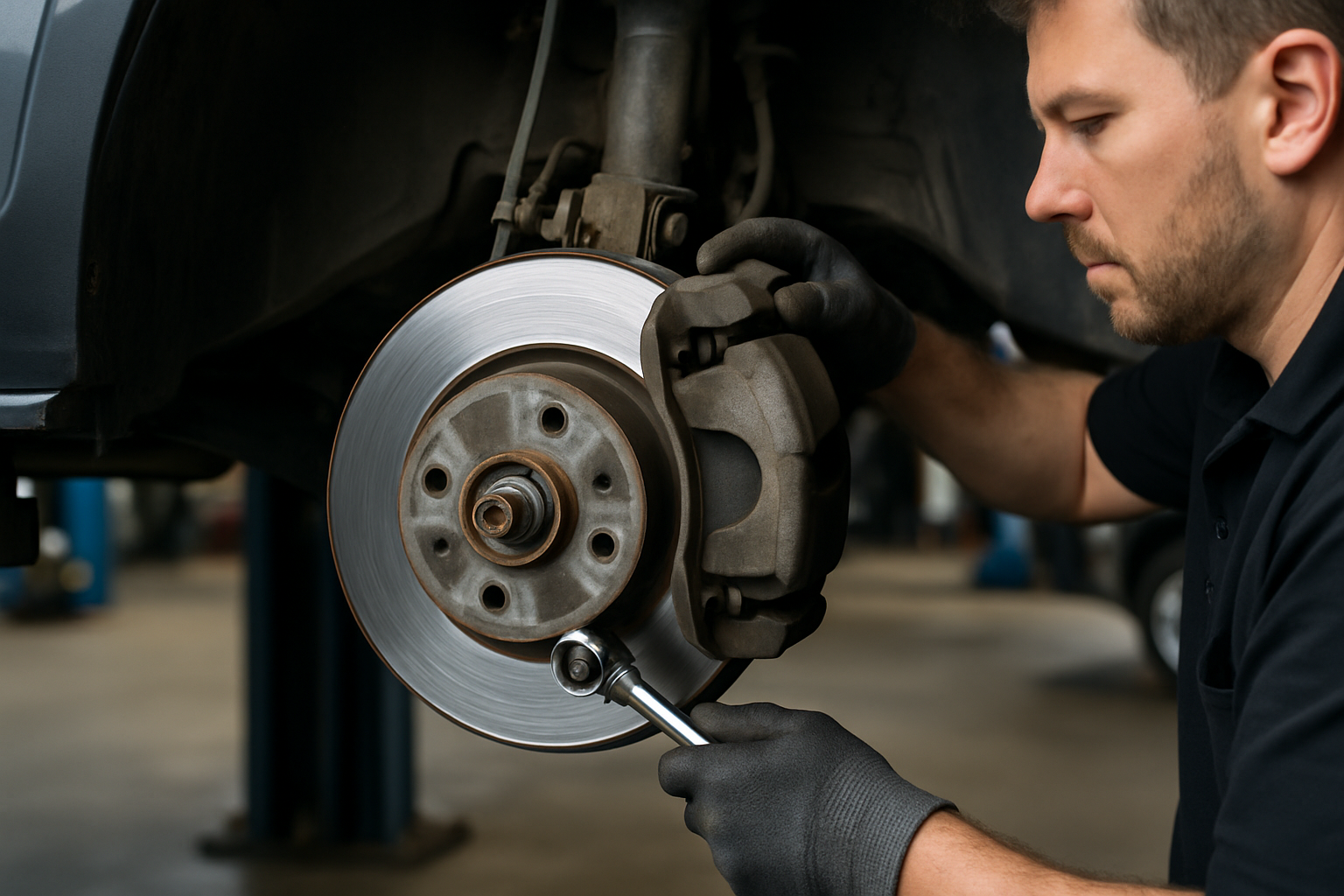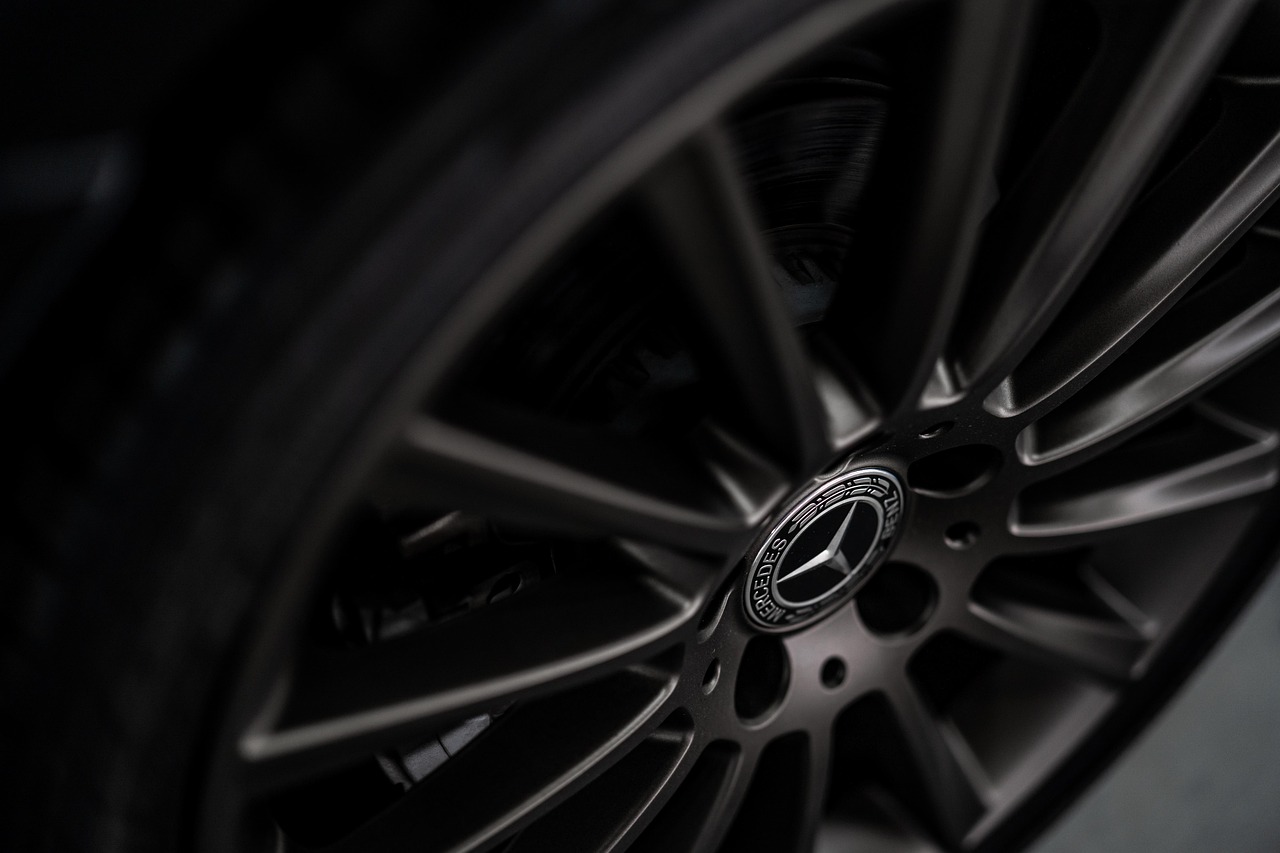
You step out beside your Mercedes-Benz GLA in Newark and notice a sweet smell before finding fresh colored drops beneath the front. Fresh liquid means coolant is moving through the area now, while dry residue only shows where coolant reached earlier. We help Newark drivers at Fremont Foreign Auto from our Fremont shop, tracing that fresh path back to its source. We test the cooling system before we quote a pump because hoses, connections, housings, and underbody panels can move coolant away from the original leak.
Fresh Liquid and Dry Residue Mean Different Things
We can follow a current trail across each damp surface. A chalky or crusted stain records an older coolant path, and that stain can remain after the active leak changes. We start with the cool engine and compare fresh wet areas with dry marks around the cooling system. That simple comparison prevents an old stain from becoming the reason for a new pump.
The lowest drop under your GLA may sit far from the leaking connection. An undertray can catch coolant, carry it across the panel, and release it at another edge. We follow the wet path upward and backward until the fluid reaches a hose, housing, connection, or pump. The repair starts at that source rather than at the parking spot.
Pressure Can Bring a Small Leak Back Into View
A slow leak may leave only a faint smell after the engine cools. We use a pressure test to bring active seepage back into view without waiting for another puddle. We also compare the cool system with its condition after operating temperature changes the leak. Some seals show fresh moisture under pressure while nearby dry residue remains unchanged.
Mechanical water pumps include a small weep path near the seal. Active dripping from that path after break-in can point to a sealing fault once we trace the fluid to the pump. Dry staining near the same area does not establish a current failure. We use fresh wetness and the pressure trace together because they answer the question you brought us: where is the coolant leaving now?
The VIN Keeps the Pump Choice Specific
The Mercedes-Benz GLA name covers more than one generation and cooling layout. The first United States GLA 250 used a turbocharged 2.0-liter inline-four, but model year and VIN still control the exact cooling parts. One X156 configuration with an M270 family engine uses a dedicated engine water pump. Another GLA can require a different pump arrangement or related part.
We read the VIN before selecting parts or setting the repair scope. That number connects your model year and engine to the correct cooling layout. We then match the traced leak to the pump installed on your vehicle. This step keeps a sound leak diagnosis from ending with the wrong assembly on the work order.
A Temperature Warning Changes Your Next Move
A small, stable seep deserves prompt attention before another hot drive. You can record repeated coolant additions, fresh dampness, or a low coolant warning for the appointment. Pull over, shut down the engine, and arrange towing if you see steam, rapid coolant loss, or a temperature reading that keeps climbing.
The 2016 GLA manual lists one specific threshold for owners. A coolant temperature above 248 degrees Fahrenheit can appear with a warning lamp and tone, and that condition requires stopping as soon as possible and letting the engine cool. Other model years carry their own instructions, so we match the response to that GLA model year. We never open the cooling system while the engine and coolant remain hot.
Tell Us Where the Fresh Coolant Appeared
Before calling, note where you saw fresh coolant and whether the engine was hot or cold. Those two details help us begin with the right surfaces and test conditions. We will read the VIN, inspect the cool system, apply pressure, and compare the hot and cold leak paths. Call Fremont Foreign Auto at (510) 793-6067 with what you noticed, and we will trace the leak before matching the German auto repair to your GLA.