Some mornings your S-Class greets you sitting low on one corner, the body dropped toward a single wheel. Other days it rides level but steers off-center, drifting toward one lane unless you hold the wheel against it. Owners label both a pull, yet a sagging corner and a steering drift come from opposite ends of the car. We sort the two apart at Fremont Foreign Auto in Fremont, CA; Union City sits minutes from our bay. Naming which one you have comes first, since the fix for one does nothing for the other.
Start With Tire Pressure And The Road Itself
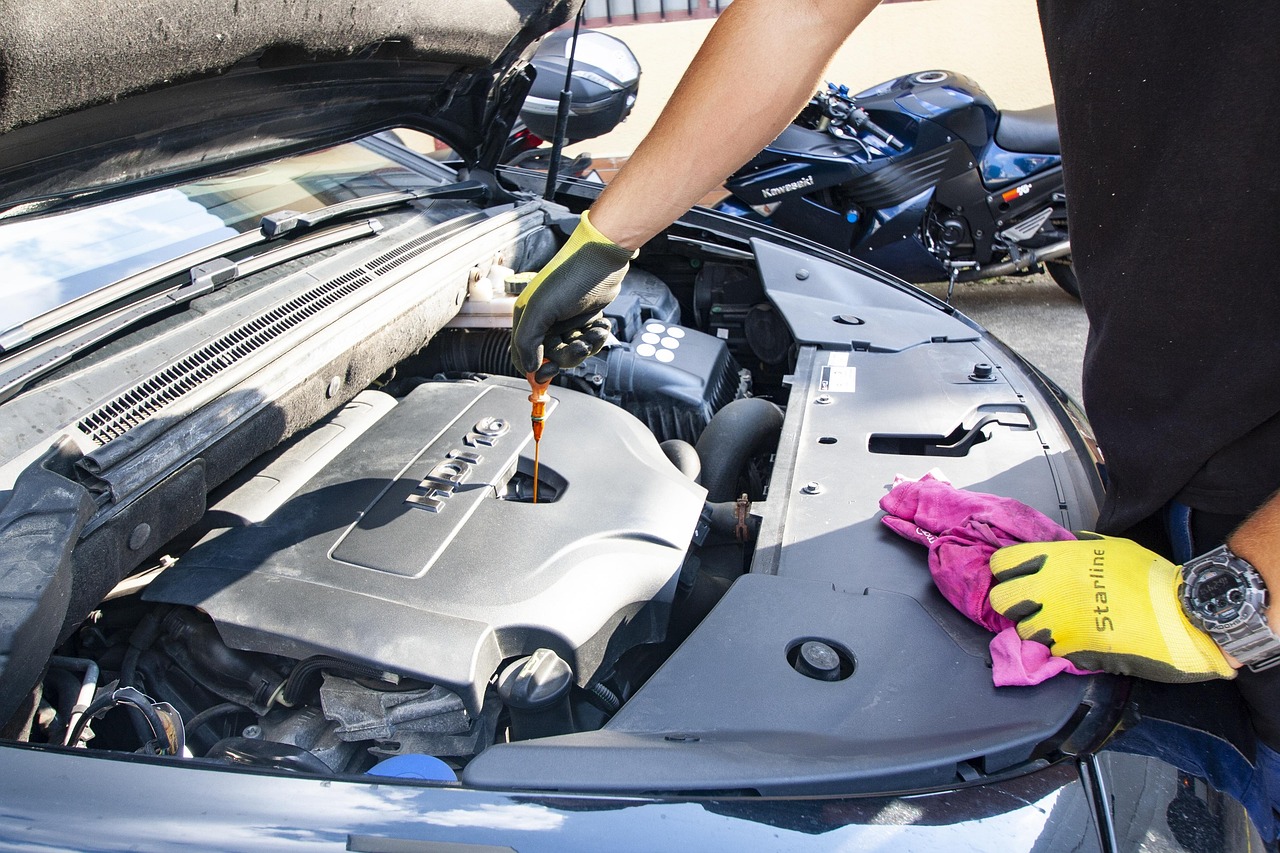
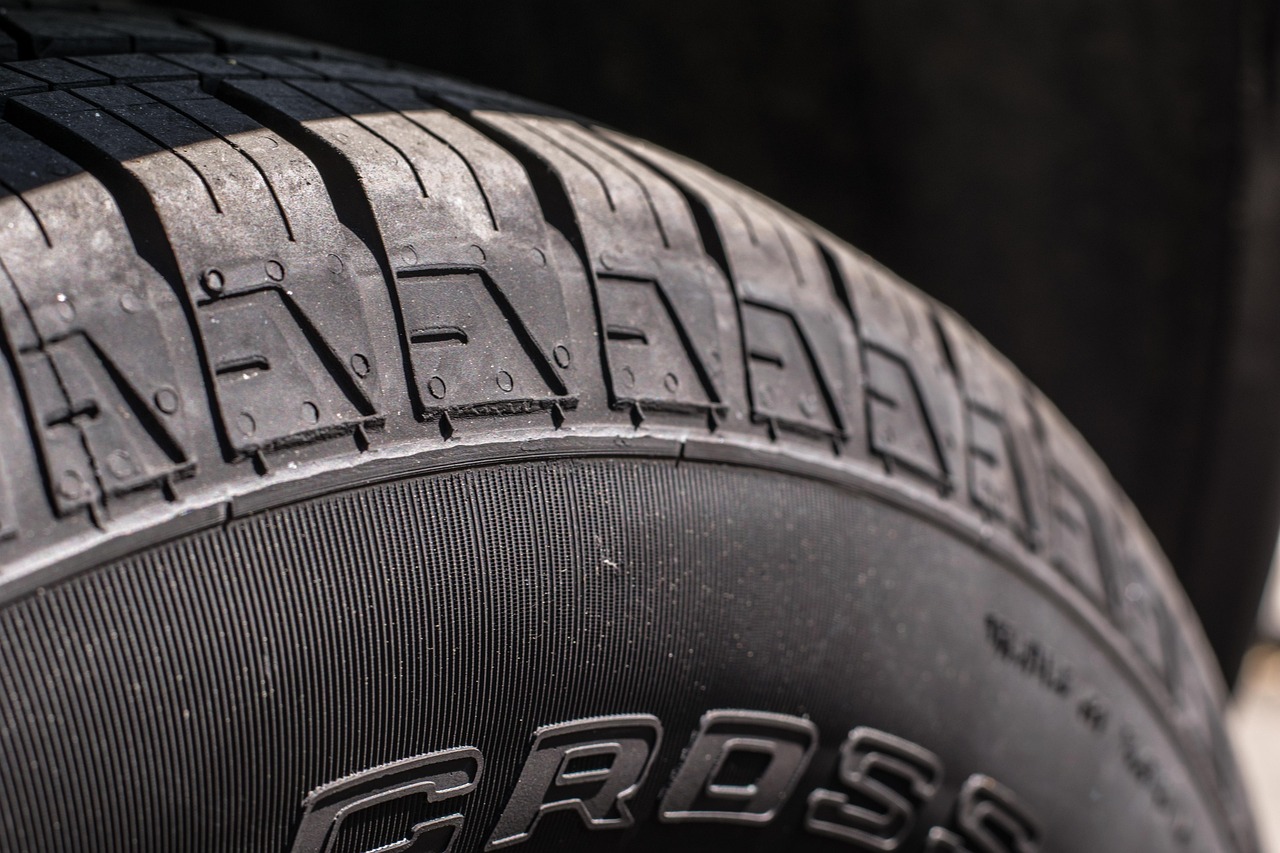
The cheapest cause of a steering pull costs nothing and hides in your tire pressure. One front tire down even a few pounds drags the car toward that side, then lets go the moment the pressures match. Your S-Class lists its exact pressure on the driver's door label, not a one-size figure. Crowned roads add their own lean, since pavement sheds rain by tilting slightly toward the shoulder. A mild rightward drift on a flat, straight highway can be the road rather than a fault. We set all four tires to that figure and drive a known-flat stretch before we suspect any part.
AIRMATIC Is Why One Corner Sags Overnight
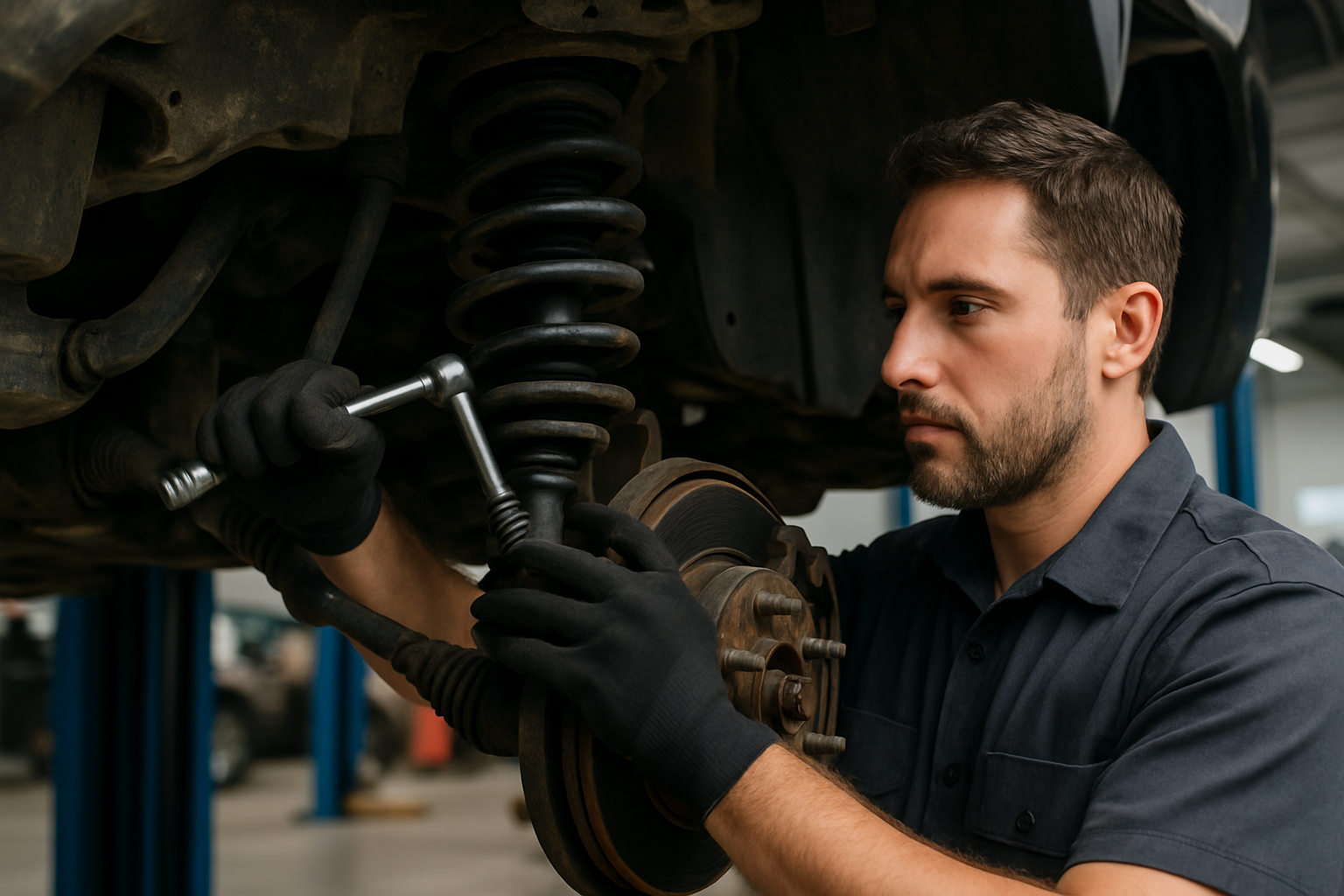
Most S-Class models ride on the AIRMATIC air suspension, where a rubber bladder at each corner holds the car at its set height. Air leaks slowly from a pinhole in one bladder or its line overnight, so the car settles onto that corner while it sits. The compressor refills the system at every startup, which is why the lean looks worst cold and eases after a few miles. A compressor that runs nonstop means the leak is still open. We brush soapy water across each bladder and fitting; a growing cluster of bubbles marks the exact leak point.
Ride Height Comes Before Any Alignment
Each corner has a height sensor that tells the suspension computer where that corner currently sits. When a sensor or its linkage fails, it feeds the computer a wrong number, and the car holds one side too high or too low. Camber and toe both shift as ride height changes, which ties the alignment directly to the air suspension. An S-Class aligned while one corner sags carries angles that go wrong the instant the suspension returns to its proper height. Our software sets and calibrates ride height first, then the car goes on the rack at the height it holds on the road.
A Tire Or An Angle Can Steer The Car On Its Own
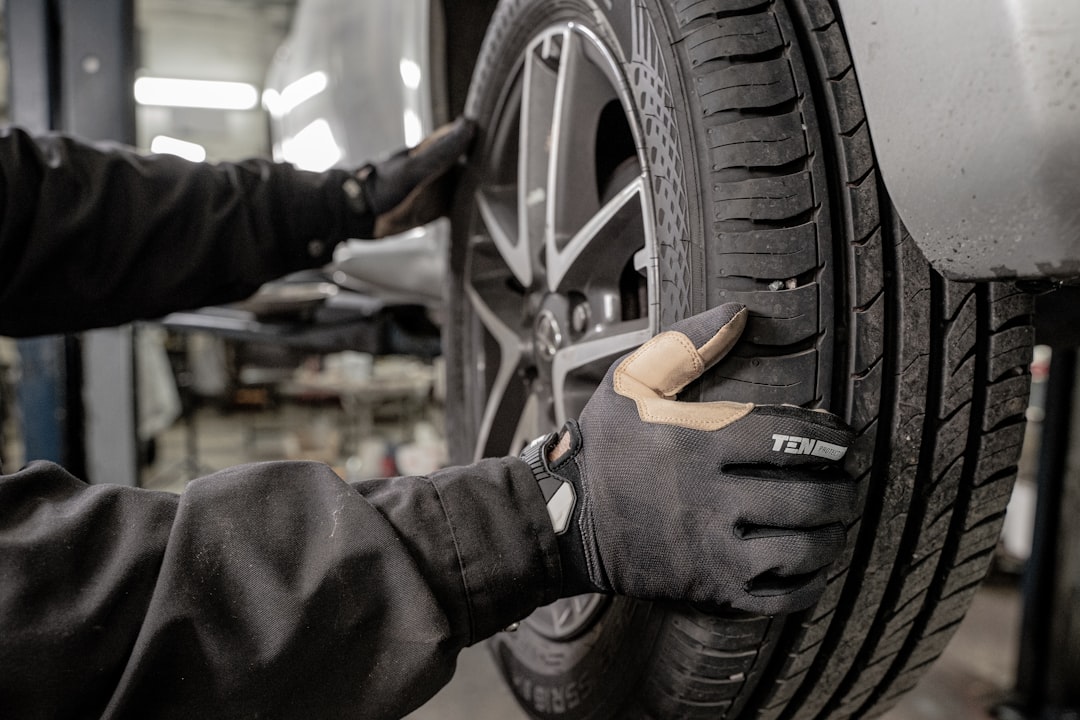
A level S-Class that still pulls is steering itself; a single tire causes more of these pulls than owners expect. Belts inside a tire can shift or build unevenly, leaving the tire with a built-in steer that tugs the car one way. Swapping the two front tires side to side settles it, since a tire pull moves with the tire and an alignment pull does not. On the alignment side, a curb strike or worn control-arm bushing splits camber or caster between the front wheels. That side-to-side split bends the car's path away from straight, and the rack shows it plainly.
Brake Drag Pulls The Car And Heats The Wheel
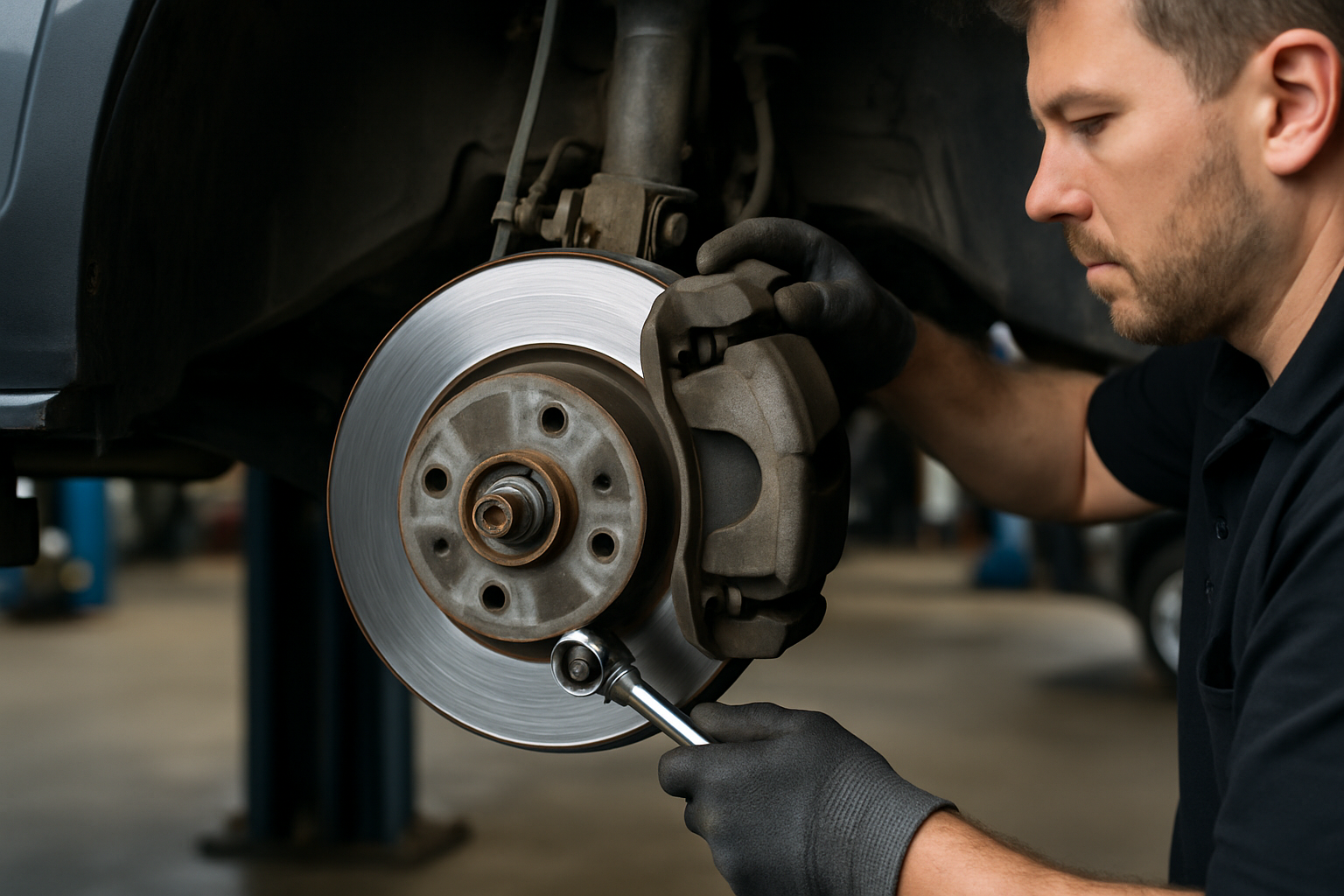
A brake dragging on one front wheel pulls the car that way, sometimes constantly and sometimes only as you slow. Inside a stuck caliper, a guide pin or piston never fully releases, so its pad rides the rotor as you drive. Brake hoses fail on the inside while looking fine outside, swelling into a one-way valve that traps pressure at one caliper. Either fault drags one wheel; the harder you drive, the worse the pull grows as the dragging brake heats up. That wheel runs far hotter than its partner after a short drive, and a hub temperature reading points at the dragging corner.
Get The Order Right And The Alignment Holds
On an S-Class, the alignment rack is the last stop, not the first, because ride height and tires set the angles ahead of it. Call Fremont Foreign Auto at (510) 793-6067 and say whether the car sags parked or drifts moving. We get the air suspension to its correct, calibrated height before the car rolls onto the rack, with tires and a dragging brake ruled out in the same visit.