You press deeper into the throttle at 65 and the tach needle climbs while the speedometer stays put. Engine speed rising without road speed following is the working definition of transmission slip. On an Audi A4, which transmission you have matters as much as the symptom, because Audi built this car 3 ways across drivetrain and generation. Fremont, CA is home for us at Fremont Foreign Auto, and Union City drivers make the short trip with this exact complaint. Once you know which unit your A4 carries, the list of causes gets short.
Slip Has A Signature You Can Feel
During a passing move, a healthy transmission drops a gear or changes ratio, and the car surges forward as the revs rise. Revs that rise as the car gains nothing mean torque is slipping through a clutch or chain instead of reaching the wheels. The difference shows on your gauges: a real downshift raises revs and road speed together, while slip raises revs and nothing else. High speed exposes it first because passing at the top of the speedometer pushes the most sustained torque through whichever part has worn. Each slip event also makes heat, and heat is what turns a worn part into a failed one.
Front-Wheel-Drive A4s Carry The Multitronic CVT
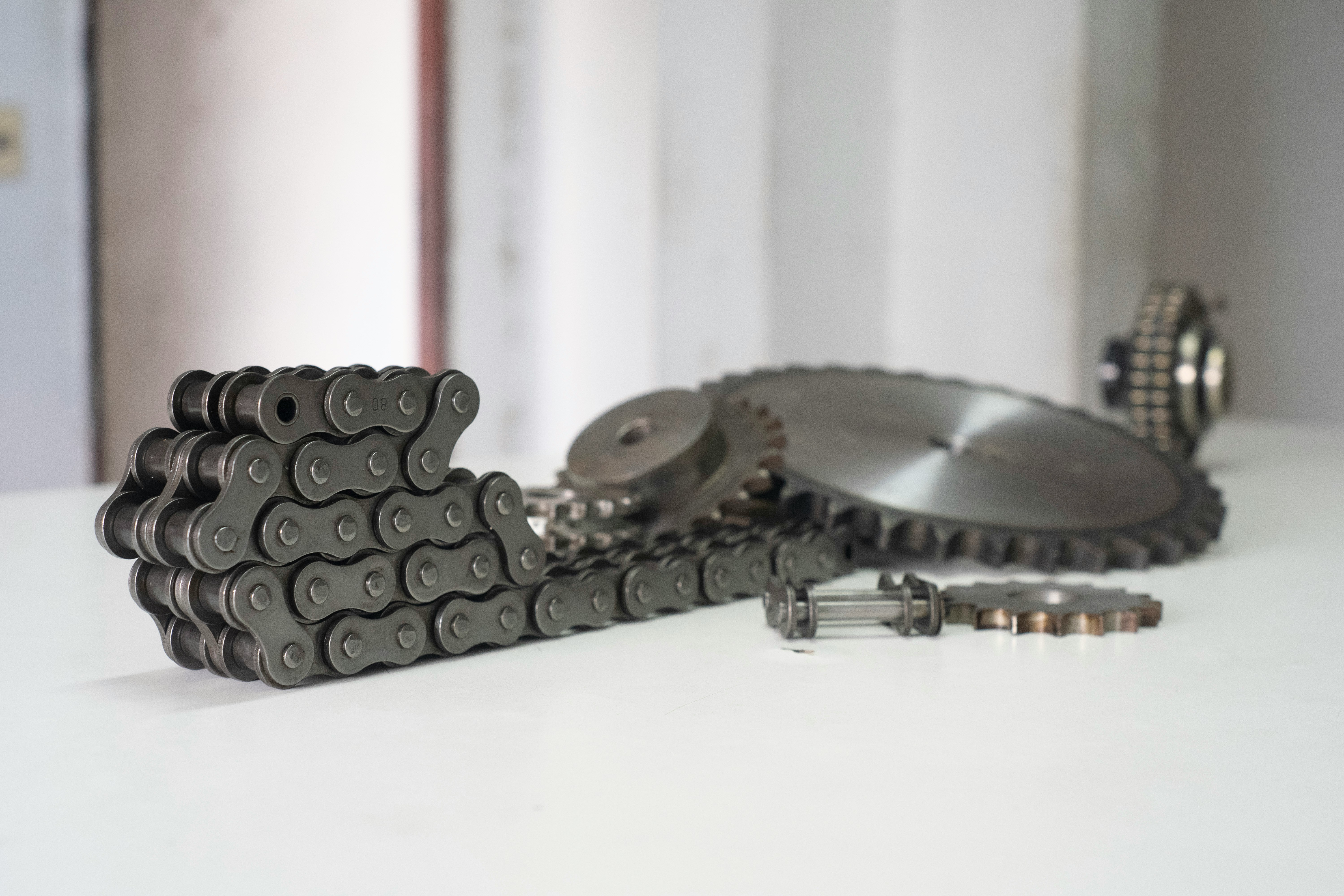
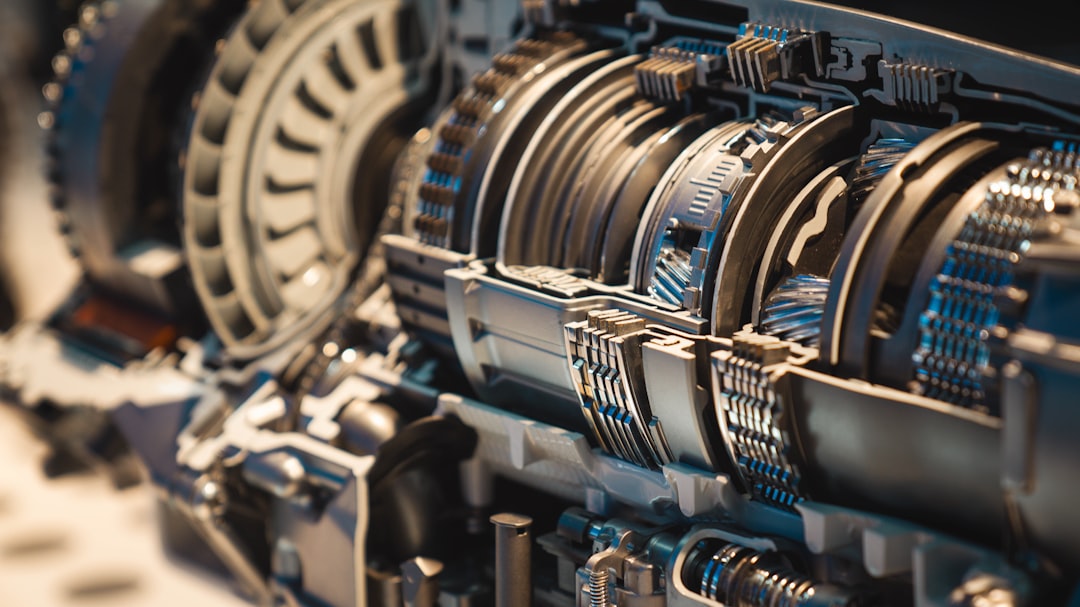
Every front-wheel-drive automatic A4 from B6 through B8 left the factory with a Multitronic CVT. Audi coded it 01J in the B6 and B7 and 0AW in the B8. Inside it, a steel chain runs between 2 pulley sets; hydraulic pressure clamps the pulleys onto the chain to set the ratio. When pump output or valve wear drops that pressure, the chain loses grip under hard throttle; high-speed passing is the hardest throttle most drivers use. A flashing PRNDS readout signals a stored fault and limp protection. The control module for this CVT bolts inside the case where fluid heat runs highest, and module faults cause the same flare and flash as worn parts.
Quattro Cars Slip For Different Reasons
Audi never paired quattro with the CVT; automatic quattro A4s of those years run a conventional torque-converter unit, the 6-speed and later 8-speed Tiptronic. Slip on these units points at the clutch packs, which grip only as well as their fluid allows. Friction additives in the fluid wear out with miles and heat, and a clutch pack in exhausted fluid starts to slide under the loads passing creates. A fluid and filter change near the 60,000-mile mark restores the friction properties the clutches depend on. Most of the high-mileage Tiptronic slip we see comes from fluid that ran far past that mark.
2017 And Newer A4s Run A Dual-Clutch
The B9 generation arrived for 2017 and retired both older units in favor of a 7-speed S tronic dual-clutch. Two wet clutch packs trade off between odd and even gears, and both run submerged in a dedicated clutch fluid. Slip here arrives as a rev flare during a full-throttle upshift, sometimes paired with a shudder as a worn clutch grabs late. Audi put a short interval on that clutch fluid, near 40,000 miles, because the clutches shed material into it with every shift. An S tronic caught at the first flare gets fluid and a relearn far more than it gets new clutches.
What We Check Before Anyone Says Rebuild
Our first step is electronic: the slip and adaptation values the transmission computer records separate a control fault from mechanical wear before any teardown talk. Fluid condition comes next; on all 3 units the level gets set through an overflow plug while a scan tool reads fluid temperature inside a narrow window. A fill done outside that window leaves the level wrong, which mimics every slip symptom on this page. Heat damage moves a repair from fluid to hardware; how many miles you drive between the first flare and your call sets which repair you get.
Front-wheel drive or quattro is the first thing we ask, because the answer narrows 3 possible transmissions to 1 before the car arrives. Call Fremont Foreign Auto at (510) 793-6067.