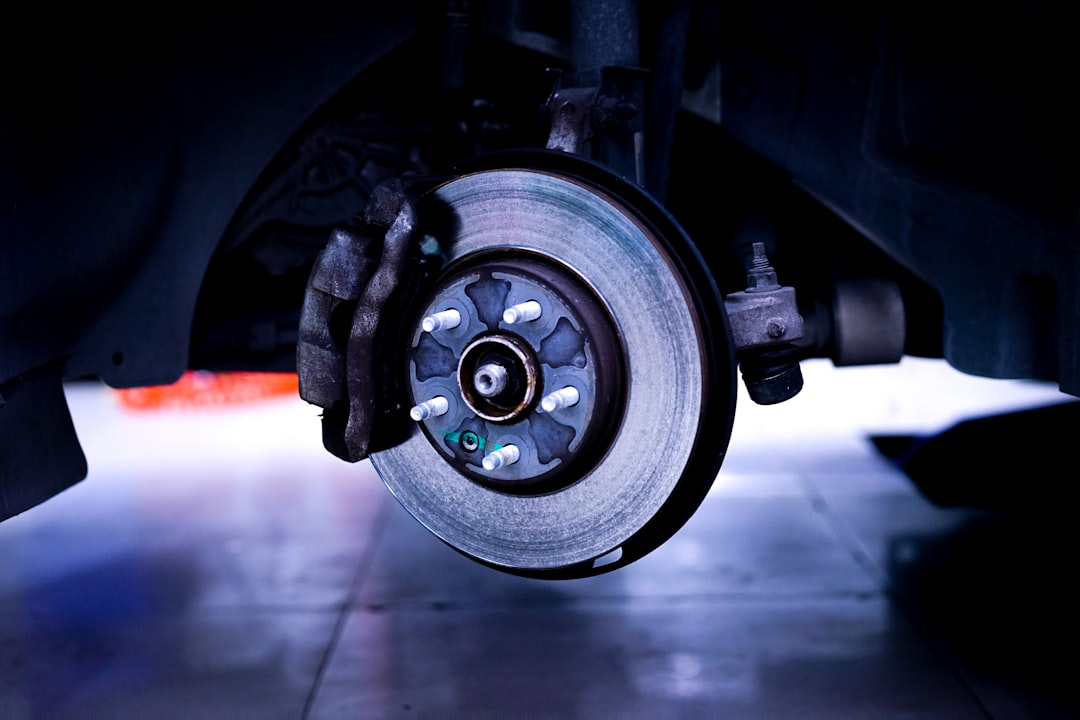
Your BMW 3 Series stops with 8 brake pads; only 2 of them carry a wear sensor. BMW puts one sensor at the front-left wheel and one at the rear-right, and the other 6 pads wear without any electronic check. Most owners count on the dash to flag worn pads at all 4 wheels, which it cannot do. Milpitas drivers bring their 3 Series brakes to us at Fremont Foreign Auto; our shop works out of Fremont, CA. Knowing which wheels the system measures, and which it skips, keeps a pad job from growing into a rotor job.
The Two Brake Warnings In Your Cluster
Condition Based Service, or CBS, is the BMW system that estimates pad life at each axle. It blends your mileage and braking habits with sensor input, then posts a remaining distance in the iDrive service menu. An early yellow stage leaves you weeks to plan the visit. The red warning is different, because by then the rotor has cut into the sensor itself. Yellow gives you scheduling room; red marks a pad already at its wear limit.
The 6 Pads Without A Sensor
The wear sensor at the front-left wheel rides on one pad, and the rear-right sensor does the same. BMW assumes both wheels on an axle wear at the same rate; on a healthy car they nearly do. A caliper with sticking guide pins breaks that assumption by dragging one unmonitored pad against the rotor all day. The pad on that wheel can grind down to bare steel while the cluster still shows thousands of miles remaining. One wheel collecting far more black dust than the other 3 points to a dragging caliper at that position. Catching that pattern in a parking lot costs nothing and saves the rotor underneath.
The Sounds That Arrive Before Any Light
Your ears catch most brake problems before either warning stage. A thin squeal at low speed comes from a pad reaching the end of its friction material. Deep grinding means the steel backing of the pad is scraping the rotor face directly, and every stop in that state carves the rotor deeper. The brake fluid level drops as pads wear, because the caliper pistons sit farther out and hold more fluid in the lines. A reservoir reading low without any wet spots under the car is one more clue that the pads are due.
The One-Time Sensor And The Required Reset
Each wear sensor works exactly once, since the rotor slices through its wire loop to trigger the red warning. A sensor that has touched the rotor at all gets replaced with the pads instead of going back in. Every pad job ends with a CBS reset, so the countdown matches the new pads instead of the old ones. When the reset gets skipped, the cluster keeps counting down the old pads, and every estimate after that runs wrong. Rear pads on newer 3 Series models add one more step. BMW software must place the electric parking brake motors in a service position before the rear pistons move.
Rotors And Fluid Measured At Every Pad Job
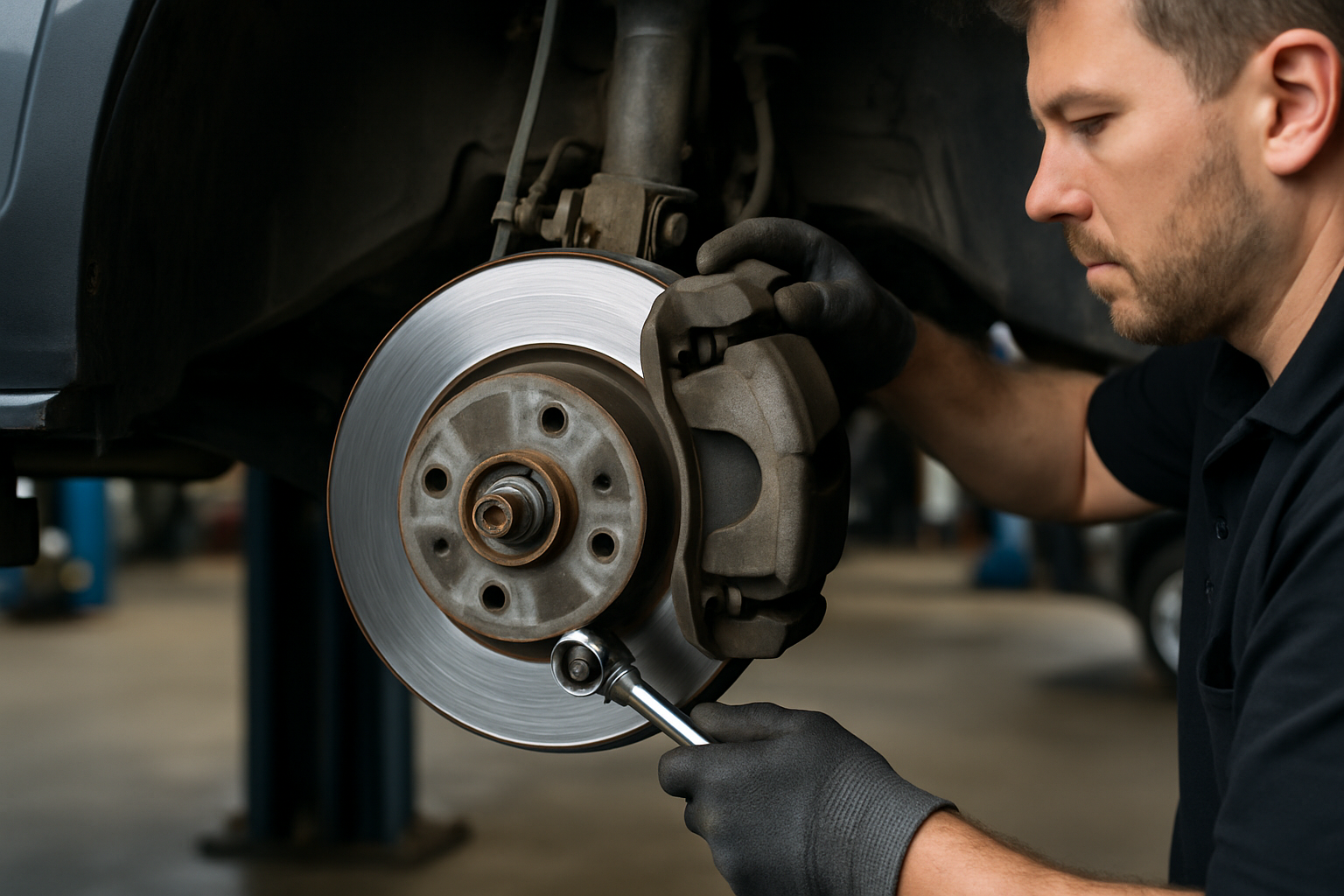
New pads only stop as well as the rotor they press against, so we measure every rotor at each pad service and compare it to the BMW minimum. Rotors below that number fade on long downhill grades, and 3 Series rotors wear down along with the pads by design. Many 3 Series rotors reach their limit by the second set of pads; the micrometer reading settles the question. Brake fluid gets a moisture test at the same visit, because it absorbs water over time and BMW calls for a change every 2 years. Wet fluid boils sooner under hard repeated stops, and boiled fluid in the lines turns a firm pedal spongy.
A 4-Wheel Measurement Before The Grinding Starts
Factory sensors cover 2 wheels; our measurement covers all 4. Call Fremont Foreign Auto at (510) 793-6067 and set up a brake measurement for your 3 Series. We pull all 4 wheels and measure the pad thickness at every position, including the 6 the sensors never touch. You leave with measured pad thickness at each wheel and a clear yes or no on rotors this round. One pad measured in time keeps the rotor it presses on; that is the cheapest version of this repair.