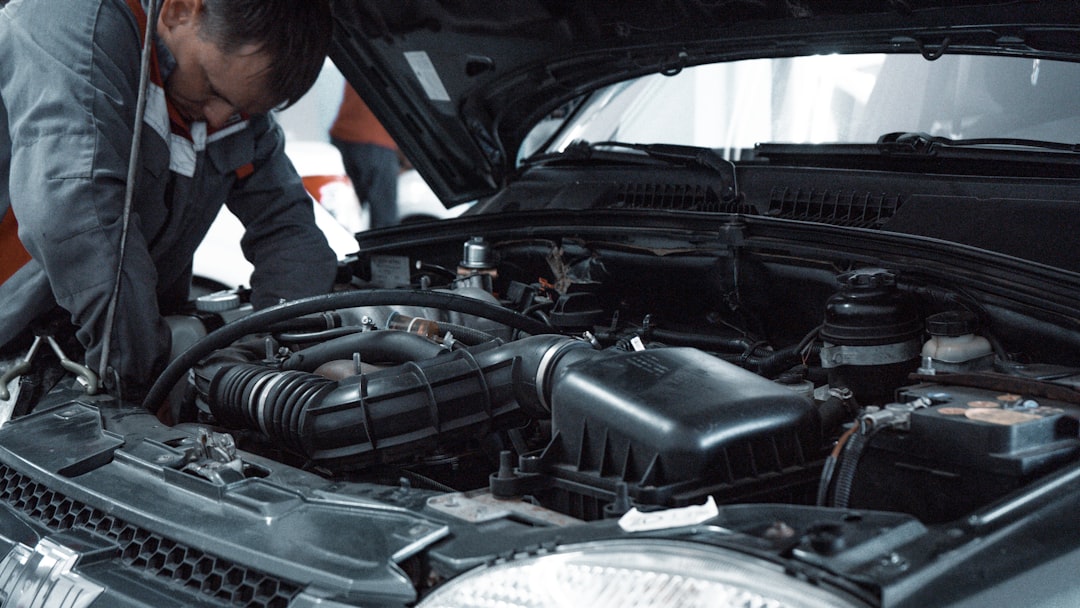
An owner who tops off the oil and keeps driving the XC90 had a warning weeks earlier. Engine trouble on a Volvo shows up as small, readable signs long before the day the car strands someone. Catching those signs early keeps a contained repair from growing into the whole engine job. We sort the early signals from the harmless quirks at Fremont Foreign Auto in Fremont, CA. Union City drivers bring us the XC90 at the first odd noise, smell, or gauge reading, before it spreads.
Blue Smoke And Oil That Vanishes With No Puddle
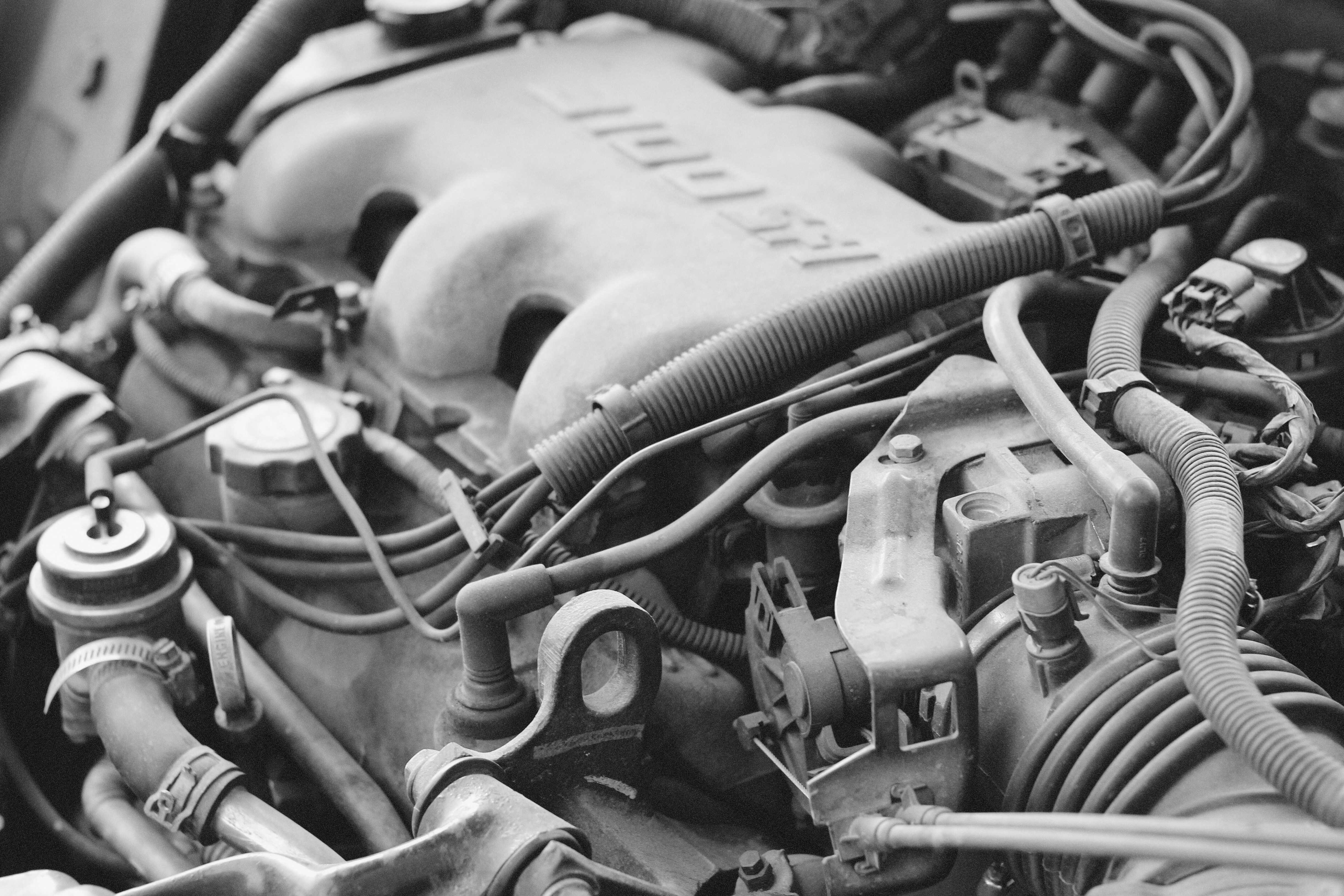
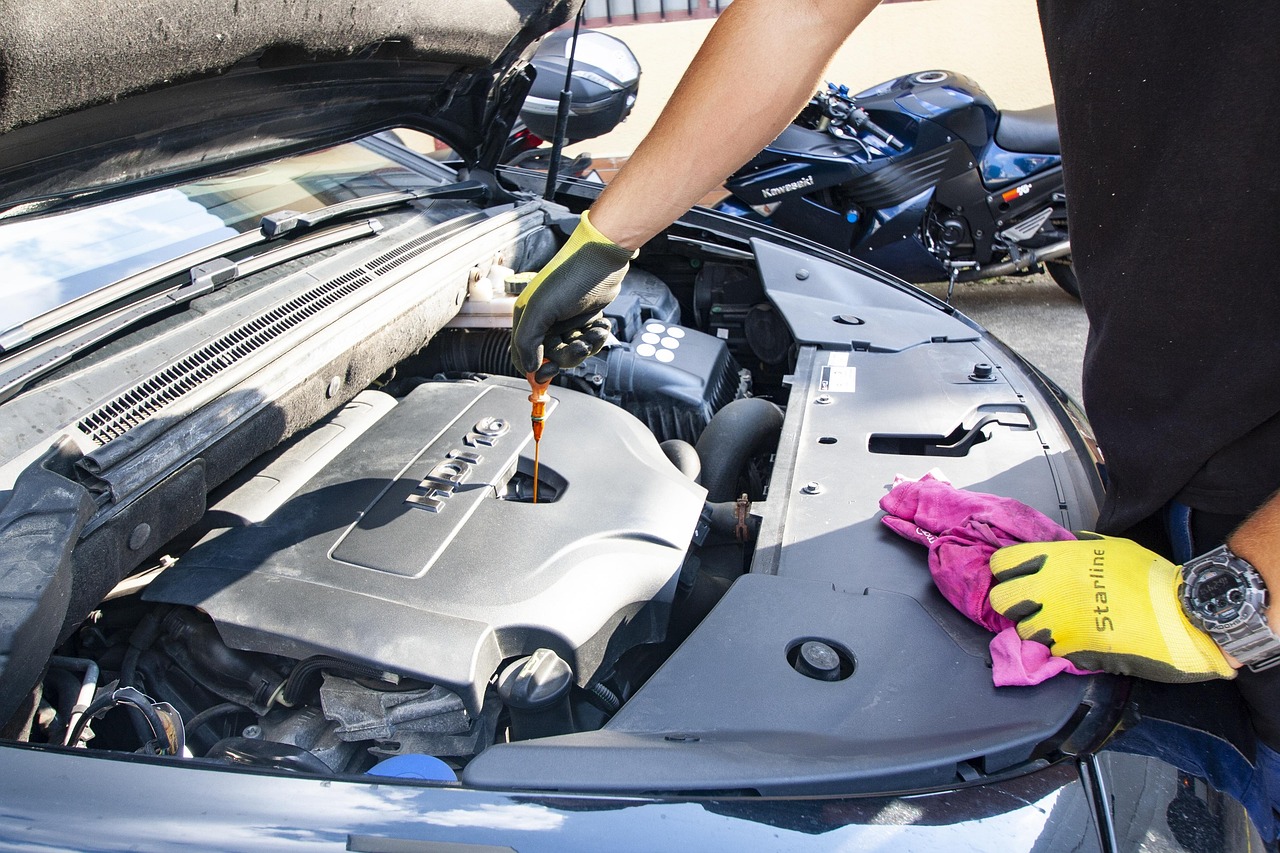
Blue smoke from the tailpipe, paired with an oil level that keeps dropping, points inside the engine. Older XC90 models with the 2.5-liter inline-five run a crankcase ventilation system that clogs with age. When that ventilation blocks, pressure builds in the crankcase and forces oil past the seals and rings. The engine then burns that oil or weeps it out, which shows as smoke and a falling dipstick with no puddle below. Reading crankcase pressure at the oil filler neck comes before anyone talks about an engine teardown. That check takes minutes and separates a blocked vent from worn rings, which point to far different repairs.
Power That Surges Then Goes Flat Under Your Foot
Both the T6 and T8 XC90 carry an unusual setup, a supercharger and a turbocharger feeding the same 2.0-liter engine. Boost builds from the supercharger at low RPM, then the turbocharger takes over as the revs climb. When that handoff goes wrong, you feel a surge, a flat spot, or a hesitation right at the moment the engine should pull hardest up an on-ramp. A leak in the boost plumbing or a worn supercharger clutch shows up here long before a code does. We pressure-test the charge system and watch the supercharger engage before we chase the wrong part. T8 models add an electric motor on the rear axle, which masks early boost faults until they grow worse.
The Chain You Think You Have Is A Belt
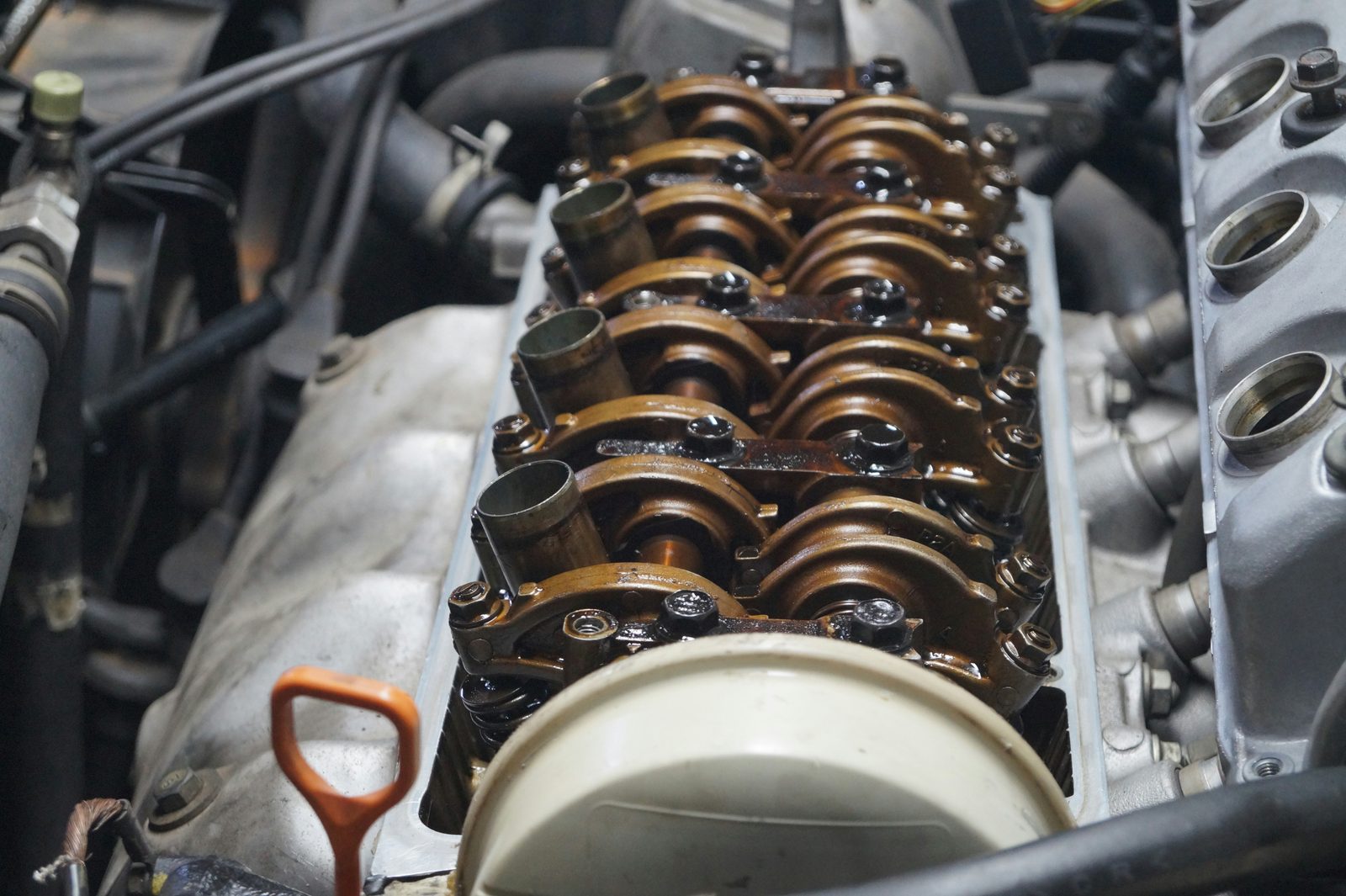
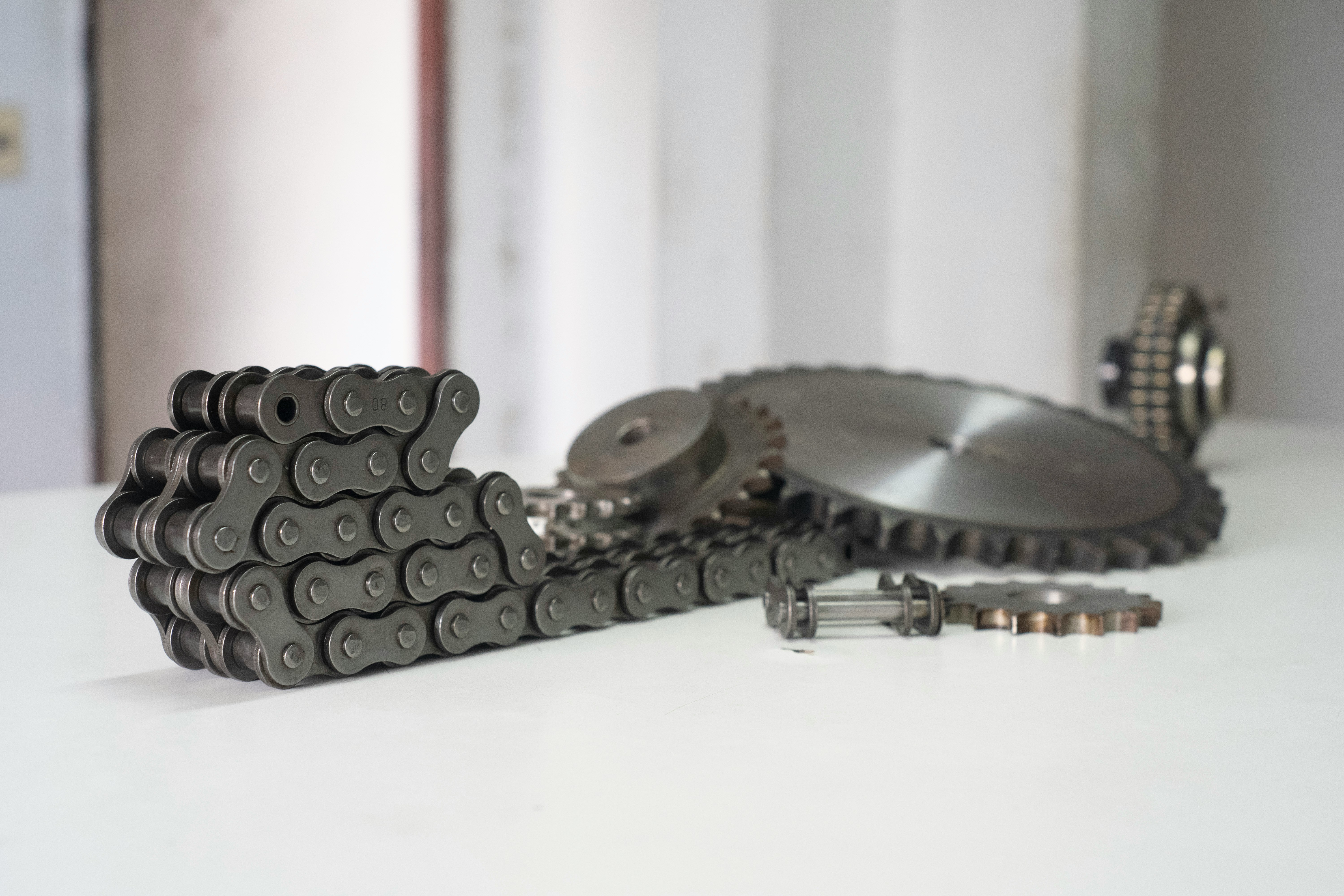
Most XC90 owners assume the engine runs a maintenance-free timing chain, like the old inline-six did. The 2.0-liter Drive-E engine instead uses a timing belt, and Volvo schedules that belt for replacement. A belt left past its interval can snap, and this engine bends its own valves when the belt lets go. Belt noise can arrive as a whir or a light rattle from the front of the engine, well before it fails. Inspecting the belt and its tensioner during service keeps a snapped belt from stranding you on the road. Oil contamination or heat shortens a belt's life ahead of schedule.
Coolant Dropping While The Temperature Climbs
A coolant reservoir that needs topping off, with no leak on the driveway, signals coolant going somewhere it should not. Coolant can escape into the combustion chambers through a failing head gasket and leave through the exhaust as vapor. The temperature needle creeping up in traffic is the engine warning you that cooling is losing the fight. An XC90 overheated even once can crack a head gasket, which turns a cooling repair into engine surgery. Pressure-testing the cooling system finds the loss while it is still a hose or a cap, not a cracked head.
A Small Oil Seep That Rots The Timing Belt
An oil seep at the front engine cover looks minor next to the parts it threatens behind it. That timing belt runs close to these front seals, and oil eats belt rubber from the outside in. A seal that costs little to replace becomes a belt-and-valve job once the oil soaks the belt. We trace any front-end oil leak to its exact seal and judge whether the belt took damage already. Fixing the seep early protects the belt and the valves it drives. Replacing the seal and the belt together, when oil reached it, makes the fix hold the first time.
Read The First Sign While It Is Still Cheap
Every sign here starts as a small repair and ends as a large one if the XC90 keeps driving on it. Call Fremont Foreign Auto at (510) 793-6067 the first time your Volvo smokes or surges under your foot. We run the exact check your sign points to, whether that is crankcase pressure or belt wear.