 A MINI Cooper is built tight enough that any new sound stands out the day it shows up, which makes the car easier to read than larger sedans where wind and road rumble bury small mechanical signals. The owner usually knows the noise is new before the shop does, and the description of the noise alone narrows the cause to one or two parts most of the time. Fremont Foreign Auto, based in Fremont, CA, serves Union City MINI Cooper owners across R56, F56, and F55 generations, and the five sounds below cover most of what brings owners in through the front door. Reading the sound right is half the appointment before any tool comes off the wall.
The Cold-Start Rattle From the Front of the Engine
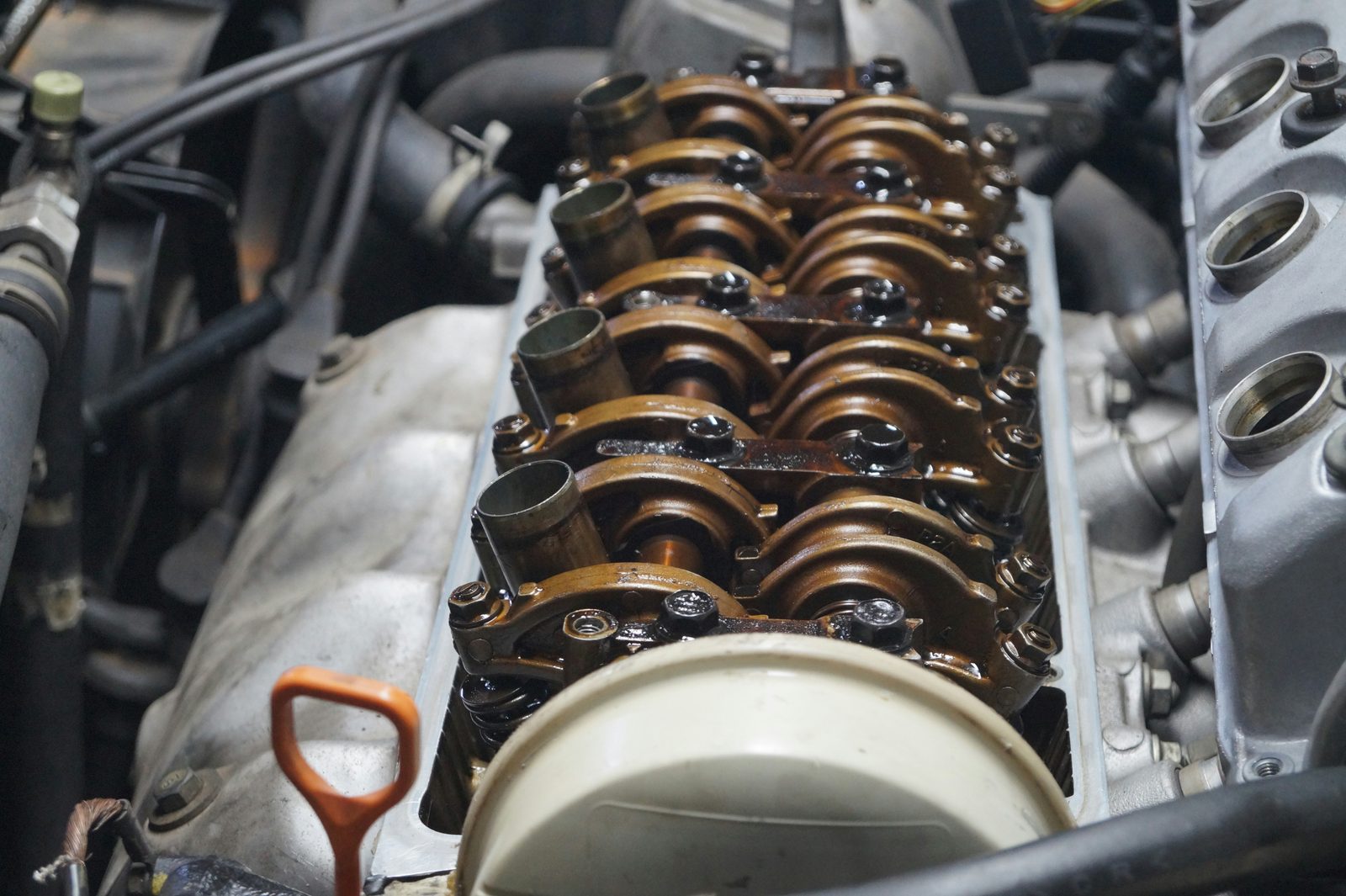
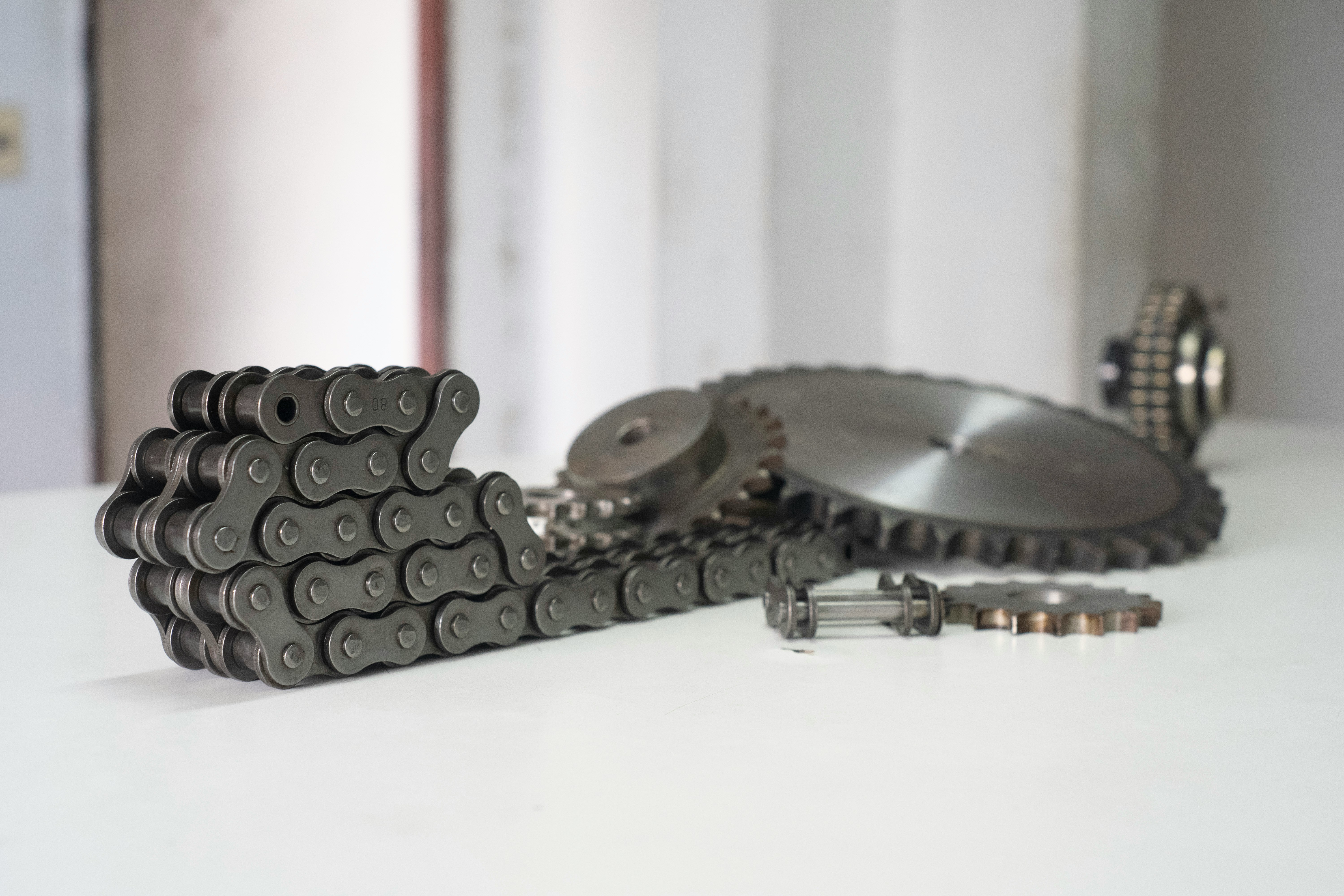
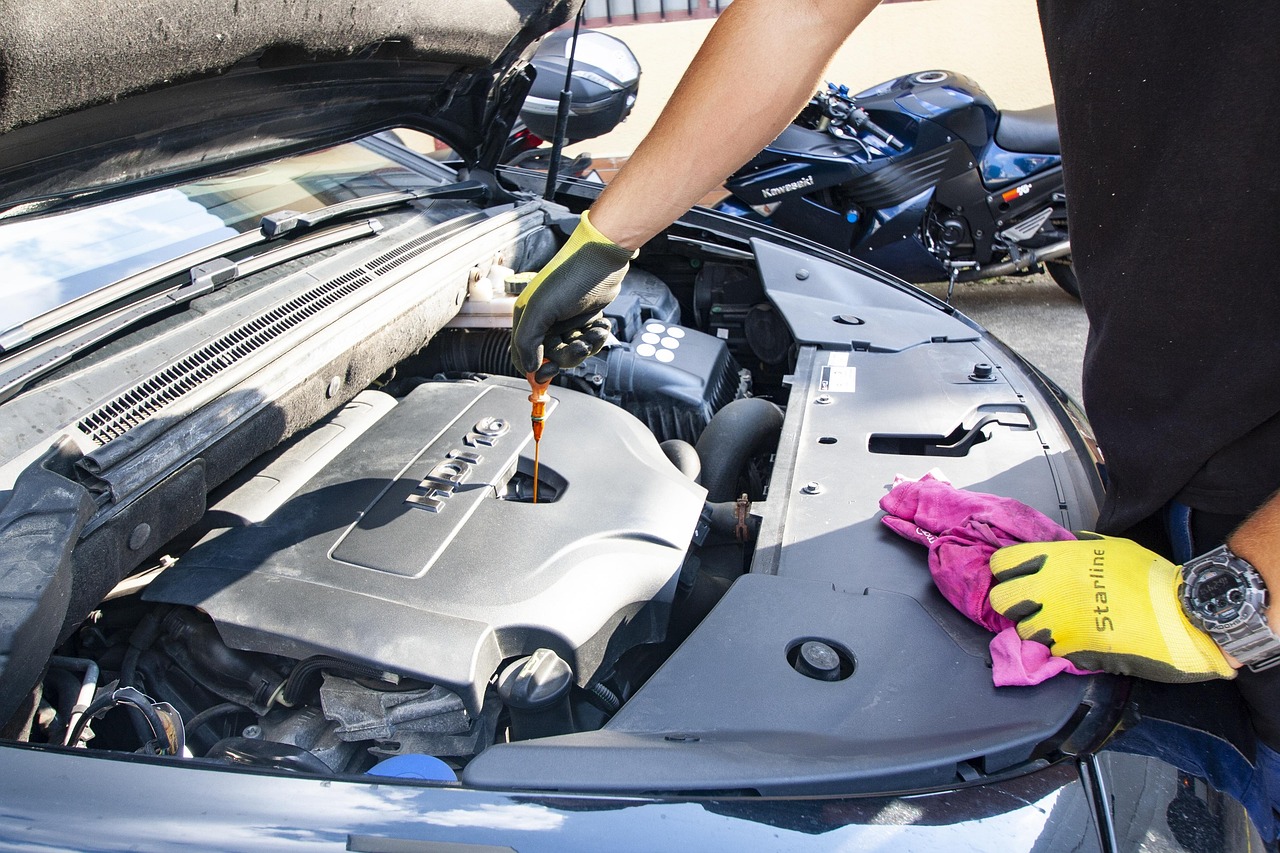
If your MINI rattles for two or three seconds on the very first start of the day and then quiets down, the source is almost always the timing chain at the front of the engine. The R56 N14 and N18 engines wear their chain tensioner and guides faster than the engine wears anything else, and the slack in the chain rattles audibly until oil pressure tightens the tensioner. A chain that's let go enough to skip teeth on the cam sprocket can bend valves the moment it jumps, and the repair becomes far larger than a chain replacement. We inspect chain stretch with a stethoscope on the timing cover and visual access through the valve cover, and the fix is straightforward when it's caught before the jump.
The Whine That Gets Louder With Speed
Does the whine rise in pitch as you accelerate, then quiet when you change lanes one direction and grow louder when you change lanes the other? That pattern is the front wheel bearings asking for replacement. MINIs wear bearings faster than larger cars because the short wheelbase, front-wheel-drive layout, and aggressive cornering pile weight onto one front wheel at a time. The lane-change trick isolates which side: turning slightly loads the opposite bearing, and a worn bearing gets louder when loaded. Confirmation happens on the lift, where the wheel can be rocked by hand to feel the play.
The Clunk Over Bumps and Potholes
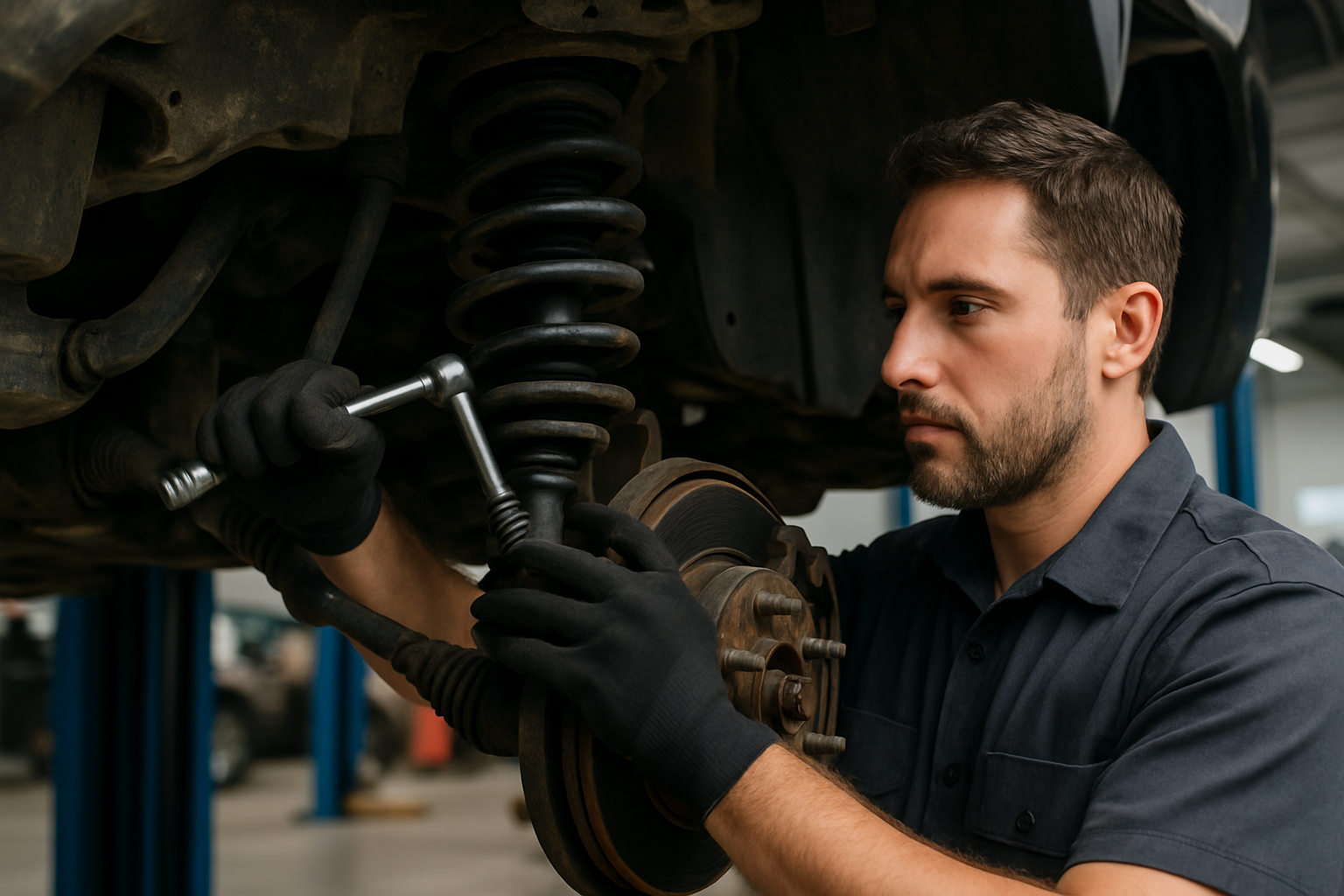
A clunk that shows up on speed bumps and patched asphalt usually comes from front suspension components past 60,000 miles. The control arm bushings, the sway bar end links, and the strut mounts are the three usual suspects, and a single MINI can have one, two, or all three contributing. Levering each component on the lift identifies which one has the play, since the clunk itself doesn't volunteer the answer. Replacing only what's worn rather than swapping the whole front end saves the customer money and keeps unnecessary parts off the bill.
The Grinding Sound Every Time You Brake
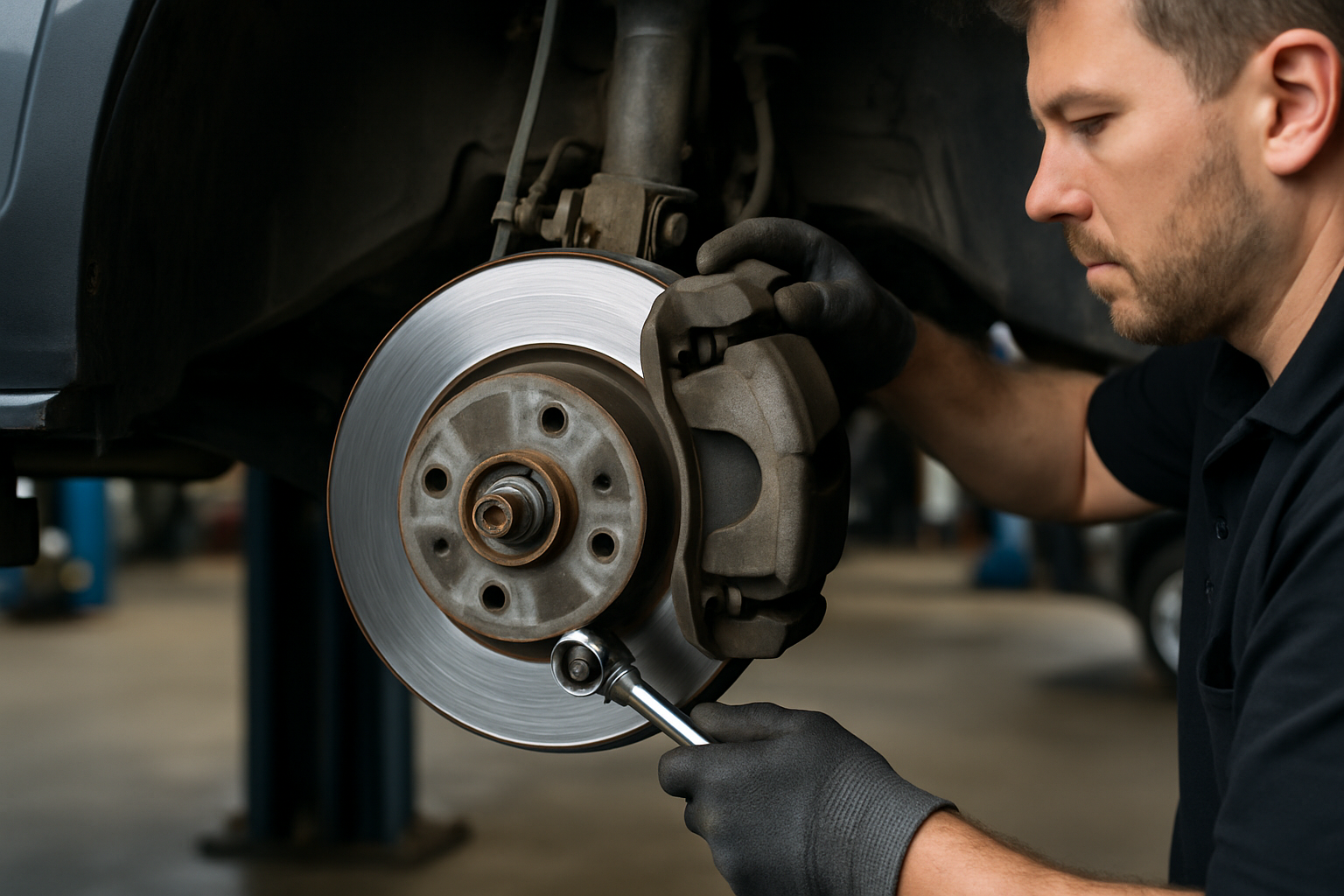
Grinding while braking means the friction material on the pad is gone and the metal backing plate is grinding against the rotor. The rotor takes damage fast at that point, and a same-week appointment is the difference between a brake job and a brake job plus new rotors. A stuck caliper slider can produce a similar grinding from a single corner even when the pads have miles left, since the dragging pad heats up and the surface glazes. We check both at every brake inspection on a MINI with this complaint.
The Drone or Rattle From Underneath at Speed
A persistent buzz or rattle from beneath the car at highway speed often traces to a loose exhaust heat shield. The shields are stamped sheet metal that bolts to the underside, and their mounting tabs can fatigue and lose grip over years of thermal cycling. The shield then vibrates against the exhaust pipe at certain RPMs and produces a noise that owners describe as everything from a buzzing to a tin-can rattle. The repair takes about twenty minutes and gets overlooked by shops that don't put the car on the lift with a flashlight.
Call With the Sound and We'll Help Match It to a Cause
Phone Fremont Foreign Auto at (510) 793-6067 with a description of what your MINI is doing audibly, and we'll book the appointment knowing roughly what we're looking for before you even arrive. Union City MINI owners get a shop that listens to the noise first and reaches for the parts catalog second.
A MINI Cooper is built tight enough that any new sound stands out the day it shows up, which makes the car easier to read than larger sedans where wind and road rumble bury small mechanical signals. The owner usually knows the noise is new before the shop does, and the description of the noise alone narrows the cause to one or two parts most of the time. Fremont Foreign Auto, based in Fremont, CA, serves Union City MINI Cooper owners across R56, F56, and F55 generations, and the five sounds below cover most of what brings owners in through the front door. Reading the sound right is half the appointment before any tool comes off the wall.
The Cold-Start Rattle From the Front of the Engine
If your MINI rattles for two or three seconds on the very first start of the day and then quiets down, the source is almost always the timing chain at the front of the engine. The R56 N14 and N18 engines wear their chain tensioner and guides faster than the engine wears anything else, and the slack in the chain rattles audibly until oil pressure tightens the tensioner. A chain that's let go enough to skip teeth on the cam sprocket can bend valves the moment it jumps, and the repair becomes far larger than a chain replacement. We inspect chain stretch with a stethoscope on the timing cover and visual access through the valve cover, and the fix is straightforward when it's caught before the jump.
The Whine That Gets Louder With Speed
Does the whine rise in pitch as you accelerate, then quiet when you change lanes one direction and grow louder when you change lanes the other? That pattern is the front wheel bearings asking for replacement. MINIs wear bearings faster than larger cars because the short wheelbase, front-wheel-drive layout, and aggressive cornering pile weight onto one front wheel at a time. The lane-change trick isolates which side: turning slightly loads the opposite bearing, and a worn bearing gets louder when loaded. Confirmation happens on the lift, where the wheel can be rocked by hand to feel the play.
The Clunk Over Bumps and Potholes
A clunk that shows up on speed bumps and patched asphalt usually comes from front suspension components past 60,000 miles. The control arm bushings, the sway bar end links, and the strut mounts are the three usual suspects, and a single MINI can have one, two, or all three contributing. Levering each component on the lift identifies which one has the play, since the clunk itself doesn't volunteer the answer. Replacing only what's worn rather than swapping the whole front end saves the customer money and keeps unnecessary parts off the bill.
The Grinding Sound Every Time You Brake
Grinding while braking means the friction material on the pad is gone and the metal backing plate is grinding against the rotor. The rotor takes damage fast at that point, and a same-week appointment is the difference between a brake job and a brake job plus new rotors. A stuck caliper slider can produce a similar grinding from a single corner even when the pads have miles left, since the dragging pad heats up and the surface glazes. We check both at every brake inspection on a MINI with this complaint.
The Drone or Rattle From Underneath at Speed
A persistent buzz or rattle from beneath the car at highway speed often traces to a loose exhaust heat shield. The shields are stamped sheet metal that bolts to the underside, and their mounting tabs can fatigue and lose grip over years of thermal cycling. The shield then vibrates against the exhaust pipe at certain RPMs and produces a noise that owners describe as everything from a buzzing to a tin-can rattle. The repair takes about twenty minutes and gets overlooked by shops that don't put the car on the lift with a flashlight.
Call With the Sound and We'll Help Match It to a Cause
Phone Fremont Foreign Auto at (510) 793-6067 with a description of what your MINI is doing audibly, and we'll book the appointment knowing roughly what we're looking for before you even arrive. Union City MINI owners get a shop that listens to the noise first and reaches for the parts catalog second.
Union City, CA - Are You Hearing Strange Noises from Your MINI Cooper?
SYNOPSIS: Fremont Foreign Auto helps MINI owners identify rattles, whines, clunks, and grinding sounds across R56, F56, and F55 models.
Identifying MINI Cooper Noises in Union City
BY: Eduardo Porta, Fremont Foreign Auto
A MINI Cooper is built tight enough that any new sound stands out the day it shows up, which makes the car easier to read than larger sedans where wind and road rumble bury small mechanical signals. The owner usually knows the noise is new before the shop does, and the description of the noise alone narrows the cause to one or two parts most of the time. Fremont Foreign Auto, based in Fremont, CA, serves Union City MINI Cooper owners across R56, F56, and F55 generations, and the five sounds below cover most of what brings owners in through the front door. Reading the sound right is half the appointment before any tool comes off the wall.
The Cold-Start Rattle From the Front of the Engine
If your MINI rattles for two or three seconds on the very first start of the day and then quiets down, the source is almost always the timing chain at the front of the engine. The R56 N14 and N18 engines wear their chain tensioner and guides faster than the engine wears anything else, and the slack in the chain rattles audibly until oil pressure tightens the tensioner. A chain that's let go enough to skip teeth on the cam sprocket can bend valves the moment it jumps, and the repair becomes far larger than a chain replacement. We inspect chain stretch with a stethoscope on the timing cover and visual access through the valve cover, and the fix is straightforward when it's caught before the jump.
The Whine That Gets Louder With Speed
Does the whine rise in pitch as you accelerate, then quiet when you change lanes one direction and grow louder when you change lanes the other? That pattern is the front wheel bearings asking for replacement. MINIs wear bearings faster than larger cars because the short wheelbase, front-wheel-drive layout, and aggressive cornering pile weight onto one front wheel at a time. The lane-change trick isolates which side: turning slightly loads the opposite bearing, and a worn bearing gets louder when loaded. Confirmation happens on the lift, where the wheel can be rocked by hand to feel the play.
The Clunk Over Bumps and Potholes
A clunk that shows up on speed bumps and patched asphalt usually comes from front suspension components past 60,000 miles. The control arm bushings, the sway bar end links, and the strut mounts are the three usual suspects, and a single MINI can have one, two, or all three contributing. Levering each component on the lift identifies which one has the play, since the clunk itself doesn't volunteer the answer. Replacing only what's worn rather than swapping the whole front end saves the customer money and keeps unnecessary parts off the bill.
The Grinding Sound Every Time You Brake
Grinding while braking means the friction material on the pad is gone and the metal backing plate is grinding against the rotor. The rotor takes damage fast at that point, and a same-week appointment is the difference between a brake job and a brake job plus new rotors. A stuck caliper slider can produce a similar grinding from a single corner even when the pads have miles left, since the dragging pad heats up and the surface glazes. We check both at every brake inspection on a MINI with this complaint.
The Drone or Rattle From Underneath at Speed
A persistent buzz or rattle from beneath the car at highway speed often traces to a loose exhaust heat shield. The shields are stamped sheet metal that bolts to the underside, and their mounting tabs can fatigue and lose grip over years of thermal cycling. The shield then vibrates against the exhaust pipe at certain RPMs and produces a noise that owners describe as everything from a buzzing to a tin-can rattle. The repair takes about twenty minutes and gets overlooked by shops that don't put the car on the lift with a flashlight.
Call With the Sound and We'll Help Match It to a Cause
Phone Fremont Foreign Auto at (510) 793-6067 with a description of what your MINI is doing audibly, and we'll book the appointment knowing roughly what we're looking for before you even arrive. Union City MINI owners get a shop that listens to the noise first and reaches for the parts catalog second.