 Two shops can both quote you a brake inspection on an X5 and deliver completely different work behind the same word. One version takes five minutes and a flashlight through the wheel spokes while the wheels stay on. The other takes about an hour with every wheel off, a micrometer in hand, and an electronic tester touching the brake fluid. The first version protects the shop's schedule. The second protects everyone in the car the next time the X5 needs to stop fast on a wet Milpitas downhill. Fremont Foreign Auto is based in Fremont, CA, services Milpitas regularly, and treats an X5 brake inspection as physical work on the lift rather than a glance through a tire.
Pad and Rotor Thickness in Millimeters That Mean Something
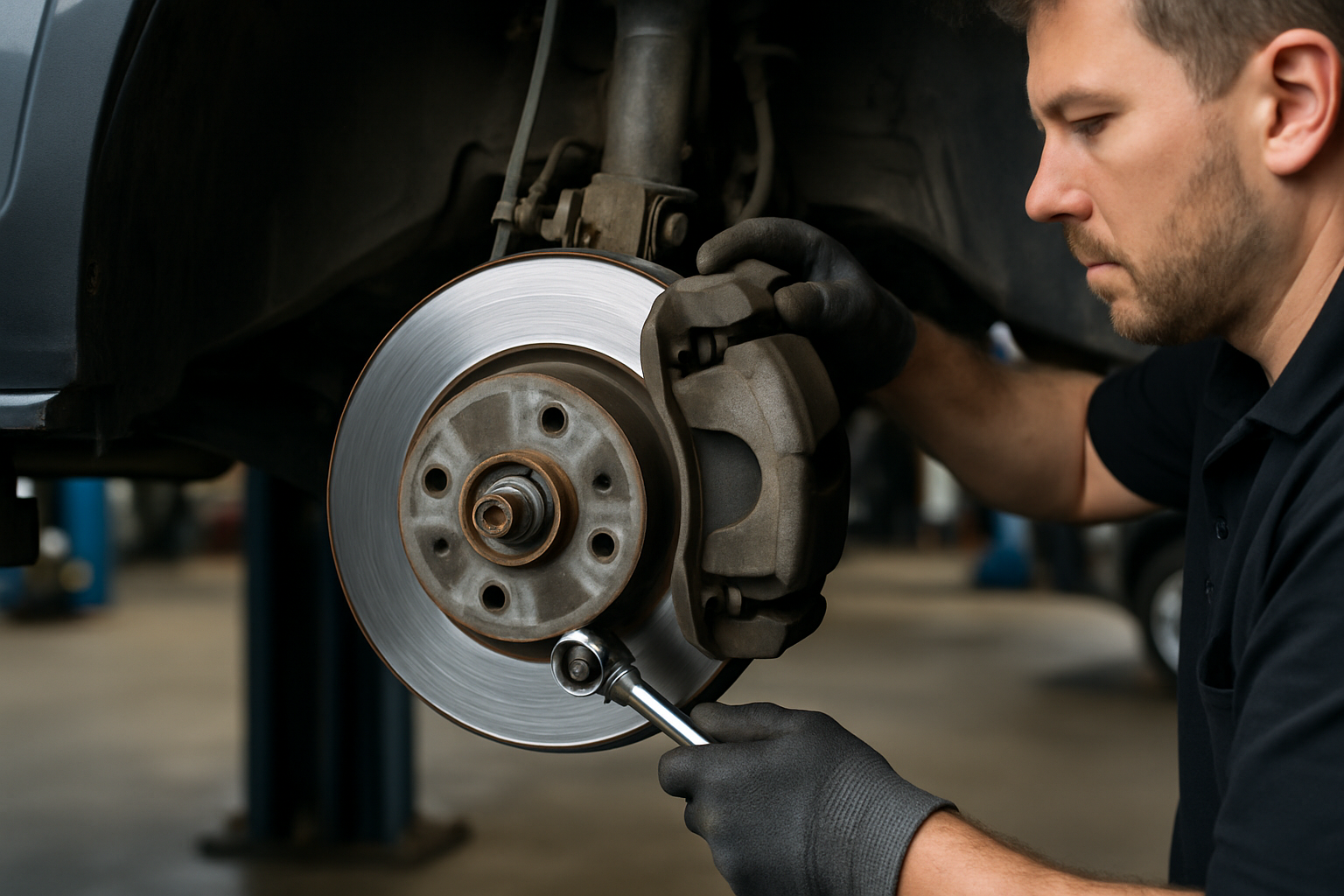
The first measurement is pad thickness at the thinnest point of each pad, taken with calipers or a dedicated pad gauge in millimeters, not estimated by eye through the wheel. The second measurement is rotor thickness, checked with a micrometer at the rotor's thinnest point and compared to the minimum thickness specification stamped on the rotor hub. The third measurement is rotor runout, measured with a dial indicator pressed against the rotor face while the wheel is spun by hand. Those three numbers tell us what's left, where the wear is heading, and whether anything is warped or out of true. The numbers replace the guesswork that "looks fine from here" produces every time.
Brake Fluid Is a Wear Item Most Owners Don't Know About
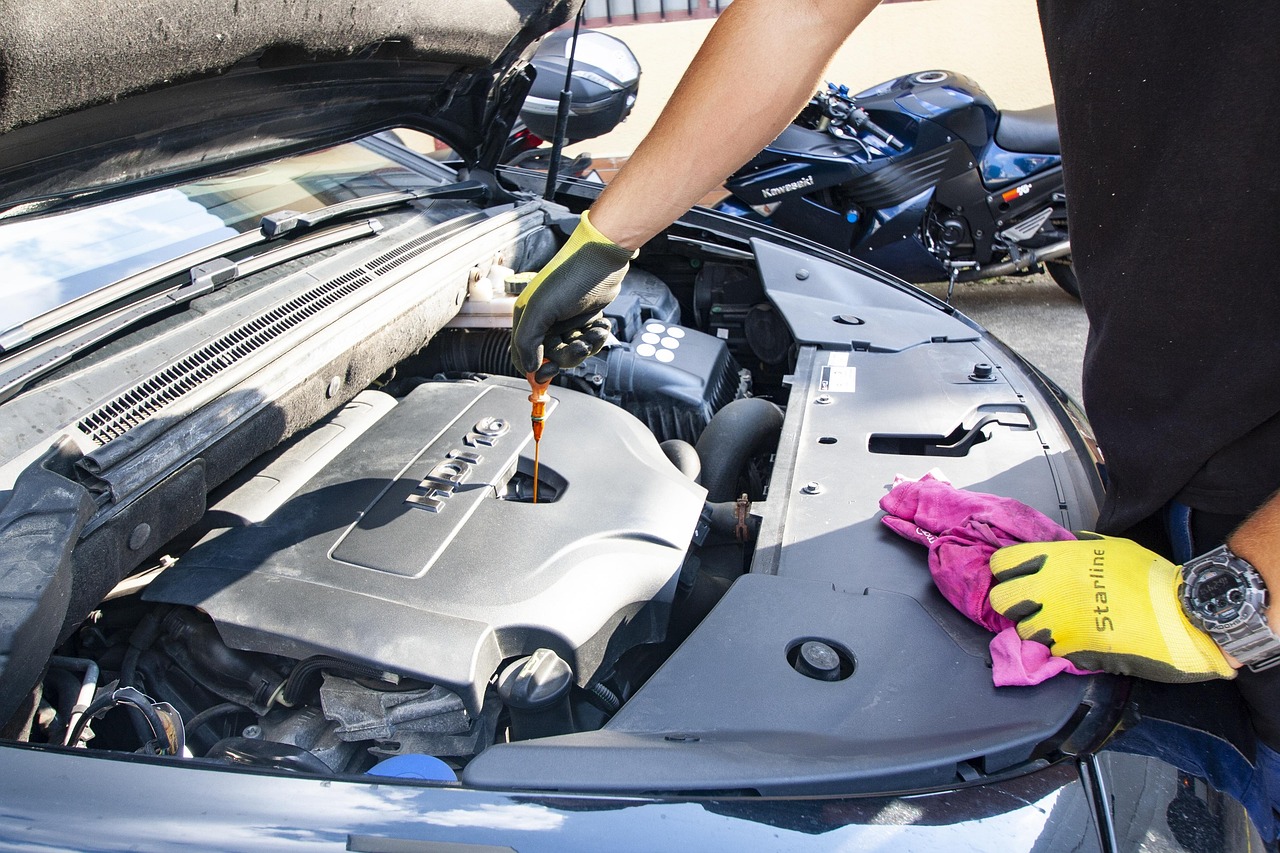
Brake fluid absorbs water from the surrounding air over time, even with the reservoir capped and the system sealed, because the fluid is hygroscopic by design and the seals aren't airtight under thermal cycling. As moisture content rises, the fluid's boiling point drops, and an X5 used on East Bay hills can boil aging fluid on a long descent and produce pedal fade exactly when stopping matters most. An electronic brake fluid tester reads moisture content in seconds and tells us whether a flush is overdue. We recommend a flush at three to four years regardless of mileage, because the fluid ages on the calendar as much as it does on the odometer.
Calipers, Sliders, and the X5 Parking Brake Reality
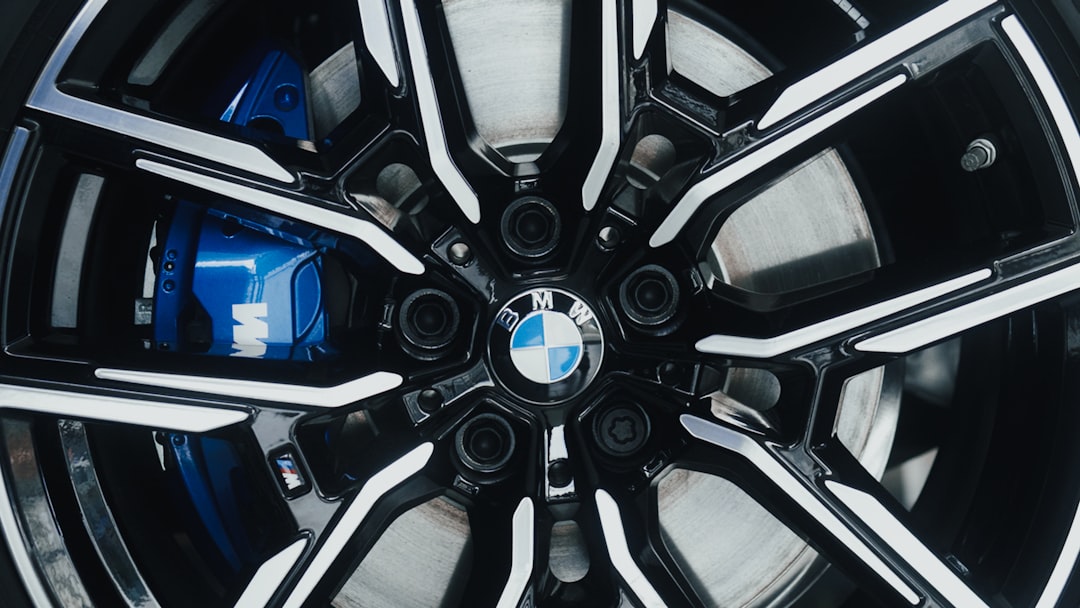
Each caliper gets inspected for piston movement, slider pin freedom, and any sign of fluid weep at the seals. Stuck sliders wear the inner pad faster than the outer, which shows up in the thickness measurement and tells us a story the wear sensor never reported. The rear caliper on F15 and G05 X5s carries an electric motor for the parking brake function, which means the rear pads can't come off without first placing the caliper into service mode through a BMW-capable scan tool. A shop without that scan tool will try to compress the piston manually, which damages the internal threads. We've replaced calipers ruined by exactly that shortcut at quick-service locations that took the brake job without the equipment.
Wear Sensors and the iDrive Reset Nobody Talks About
BMW pad wear sensors are designed for one-time use, since the contact wire on the old sensor has already been ground away by the worn pad as its warning signal. Every pad replacement requires brand-new sensors and a Condition Based Service reset performed through the iDrive system with a BMW-capable scan tool. Skipping the reset leaves a dashboard warning that won't clear, and skipping the new sensors leaves the next set of pads silent when they wear down. Both steps cost minutes during the original job and cost much more if a customer comes back to chase what was missed.
Book the Inspection That Earns the Name
Call Fremont Foreign Auto at (510) 793-6067 when your X5 is ready for a brake inspection that lives up to the word. Every wheel comes off, every number gets measured, every component gets checked by hand, and you leave with a written summary of where the brakes actually stand rather than a verbal reassurance.
Two shops can both quote you a brake inspection on an X5 and deliver completely different work behind the same word. One version takes five minutes and a flashlight through the wheel spokes while the wheels stay on. The other takes about an hour with every wheel off, a micrometer in hand, and an electronic tester touching the brake fluid. The first version protects the shop's schedule. The second protects everyone in the car the next time the X5 needs to stop fast on a wet Milpitas downhill. Fremont Foreign Auto is based in Fremont, CA, services Milpitas regularly, and treats an X5 brake inspection as physical work on the lift rather than a glance through a tire.
Pad and Rotor Thickness in Millimeters That Mean Something
The first measurement is pad thickness at the thinnest point of each pad, taken with calipers or a dedicated pad gauge in millimeters, not estimated by eye through the wheel. The second measurement is rotor thickness, checked with a micrometer at the rotor's thinnest point and compared to the minimum thickness specification stamped on the rotor hub. The third measurement is rotor runout, measured with a dial indicator pressed against the rotor face while the wheel is spun by hand. Those three numbers tell us what's left, where the wear is heading, and whether anything is warped or out of true. The numbers replace the guesswork that "looks fine from here" produces every time.
Brake Fluid Is a Wear Item Most Owners Don't Know About
Brake fluid absorbs water from the surrounding air over time, even with the reservoir capped and the system sealed, because the fluid is hygroscopic by design and the seals aren't airtight under thermal cycling. As moisture content rises, the fluid's boiling point drops, and an X5 used on East Bay hills can boil aging fluid on a long descent and produce pedal fade exactly when stopping matters most. An electronic brake fluid tester reads moisture content in seconds and tells us whether a flush is overdue. We recommend a flush at three to four years regardless of mileage, because the fluid ages on the calendar as much as it does on the odometer.
Calipers, Sliders, and the X5 Parking Brake Reality
Each caliper gets inspected for piston movement, slider pin freedom, and any sign of fluid weep at the seals. Stuck sliders wear the inner pad faster than the outer, which shows up in the thickness measurement and tells us a story the wear sensor never reported. The rear caliper on F15 and G05 X5s carries an electric motor for the parking brake function, which means the rear pads can't come off without first placing the caliper into service mode through a BMW-capable scan tool. A shop without that scan tool will try to compress the piston manually, which damages the internal threads. We've replaced calipers ruined by exactly that shortcut at quick-service locations that took the brake job without the equipment.
Wear Sensors and the iDrive Reset Nobody Talks About
BMW pad wear sensors are designed for one-time use, since the contact wire on the old sensor has already been ground away by the worn pad as its warning signal. Every pad replacement requires brand-new sensors and a Condition Based Service reset performed through the iDrive system with a BMW-capable scan tool. Skipping the reset leaves a dashboard warning that won't clear, and skipping the new sensors leaves the next set of pads silent when they wear down. Both steps cost minutes during the original job and cost much more if a customer comes back to chase what was missed.
Book the Inspection That Earns the Name
Call Fremont Foreign Auto at (510) 793-6067 when your X5 is ready for a brake inspection that lives up to the word. Every wheel comes off, every number gets measured, every component gets checked by hand, and you leave with a written summary of where the brakes actually stand rather than a verbal reassurance.
Milpitas, CA - Is Your BMW X5 Due for a Comprehensive Brake Inspection?
SYNOPSIS: Fremont Foreign Auto details BMW X5 brake inspections, covering pads, rotors, fluid testing, calipers, and sensor resets across key generations.
Comprehensive BMW X5 Brake Inspection in Milpitas
BY: Eduardo Porta, Fremont Foreign Auto
Two shops can both quote you a brake inspection on an X5 and deliver completely different work behind the same word. One version takes five minutes and a flashlight through the wheel spokes while the wheels stay on. The other takes about an hour with every wheel off, a micrometer in hand, and an electronic tester touching the brake fluid. The first version protects the shop's schedule. The second protects everyone in the car the next time the X5 needs to stop fast on a wet Milpitas downhill. Fremont Foreign Auto is based in Fremont, CA, services Milpitas regularly, and treats an X5 brake inspection as physical work on the lift rather than a glance through a tire.
Pad and Rotor Thickness in Millimeters That Mean Something
The first measurement is pad thickness at the thinnest point of each pad, taken with calipers or a dedicated pad gauge in millimeters, not estimated by eye through the wheel. The second measurement is rotor thickness, checked with a micrometer at the rotor's thinnest point and compared to the minimum thickness specification stamped on the rotor hub. The third measurement is rotor runout, measured with a dial indicator pressed against the rotor face while the wheel is spun by hand. Those three numbers tell us what's left, where the wear is heading, and whether anything is warped or out of true. The numbers replace the guesswork that "looks fine from here" produces every time.
Brake Fluid Is a Wear Item Most Owners Don't Know About
Brake fluid absorbs water from the surrounding air over time, even with the reservoir capped and the system sealed, because the fluid is hygroscopic by design and the seals aren't airtight under thermal cycling. As moisture content rises, the fluid's boiling point drops, and an X5 used on East Bay hills can boil aging fluid on a long descent and produce pedal fade exactly when stopping matters most. An electronic brake fluid tester reads moisture content in seconds and tells us whether a flush is overdue. We recommend a flush at three to four years regardless of mileage, because the fluid ages on the calendar as much as it does on the odometer.
Calipers, Sliders, and the X5 Parking Brake Reality
Each caliper gets inspected for piston movement, slider pin freedom, and any sign of fluid weep at the seals. Stuck sliders wear the inner pad faster than the outer, which shows up in the thickness measurement and tells us a story the wear sensor never reported. The rear caliper on F15 and G05 X5s carries an electric motor for the parking brake function, which means the rear pads can't come off without first placing the caliper into service mode through a BMW-capable scan tool. A shop without that scan tool will try to compress the piston manually, which damages the internal threads. We've replaced calipers ruined by exactly that shortcut at quick-service locations that took the brake job without the equipment.
Wear Sensors and the iDrive Reset Nobody Talks About
BMW pad wear sensors are designed for one-time use, since the contact wire on the old sensor has already been ground away by the worn pad as its warning signal. Every pad replacement requires brand-new sensors and a Condition Based Service reset performed through the iDrive system with a BMW-capable scan tool. Skipping the reset leaves a dashboard warning that won't clear, and skipping the new sensors leaves the next set of pads silent when they wear down. Both steps cost minutes during the original job and cost much more if a customer comes back to chase what was missed.
Book the Inspection That Earns the Name
Call Fremont Foreign Auto at (510) 793-6067 when your X5 is ready for a brake inspection that lives up to the word. Every wheel comes off, every number gets measured, every component gets checked by hand, and you leave with a written summary of where the brakes actually stand rather than a verbal reassurance.