 Two Porsche 911s can arrive at the shop with the same owner complaint, the key turning and the car refusing to start, and leave with completely different repair bills. The reason is that "won't start" splits into two diagnostic paths the moment the starter either engages or doesn't. Skipping that split is how Milpitas 911 owners end up paying for a starter when the issue was a fuel pump driver module, or paying for a fuel pump when the battery had a hidden bad cell. Fremont Foreign Auto is based in Fremont, CA, services Milpitas regularly, and asks the cranking question first on every 911 that comes in on a flatbed.
The First Question Decides the Next Hour
When the key turns and nothing happens at all, the diagnosis lives in the starting circuit, the battery, and the cables that feed both. When the engine spins over but never catches, the diagnosis lives in the fueling, ignition, immobilizer, or engine management systems instead. The two branches share almost nothing in their fix paths, the parts they need, or the time they take to repair. Confirming which branch the car is on takes about ten seconds at the key and saves hours of misdirected work down the line.
When the Engine Doesn't Turn Over at All
The first stop on the no-crank branch is the battery, tested under load rather than at rest, because a battery that reads a healthy voltage at idle can still collapse the second the starter draws current. From there we check the starter motor itself, the main battery cables for corrosion at the terminals, and the ignition switch on the steering column. The 996 and 997 starter motors live in a tight spot and can fail without warning, but they're rarely the first answer; the battery is. Working that order saves the customer from a starter replacement on a car that only needed a battery and a clean ground at the chassis.
The 991 and 992 Fuel Pump Driver Module Question
Newer 911 platforms (991 and 992) use a fuel pump driver module that controls pump speed by engine demand rather than running the pump at a constant voltage. The module fails more often than the pump itself on a meaningful number of cars, and the symptom is a crank-no-start with weak or absent fuel pressure showing on a diagnostic gauge. Replacing the pump on a car with a failed module wastes the part and the labor on the wrong fix. We test the module directly with Porsche-specific diagnostics before recommending fuel system parts.
The IMS Bearing Conversation, Settled
Every 996 and 997.1 owner with a no-start problem has heard about the IMS bearing online, and the topic deserves a clear answer. A failed intermediate shaft bearing rarely causes a no-start by itself; what it causes is catastrophic engine damage that turns the car into a much larger conversation. The cars that won't start because of IMS failure are usually the cars that won't start ever again. We rule IMS out as the no-start cause on those engines and inspect it as a separate health check whenever the bell housing is accessible during other work.
The Stored 911 Problem
A 911 parked for two or three weeks without driving often won't start the next time the owner picks up the keys, because modern Porsche electronics keep pulling current even with the car off. The alarm system, the DME wake cycles, and the key fob registration all draw on the battery during storage, and a battery already three or four years old won't survive the cumulative drain. A maintainer charger plugged in during the off-weeks prevents most weekend-car no-starts and costs a fraction of what the tow bill it replaces would run.
Trace It From the Key Forward
If your 911 in Milpitas is sitting still and won't fire up, call Fremont Foreign Auto at (510) 793-6067. We'll start the diagnosis at the cranking question, work the right branch with Porsche-capable tools, and find the failure point before any parts get ordered.
Two Porsche 911s can arrive at the shop with the same owner complaint, the key turning and the car refusing to start, and leave with completely different repair bills. The reason is that "won't start" splits into two diagnostic paths the moment the starter either engages or doesn't. Skipping that split is how Milpitas 911 owners end up paying for a starter when the issue was a fuel pump driver module, or paying for a fuel pump when the battery had a hidden bad cell. Fremont Foreign Auto is based in Fremont, CA, services Milpitas regularly, and asks the cranking question first on every 911 that comes in on a flatbed.
The First Question Decides the Next Hour
When the key turns and nothing happens at all, the diagnosis lives in the starting circuit, the battery, and the cables that feed both. When the engine spins over but never catches, the diagnosis lives in the fueling, ignition, immobilizer, or engine management systems instead. The two branches share almost nothing in their fix paths, the parts they need, or the time they take to repair. Confirming which branch the car is on takes about ten seconds at the key and saves hours of misdirected work down the line.
When the Engine Doesn't Turn Over at All
The first stop on the no-crank branch is the battery, tested under load rather than at rest, because a battery that reads a healthy voltage at idle can still collapse the second the starter draws current. From there we check the starter motor itself, the main battery cables for corrosion at the terminals, and the ignition switch on the steering column. The 996 and 997 starter motors live in a tight spot and can fail without warning, but they're rarely the first answer; the battery is. Working that order saves the customer from a starter replacement on a car that only needed a battery and a clean ground at the chassis.
The 991 and 992 Fuel Pump Driver Module Question
Newer 911 platforms (991 and 992) use a fuel pump driver module that controls pump speed by engine demand rather than running the pump at a constant voltage. The module fails more often than the pump itself on a meaningful number of cars, and the symptom is a crank-no-start with weak or absent fuel pressure showing on a diagnostic gauge. Replacing the pump on a car with a failed module wastes the part and the labor on the wrong fix. We test the module directly with Porsche-specific diagnostics before recommending fuel system parts.
The IMS Bearing Conversation, Settled
Every 996 and 997.1 owner with a no-start problem has heard about the IMS bearing online, and the topic deserves a clear answer. A failed intermediate shaft bearing rarely causes a no-start by itself; what it causes is catastrophic engine damage that turns the car into a much larger conversation. The cars that won't start because of IMS failure are usually the cars that won't start ever again. We rule IMS out as the no-start cause on those engines and inspect it as a separate health check whenever the bell housing is accessible during other work.
The Stored 911 Problem
A 911 parked for two or three weeks without driving often won't start the next time the owner picks up the keys, because modern Porsche electronics keep pulling current even with the car off. The alarm system, the DME wake cycles, and the key fob registration all draw on the battery during storage, and a battery already three or four years old won't survive the cumulative drain. A maintainer charger plugged in during the off-weeks prevents most weekend-car no-starts and costs a fraction of what the tow bill it replaces would run.
Trace It From the Key Forward
If your 911 in Milpitas is sitting still and won't fire up, call Fremont Foreign Auto at (510) 793-6067. We'll start the diagnosis at the cranking question, work the right branch with Porsche-capable tools, and find the failure point before any parts get ordered.
Milpitas, CA - Why Won't Your Porsche 911 Start? | Auto Repair Common Problems
SYNOPSIS: Fremont Foreign Auto explains Porsche 911 no start diagnostics, using two test paths to identify issues across 996 to 992 models accurately.
Porsche 911 No-Start Diagnosis in Milpitas
BY: Eduardo Porta, Fremont Foreign Auto
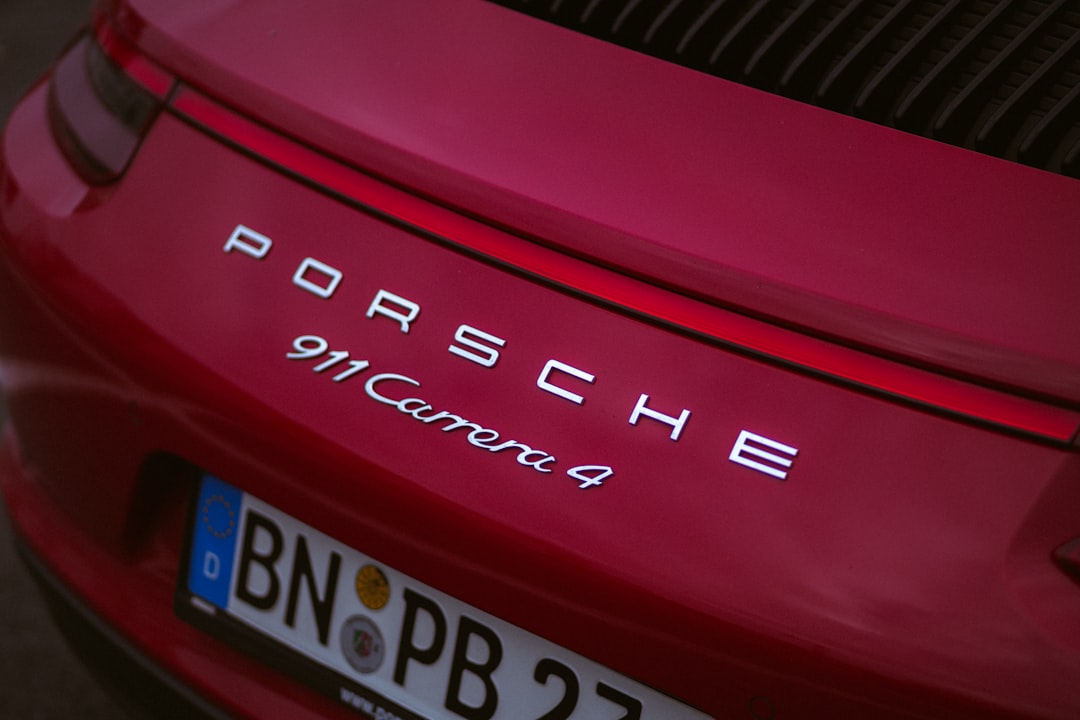
Two Porsche 911s can arrive at the shop with the same owner complaint, the key turning and the car refusing to start, and leave with completely different repair bills. The reason is that "won't start" splits into two diagnostic paths the moment the starter either engages or doesn't. Skipping that split is how Milpitas 911 owners end up paying for a starter when the issue was a fuel pump driver module, or paying for a fuel pump when the battery had a hidden bad cell. Fremont Foreign Auto is based in Fremont, CA, services Milpitas regularly, and asks the cranking question first on every 911 that comes in on a flatbed.
The First Question Decides the Next Hour
When the key turns and nothing happens at all, the diagnosis lives in the starting circuit, the battery, and the cables that feed both. When the engine spins over but never catches, the diagnosis lives in the fueling, ignition, immobilizer, or engine management systems instead. The two branches share almost nothing in their fix paths, the parts they need, or the time they take to repair. Confirming which branch the car is on takes about ten seconds at the key and saves hours of misdirected work down the line.
When the Engine Doesn't Turn Over at All
The first stop on the no-crank branch is the battery, tested under load rather than at rest, because a battery that reads a healthy voltage at idle can still collapse the second the starter draws current. From there we check the starter motor itself, the main battery cables for corrosion at the terminals, and the ignition switch on the steering column. The 996 and 997 starter motors live in a tight spot and can fail without warning, but they're rarely the first answer; the battery is. Working that order saves the customer from a starter replacement on a car that only needed a battery and a clean ground at the chassis.
The 991 and 992 Fuel Pump Driver Module Question
Newer 911 platforms (991 and 992) use a fuel pump driver module that controls pump speed by engine demand rather than running the pump at a constant voltage. The module fails more often than the pump itself on a meaningful number of cars, and the symptom is a crank-no-start with weak or absent fuel pressure showing on a diagnostic gauge. Replacing the pump on a car with a failed module wastes the part and the labor on the wrong fix. We test the module directly with Porsche-specific diagnostics before recommending fuel system parts.
The IMS Bearing Conversation, Settled
Every 996 and 997.1 owner with a no-start problem has heard about the IMS bearing online, and the topic deserves a clear answer. A failed intermediate shaft bearing rarely causes a no-start by itself; what it causes is catastrophic engine damage that turns the car into a much larger conversation. The cars that won't start because of IMS failure are usually the cars that won't start ever again. We rule IMS out as the no-start cause on those engines and inspect it as a separate health check whenever the bell housing is accessible during other work.
The Stored 911 Problem
A 911 parked for two or three weeks without driving often won't start the next time the owner picks up the keys, because modern Porsche electronics keep pulling current even with the car off. The alarm system, the DME wake cycles, and the key fob registration all draw on the battery during storage, and a battery already three or four years old won't survive the cumulative drain. A maintainer charger plugged in during the off-weeks prevents most weekend-car no-starts and costs a fraction of what the tow bill it replaces would run.
Trace It From the Key Forward
If your 911 in Milpitas is sitting still and won't fire up, call Fremont Foreign Auto at (510) 793-6067. We'll start the diagnosis at the cranking question, work the right branch with Porsche-capable tools, and find the failure point before any parts get ordered.