 BMW 5 Series drivers expect smooth power delivery, intelligent handling, and premium performance, but every bit of that engineering comes with risk when wear starts to build behind the scenes. What begins as a faint odor, a strange shift, or a slight delay in throttle response often marks the start of a deeper issue. These cars are programmed to compensate for small inefficiencies, which makes it even easier for Newark drivers to miss the warning signs until the problem spreads across multiple systems. Our shop in Fremont sees these issues every day—issues that could have been contained early with the right diagnostic approach. If your 5 Series has been feeling off, even slightly, it may be time to stop guessing and start testing before a small issue turns into a mechanical breakdown.
Timing Chain Stretch Is Silent Until It Wrecks the Engine
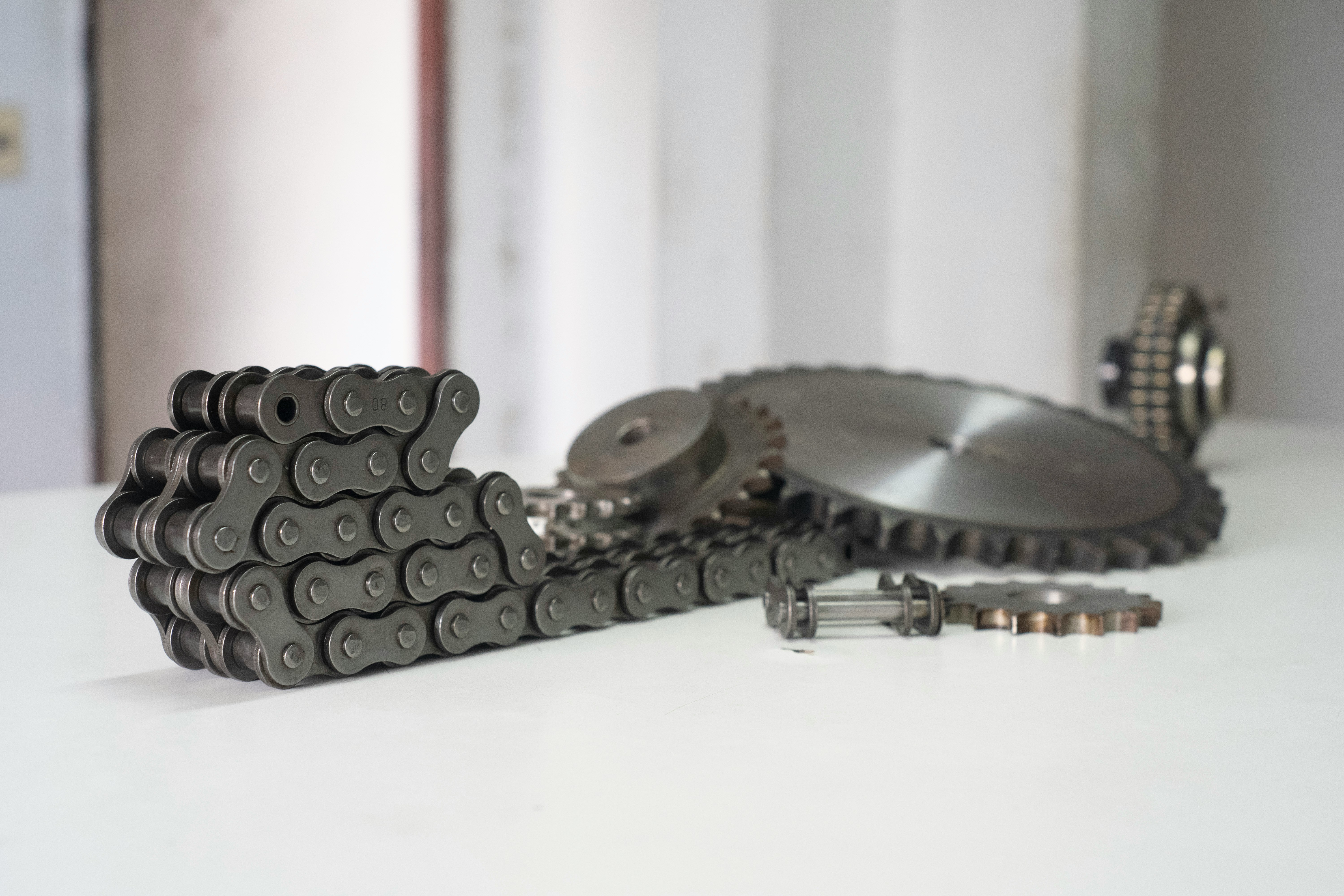
BMW’s B48 engine, introduced in 2017 and found in 530i models, addressed several durability concerns but retained a critical flaw in its timing chain system that many Newark drivers overlook until it is too late. The chain, which runs inside the engine and synchronizes camshaft rotation with crankshaft position, wears prematurely under short-trip, cold-start driving conditions that create excessive startup stress. As it stretches, the engine’s VANOS timing system loses correlation, which causes rough idle, poor fuel efficiency, and check engine lights tied to camshaft deviation faults. If the chain slack reaches a critical point, it can skip teeth on the cam sprocket and lead to direct valve-to-piston contact that destroys the upper engine. At Fremont Foreign Auto, we catch timing stretch early using cam correlation tests and VANOS deviation logs that reveal chain wear long before mechanical failure.
Valve Cover Leaks Are the First Step Toward Total Oil System Contamination
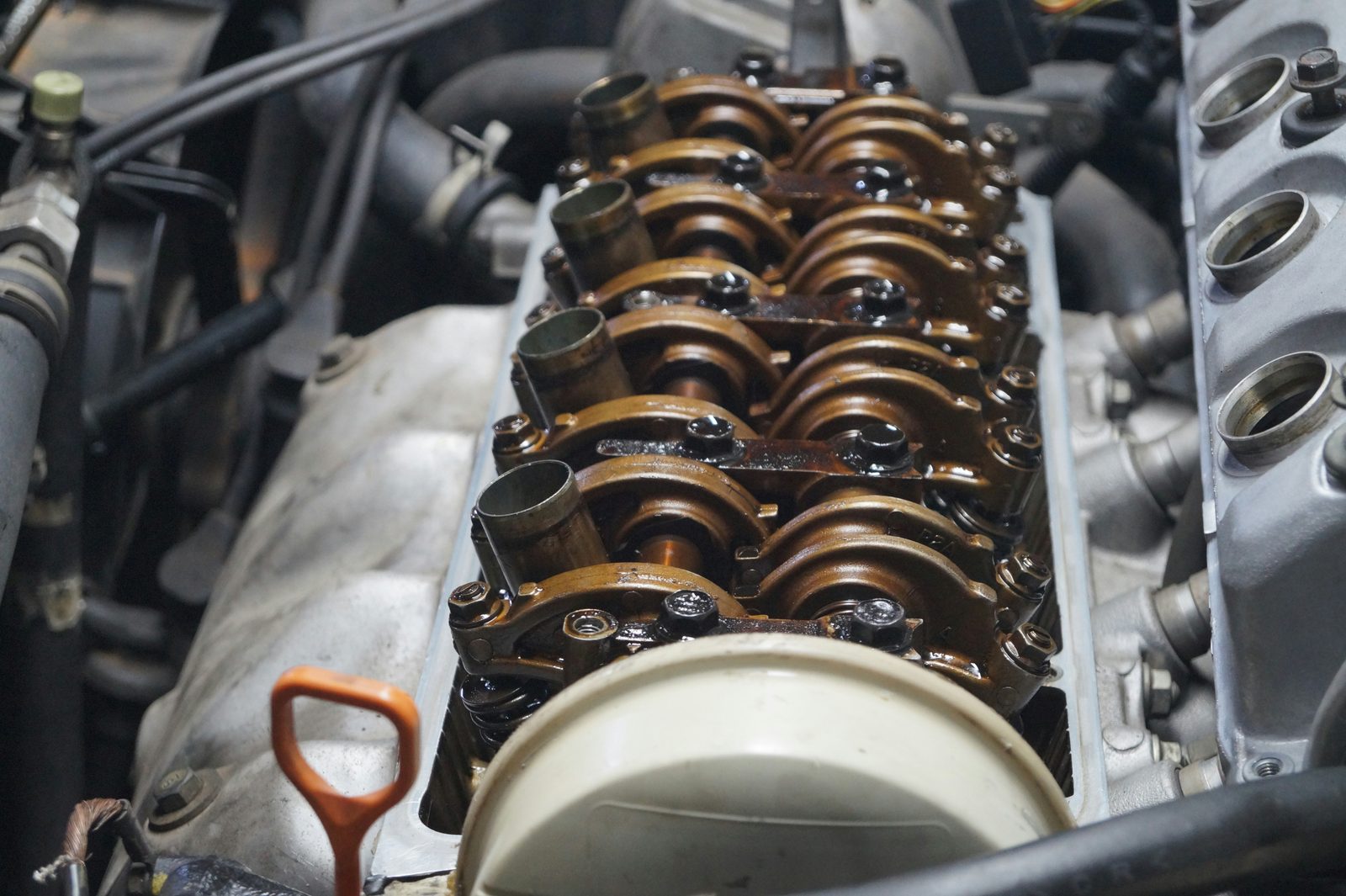
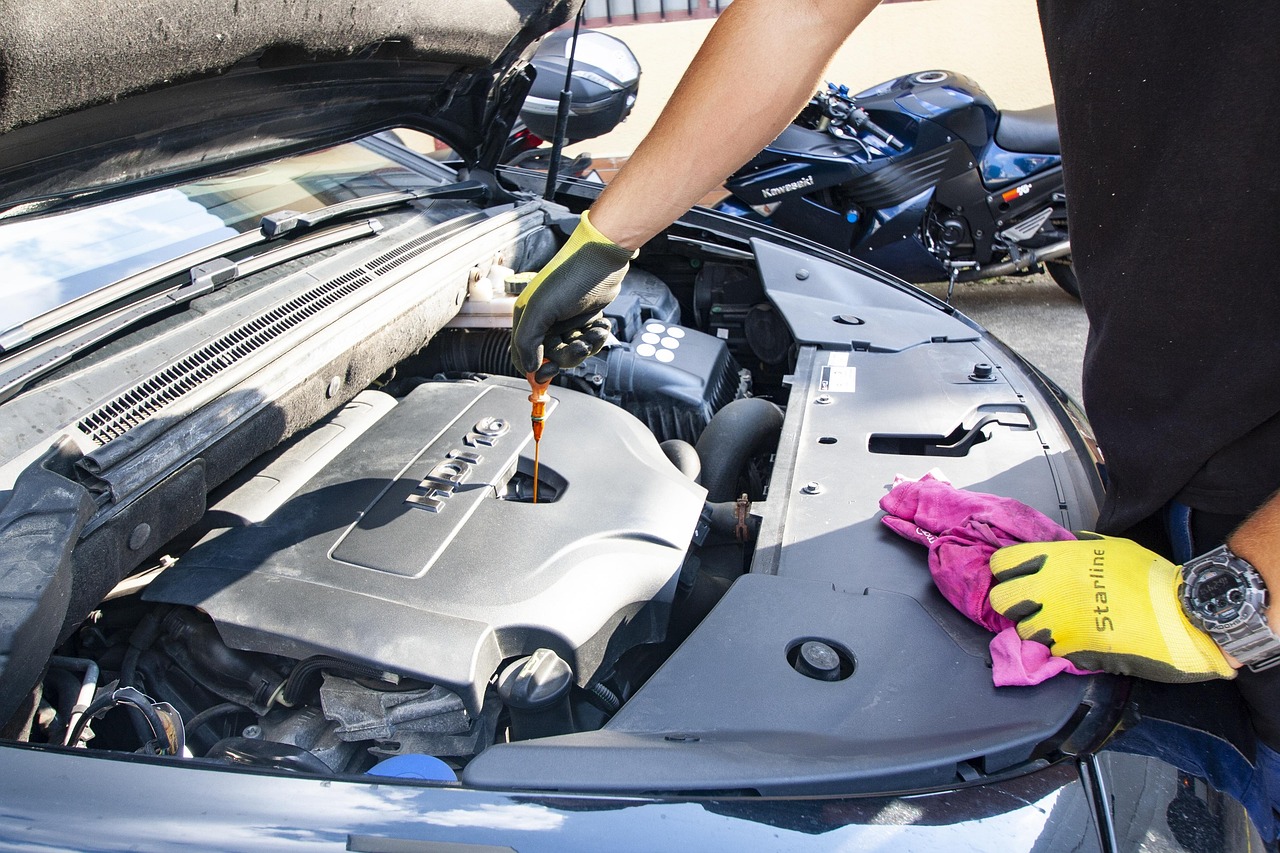
From 2011 through 2017, BMW 5 Series models equipped with N20 and N55 engines began using composite plastic valve covers that are prone to warping over time, especially under heat cycling in commuter traffic or freeway driving. Once the valve cover begins to warp, it creates uneven gasket compression and allows oil to leak down into coil packs, spark plug wells, and onto the cylinder head and front timing cover. As the oil degrades insulation around ignition components and contaminates the serpentine belt, misfires, charging faults, and belt slippage can all emerge without an obvious warning sign. Newark drivers often describe it as a faint oil smell or notice it only after misfires appear under load or during cold starts. At our Fremont shop, we inspect valve cover mating surfaces, test crankcase pressure, and use ultraviolet oil tracing to confirm leak origins before secondary systems begin to fail.
ZF Transmission Hesitation Comes from Adaptation Drift, Not Driver Error
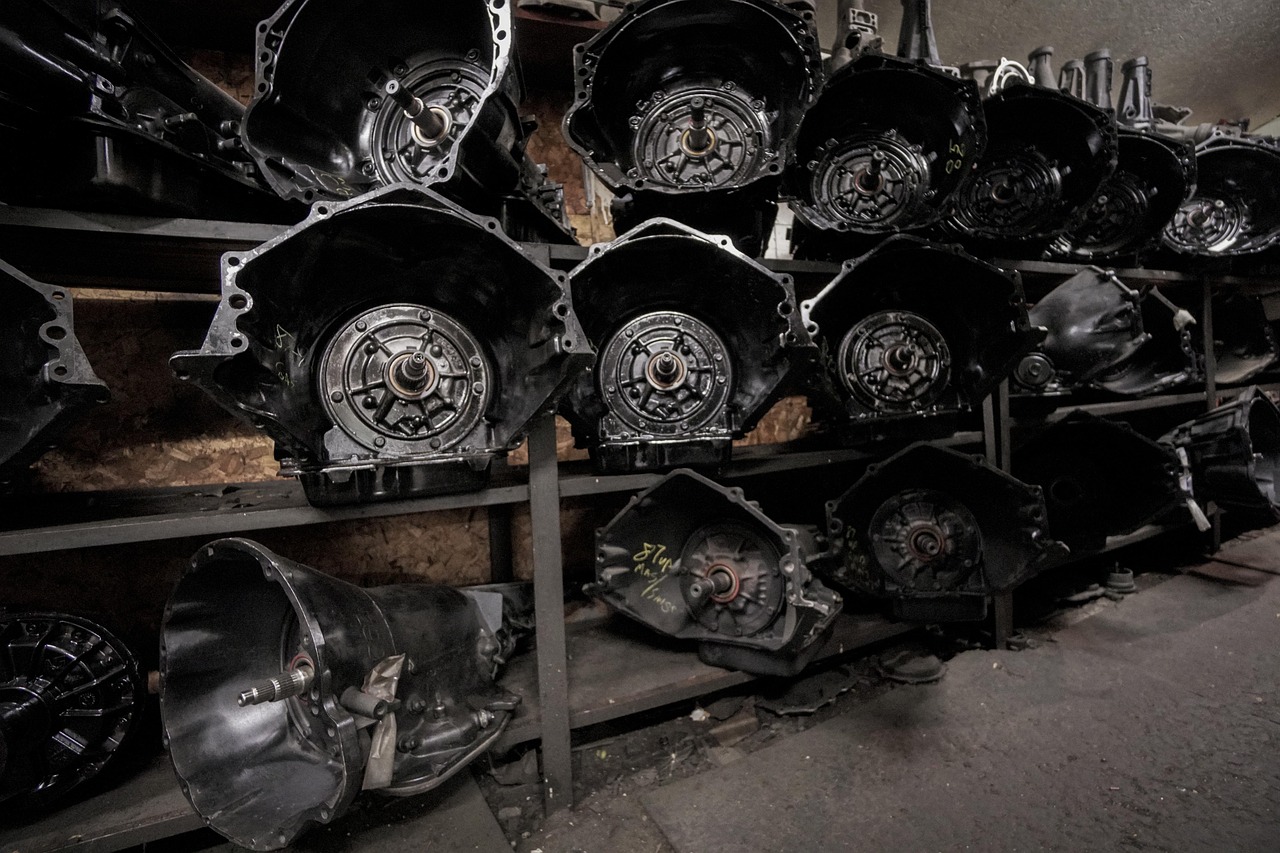
BMW 5 Series models from 2012 onward began using the ZF 8-speed transmission, which is praised for its responsiveness but also vulnerable to adaptation drift when service is incomplete or improperly reset. Drivers from Newark often report rough upshifts, delay between second and third gear, or hard downshifts while coasting—symptoms that stem from fluid degradation and uncalibrated solenoid response, not from the driver’s habits. The transmission control unit learns shifting behavior over time, but if those shift profiles are not reset during service or the solenoid actuation timing begins to drift, mechanical responses become inconsistent and unpredictable. Instead of replacing components blindly, we run live pressure tests, reprogram shift adaptations, and verify solenoid response under load using BMW’s factory scan systems. Fremont Foreign Auto does not just smooth out your transmission—we correct the cause before wear patterns lock in and make the issue permanent.
Coolant Leaks Are Often Invisible Until the Damage Is Irreversible
Coolant loss in the BMW 5 Series, especially from model years 2011 to 2019, rarely presents itself as a puddle on the ground, which leads Newark drivers to believe nothing is wrong until the engine enters overheat mode. Common leak points include the electric water pump, thermostat housing, and expansion tank seals, all of which can vaporize coolant during normal engine operation without leaving external evidence. As the leak progresses, the engine control unit compensates with elevated fan speeds and fuel trim corrections to keep the motor stable under reduced cooling capacity. Eventually, head gasket wear, high cylinder head temperatures, or even warped engine components result from long-term undetected coolant loss. At Fremont Foreign Auto, we use sealed system pressure testing, vapor detection, and heat signature mapping to locate invisible coolant leaks before permanent damage occurs.
Electronic Parking Brake Failures Trap More Than Just the Wheels
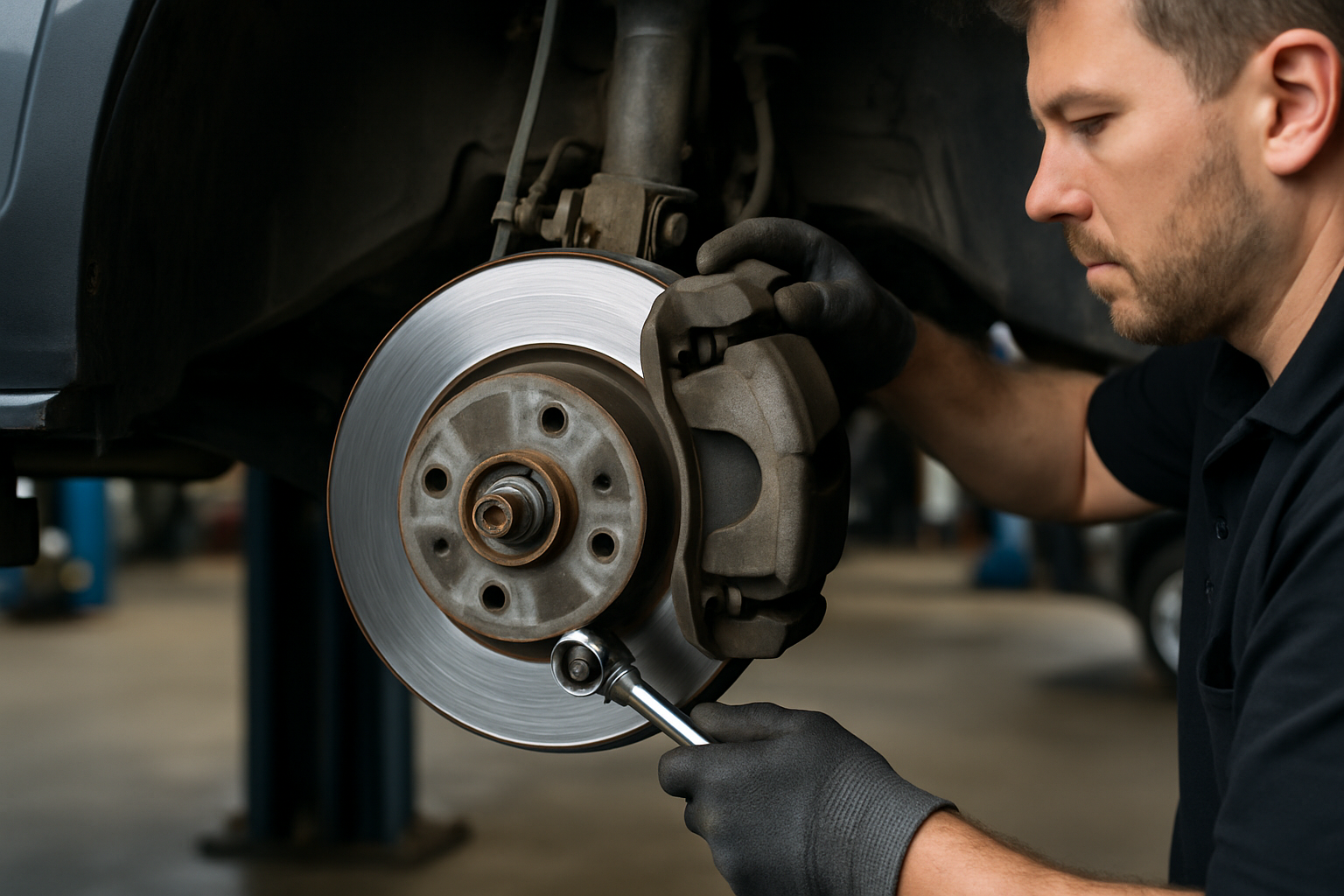
The G30 generation BMW 5 Series, starting in 2017, replaced traditional parking brakes with a fully electronic system that has proven highly sensitive to actuator motor failure and DSC control module miscommunication. Newark drivers often experience sudden failure to release the parking brake, even with the engine running, which can leave the vehicle immobile in driveways, garages, or worse, across traffic lanes. The actuator motor inside the brake caliper fails internally from gear wear or moisture intrusion, while the control module may lose calibration or delay signal handoff from the ignition system. Standard scan tools often misreport these failures as voltage faults or driver errors, resulting in misdiagnosis and wasted parts replacement. Our Fremont shop uses DSC command tracing and caliper motor simulation to isolate whether the issue is mechanical, electronic, or a failure of control logic between the brake and chassis modules.
Stop Letting Your Car Decide When It’s Too Late
BMW 5 Series models are engineered to adjust and adapt until they can’t anymore, which is why so many owners wait too long before taking the first signs seriously. Fremont Foreign Auto, based in Fremont, serves 5 Series drivers in Newark with the kind of diagnostics that go far beyond generic shops and surface-level code scans. Whether your issue is timing chain stretch, belt contamination, parking brake failure, transmission hesitation, or disappearing coolant, the only thing worse than ignoring it is trusting someone who does not specialize in BMW platforms. These are systems that fail quietly until they explode expensively. Call us today at (510) 793-6067 before your 5 Series trades subtle warnings for full-blown shutdowns.
BMW 5 Series drivers expect smooth power delivery, intelligent handling, and premium performance, but every bit of that engineering comes with risk when wear starts to build behind the scenes. What begins as a faint odor, a strange shift, or a slight delay in throttle response often marks the start of a deeper issue. These cars are programmed to compensate for small inefficiencies, which makes it even easier for Newark drivers to miss the warning signs until the problem spreads across multiple systems. Our shop in Fremont sees these issues every day—issues that could have been contained early with the right diagnostic approach. If your 5 Series has been feeling off, even slightly, it may be time to stop guessing and start testing before a small issue turns into a mechanical breakdown.
Timing Chain Stretch Is Silent Until It Wrecks the Engine
BMW’s B48 engine, introduced in 2017 and found in 530i models, addressed several durability concerns but retained a critical flaw in its timing chain system that many Newark drivers overlook until it is too late. The chain, which runs inside the engine and synchronizes camshaft rotation with crankshaft position, wears prematurely under short-trip, cold-start driving conditions that create excessive startup stress. As it stretches, the engine’s VANOS timing system loses correlation, which causes rough idle, poor fuel efficiency, and check engine lights tied to camshaft deviation faults. If the chain slack reaches a critical point, it can skip teeth on the cam sprocket and lead to direct valve-to-piston contact that destroys the upper engine. At Fremont Foreign Auto, we catch timing stretch early using cam correlation tests and VANOS deviation logs that reveal chain wear long before mechanical failure.
Valve Cover Leaks Are the First Step Toward Total Oil System Contamination
From 2011 through 2017, BMW 5 Series models equipped with N20 and N55 engines began using composite plastic valve covers that are prone to warping over time, especially under heat cycling in commuter traffic or freeway driving. Once the valve cover begins to warp, it creates uneven gasket compression and allows oil to leak down into coil packs, spark plug wells, and onto the cylinder head and front timing cover. As the oil degrades insulation around ignition components and contaminates the serpentine belt, misfires, charging faults, and belt slippage can all emerge without an obvious warning sign. Newark drivers often describe it as a faint oil smell or notice it only after misfires appear under load or during cold starts. At our Fremont shop, we inspect valve cover mating surfaces, test crankcase pressure, and use ultraviolet oil tracing to confirm leak origins before secondary systems begin to fail.
ZF Transmission Hesitation Comes from Adaptation Drift, Not Driver Error
BMW 5 Series models from 2012 onward began using the ZF 8-speed transmission, which is praised for its responsiveness but also vulnerable to adaptation drift when service is incomplete or improperly reset. Drivers from Newark often report rough upshifts, delay between second and third gear, or hard downshifts while coasting—symptoms that stem from fluid degradation and uncalibrated solenoid response, not from the driver’s habits. The transmission control unit learns shifting behavior over time, but if those shift profiles are not reset during service or the solenoid actuation timing begins to drift, mechanical responses become inconsistent and unpredictable. Instead of replacing components blindly, we run live pressure tests, reprogram shift adaptations, and verify solenoid response under load using BMW’s factory scan systems. Fremont Foreign Auto does not just smooth out your transmission—we correct the cause before wear patterns lock in and make the issue permanent.
Coolant Leaks Are Often Invisible Until the Damage Is Irreversible
Coolant loss in the BMW 5 Series, especially from model years 2011 to 2019, rarely presents itself as a puddle on the ground, which leads Newark drivers to believe nothing is wrong until the engine enters overheat mode. Common leak points include the electric water pump, thermostat housing, and expansion tank seals, all of which can vaporize coolant during normal engine operation without leaving external evidence. As the leak progresses, the engine control unit compensates with elevated fan speeds and fuel trim corrections to keep the motor stable under reduced cooling capacity. Eventually, head gasket wear, high cylinder head temperatures, or even warped engine components result from long-term undetected coolant loss. At Fremont Foreign Auto, we use sealed system pressure testing, vapor detection, and heat signature mapping to locate invisible coolant leaks before permanent damage occurs.
Electronic Parking Brake Failures Trap More Than Just the Wheels
The G30 generation BMW 5 Series, starting in 2017, replaced traditional parking brakes with a fully electronic system that has proven highly sensitive to actuator motor failure and DSC control module miscommunication. Newark drivers often experience sudden failure to release the parking brake, even with the engine running, which can leave the vehicle immobile in driveways, garages, or worse, across traffic lanes. The actuator motor inside the brake caliper fails internally from gear wear or moisture intrusion, while the control module may lose calibration or delay signal handoff from the ignition system. Standard scan tools often misreport these failures as voltage faults or driver errors, resulting in misdiagnosis and wasted parts replacement. Our Fremont shop uses DSC command tracing and caliper motor simulation to isolate whether the issue is mechanical, electronic, or a failure of control logic between the brake and chassis modules.
Stop Letting Your Car Decide When It’s Too Late
BMW 5 Series models are engineered to adjust and adapt until they can’t anymore, which is why so many owners wait too long before taking the first signs seriously. Fremont Foreign Auto, based in Fremont, serves 5 Series drivers in Newark with the kind of diagnostics that go far beyond generic shops and surface-level code scans. Whether your issue is timing chain stretch, belt contamination, parking brake failure, transmission hesitation, or disappearing coolant, the only thing worse than ignoring it is trusting someone who does not specialize in BMW platforms. These are systems that fail quietly until they explode expensively. Call us today at (510) 793-6067 before your 5 Series trades subtle warnings for full-blown shutdowns.
Newark, CA - BMW 5 Series Drivers: Common Issues We See at Our Auto Repair Shop
SYNOPSIS: Fremont Foreign Auto in Fremont offers expert diagnostics for Newark’s BMW 5 Series (2011–2023), tackling issues like timing chain wear, brake failure, coolant loss, and more.
Lurking Repairs for Newark 5 Series Drivers
BY: Eduardo Porta, Fremont Foreign Auto
BMW 5 Series drivers expect smooth power delivery, intelligent handling, and premium performance, but every bit of that engineering comes with risk when wear starts to build behind the scenes. What begins as a faint odor, a strange shift, or a slight delay in throttle response often marks the start of a deeper issue. These cars are programmed to compensate for small inefficiencies, which makes it even easier for Newark drivers to miss the warning signs until the problem spreads across multiple systems. Our shop in Fremont sees these issues every day—issues that could have been contained early with the right diagnostic approach. If your 5 Series has been feeling off, even slightly, it may be time to stop guessing and start testing before a small issue turns into a mechanical breakdown.
Timing Chain Stretch Is Silent Until It Wrecks the Engine
BMW’s B48 engine, introduced in 2017 and found in 530i models, addressed several durability concerns but retained a critical flaw in its timing chain system that many Newark drivers overlook until it is too late. The chain, which runs inside the engine and synchronizes camshaft rotation with crankshaft position, wears prematurely under short-trip, cold-start driving conditions that create excessive startup stress. As it stretches, the engine’s VANOS timing system loses correlation, which causes rough idle, poor fuel efficiency, and check engine lights tied to camshaft deviation faults. If the chain slack reaches a critical point, it can skip teeth on the cam sprocket and lead to direct valve-to-piston contact that destroys the upper engine. At Fremont Foreign Auto, we catch timing stretch early using cam correlation tests and VANOS deviation logs that reveal chain wear long before mechanical failure.
Valve Cover Leaks Are the First Step Toward Total Oil System Contamination
From 2011 through 2017, BMW 5 Series models equipped with N20 and N55 engines began using composite plastic valve covers that are prone to warping over time, especially under heat cycling in commuter traffic or freeway driving. Once the valve cover begins to warp, it creates uneven gasket compression and allows oil to leak down into coil packs, spark plug wells, and onto the cylinder head and front timing cover. As the oil degrades insulation around ignition components and contaminates the serpentine belt, misfires, charging faults, and belt slippage can all emerge without an obvious warning sign. Newark drivers often describe it as a faint oil smell or notice it only after misfires appear under load or during cold starts. At our Fremont shop, we inspect valve cover mating surfaces, test crankcase pressure, and use ultraviolet oil tracing to confirm leak origins before secondary systems begin to fail.
ZF Transmission Hesitation Comes from Adaptation Drift, Not Driver Error
BMW 5 Series models from 2012 onward began using the ZF 8-speed transmission, which is praised for its responsiveness but also vulnerable to adaptation drift when service is incomplete or improperly reset. Drivers from Newark often report rough upshifts, delay between second and third gear, or hard downshifts while coasting—symptoms that stem from fluid degradation and uncalibrated solenoid response, not from the driver’s habits. The transmission control unit learns shifting behavior over time, but if those shift profiles are not reset during service or the solenoid actuation timing begins to drift, mechanical responses become inconsistent and unpredictable. Instead of replacing components blindly, we run live pressure tests, reprogram shift adaptations, and verify solenoid response under load using BMW’s factory scan systems. Fremont Foreign Auto does not just smooth out your transmission—we correct the cause before wear patterns lock in and make the issue permanent.
Coolant Leaks Are Often Invisible Until the Damage Is Irreversible
Coolant loss in the BMW 5 Series, especially from model years 2011 to 2019, rarely presents itself as a puddle on the ground, which leads Newark drivers to believe nothing is wrong until the engine enters overheat mode. Common leak points include the electric water pump, thermostat housing, and expansion tank seals, all of which can vaporize coolant during normal engine operation without leaving external evidence. As the leak progresses, the engine control unit compensates with elevated fan speeds and fuel trim corrections to keep the motor stable under reduced cooling capacity. Eventually, head gasket wear, high cylinder head temperatures, or even warped engine components result from long-term undetected coolant loss. At Fremont Foreign Auto, we use sealed system pressure testing, vapor detection, and heat signature mapping to locate invisible coolant leaks before permanent damage occurs.
Electronic Parking Brake Failures Trap More Than Just the Wheels
The G30 generation BMW 5 Series, starting in 2017, replaced traditional parking brakes with a fully electronic system that has proven highly sensitive to actuator motor failure and DSC control module miscommunication. Newark drivers often experience sudden failure to release the parking brake, even with the engine running, which can leave the vehicle immobile in driveways, garages, or worse, across traffic lanes. The actuator motor inside the brake caliper fails internally from gear wear or moisture intrusion, while the control module may lose calibration or delay signal handoff from the ignition system. Standard scan tools often misreport these failures as voltage faults or driver errors, resulting in misdiagnosis and wasted parts replacement. Our Fremont shop uses DSC command tracing and caliper motor simulation to isolate whether the issue is mechanical, electronic, or a failure of control logic between the brake and chassis modules.
Stop Letting Your Car Decide When It’s Too Late
BMW 5 Series models are engineered to adjust and adapt until they can’t anymore, which is why so many owners wait too long before taking the first signs seriously. Fremont Foreign Auto, based in Fremont, serves 5 Series drivers in Newark with the kind of diagnostics that go far beyond generic shops and surface-level code scans. Whether your issue is timing chain stretch, belt contamination, parking brake failure, transmission hesitation, or disappearing coolant, the only thing worse than ignoring it is trusting someone who does not specialize in BMW platforms. These are systems that fail quietly until they explode expensively. Call us today at (510) 793-6067 before your 5 Series trades subtle warnings for full-blown shutdowns.