 If your Civic shakes at idle or bucks when shifting from park to drive, your engine mounts are no longer doing their job. This is especially common in 2006 through 2015 Civics, where the factory front and side mounts fail due to cracked hydraulic insulation, heat exposure, and torque stress over time. Once the rubber inside the mount breaks down, the engine movement transfers directly into the chassis and cabin, causing steering vibration, harsh shifting, and driver fatigue. Most Newark-area drivers assume it is a misfire or loose exhaust component, but the real issue is the mechanical isolation between the engine and frame. At Fremont Foreign Auto, we simulate torque load while testing mount travel and inspect for subtle failure signs missed during visual inspection.
Weak A/C Performance Usually Means the Clutch Coil Is Failing, Not the Refrigerant
Civic A/C systems in model years 2008 to 2012 often fail without warning, but the issue usually lies in the compressor clutch coil, not in the refrigerant system. This coil loses magnetic strength under heat, especially after prolonged summer idling or highway use, which causes the clutch to disengage prematurely even with proper refrigerant charge. Over time, the coil’s thermal fuse burns out completely, preventing clutch engagement and leaving the compressor inactive until the entire assembly is replaced. Drivers typically notice the system working intermittently, cool one day, then warm the next, before total failure. Our Fremont technicians test coil voltage draw and clutch engagement timing during active cycling to confirm failure without evacuating refrigerant unnecessarily.
Window Regulator Failures Are Increasing on Newer Civic Generations
Starting in 2016, Honda Civic models adopted cable-style window regulators with plastic track clips that have proven to be a weak point under daily use. These clips often break during rapid cycling, hot-weather expansion, or simple wear, which causes the window to misalign, tilt, or fall entirely into the door panel. Some Newark drivers may hear a popping sound before the window drops, but in most cases, it fails without warning during regular operation. The plastic guide separates from the regulator track, which can jam the motor and damage the cable spool if operation continues. We replace the entire window regulator assembly using upgraded components and verify cable tension and motor calibration to avoid future binding and slippage.
CVT Transmission Lag Is a Pressure Problem Waiting to Get Worse
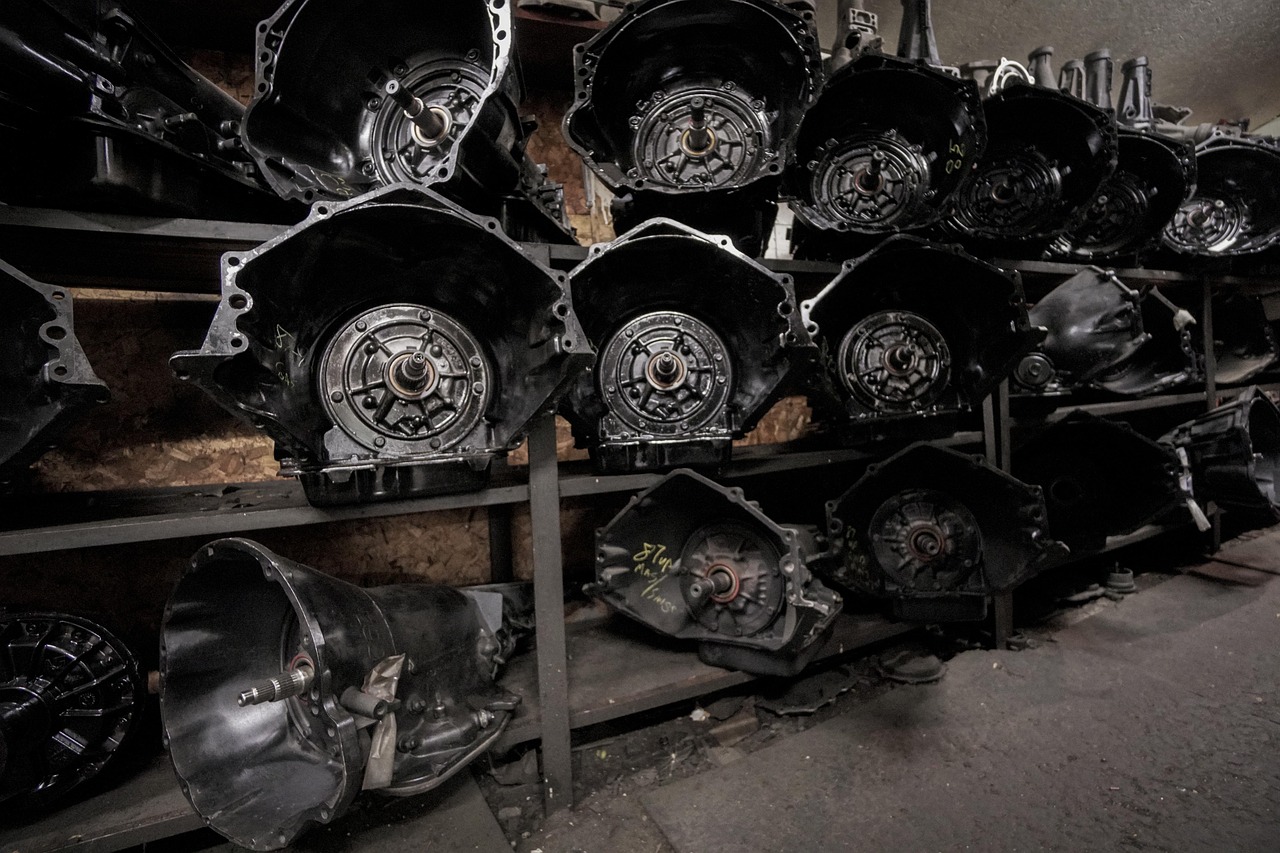
The 2014 through 2022 Honda Civics equipped with CVT transmissions are known to develop hesitation, delayed engagement, and rising RPMs with poor acceleration, especially under light throttle. These symptoms often indicate that the transmission fluid has broken down, which reduces viscosity and response time within the pressure control system that manages belt tension and gear ratio transitions. As a result, the internal belt begins to slip or surge, especially during hot starts or uphill driving, leading to long-term pulley wear and eventual drivability failure. This is not a software issue, as many believe; it is a pressure integrity failure caused by fluid degradation and internal valve wear. At Fremont Foreign Auto, we perform CVT fluid shear testing, adaptation resets, and solenoid command validation to isolate real problems before hardware damage occurs.
Oil Dilution in Turbo Civics Happens Even Without Warning Lights
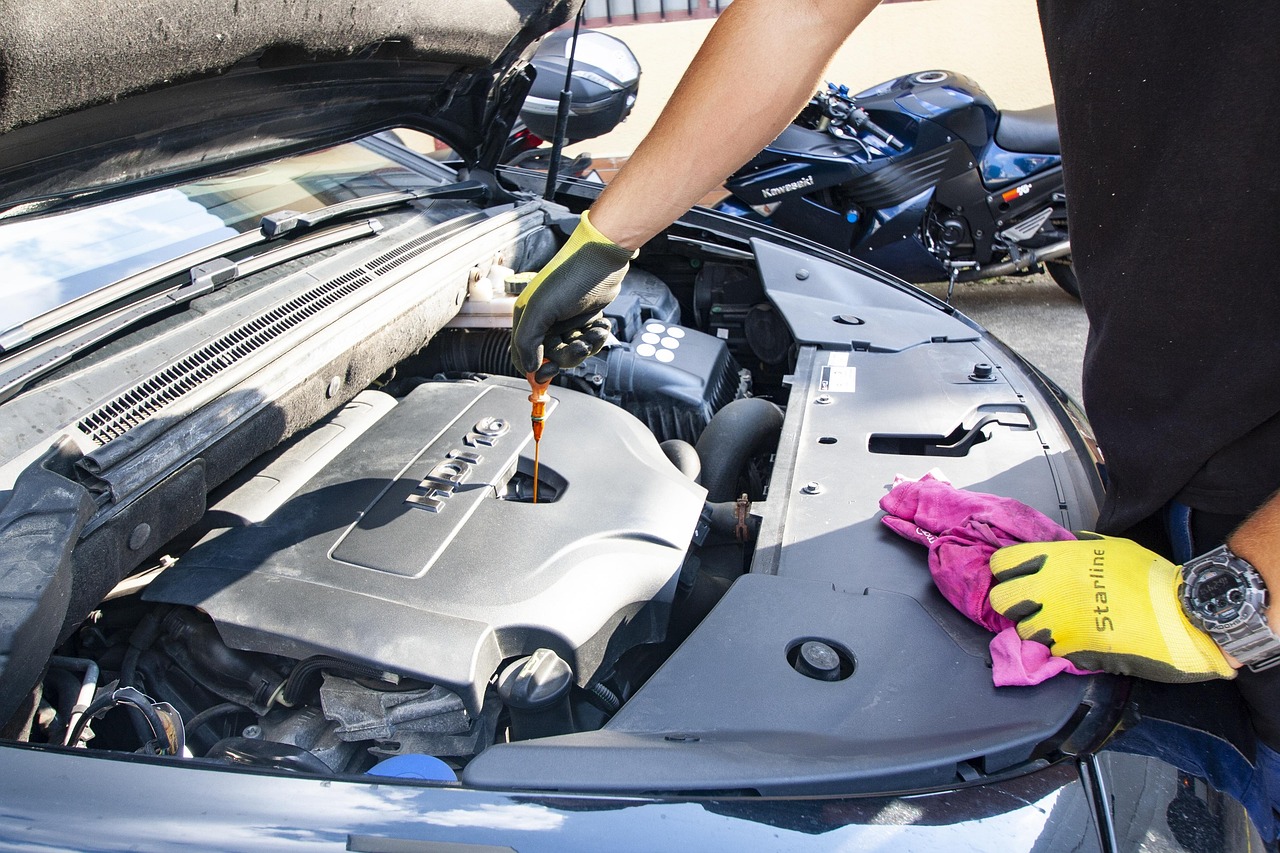
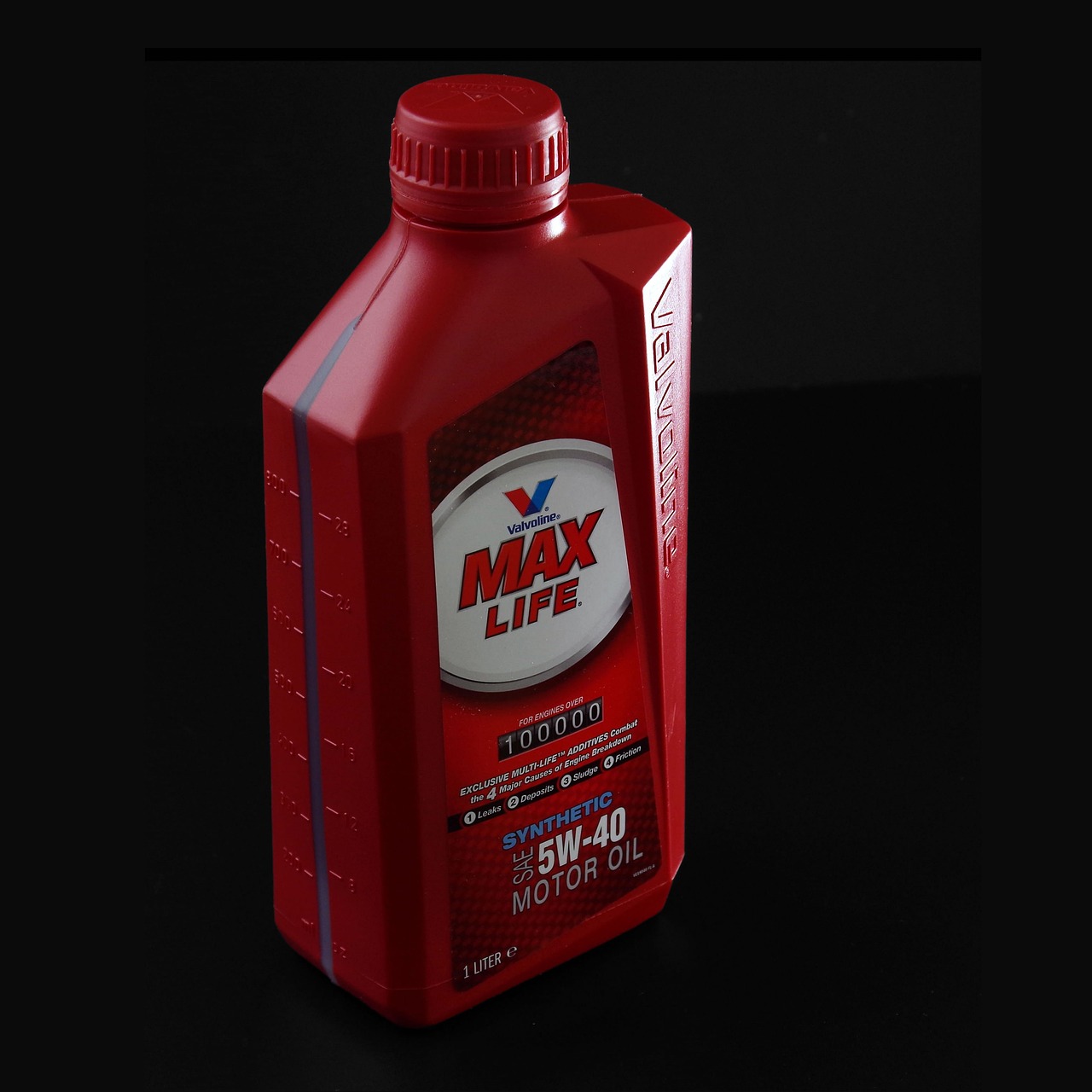
The 1.5L turbocharged Civic engine used from 2016 through 2021 has a known tendency toward oil dilution under certain driving conditions, especially in short-distance, cold-weather, or low-load environments. During initial startup, the engine runs rich, and some unburnt fuel seeps past the piston rings into the crankcase, which thins the engine oil and reduces protective lubrication across critical rotating components. This condition rarely triggers a check engine light or warning, but it accelerates bearing wear and causes long-term reliability concerns if left unaddressed. Drivers may notice a strong fuel odor when checking the dipstick or slight hesitation during cold starts, but many never realize the oil has lost viscosity. At our Fremont shop, we perform oil volatility tests and thermal sampling to detect and track oil dilution severity before permanent engine wear develops.
Steering Resistance Isn’t Driver Error, It’s EPS Sensor Drift
From 2016 to 2020, the Civic switched to a fully electronic steering rack, which introduced intermittent failures like unexpected stiffness at low speed and loss of assist during parking maneuvers. These failures often originate from degraded torque sensors or internal circuit board faults inside the EPS control unit that misreport driver input to the power assist module. Once sensor output drifts out of alignment, the system either reduces assist unexpectedly or disables it entirely, triggering a dashboard warning and switching to mechanical fallback. This system is highly sensitive to voltage fluctuations, rack angle errors, and calibration mismatches that basic scan tools cannot interpret correctly. Fremont Foreign Auto uses full-angle trace testing, torque graphing, and manufacturer-specific EPS diagnostics to determine the exact point of failure and calibrate the system to factory spec.
One Small Issue Today Can Spiral Into a Five-System Repair Tomorrow
A slight vibration, a slow-shifting CVT, or a flickering air conditioner is never just an isolated Civic quirk; it is a symptom of a deeper system imbalance that only gets worse with time. Fremont Foreign Auto is located in Fremont and proudly serves drivers in Newark who are tired of quick fixes that don’t last. We repair Civics from 2006 through 2023 using data-driven diagnostics designed specifically for Honda platforms, not generic guesses or part-swapping. When your Civic starts showing early warning signs, the worst thing you can do is wait and hope it goes away. Call Fremont Foreign Auto at (510) 793-6067 and let us find the root of the problem before it multiplies across systems and ruins your next drive through Newark.
If your Civic shakes at idle or bucks when shifting from park to drive, your engine mounts are no longer doing their job. This is especially common in 2006 through 2015 Civics, where the factory front and side mounts fail due to cracked hydraulic insulation, heat exposure, and torque stress over time. Once the rubber inside the mount breaks down, the engine movement transfers directly into the chassis and cabin, causing steering vibration, harsh shifting, and driver fatigue. Most Newark-area drivers assume it is a misfire or loose exhaust component, but the real issue is the mechanical isolation between the engine and frame. At Fremont Foreign Auto, we simulate torque load while testing mount travel and inspect for subtle failure signs missed during visual inspection.
Weak A/C Performance Usually Means the Clutch Coil Is Failing, Not the Refrigerant
Civic A/C systems in model years 2008 to 2012 often fail without warning, but the issue usually lies in the compressor clutch coil, not in the refrigerant system. This coil loses magnetic strength under heat, especially after prolonged summer idling or highway use, which causes the clutch to disengage prematurely even with proper refrigerant charge. Over time, the coil’s thermal fuse burns out completely, preventing clutch engagement and leaving the compressor inactive until the entire assembly is replaced. Drivers typically notice the system working intermittently, cool one day, then warm the next, before total failure. Our Fremont technicians test coil voltage draw and clutch engagement timing during active cycling to confirm failure without evacuating refrigerant unnecessarily.
Window Regulator Failures Are Increasing on Newer Civic Generations
Starting in 2016, Honda Civic models adopted cable-style window regulators with plastic track clips that have proven to be a weak point under daily use. These clips often break during rapid cycling, hot-weather expansion, or simple wear, which causes the window to misalign, tilt, or fall entirely into the door panel. Some Newark drivers may hear a popping sound before the window drops, but in most cases, it fails without warning during regular operation. The plastic guide separates from the regulator track, which can jam the motor and damage the cable spool if operation continues. We replace the entire window regulator assembly using upgraded components and verify cable tension and motor calibration to avoid future binding and slippage.
CVT Transmission Lag Is a Pressure Problem Waiting to Get Worse
The 2014 through 2022 Honda Civics equipped with CVT transmissions are known to develop hesitation, delayed engagement, and rising RPMs with poor acceleration, especially under light throttle. These symptoms often indicate that the transmission fluid has broken down, which reduces viscosity and response time within the pressure control system that manages belt tension and gear ratio transitions. As a result, the internal belt begins to slip or surge, especially during hot starts or uphill driving, leading to long-term pulley wear and eventual drivability failure. This is not a software issue, as many believe; it is a pressure integrity failure caused by fluid degradation and internal valve wear. At Fremont Foreign Auto, we perform CVT fluid shear testing, adaptation resets, and solenoid command validation to isolate real problems before hardware damage occurs.
Oil Dilution in Turbo Civics Happens Even Without Warning Lights
The 1.5L turbocharged Civic engine used from 2016 through 2021 has a known tendency toward oil dilution under certain driving conditions, especially in short-distance, cold-weather, or low-load environments. During initial startup, the engine runs rich, and some unburnt fuel seeps past the piston rings into the crankcase, which thins the engine oil and reduces protective lubrication across critical rotating components. This condition rarely triggers a check engine light or warning, but it accelerates bearing wear and causes long-term reliability concerns if left unaddressed. Drivers may notice a strong fuel odor when checking the dipstick or slight hesitation during cold starts, but many never realize the oil has lost viscosity. At our Fremont shop, we perform oil volatility tests and thermal sampling to detect and track oil dilution severity before permanent engine wear develops.
Steering Resistance Isn’t Driver Error, It’s EPS Sensor Drift
From 2016 to 2020, the Civic switched to a fully electronic steering rack, which introduced intermittent failures like unexpected stiffness at low speed and loss of assist during parking maneuvers. These failures often originate from degraded torque sensors or internal circuit board faults inside the EPS control unit that misreport driver input to the power assist module. Once sensor output drifts out of alignment, the system either reduces assist unexpectedly or disables it entirely, triggering a dashboard warning and switching to mechanical fallback. This system is highly sensitive to voltage fluctuations, rack angle errors, and calibration mismatches that basic scan tools cannot interpret correctly. Fremont Foreign Auto uses full-angle trace testing, torque graphing, and manufacturer-specific EPS diagnostics to determine the exact point of failure and calibrate the system to factory spec.
One Small Issue Today Can Spiral Into a Five-System Repair Tomorrow
A slight vibration, a slow-shifting CVT, or a flickering air conditioner is never just an isolated Civic quirk; it is a symptom of a deeper system imbalance that only gets worse with time. Fremont Foreign Auto is located in Fremont and proudly serves drivers in Newark who are tired of quick fixes that don’t last. We repair Civics from 2006 through 2023 using data-driven diagnostics designed specifically for Honda platforms, not generic guesses or part-swapping. When your Civic starts showing early warning signs, the worst thing you can do is wait and hope it goes away. Call Fremont Foreign Auto at (510) 793-6067 and let us find the root of the problem before it multiplies across systems and ruins your next drive through Newark.
Newark, CA - Most Common Honda Civic Problems Fixed at Our Auto Repair Shop
SYNOPSIS: Fremont Foreign Auto in Fremont, CA, serves Newark drivers with Honda Civic issues (2006–2023), from idle vibration to CVT lag and A/C clutch failure—diagnosed early to prevent costly repairs.
Common Honda Civic Problems Newark Drivers Ignore
BY: Eduardo Porta, Fremont Foreign Auto
If your Civic shakes at idle or bucks when shifting from park to drive, your engine mounts are no longer doing their job. This is especially common in 2006 through 2015 Civics, where the factory front and side mounts fail due to cracked hydraulic insulation, heat exposure, and torque stress over time. Once the rubber inside the mount breaks down, the engine movement transfers directly into the chassis and cabin, causing steering vibration, harsh shifting, and driver fatigue. Most Newark-area drivers assume it is a misfire or loose exhaust component, but the real issue is the mechanical isolation between the engine and frame. At Fremont Foreign Auto, we simulate torque load while testing mount travel and inspect for subtle failure signs missed during visual inspection.
Weak A/C Performance Usually Means the Clutch Coil Is Failing, Not the Refrigerant
Civic A/C systems in model years 2008 to 2012 often fail without warning, but the issue usually lies in the compressor clutch coil, not in the refrigerant system. This coil loses magnetic strength under heat, especially after prolonged summer idling or highway use, which causes the clutch to disengage prematurely even with proper refrigerant charge. Over time, the coil’s thermal fuse burns out completely, preventing clutch engagement and leaving the compressor inactive until the entire assembly is replaced. Drivers typically notice the system working intermittently, cool one day, then warm the next, before total failure. Our Fremont technicians test coil voltage draw and clutch engagement timing during active cycling to confirm failure without evacuating refrigerant unnecessarily.
Window Regulator Failures Are Increasing on Newer Civic Generations
Starting in 2016, Honda Civic models adopted cable-style window regulators with plastic track clips that have proven to be a weak point under daily use. These clips often break during rapid cycling, hot-weather expansion, or simple wear, which causes the window to misalign, tilt, or fall entirely into the door panel. Some Newark drivers may hear a popping sound before the window drops, but in most cases, it fails without warning during regular operation. The plastic guide separates from the regulator track, which can jam the motor and damage the cable spool if operation continues. We replace the entire window regulator assembly using upgraded components and verify cable tension and motor calibration to avoid future binding and slippage.
CVT Transmission Lag Is a Pressure Problem Waiting to Get Worse
The 2014 through 2022 Honda Civics equipped with CVT transmissions are known to develop hesitation, delayed engagement, and rising RPMs with poor acceleration, especially under light throttle. These symptoms often indicate that the transmission fluid has broken down, which reduces viscosity and response time within the pressure control system that manages belt tension and gear ratio transitions. As a result, the internal belt begins to slip or surge, especially during hot starts or uphill driving, leading to long-term pulley wear and eventual drivability failure. This is not a software issue, as many believe; it is a pressure integrity failure caused by fluid degradation and internal valve wear. At Fremont Foreign Auto, we perform CVT fluid shear testing, adaptation resets, and solenoid command validation to isolate real problems before hardware damage occurs.
Oil Dilution in Turbo Civics Happens Even Without Warning Lights
The 1.5L turbocharged Civic engine used from 2016 through 2021 has a known tendency toward oil dilution under certain driving conditions, especially in short-distance, cold-weather, or low-load environments. During initial startup, the engine runs rich, and some unburnt fuel seeps past the piston rings into the crankcase, which thins the engine oil and reduces protective lubrication across critical rotating components. This condition rarely triggers a check engine light or warning, but it accelerates bearing wear and causes long-term reliability concerns if left unaddressed. Drivers may notice a strong fuel odor when checking the dipstick or slight hesitation during cold starts, but many never realize the oil has lost viscosity. At our Fremont shop, we perform oil volatility tests and thermal sampling to detect and track oil dilution severity before permanent engine wear develops.
Steering Resistance Isn’t Driver Error, It’s EPS Sensor Drift
From 2016 to 2020, the Civic switched to a fully electronic steering rack, which introduced intermittent failures like unexpected stiffness at low speed and loss of assist during parking maneuvers. These failures often originate from degraded torque sensors or internal circuit board faults inside the EPS control unit that misreport driver input to the power assist module. Once sensor output drifts out of alignment, the system either reduces assist unexpectedly or disables it entirely, triggering a dashboard warning and switching to mechanical fallback. This system is highly sensitive to voltage fluctuations, rack angle errors, and calibration mismatches that basic scan tools cannot interpret correctly. Fremont Foreign Auto uses full-angle trace testing, torque graphing, and manufacturer-specific EPS diagnostics to determine the exact point of failure and calibrate the system to factory spec.
One Small Issue Today Can Spiral Into a Five-System Repair Tomorrow
A slight vibration, a slow-shifting CVT, or a flickering air conditioner is never just an isolated Civic quirk; it is a symptom of a deeper system imbalance that only gets worse with time. Fremont Foreign Auto is located in Fremont and proudly serves drivers in Newark who are tired of quick fixes that don’t last. We repair Civics from 2006 through 2023 using data-driven diagnostics designed specifically for Honda platforms, not generic guesses or part-swapping. When your Civic starts showing early warning signs, the worst thing you can do is wait and hope it goes away. Call Fremont Foreign Auto at (510) 793-6067 and let us find the root of the problem before it multiplies across systems and ruins your next drive through Newark.