 Struts are not just ride comfort components; they are structural suspension elements that hold your steering geometry in place while absorbing energy from every bump, curve, and stop. A worn strut will not always squeak or leak oil, but it will change how your car behaves under stress, especially during sudden stops or quick turns. In vehicles like the 2012 through 2016 Mazda3 or the 2013 through 2018 Subaru Forester, we frequently see strut failures present as minor steering drift or tire noise long before traditional symptoms appear. That is why visual inspections can be misleading, and why our shop in Fremont uses dynamic compression and rebound testing to diagnose internal strut fatigue. If your car leans more than it used to or corners with hesitation, your struts may be failing quietly while affecting everything from stability control to traction management.
Shocks May Not Leak, But They Still Quit on the Job
Rear shocks, often overlooked due to their simpler structure, degrade over time through heat cycling, load changes, and internal gas loss that reduces their ability to resist motion. This kind of failure is subtle at first, making your vehicle feel floaty or disconnected, particularly during highway driving or when carrying cargo in the trunk. In Fremont, we have tested shocks on 2010 through 2015 Ford Edge models that had no visible leaks and passed visual inspection, yet failed every rebound timing test we performed. Drivers usually notice this issue only after tire wear accelerates or braking feels less responsive than normal. These are not cosmetic problems; they are system failures, and we find them every week on vehicles with no outward signs of suspension damage.
The Damage Does Not Stop at the Suspension
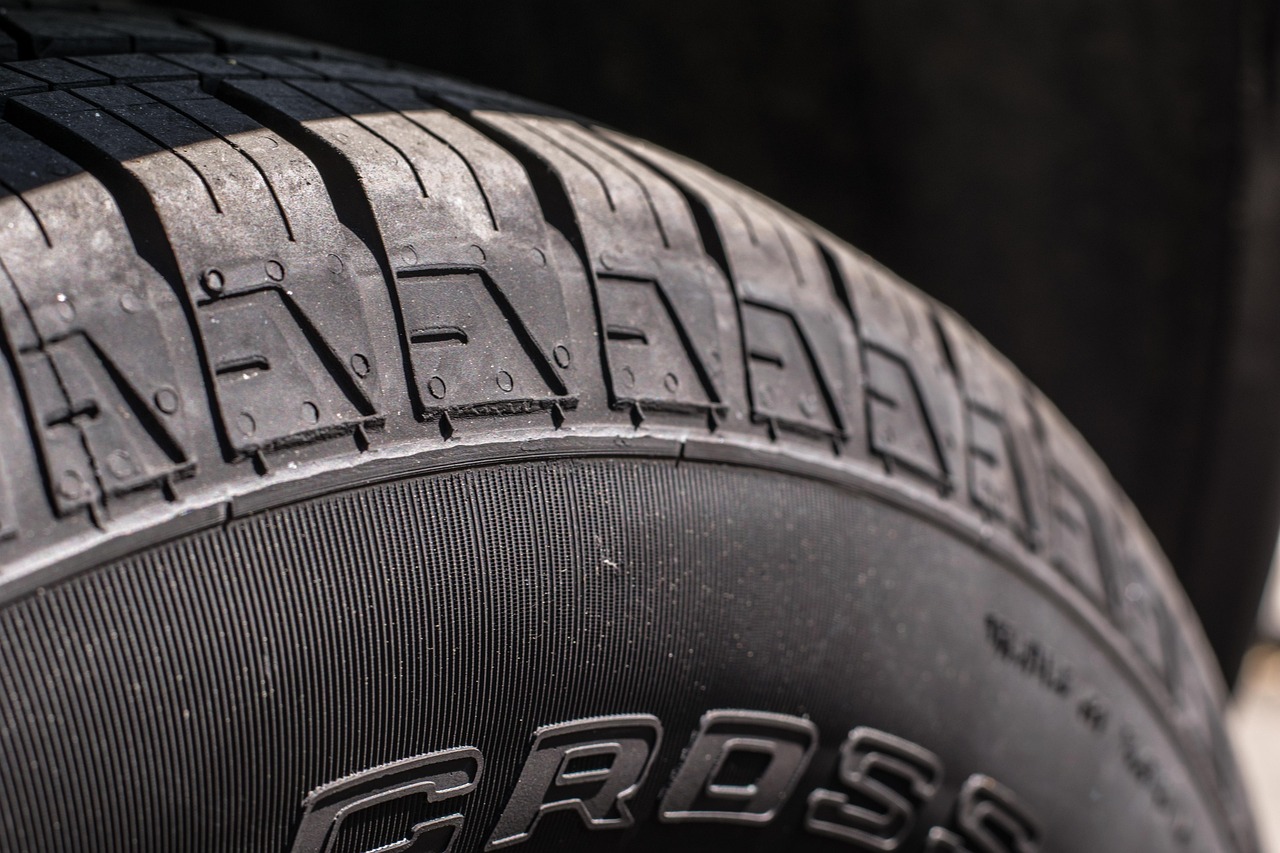
When struts or shocks begin to fail, the secondary effects ripple through the rest of the vehicle and usually present first in the tires. Feathering, cupping, and uneven wear patterns are all signs that the suspension is no longer keeping the tire in full contact with the road surface during acceleration, turning, or braking. In vehicles like the 2011 through 2016 Honda CR-V, rear shock failure can lead to camber angle changes that prematurely wear the inside shoulder of all-season tires. This tire damage adds vibration to the cabin, wears out wheel bearings faster, and can overload electronic stability systems that rely on consistent contact patch behavior. We measure tread variation and use infrared heat scans during rotation to catch this damage before it progresses into a full steering or braking issue.
Bad Roads and Heavy Loads Accelerate a Hidden Clock
Fremont roads may seem smooth enough, but repetitive stress from expansion joints, parking lot slopes, and speed bump impacts accelerates shock and strut wear significantly. Add in heavy trunk cargo, multiple passengers, or trailer loads, and the lifespan of a suspension component drops even further, especially in vehicles not rated for consistent high-load use. In the 2013 through 2017 Nissan Altima and similar midsize sedans, we often see shocks fail at moderate mileage, even when the owner performs every other service on time. These components do not fail all at once; they slowly degrade and shift the burden of force into other parts of the suspension, multiplying complexity with every ignored symptom. That is why we do not guess based on age; we test based on behavior.
Why Our Process Identifies What Others Miss
At Fremont Foreign Auto, we use a layered diagnostic approach that includes visual inspection, ride feel analysis, and suspension component performance testing under real weight and pressure. Other shops might bounce the bumper and call it good; we log rebound velocity, check spring seat deflection, and measure damper temperature profiles after road simulation. On vehicles with electronically adjustable dampers or ride control modules, like the 2016 through 2020 Audi Q5, we scan controller data in real time to identify failure trends that visual inspection could never detect. Suspension systems are more advanced now than ever before, and the way they fail has become equally subtle and easy to overlook without the right tools. That is exactly why we treat every shock or strut complaint as a system issue, not just a part problem.
Ignore It Now and You Will Feel It Later
A failing suspension does not always shout its presence, but over time, it alters how your vehicle feels, performs, and wears down critical components. If your vehicle drifts, leans, or feels disconnected from the road, there is a strong chance your shocks or struts are no longer doing their job. At Fremont Foreign Auto in Fremont, CA, we inspect, test, and track the real behavior of your suspension system before visible symptoms turn into consequences that affect your steering, safety, and traction. Call us at (510) 793-6067 and let our team give you clarity on what your ride has been trying to tell you every time you hit a turn or a stoplight.
Struts are not just ride comfort components; they are structural suspension elements that hold your steering geometry in place while absorbing energy from every bump, curve, and stop. A worn strut will not always squeak or leak oil, but it will change how your car behaves under stress, especially during sudden stops or quick turns. In vehicles like the 2012 through 2016 Mazda3 or the 2013 through 2018 Subaru Forester, we frequently see strut failures present as minor steering drift or tire noise long before traditional symptoms appear. That is why visual inspections can be misleading, and why our shop in Fremont uses dynamic compression and rebound testing to diagnose internal strut fatigue. If your car leans more than it used to or corners with hesitation, your struts may be failing quietly while affecting everything from stability control to traction management.
Shocks May Not Leak, But They Still Quit on the Job
Rear shocks, often overlooked due to their simpler structure, degrade over time through heat cycling, load changes, and internal gas loss that reduces their ability to resist motion. This kind of failure is subtle at first, making your vehicle feel floaty or disconnected, particularly during highway driving or when carrying cargo in the trunk. In Fremont, we have tested shocks on 2010 through 2015 Ford Edge models that had no visible leaks and passed visual inspection, yet failed every rebound timing test we performed. Drivers usually notice this issue only after tire wear accelerates or braking feels less responsive than normal. These are not cosmetic problems; they are system failures, and we find them every week on vehicles with no outward signs of suspension damage.
The Damage Does Not Stop at the Suspension
When struts or shocks begin to fail, the secondary effects ripple through the rest of the vehicle and usually present first in the tires. Feathering, cupping, and uneven wear patterns are all signs that the suspension is no longer keeping the tire in full contact with the road surface during acceleration, turning, or braking. In vehicles like the 2011 through 2016 Honda CR-V, rear shock failure can lead to camber angle changes that prematurely wear the inside shoulder of all-season tires. This tire damage adds vibration to the cabin, wears out wheel bearings faster, and can overload electronic stability systems that rely on consistent contact patch behavior. We measure tread variation and use infrared heat scans during rotation to catch this damage before it progresses into a full steering or braking issue.
Bad Roads and Heavy Loads Accelerate a Hidden Clock
Fremont roads may seem smooth enough, but repetitive stress from expansion joints, parking lot slopes, and speed bump impacts accelerates shock and strut wear significantly. Add in heavy trunk cargo, multiple passengers, or trailer loads, and the lifespan of a suspension component drops even further, especially in vehicles not rated for consistent high-load use. In the 2013 through 2017 Nissan Altima and similar midsize sedans, we often see shocks fail at moderate mileage, even when the owner performs every other service on time. These components do not fail all at once; they slowly degrade and shift the burden of force into other parts of the suspension, multiplying complexity with every ignored symptom. That is why we do not guess based on age; we test based on behavior.
Why Our Process Identifies What Others Miss
At Fremont Foreign Auto, we use a layered diagnostic approach that includes visual inspection, ride feel analysis, and suspension component performance testing under real weight and pressure. Other shops might bounce the bumper and call it good; we log rebound velocity, check spring seat deflection, and measure damper temperature profiles after road simulation. On vehicles with electronically adjustable dampers or ride control modules, like the 2016 through 2020 Audi Q5, we scan controller data in real time to identify failure trends that visual inspection could never detect. Suspension systems are more advanced now than ever before, and the way they fail has become equally subtle and easy to overlook without the right tools. That is exactly why we treat every shock or strut complaint as a system issue, not just a part problem.
Ignore It Now and You Will Feel It Later
A failing suspension does not always shout its presence, but over time, it alters how your vehicle feels, performs, and wears down critical components. If your vehicle drifts, leans, or feels disconnected from the road, there is a strong chance your shocks or struts are no longer doing their job. At Fremont Foreign Auto in Fremont, CA, we inspect, test, and track the real behavior of your suspension system before visible symptoms turn into consequences that affect your steering, safety, and traction. Call us at (510) 793-6067 and let our team give you clarity on what your ride has been trying to tell you every time you hit a turn or a stoplight.
Fremont, CA - Causes of Worn-Out Shocks or Struts | Auto Repair Shop News
SYNOPSIS: At Fremont Foreign Auto in Fremont, CA, we identify shock and strut failures other shops overlook, restoring safety and performance before suspension damage spreads system-wide.
It’s Not Just the Road, It’s Your Suspension
BY: Eduardo Porta, Fremont Foreign Auto
You tap the brakes and your car dives more than it should, yet you assume the tires or alignment are to blame. Most Fremont drivers do not realize that worn-out shocks or struts are often the real reason behind that sudden front-end drop, excessive nose-dive, or unexpected instability while turning. Your suspension is designed to manage weight transfer, body control, and tire contact with every movement, and when it begins to break down, the problems surface in unpredictable places. By the time those symptoms become obvious, the damage has already reached beyond your shocks and struts into your tires, bushings, and alignment system. That soft bounce or subtle body sway may seem minor today, but it is quietly compromising your car’s handling, braking, and long-term reliability.
Your Struts Do More Than You Think, And Fail Before You Notice
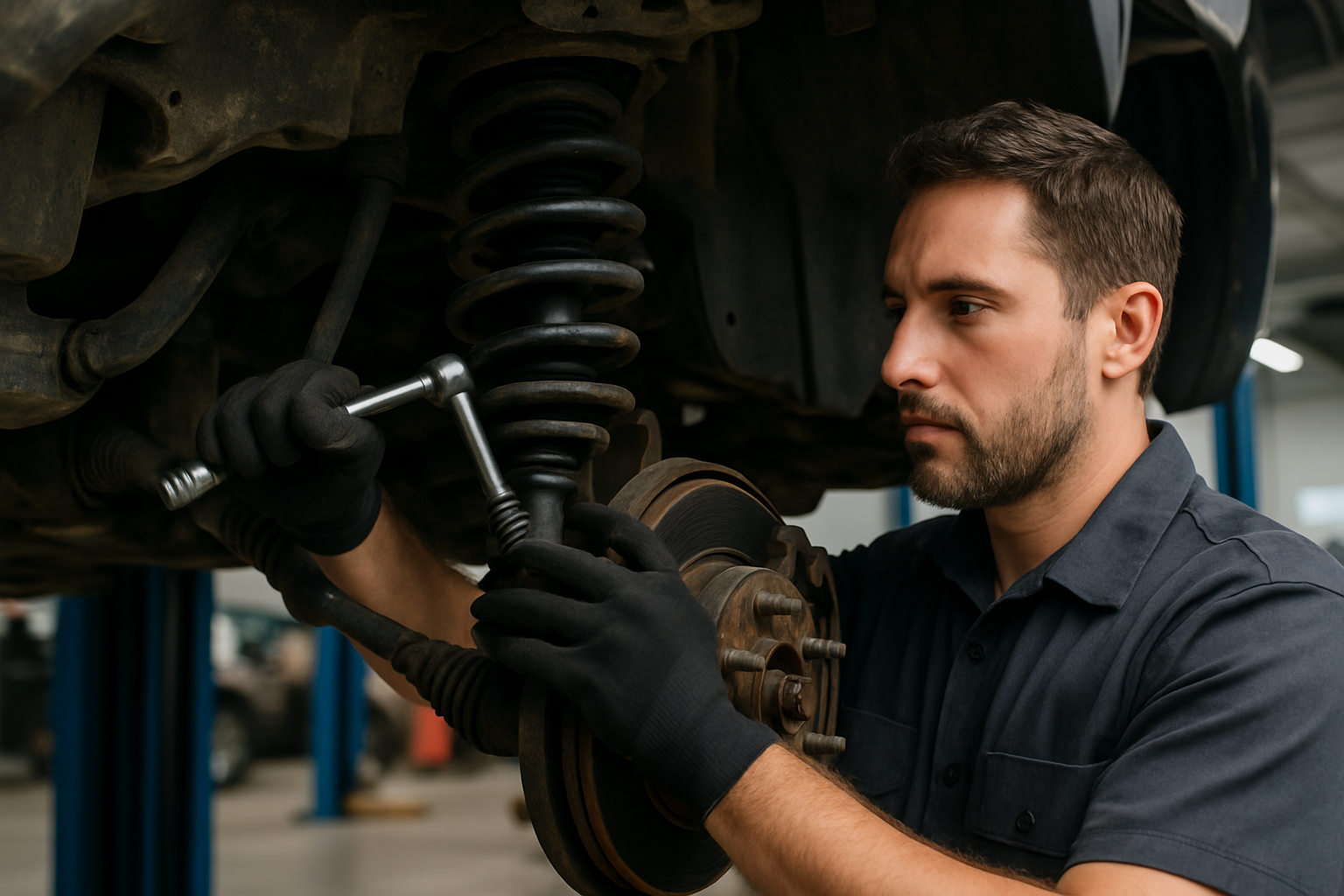
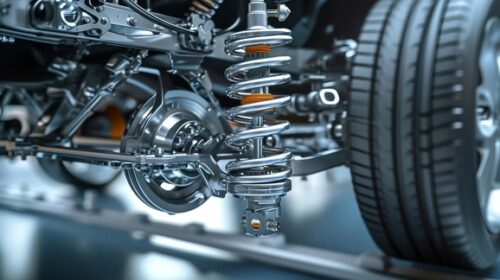
Struts are not just ride comfort components; they are structural suspension elements that hold your steering geometry in place while absorbing energy from every bump, curve, and stop. A worn strut will not always squeak or leak oil, but it will change how your car behaves under stress, especially during sudden stops or quick turns. In vehicles like the 2012 through 2016 Mazda3 or the 2013 through 2018 Subaru Forester, we frequently see strut failures present as minor steering drift or tire noise long before traditional symptoms appear. That is why visual inspections can be misleading, and why our shop in Fremont uses dynamic compression and rebound testing to diagnose internal strut fatigue. If your car leans more than it used to or corners with hesitation, your struts may be failing quietly while affecting everything from stability control to traction management.
Shocks May Not Leak, But They Still Quit on the Job
Rear shocks, often overlooked due to their simpler structure, degrade over time through heat cycling, load changes, and internal gas loss that reduces their ability to resist motion. This kind of failure is subtle at first, making your vehicle feel floaty or disconnected, particularly during highway driving or when carrying cargo in the trunk. In Fremont, we have tested shocks on 2010 through 2015 Ford Edge models that had no visible leaks and passed visual inspection, yet failed every rebound timing test we performed. Drivers usually notice this issue only after tire wear accelerates or braking feels less responsive than normal. These are not cosmetic problems; they are system failures, and we find them every week on vehicles with no outward signs of suspension damage.
The Damage Does Not Stop at the Suspension
When struts or shocks begin to fail, the secondary effects ripple through the rest of the vehicle and usually present first in the tires. Feathering, cupping, and uneven wear patterns are all signs that the suspension is no longer keeping the tire in full contact with the road surface during acceleration, turning, or braking. In vehicles like the 2011 through 2016 Honda CR-V, rear shock failure can lead to camber angle changes that prematurely wear the inside shoulder of all-season tires. This tire damage adds vibration to the cabin, wears out wheel bearings faster, and can overload electronic stability systems that rely on consistent contact patch behavior. We measure tread variation and use infrared heat scans during rotation to catch this damage before it progresses into a full steering or braking issue.
Bad Roads and Heavy Loads Accelerate a Hidden Clock
Fremont roads may seem smooth enough, but repetitive stress from expansion joints, parking lot slopes, and speed bump impacts accelerates shock and strut wear significantly. Add in heavy trunk cargo, multiple passengers, or trailer loads, and the lifespan of a suspension component drops even further, especially in vehicles not rated for consistent high-load use. In the 2013 through 2017 Nissan Altima and similar midsize sedans, we often see shocks fail at moderate mileage, even when the owner performs every other service on time. These components do not fail all at once; they slowly degrade and shift the burden of force into other parts of the suspension, multiplying complexity with every ignored symptom. That is why we do not guess based on age; we test based on behavior.
Why Our Process Identifies What Others Miss
At Fremont Foreign Auto, we use a layered diagnostic approach that includes visual inspection, ride feel analysis, and suspension component performance testing under real weight and pressure. Other shops might bounce the bumper and call it good; we log rebound velocity, check spring seat deflection, and measure damper temperature profiles after road simulation. On vehicles with electronically adjustable dampers or ride control modules, like the 2016 through 2020 Audi Q5, we scan controller data in real time to identify failure trends that visual inspection could never detect. Suspension systems are more advanced now than ever before, and the way they fail has become equally subtle and easy to overlook without the right tools. That is exactly why we treat every shock or strut complaint as a system issue, not just a part problem.
Ignore It Now and You Will Feel It Later
A failing suspension does not always shout its presence, but over time, it alters how your vehicle feels, performs, and wears down critical components. If your vehicle drifts, leans, or feels disconnected from the road, there is a strong chance your shocks or struts are no longer doing their job. At Fremont Foreign Auto in Fremont, CA, we inspect, test, and track the real behavior of your suspension system before visible symptoms turn into consequences that affect your steering, safety, and traction. Call us at (510) 793-6067 and let our team give you clarity on what your ride has been trying to tell you every time you hit a turn or a stoplight.
Struts are not just ride comfort components; they are structural suspension elements that hold your steering geometry in place while absorbing energy from every bump, curve, and stop. A worn strut will not always squeak or leak oil, but it will change how your car behaves under stress, especially during sudden stops or quick turns. In vehicles like the 2012 through 2016 Mazda3 or the 2013 through 2018 Subaru Forester, we frequently see strut failures present as minor steering drift or tire noise long before traditional symptoms appear. That is why visual inspections can be misleading, and why our shop in Fremont uses dynamic compression and rebound testing to diagnose internal strut fatigue. If your car leans more than it used to or corners with hesitation, your struts may be failing quietly while affecting everything from stability control to traction management.
Shocks May Not Leak, But They Still Quit on the Job
Rear shocks, often overlooked due to their simpler structure, degrade over time through heat cycling, load changes, and internal gas loss that reduces their ability to resist motion. This kind of failure is subtle at first, making your vehicle feel floaty or disconnected, particularly during highway driving or when carrying cargo in the trunk. In Fremont, we have tested shocks on 2010 through 2015 Ford Edge models that had no visible leaks and passed visual inspection, yet failed every rebound timing test we performed. Drivers usually notice this issue only after tire wear accelerates or braking feels less responsive than normal. These are not cosmetic problems; they are system failures, and we find them every week on vehicles with no outward signs of suspension damage.
The Damage Does Not Stop at the Suspension
When struts or shocks begin to fail, the secondary effects ripple through the rest of the vehicle and usually present first in the tires. Feathering, cupping, and uneven wear patterns are all signs that the suspension is no longer keeping the tire in full contact with the road surface during acceleration, turning, or braking. In vehicles like the 2011 through 2016 Honda CR-V, rear shock failure can lead to camber angle changes that prematurely wear the inside shoulder of all-season tires. This tire damage adds vibration to the cabin, wears out wheel bearings faster, and can overload electronic stability systems that rely on consistent contact patch behavior. We measure tread variation and use infrared heat scans during rotation to catch this damage before it progresses into a full steering or braking issue.
Bad Roads and Heavy Loads Accelerate a Hidden Clock
Fremont roads may seem smooth enough, but repetitive stress from expansion joints, parking lot slopes, and speed bump impacts accelerates shock and strut wear significantly. Add in heavy trunk cargo, multiple passengers, or trailer loads, and the lifespan of a suspension component drops even further, especially in vehicles not rated for consistent high-load use. In the 2013 through 2017 Nissan Altima and similar midsize sedans, we often see shocks fail at moderate mileage, even when the owner performs every other service on time. These components do not fail all at once; they slowly degrade and shift the burden of force into other parts of the suspension, multiplying complexity with every ignored symptom. That is why we do not guess based on age; we test based on behavior.
Why Our Process Identifies What Others Miss
At Fremont Foreign Auto, we use a layered diagnostic approach that includes visual inspection, ride feel analysis, and suspension component performance testing under real weight and pressure. Other shops might bounce the bumper and call it good; we log rebound velocity, check spring seat deflection, and measure damper temperature profiles after road simulation. On vehicles with electronically adjustable dampers or ride control modules, like the 2016 through 2020 Audi Q5, we scan controller data in real time to identify failure trends that visual inspection could never detect. Suspension systems are more advanced now than ever before, and the way they fail has become equally subtle and easy to overlook without the right tools. That is exactly why we treat every shock or strut complaint as a system issue, not just a part problem.
Ignore It Now and You Will Feel It Later
A failing suspension does not always shout its presence, but over time, it alters how your vehicle feels, performs, and wears down critical components. If your vehicle drifts, leans, or feels disconnected from the road, there is a strong chance your shocks or struts are no longer doing their job. At Fremont Foreign Auto in Fremont, CA, we inspect, test, and track the real behavior of your suspension system before visible symptoms turn into consequences that affect your steering, safety, and traction. Call us at (510) 793-6067 and let our team give you clarity on what your ride has been trying to tell you every time you hit a turn or a stoplight.