 Oil consumption problems aren’t a mystery anymore—they’re a known consequence of engine design shortcuts, extended service intervals, and overlooked internal failure points. In vehicles like the 2007–2011 Toyota Camry, 2011–2014 Subaru Forester, and 2013–2017 Audi A4, we’ve seen consistent oil usage between 1 and 2 quarts every 1,000 miles, often dismissed as “within spec” by dealerships. At Fremont Foreign Auto, we treat these symptoms as warning signs, not owner error. We perform controlled consumption monitoring, run cylinder leak-down tests with hot engine conditions, and scope the piston crown and valve area through the plug holes to verify whether oil is entering the chamber through ring blow-by or valve seal seepage.
Low-Tension Rings and Narrow Oil Control Grooves Are the Most Common Root Cause We Find
Automakers began using low-tension oil rings to reduce friction losses and improve fuel economy, but the trade-off was ring seizure under carbon buildup, especially in short-trip driving patterns. In vehicles like the 2.5L Subaru FB25 or 2.4L Toyota 2AZ-FE engine, oil ring drain-back holes become obstructed, locking the rings in place and allowing oil to pass freely into the combustion chamber. We verify this issue by monitoring cylinder pressure decay relative to crankcase vacuum and inspecting plug fouling patterns that are specific to ring bypass, not valve leakage. Once confirmed, we recommend piston ring replacement and—if damage is severe—a full rebuild with updated oil scraper ring tolerances and higher-flow piston oiling designs.
The PCV System’s Role Is Always Underestimated—Until It Starts Dumping Oil into the Intake
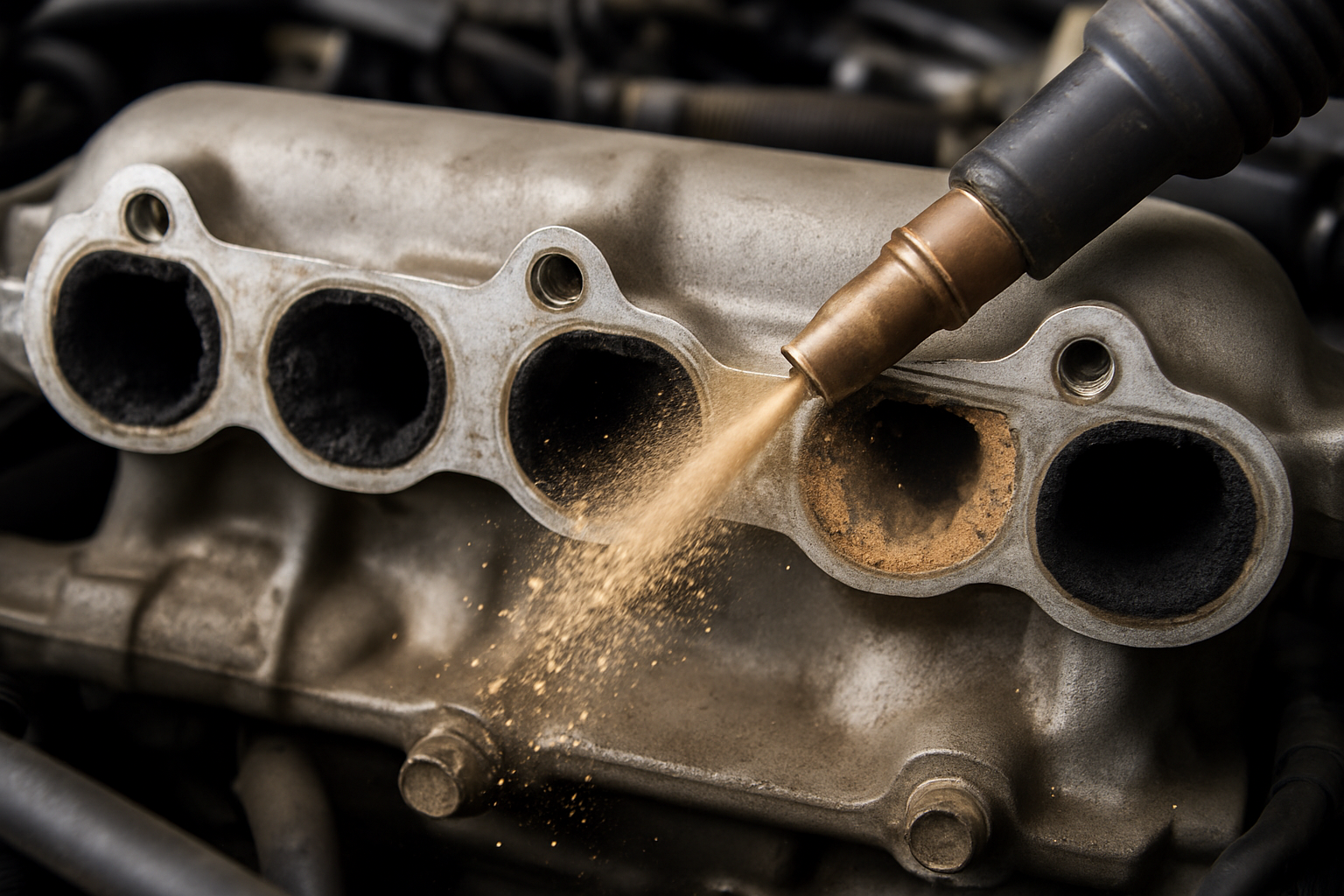
Most modern engines rely on closed-loop crankcase ventilation to manage pressure and redirect blow-by gases back into the intake tract. When the PCV valve sticks or the oil separator fails, excessive oil vapor enters the intake and coats the valves, intercooler, and throttle body. In vehicles like the 2014–2019 BMW 328i and 2012–2018 Ford EcoBoost engines, we often find oil pooling inside the charge piping, falsely diagnosed as turbo failure. Our shop pressure-tests the crankcase and monitors live vacuum compensation with the PCV system under both idle and boost transition conditions to isolate where the imbalance is happening. In some cases, we install baffled oil catch cans to prevent future contamination and protect valve seats from hydrocarbon buildup.
Valve Guide Wear Happens Slowly—But the Damage Is Obvious Once You Know What to Look For
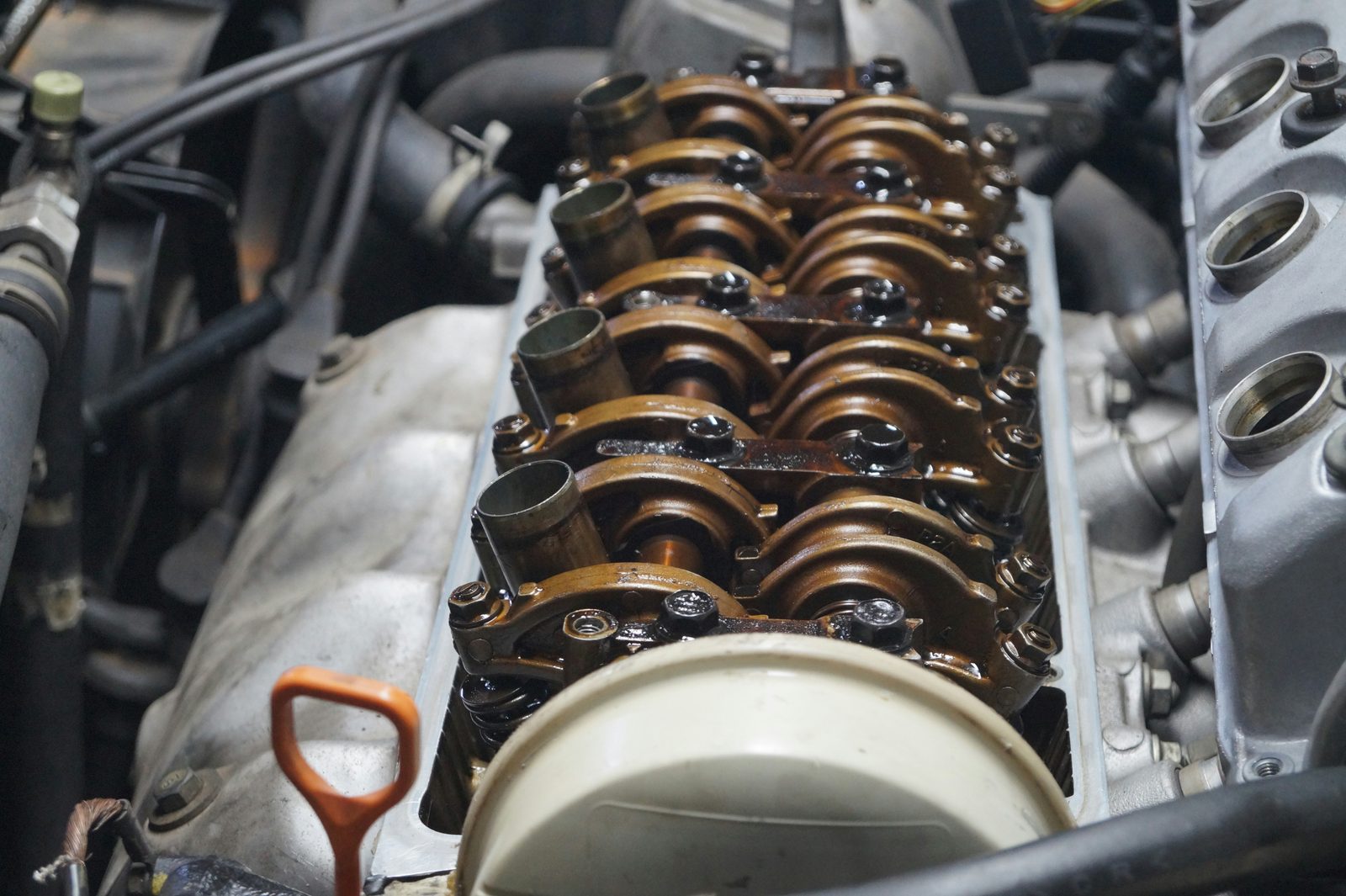
High-mileage engines, especially those running synthetic oil with 10,000-mile intervals, often develop valve stem seal degradation and valve guide clearance issues. This condition leads to oil seeping past the guides during engine shutdown or extended deceleration, causing smoke on startup and rising oil consumption without any visible leak. We verify valve guide wear using borescope visuals of the valve stem surface and by performing a deceleration test that measures hydrocarbon rise in the tailpipe. When confirmed, we remove the cylinder head, replace valve seals with high-temp Viton equivalents, and check all guides against new-seat interference specs to ensure long-term performance.
Synthetic Oil Doesn’t Mask the Issue—It Just Buys Time
Drivers are often told that switching to synthetic oil will reduce consumption, but that solution masks the issue rather than fixing it. In cases of ring sticking or valve seal seepage, synthetic oil’s resistance to evaporation slightly delays symptoms but never reverses the problem. We’ve tested used oil samples from Fremont-area vehicles and consistently found elevated aluminum and silicon content—early indicators of friction-based wear that begins long before symptoms appear. At our shop, we offer oil analysis kits with every consumption inspection to provide real proof of what's breaking down inside your engine and when to act.
We Fix Oil Consumption by Solving the Internal Problem, Not by Guessing or Topping Off
At Fremont Foreign Auto, we don’t rely on vague service bulletins or “acceptable usage” guidelines when oil levels drop. We locate the root cause using pressure-based diagnostics, visual confirmation, and chemical testing that proves what’s actually happening inside the engine. Fremont drivers who visit us for oil consumption issues leave with more than just topped-off oil—they leave with answers and a real plan to fix the cause before it leads to bearing damage or catalytic converter failure. Call (510) 793-6067 and schedule a full-engine oil consumption diagnostic that replaces speculation with certainty.
Oil consumption problems aren’t a mystery anymore—they’re a known consequence of engine design shortcuts, extended service intervals, and overlooked internal failure points. In vehicles like the 2007–2011 Toyota Camry, 2011–2014 Subaru Forester, and 2013–2017 Audi A4, we’ve seen consistent oil usage between 1 and 2 quarts every 1,000 miles, often dismissed as “within spec” by dealerships. At Fremont Foreign Auto, we treat these symptoms as warning signs, not owner error. We perform controlled consumption monitoring, run cylinder leak-down tests with hot engine conditions, and scope the piston crown and valve area through the plug holes to verify whether oil is entering the chamber through ring blow-by or valve seal seepage.
Low-Tension Rings and Narrow Oil Control Grooves Are the Most Common Root Cause We Find
Automakers began using low-tension oil rings to reduce friction losses and improve fuel economy, but the trade-off was ring seizure under carbon buildup, especially in short-trip driving patterns. In vehicles like the 2.5L Subaru FB25 or 2.4L Toyota 2AZ-FE engine, oil ring drain-back holes become obstructed, locking the rings in place and allowing oil to pass freely into the combustion chamber. We verify this issue by monitoring cylinder pressure decay relative to crankcase vacuum and inspecting plug fouling patterns that are specific to ring bypass, not valve leakage. Once confirmed, we recommend piston ring replacement and—if damage is severe—a full rebuild with updated oil scraper ring tolerances and higher-flow piston oiling designs.
The PCV System’s Role Is Always Underestimated—Until It Starts Dumping Oil into the Intake
Most modern engines rely on closed-loop crankcase ventilation to manage pressure and redirect blow-by gases back into the intake tract. When the PCV valve sticks or the oil separator fails, excessive oil vapor enters the intake and coats the valves, intercooler, and throttle body. In vehicles like the 2014–2019 BMW 328i and 2012–2018 Ford EcoBoost engines, we often find oil pooling inside the charge piping, falsely diagnosed as turbo failure. Our shop pressure-tests the crankcase and monitors live vacuum compensation with the PCV system under both idle and boost transition conditions to isolate where the imbalance is happening. In some cases, we install baffled oil catch cans to prevent future contamination and protect valve seats from hydrocarbon buildup.
Valve Guide Wear Happens Slowly—But the Damage Is Obvious Once You Know What to Look For
High-mileage engines, especially those running synthetic oil with 10,000-mile intervals, often develop valve stem seal degradation and valve guide clearance issues. This condition leads to oil seeping past the guides during engine shutdown or extended deceleration, causing smoke on startup and rising oil consumption without any visible leak. We verify valve guide wear using borescope visuals of the valve stem surface and by performing a deceleration test that measures hydrocarbon rise in the tailpipe. When confirmed, we remove the cylinder head, replace valve seals with high-temp Viton equivalents, and check all guides against new-seat interference specs to ensure long-term performance.
Synthetic Oil Doesn’t Mask the Issue—It Just Buys Time
Drivers are often told that switching to synthetic oil will reduce consumption, but that solution masks the issue rather than fixing it. In cases of ring sticking or valve seal seepage, synthetic oil’s resistance to evaporation slightly delays symptoms but never reverses the problem. We’ve tested used oil samples from Fremont-area vehicles and consistently found elevated aluminum and silicon content—early indicators of friction-based wear that begins long before symptoms appear. At our shop, we offer oil analysis kits with every consumption inspection to provide real proof of what's breaking down inside your engine and when to act.
We Fix Oil Consumption by Solving the Internal Problem, Not by Guessing or Topping Off
At Fremont Foreign Auto, we don’t rely on vague service bulletins or “acceptable usage” guidelines when oil levels drop. We locate the root cause using pressure-based diagnostics, visual confirmation, and chemical testing that proves what’s actually happening inside the engine. Fremont drivers who visit us for oil consumption issues leave with more than just topped-off oil—they leave with answers and a real plan to fix the cause before it leads to bearing damage or catalytic converter failure. Call (510) 793-6067 and schedule a full-engine oil consumption diagnostic that replaces speculation with certainty.
Fremont, CA - Frequent Oil Consumption Issues? Visit Our Auto Repair Shop
SYNOPSIS: Fremont Foreign Auto, located in Fremont, CA, identifies and resolves persistent oil consumption problems that affect modern engines—using pressure testing, ring diagnostics, and system evaluations.
Your Engine Isn’t Supposed to Burn Oil in Fremont
BY: Eduardo Porta, Fremont Foreign Auto
Oil consumption problems aren’t a mystery anymore—they’re a known consequence of engine design shortcuts, extended service intervals, and overlooked internal failure points. In vehicles like the 2007–2011 Toyota Camry, 2011–2014 Subaru Forester, and 2013–2017 Audi A4, we’ve seen consistent oil usage between 1 and 2 quarts every 1,000 miles, often dismissed as “within spec” by dealerships. At Fremont Foreign Auto, we treat these symptoms as warning signs, not owner error. We perform controlled consumption monitoring, run cylinder leak-down tests with hot engine conditions, and scope the piston crown and valve area through the plug holes to verify whether oil is entering the chamber through ring blow-by or valve seal seepage.
Low-Tension Rings and Narrow Oil Control Grooves Are the Most Common Root Cause We Find
Automakers began using low-tension oil rings to reduce friction losses and improve fuel economy, but the trade-off was ring seizure under carbon buildup, especially in short-trip driving patterns. In vehicles like the 2.5L Subaru FB25 or 2.4L Toyota 2AZ-FE engine, oil ring drain-back holes become obstructed, locking the rings in place and allowing oil to pass freely into the combustion chamber. We verify this issue by monitoring cylinder pressure decay relative to crankcase vacuum and inspecting plug fouling patterns that are specific to ring bypass, not valve leakage. Once confirmed, we recommend piston ring replacement and—if damage is severe—a full rebuild with updated oil scraper ring tolerances and higher-flow piston oiling designs.
The PCV System’s Role Is Always Underestimated—Until It Starts Dumping Oil into the Intake
Most modern engines rely on closed-loop crankcase ventilation to manage pressure and redirect blow-by gases back into the intake tract. When the PCV valve sticks or the oil separator fails, excessive oil vapor enters the intake and coats the valves, intercooler, and throttle body. In vehicles like the 2014–2019 BMW 328i and 2012–2018 Ford EcoBoost engines, we often find oil pooling inside the charge piping, falsely diagnosed as turbo failure. Our shop pressure-tests the crankcase and monitors live vacuum compensation with the PCV system under both idle and boost transition conditions to isolate where the imbalance is happening. In some cases, we install baffled oil catch cans to prevent future contamination and protect valve seats from hydrocarbon buildup.
Valve Guide Wear Happens Slowly—But the Damage Is Obvious Once You Know What to Look For
High-mileage engines, especially those running synthetic oil with 10,000-mile intervals, often develop valve stem seal degradation and valve guide clearance issues. This condition leads to oil seeping past the guides during engine shutdown or extended deceleration, causing smoke on startup and rising oil consumption without any visible leak. We verify valve guide wear using borescope visuals of the valve stem surface and by performing a deceleration test that measures hydrocarbon rise in the tailpipe. When confirmed, we remove the cylinder head, replace valve seals with high-temp Viton equivalents, and check all guides against new-seat interference specs to ensure long-term performance.
Synthetic Oil Doesn’t Mask the Issue—It Just Buys Time
Drivers are often told that switching to synthetic oil will reduce consumption, but that solution masks the issue rather than fixing it. In cases of ring sticking or valve seal seepage, synthetic oil’s resistance to evaporation slightly delays symptoms but never reverses the problem. We’ve tested used oil samples from Fremont-area vehicles and consistently found elevated aluminum and silicon content—early indicators of friction-based wear that begins long before symptoms appear. At our shop, we offer oil analysis kits with every consumption inspection to provide real proof of what's breaking down inside your engine and when to act.
We Fix Oil Consumption by Solving the Internal Problem, Not by Guessing or Topping Off
At Fremont Foreign Auto, we don’t rely on vague service bulletins or “acceptable usage” guidelines when oil levels drop. We locate the root cause using pressure-based diagnostics, visual confirmation, and chemical testing that proves what’s actually happening inside the engine. Fremont drivers who visit us for oil consumption issues leave with more than just topped-off oil—they leave with answers and a real plan to fix the cause before it leads to bearing damage or catalytic converter failure. Call (510) 793-6067 and schedule a full-engine oil consumption diagnostic that replaces speculation with certainty.