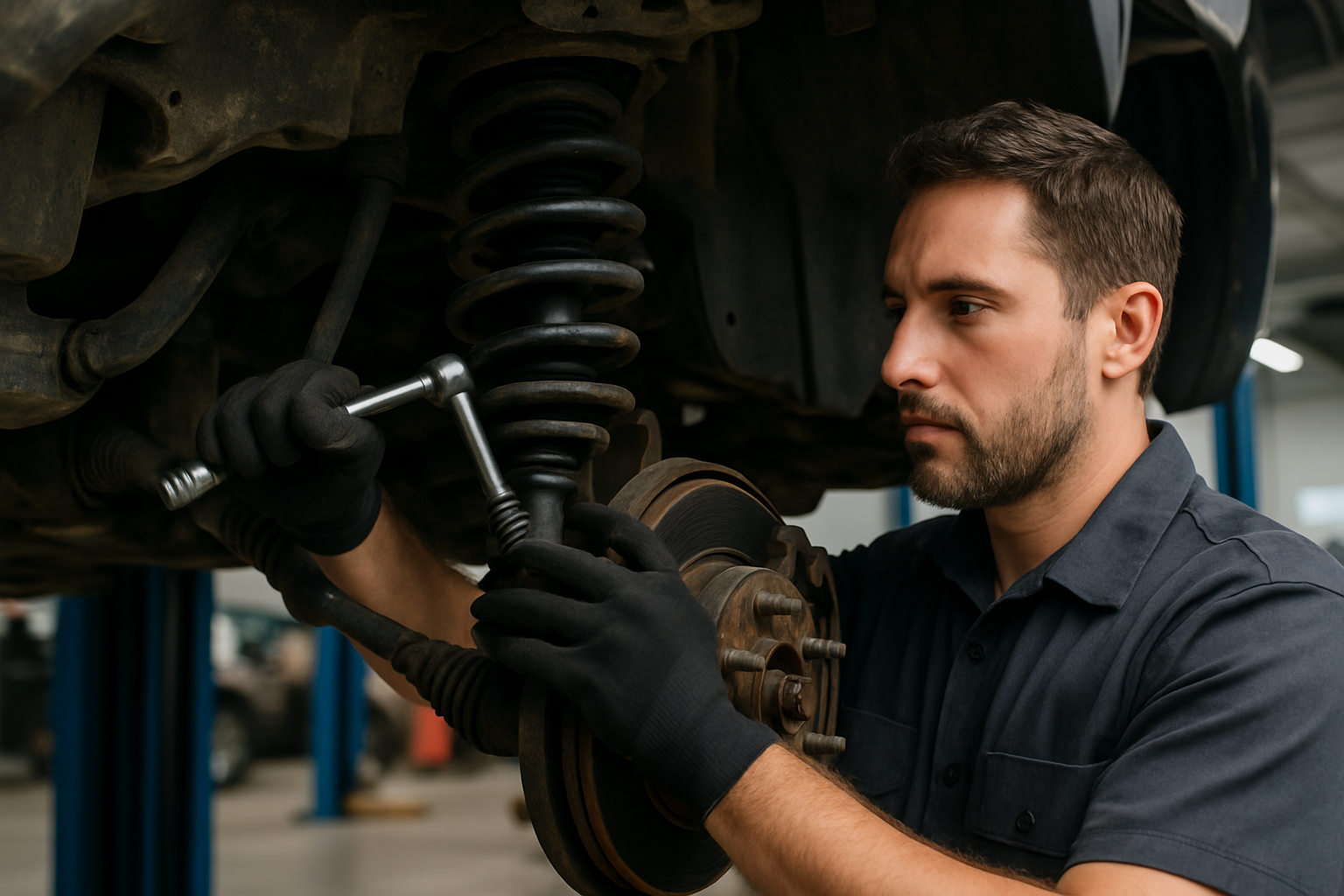
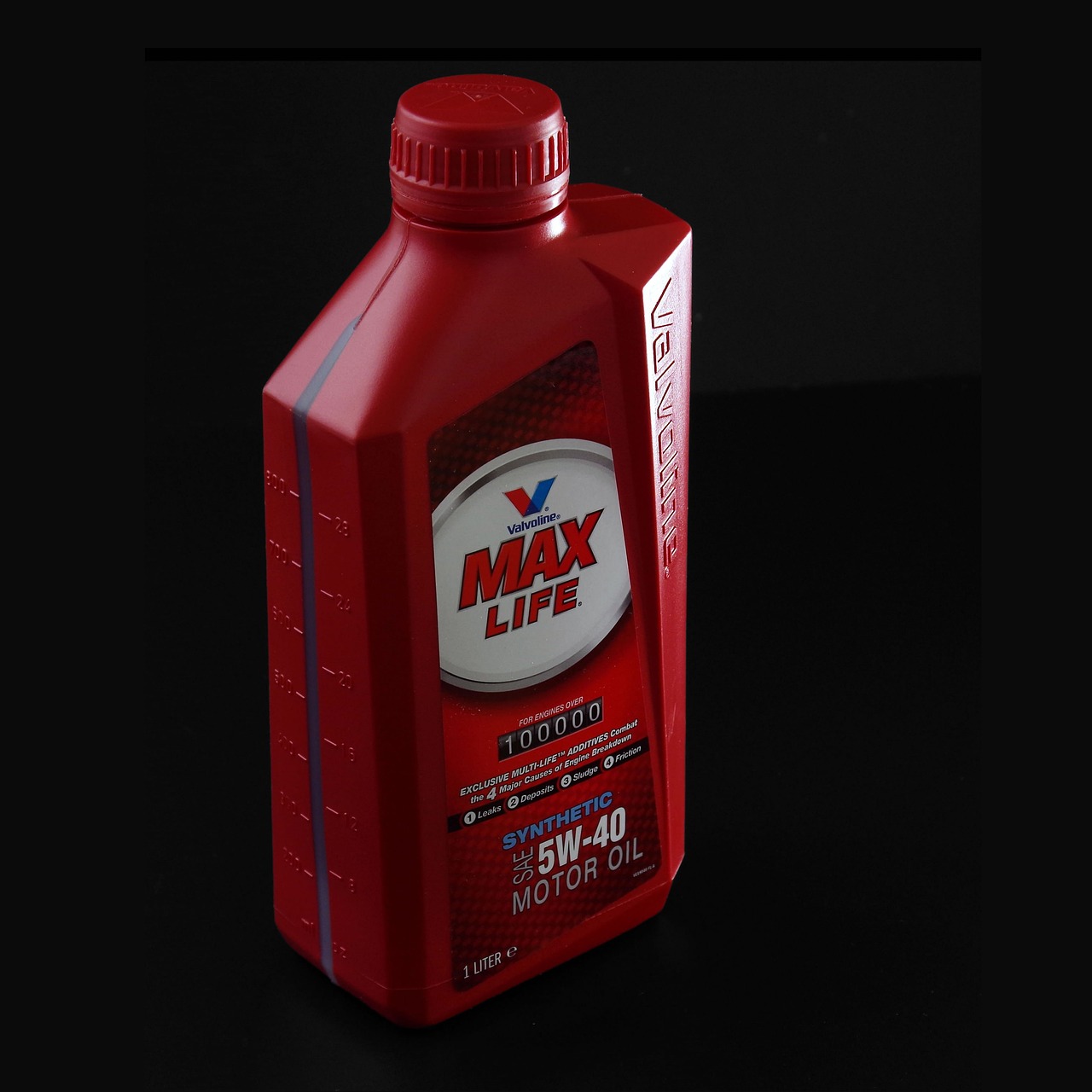
 Is your car trying to tell you something? At Fremont Foreign Auto, we know how crucial timely oil changes are. They're the lifeblood of your engine. Let's explore seven oil change warning signs you shouldn't ignore. Recognizing these early can save you from costly repairs down the road.
Dashboard Lights: Your First Alert
You're driving along Fremont Boulevard when suddenly, a light flashes on your dashboard. What now? Modern cars are smart. They'll tell you when something's wrong. The check engine or oil change light is your car's way of saying, "Hey, I need attention!" Don't ignore it. These lights are triggered by sensors monitoring your engine's health. For instance, Toyota's Maintenance Required light typically appears every 5,000 miles. But remember, it's not always about low oil. When in doubt, get it checked out.
Dark, Dirty Oil: A Visual Clue
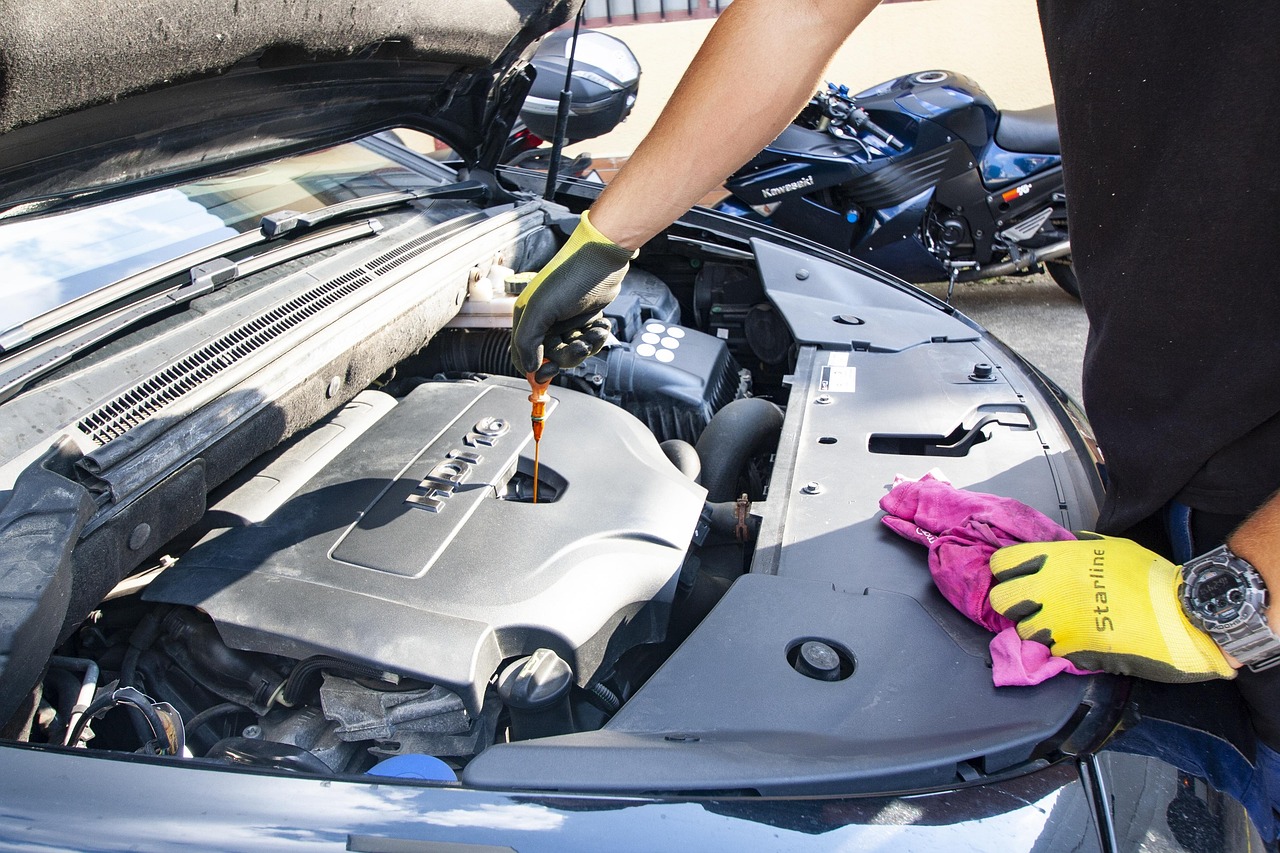
When was your last oil check? Fresh oil is golden brown. As it circulates, it collects debris and darkens. Checking your oil is simple. Park on level ground. Let the engine cool. Find the dipstick. Pull it out, wipe it clean, reinsert, then check again. If it's black or gritty, it's time for a change. High-performance engines, like those in Audi's S models, may need more frequent changes. They run hotter and work harder.
Engine Noise: Listen Up
Hear that? Unusual engine noises spell trouble. Oil creates a protective barrier between moving parts. Old or low oil can't do its job properly. You might hear ticking or knocking, especially when starting up or accelerating. It's often more noticeable in engines with hydraulic lifters, like many Hondas. Ignore it, and you risk serious damage. Rod knock is particularly dangerous. It's a loud banging that signals major problems. Don't let it get to this point.
Exhaust Smoke: A Visible Warning
Notice smoke from your exhaust? It's not always cause for alarm. Some condensation is normal, especially on cold starts. But colored smoke? That's different. Blue smoke suggests oil is leaking into the combustion chamber. It's common in high-mileage vehicles or those poorly maintained. Gray smoke often indicates PCV system issues. Both need immediate attention.
Excessive Mileage: Keep Count
How far have you driven since your last oil change? Even without obvious signs, exceeding the recommended interval is risky. Most modern cars can go 5,000 to 7,500 miles between changes with conventional oil. But it varies. A 2021 Honda Civic might go 7,500 miles under normal conditions. Drive in extreme conditions? You'll need changes more often. We can help you develop a personalized schedule.
Oil Smell: Trust Your Nose
Smell oil inside your car? It could signal a leak. Oil might be low, or it's dripping onto hot engine parts. Various issues cause leaks: degraded gaskets, worn seals, loose filters. Some cars are more prone to leaks. Certain Audi A4 models with the 2.0T engine had oil consumption issues. BMW's N62 V8 engine often develops valve cover gasket leaks. If you notice an oil smell, get it checked immediately.
Increased Fuel Consumption: Watch Your Wallet
Filling up more often? Old or low oil could be the culprit. As oil ages, it becomes less effective at reducing friction. This makes your engine work harder, using more fuel. Low oil levels also decrease efficiency. Volkswagen's 2.0L TSI engine is particularly sensitive to oil quality and level. Using the wrong type or letting levels drop can hit your wallet at the pump.
Don't wait for engine trouble to strike. Regular oil changes are crucial for your car's health. At Fremont Foreign Auto, we're committed to keeping Fremont drivers on the road. Our expert technicians use top-quality oils and state-of-the-art equipment. We serve Fremont and surrounding areas like Newark.
Ready to give your car the care it deserves? Contact Fremont Foreign Auto today. We'll answer your questions and schedule your next service. Remember, prevention beats cure. How will you prioritize your car's health this year?
Is your car trying to tell you something? At Fremont Foreign Auto, we know how crucial timely oil changes are. They're the lifeblood of your engine. Let's explore seven oil change warning signs you shouldn't ignore. Recognizing these early can save you from costly repairs down the road.
Dashboard Lights: Your First Alert
You're driving along Fremont Boulevard when suddenly, a light flashes on your dashboard. What now? Modern cars are smart. They'll tell you when something's wrong. The check engine or oil change light is your car's way of saying, "Hey, I need attention!" Don't ignore it. These lights are triggered by sensors monitoring your engine's health. For instance, Toyota's Maintenance Required light typically appears every 5,000 miles. But remember, it's not always about low oil. When in doubt, get it checked out.
Dark, Dirty Oil: A Visual Clue
When was your last oil check? Fresh oil is golden brown. As it circulates, it collects debris and darkens. Checking your oil is simple. Park on level ground. Let the engine cool. Find the dipstick. Pull it out, wipe it clean, reinsert, then check again. If it's black or gritty, it's time for a change. High-performance engines, like those in Audi's S models, may need more frequent changes. They run hotter and work harder.
Engine Noise: Listen Up
Hear that? Unusual engine noises spell trouble. Oil creates a protective barrier between moving parts. Old or low oil can't do its job properly. You might hear ticking or knocking, especially when starting up or accelerating. It's often more noticeable in engines with hydraulic lifters, like many Hondas. Ignore it, and you risk serious damage. Rod knock is particularly dangerous. It's a loud banging that signals major problems. Don't let it get to this point.
Exhaust Smoke: A Visible Warning
Notice smoke from your exhaust? It's not always cause for alarm. Some condensation is normal, especially on cold starts. But colored smoke? That's different. Blue smoke suggests oil is leaking into the combustion chamber. It's common in high-mileage vehicles or those poorly maintained. Gray smoke often indicates PCV system issues. Both need immediate attention.
Excessive Mileage: Keep Count
How far have you driven since your last oil change? Even without obvious signs, exceeding the recommended interval is risky. Most modern cars can go 5,000 to 7,500 miles between changes with conventional oil. But it varies. A 2021 Honda Civic might go 7,500 miles under normal conditions. Drive in extreme conditions? You'll need changes more often. We can help you develop a personalized schedule.
Oil Smell: Trust Your Nose
Smell oil inside your car? It could signal a leak. Oil might be low, or it's dripping onto hot engine parts. Various issues cause leaks: degraded gaskets, worn seals, loose filters. Some cars are more prone to leaks. Certain Audi A4 models with the 2.0T engine had oil consumption issues. BMW's N62 V8 engine often develops valve cover gasket leaks. If you notice an oil smell, get it checked immediately.
Increased Fuel Consumption: Watch Your Wallet
Filling up more often? Old or low oil could be the culprit. As oil ages, it becomes less effective at reducing friction. This makes your engine work harder, using more fuel. Low oil levels also decrease efficiency. Volkswagen's 2.0L TSI engine is particularly sensitive to oil quality and level. Using the wrong type or letting levels drop can hit your wallet at the pump.
Don't wait for engine trouble to strike. Regular oil changes are crucial for your car's health. At Fremont Foreign Auto, we're committed to keeping Fremont drivers on the road. Our expert technicians use top-quality oils and state-of-the-art equipment. We serve Fremont and surrounding areas like Newark.
Ready to give your car the care it deserves? Contact Fremont Foreign Auto today. We'll answer your questions and schedule your next service. Remember, prevention beats cure. How will you prioritize your car's health this year?
Fremont, CA - Common Oil Change Warning Signs | Local Auto Repair Shop News
SYNOPSIS: Fremont Foreign Auto reveals critical oil change warning signs to keep your car running smoothly in Fremont and beyond.
7 Oil Change Red Flags You Can't Ignore in Fremont
BY: Eduardo Porta, Fremont Foreign Auto
Is your car trying to tell you something? At Fremont Foreign Auto, we know how crucial timely oil changes are. They're the lifeblood of your engine. Let's explore seven oil change warning signs you shouldn't ignore. Recognizing these early can save you from costly repairs down the road.
Dashboard Lights: Your First Alert
You're driving along Fremont Boulevard when suddenly, a light flashes on your dashboard. What now? Modern cars are smart. They'll tell you when something's wrong. The check engine or oil change light is your car's way of saying, "Hey, I need attention!" Don't ignore it. These lights are triggered by sensors monitoring your engine's health. For instance, Toyota's Maintenance Required light typically appears every 5,000 miles. But remember, it's not always about low oil. When in doubt, get it checked out.
Dark, Dirty Oil: A Visual Clue
When was your last oil check? Fresh oil is golden brown. As it circulates, it collects debris and darkens. Checking your oil is simple. Park on level ground. Let the engine cool. Find the dipstick. Pull it out, wipe it clean, reinsert, then check again. If it's black or gritty, it's time for a change. High-performance engines, like those in Audi's S models, may need more frequent changes. They run hotter and work harder.
Engine Noise: Listen Up
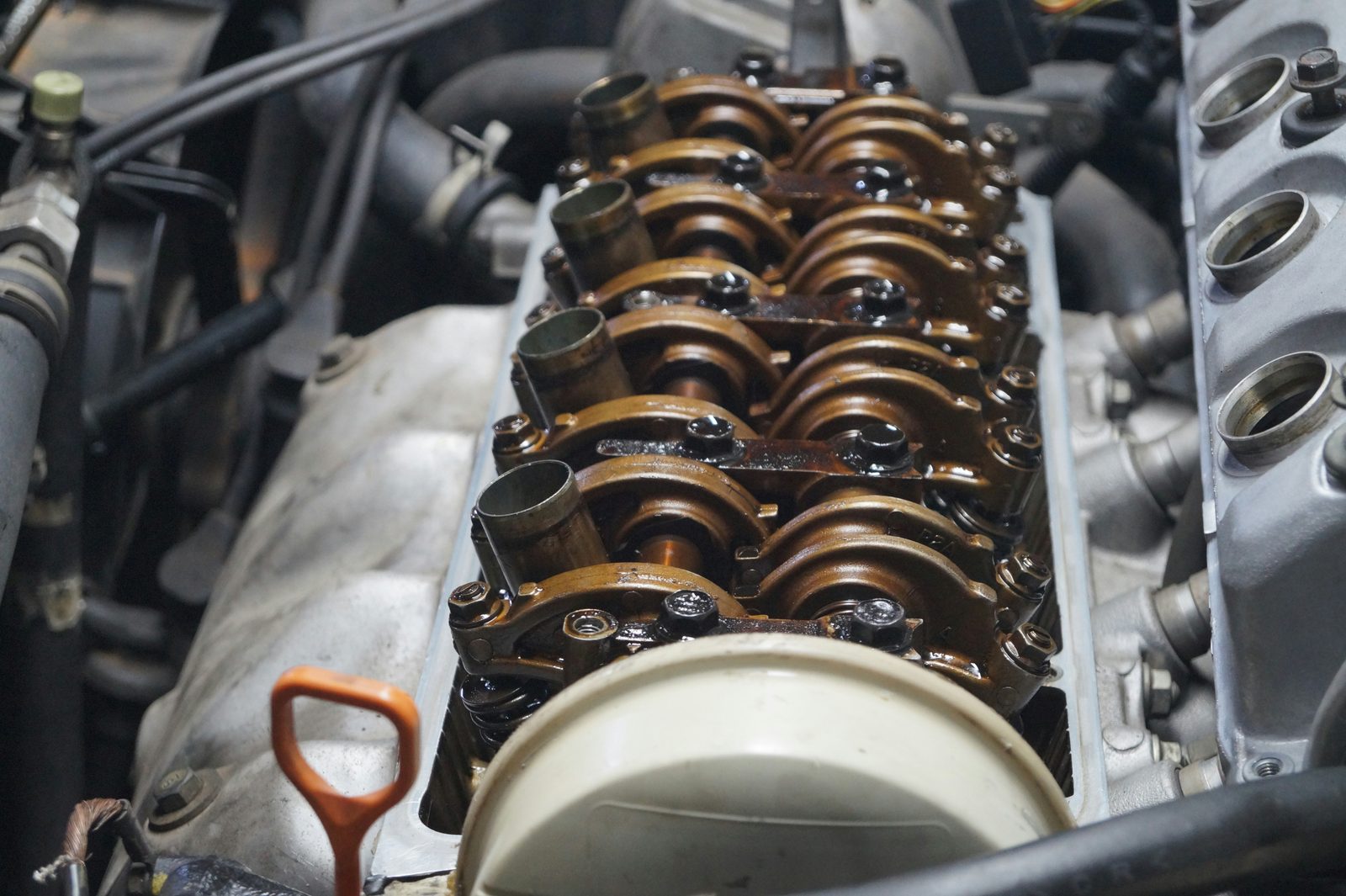
Hear that? Unusual engine noises spell trouble. Oil creates a protective barrier between moving parts. Old or low oil can't do its job properly. You might hear ticking or knocking, especially when starting up or accelerating. It's often more noticeable in engines with hydraulic lifters, like many Hondas. Ignore it, and you risk serious damage. Rod knock is particularly dangerous. It's a loud banging that signals major problems. Don't let it get to this point.
Exhaust Smoke: A Visible Warning
Notice smoke from your exhaust? It's not always cause for alarm. Some condensation is normal, especially on cold starts. But colored smoke? That's different. Blue smoke suggests oil is leaking into the combustion chamber. It's common in high-mileage vehicles or those poorly maintained. Gray smoke often indicates PCV system issues. Both need immediate attention.
Excessive Mileage: Keep Count
How far have you driven since your last oil change? Even without obvious signs, exceeding the recommended interval is risky. Most modern cars can go 5,000 to 7,500 miles between changes with conventional oil. But it varies. A 2021 Honda Civic might go 7,500 miles under normal conditions. Drive in extreme conditions? You'll need changes more often. We can help you develop a personalized schedule.
Oil Smell: Trust Your Nose
Smell oil inside your car? It could signal a leak. Oil might be low, or it's dripping onto hot engine parts. Various issues cause leaks: degraded gaskets, worn seals, loose filters. Some cars are more prone to leaks. Certain Audi A4 models with the 2.0T engine had oil consumption issues. BMW's N62 V8 engine often develops valve cover gasket leaks. If you notice an oil smell, get it checked immediately.
Increased Fuel Consumption: Watch Your Wallet
Filling up more often? Old or low oil could be the culprit. As oil ages, it becomes less effective at reducing friction. This makes your engine work harder, using more fuel. Low oil levels also decrease efficiency. Volkswagen's 2.0L TSI engine is particularly sensitive to oil quality and level. Using the wrong type or letting levels drop can hit your wallet at the pump.
Don't wait for engine trouble to strike. Regular oil changes are crucial for your car's health. At Fremont Foreign Auto, we're committed to keeping Fremont drivers on the road. Our expert technicians use top-quality oils and state-of-the-art equipment. We serve Fremont and surrounding areas like Newark.
Ready to give your car the care it deserves? Contact Fremont Foreign Auto today. We'll answer your questions and schedule your next service. Remember, prevention beats cure. How will you prioritize your car's health this year?