 A smooth, comfortable ride and responsive handling represent some of the main appeals of driving an Acura. But over time, the complex components that make up your luxury vehicle's suspension system can develop problems. By educating yourself on what these parts do and learning to spot symptoms of damage and wear, you can take proactive steps to protect both your safety and investment.
The Shock Absorbers: Your First Line of Defense Against Bumps in the Road
Your Acura’s shock absorbers, or shocks, serve a critical purpose in smoothing out the ride. As your wheels hit imperfections in the pavement, the shocks compress and extend to dampen the impact. This prevents the springs and body of your car from jolting up and down uncontrollably. Over years of use, shocks lose their damping power. You may start to feel a bouncy sensation over bumps and potholes. The front of the car could dip sharply when braking. Poor handling and difficulty maintaining control also signal worn shocks. Replacing them restores stability and comfort.
The Control Arms: Key to Keeping Your Wheels Aligned
Control arms connect the rest of the suspension system to your Acura’s frame. They allow the wheels to travel vertically over uneven road surfaces while maintaining proper alignment. Potholes and curbs can bend control arms out of position. You would then experience uneven tire wear, steering wheel vibrations, and pulling to one side when braking or accelerating. Control arms weakened by rust and age also let alignment slip. New control arms return things to factory specifications to stop annoying vibrations and keep tire wear even.
Ball Joints: Pivotal to Smooth Steering
Ball joints sit at the tops and bottoms of the control arms. They connect to steering knuckles, allowing you to turn the wheels smoothly and absorb impacts through the springs and shocks. The constant motion and forces involved cause ball joints to wear out over time. Play develops in the joints, introducing slop into the steering. You may feel wander or a loose sensation in the wheel, especially when hitting bumps mid-turn. Knocking noises can also signal worn ball joints. Left unchecked, severely compromised joints can even cause control arms to separate. This leads to catastrophic loss of control. Replacing deteriorated ball joints eliminates play for precise steering.
What Role Do Suspension Bushings Play?
Rubber or polyurethane suspension bushings cushion the joints between components. They reduce road noise and vibrations for a smoother ride. But bushings slowly harden and crack with exposure to oil, heat, and debris. The ride then turns harsh and clunking noises arise as the components knock together. Stabilizer bar end links feature bushings too. When these wear out, handling suffers as body roll increases. Having an expert like Fremont Foreign Auto replace worn bushings restores quiet, vibration-free operation.
Could Faulty Springs Be Behind Your Acura’s Lean?
Coil springs support your vehicle’s weight while allowing the wheels to soak up imperfections for a smooth ride. But springs gradually lose tension from constant use. This causes the car to lean to one side and ride lower. Bottoming out over bumps can become an issue as well. In severe cases, springs even snap. Replacing sagging and broken springs with quality parts returns the correct stance and ride height. Your Acura will handle properly again without bottoming out harshly.
Advanced Suspensions Bring Their Own Potential Issues
Higher-end Acura models feature sophisticated active suspension systems. These use electronic sensors and actuators to continuously adapt the shocks’ damping rate as conditions change. You get a perfect balance of ride comfort and agile handling. However, with greater complexity comes more opportunities for problems to arise. Faulty sensors, control module failures, and actuator issues can all occur. Warning lights illuminate and the ride or handling characteristics change for the worse. Proper diagnosis and repair of electronic active suspension gremlins takes advanced computerized equipment and specialized training.
By keeping up with basic suspension maintenance and looking for signs of damage and deterioration, you can help your Acura maintain its factory-fresh ride and handling for years. When bigger issues eventually crop up, the experts at Fremont Foreign Auto possess the in-depth knowledge of Acura suspensions to diagnose problems accurately. We then make all necessary repairs using top quality original equipment or better replacement components. Contact us today to discuss options for restoring your Acura to proper form. Investing in preventative maintenance now prevents more headaches and expense down the road while helping you enjoy your vehicle to the fullest.
A smooth, comfortable ride and responsive handling represent some of the main appeals of driving an Acura. But over time, the complex components that make up your luxury vehicle's suspension system can develop problems. By educating yourself on what these parts do and learning to spot symptoms of damage and wear, you can take proactive steps to protect both your safety and investment.
The Shock Absorbers: Your First Line of Defense Against Bumps in the Road
Your Acura’s shock absorbers, or shocks, serve a critical purpose in smoothing out the ride. As your wheels hit imperfections in the pavement, the shocks compress and extend to dampen the impact. This prevents the springs and body of your car from jolting up and down uncontrollably. Over years of use, shocks lose their damping power. You may start to feel a bouncy sensation over bumps and potholes. The front of the car could dip sharply when braking. Poor handling and difficulty maintaining control also signal worn shocks. Replacing them restores stability and comfort.
The Control Arms: Key to Keeping Your Wheels Aligned
Control arms connect the rest of the suspension system to your Acura’s frame. They allow the wheels to travel vertically over uneven road surfaces while maintaining proper alignment. Potholes and curbs can bend control arms out of position. You would then experience uneven tire wear, steering wheel vibrations, and pulling to one side when braking or accelerating. Control arms weakened by rust and age also let alignment slip. New control arms return things to factory specifications to stop annoying vibrations and keep tire wear even.
Ball Joints: Pivotal to Smooth Steering
Ball joints sit at the tops and bottoms of the control arms. They connect to steering knuckles, allowing you to turn the wheels smoothly and absorb impacts through the springs and shocks. The constant motion and forces involved cause ball joints to wear out over time. Play develops in the joints, introducing slop into the steering. You may feel wander or a loose sensation in the wheel, especially when hitting bumps mid-turn. Knocking noises can also signal worn ball joints. Left unchecked, severely compromised joints can even cause control arms to separate. This leads to catastrophic loss of control. Replacing deteriorated ball joints eliminates play for precise steering.
What Role Do Suspension Bushings Play?
Rubber or polyurethane suspension bushings cushion the joints between components. They reduce road noise and vibrations for a smoother ride. But bushings slowly harden and crack with exposure to oil, heat, and debris. The ride then turns harsh and clunking noises arise as the components knock together. Stabilizer bar end links feature bushings too. When these wear out, handling suffers as body roll increases. Having an expert like Fremont Foreign Auto replace worn bushings restores quiet, vibration-free operation.
Could Faulty Springs Be Behind Your Acura’s Lean?
Coil springs support your vehicle’s weight while allowing the wheels to soak up imperfections for a smooth ride. But springs gradually lose tension from constant use. This causes the car to lean to one side and ride lower. Bottoming out over bumps can become an issue as well. In severe cases, springs even snap. Replacing sagging and broken springs with quality parts returns the correct stance and ride height. Your Acura will handle properly again without bottoming out harshly.
Advanced Suspensions Bring Their Own Potential Issues
Higher-end Acura models feature sophisticated active suspension systems. These use electronic sensors and actuators to continuously adapt the shocks’ damping rate as conditions change. You get a perfect balance of ride comfort and agile handling. However, with greater complexity comes more opportunities for problems to arise. Faulty sensors, control module failures, and actuator issues can all occur. Warning lights illuminate and the ride or handling characteristics change for the worse. Proper diagnosis and repair of electronic active suspension gremlins takes advanced computerized equipment and specialized training.
By keeping up with basic suspension maintenance and looking for signs of damage and deterioration, you can help your Acura maintain its factory-fresh ride and handling for years. When bigger issues eventually crop up, the experts at Fremont Foreign Auto possess the in-depth knowledge of Acura suspensions to diagnose problems accurately. We then make all necessary repairs using top quality original equipment or better replacement components. Contact us today to discuss options for restoring your Acura to proper form. Investing in preventative maintenance now prevents more headaches and expense down the road while helping you enjoy your vehicle to the fullest.
Fremont, CA - Common Acura Suspension Problems Fixed by Our Auto Repair Shop
SYNOPSIS: As an Acura owner, understanding common suspension problems can help you identify issues early and work with a trusted mechanic like Fremont Foreign Auto to make needed repairs.
The Ins and Outs of Your Acura's Suspension
BY: Eduardo Porta, Fremont Foreign Auto
A smooth, comfortable ride and responsive handling represent some of the main appeals of driving an Acura. But over time, the complex components that make up your luxury vehicle's suspension system can develop problems. By educating yourself on what these parts do and learning to spot symptoms of damage and wear, you can take proactive steps to protect both your safety and investment.
The Shock Absorbers: Your First Line of Defense Against Bumps in the Road
Your Acura’s shock absorbers, or shocks, serve a critical purpose in smoothing out the ride. As your wheels hit imperfections in the pavement, the shocks compress and extend to dampen the impact. This prevents the springs and body of your car from jolting up and down uncontrollably. Over years of use, shocks lose their damping power. You may start to feel a bouncy sensation over bumps and potholes. The front of the car could dip sharply when braking. Poor handling and difficulty maintaining control also signal worn shocks. Replacing them restores stability and comfort.
The Control Arms: Key to Keeping Your Wheels Aligned
Control arms connect the rest of the suspension system to your Acura’s frame. They allow the wheels to travel vertically over uneven road surfaces while maintaining proper alignment. Potholes and curbs can bend control arms out of position. You would then experience uneven tire wear, steering wheel vibrations, and pulling to one side when braking or accelerating. Control arms weakened by rust and age also let alignment slip. New control arms return things to factory specifications to stop annoying vibrations and keep tire wear even.
Ball Joints: Pivotal to Smooth Steering
Ball joints sit at the tops and bottoms of the control arms. They connect to steering knuckles, allowing you to turn the wheels smoothly and absorb impacts through the springs and shocks. The constant motion and forces involved cause ball joints to wear out over time. Play develops in the joints, introducing slop into the steering. You may feel wander or a loose sensation in the wheel, especially when hitting bumps mid-turn. Knocking noises can also signal worn ball joints. Left unchecked, severely compromised joints can even cause control arms to separate. This leads to catastrophic loss of control. Replacing deteriorated ball joints eliminates play for precise steering.
What Role Do Suspension Bushings Play?
Rubber or polyurethane suspension bushings cushion the joints between components. They reduce road noise and vibrations for a smoother ride. But bushings slowly harden and crack with exposure to oil, heat, and debris. The ride then turns harsh and clunking noises arise as the components knock together. Stabilizer bar end links feature bushings too. When these wear out, handling suffers as body roll increases. Having an expert like Fremont Foreign Auto replace worn bushings restores quiet, vibration-free operation.
Could Faulty Springs Be Behind Your Acura’s Lean?
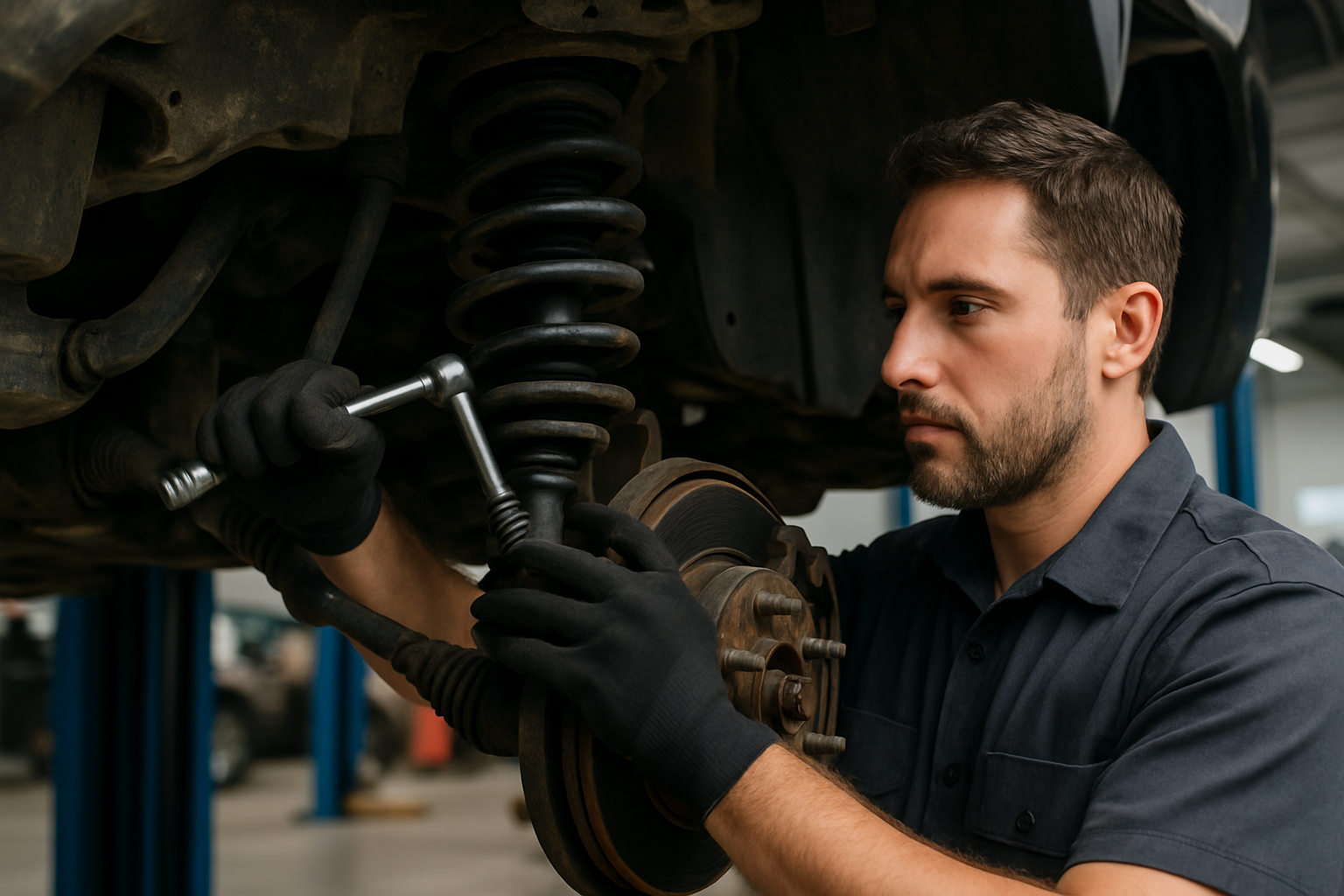
Coil springs support your vehicle’s weight while allowing the wheels to soak up imperfections for a smooth ride. But springs gradually lose tension from constant use. This causes the car to lean to one side and ride lower. Bottoming out over bumps can become an issue as well. In severe cases, springs even snap. Replacing sagging and broken springs with quality parts returns the correct stance and ride height. Your Acura will handle properly again without bottoming out harshly.
Advanced Suspensions Bring Their Own Potential Issues
Higher-end Acura models feature sophisticated active suspension systems. These use electronic sensors and actuators to continuously adapt the shocks’ damping rate as conditions change. You get a perfect balance of ride comfort and agile handling. However, with greater complexity comes more opportunities for problems to arise. Faulty sensors, control module failures, and actuator issues can all occur. Warning lights illuminate and the ride or handling characteristics change for the worse. Proper diagnosis and repair of electronic active suspension gremlins takes advanced computerized equipment and specialized training.
By keeping up with basic suspension maintenance and looking for signs of damage and deterioration, you can help your Acura maintain its factory-fresh ride and handling for years. When bigger issues eventually crop up, the experts at Fremont Foreign Auto possess the in-depth knowledge of Acura suspensions to diagnose problems accurately. We then make all necessary repairs using top quality original equipment or better replacement components. Contact us today to discuss options for restoring your Acura to proper form. Investing in preventative maintenance now prevents more headaches and expense down the road while helping you enjoy your vehicle to the fullest.