 How Brakes Work
Brakes decelerate your car by forcing brake pads against brake rotors. The interaction between these parts creates friction to slow your Escalade.
Brake Rotors
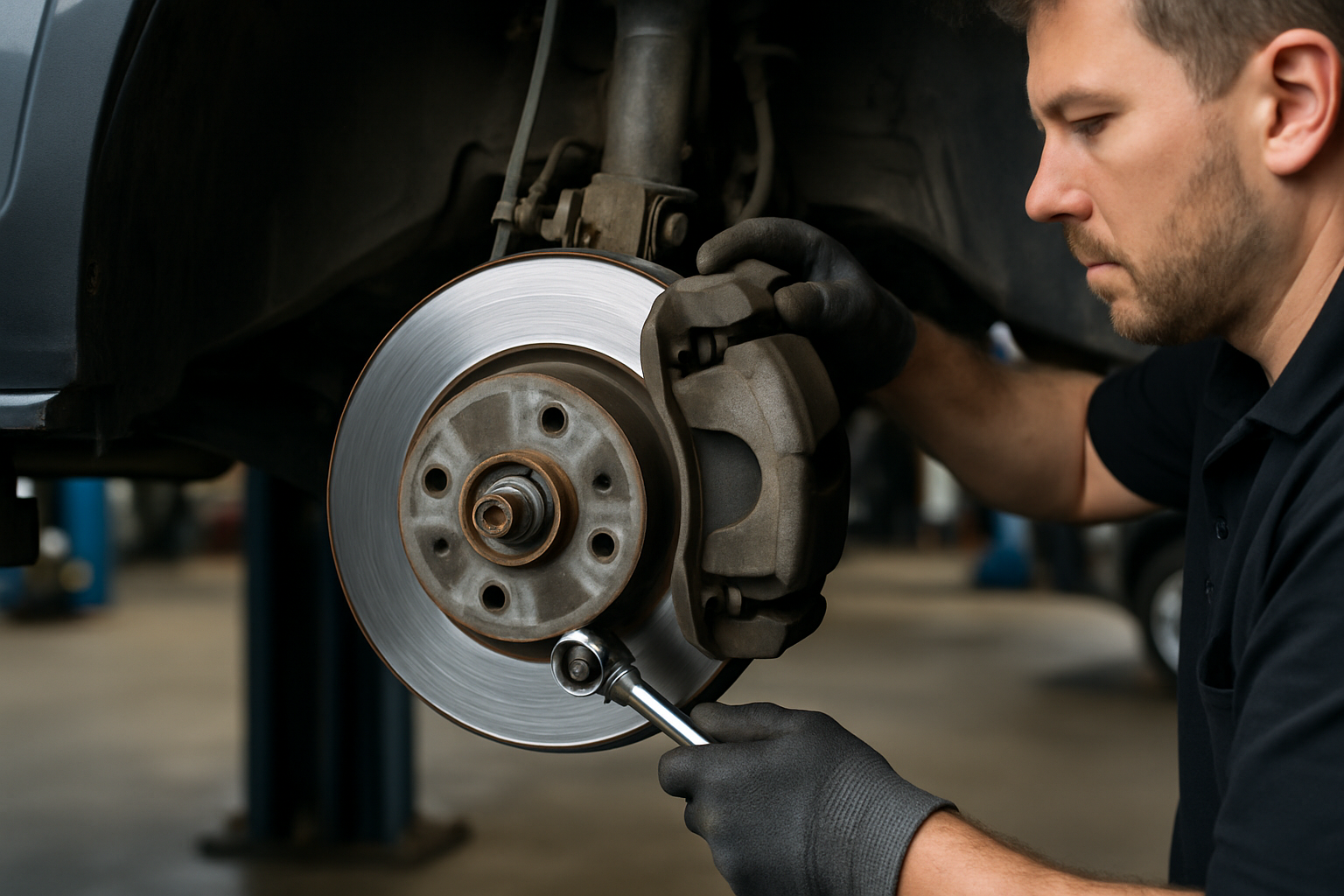
Brake Rotors are plate-shaped parts bolted to each wheel. Rotors are usually made of cast iron for this material's ability to absorb and emit large amounts of heat. Rotors are expected to wear, and when they get thinner than the factory wear limit, the rotor has lost its ability to absorb enough heat to be safe. At this point, we replace them.
Brake Pads
Brake pads are usually made of composite fibrous material that gives you a good compromise between stopping ability and smooth, silent braking. Pads occupy calipers surrounding each rotor. When pushing the brake pedal, the brake pads are forced against the rotors, making friction to slow your Escalade.
Brake Calipers
Each caliper has pistons with brake fluid on one side and brake pads on the other. Pressurizing the brake fluid applies pressure to the pistons and pressure on the pads against the rotors.
Master Cylinder
The master cylinder is installed opposite the brake pedal inside the engine bay. These two components are connected by a lever giving you the mechanical advantage to create more force at the master cylinder than you apply to the pedal. Inside the master cylinder is a piston that, when activated, pressurizes brake fluid in lines leading to the calipers.
Brake Lines
Brake lines hold brake fluid which transfers the force you create at the master cylinder to the pistons in the calipers.
Brake Fluid
Brake fluid distributes the force you produce at the master cylinder to each caliper. Over time brake fluid becomes contaminated with water and wear particles. These impurities make old brake fluid prone to boiling and brake fade. We recommend two-year service intervals.
Wear Sensors
Cadillac Escalades have electric brake wear sensors to alert you to the need for brake service. Brake wear sensors were designed to warn drivers their brakes are becoming dangerously low. When your brake pads get thin, a light illuminates on your Drivers Information Center (DIC).
Brake Inspections
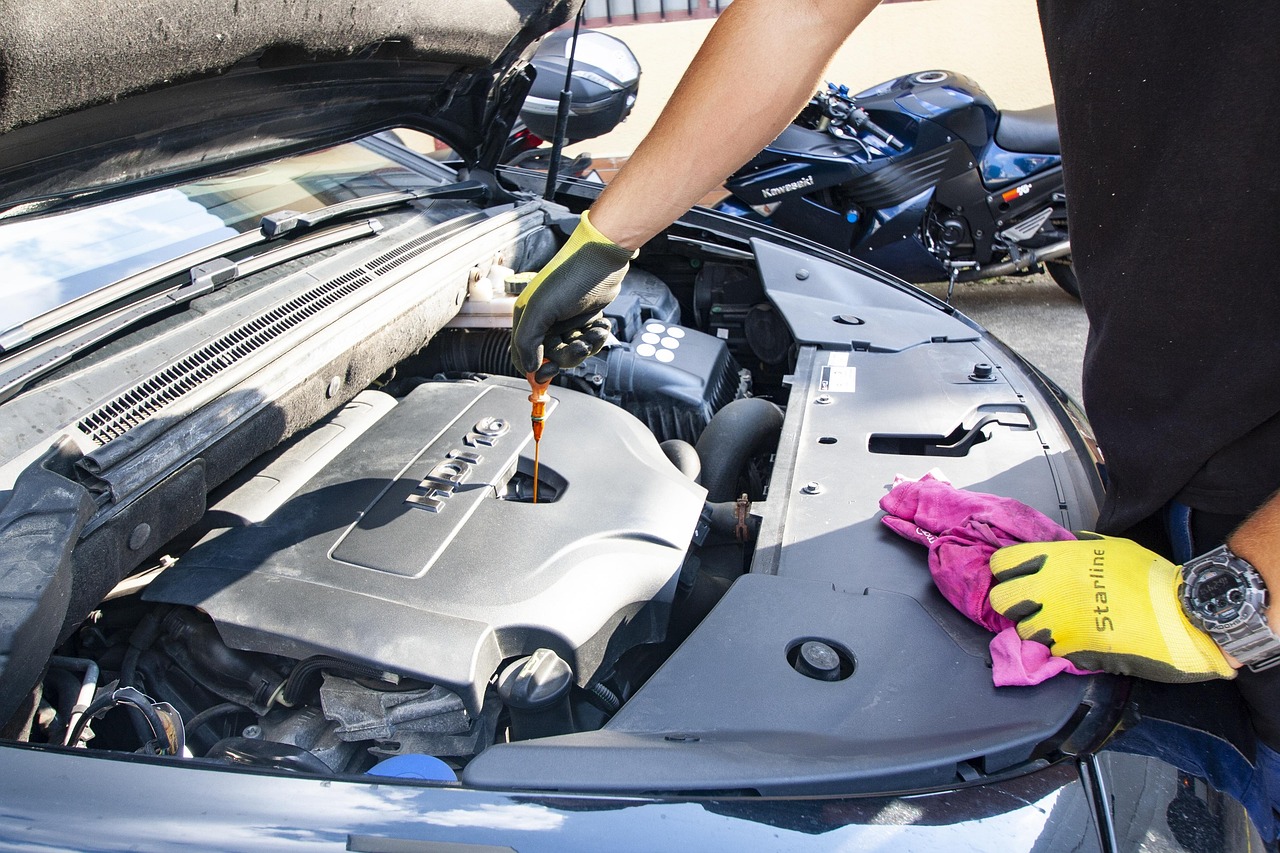
We suggest you plan a brake inspection yearly. While our technician changes your oil, since your Escalade is already in the air, the entire brake system can be inspected to catch problems before they strand you.
Brake parts are considered everyday wear items at the owners' expense. A Cadillac dealer will not honor the factory warranty to replace brake parts. We can beat dealer brake job prices.
How Brakes Work
Brakes decelerate your car by forcing brake pads against brake rotors. The interaction between these parts creates friction to slow your Escalade.
Brake Rotors
Brake Rotors are plate-shaped parts bolted to each wheel. Rotors are usually made of cast iron for this material's ability to absorb and emit large amounts of heat. Rotors are expected to wear, and when they get thinner than the factory wear limit, the rotor has lost its ability to absorb enough heat to be safe. At this point, we replace them.
Brake Pads
Brake pads are usually made of composite fibrous material that gives you a good compromise between stopping ability and smooth, silent braking. Pads occupy calipers surrounding each rotor. When pushing the brake pedal, the brake pads are forced against the rotors, making friction to slow your Escalade.
Brake Calipers
Each caliper has pistons with brake fluid on one side and brake pads on the other. Pressurizing the brake fluid applies pressure to the pistons and pressure on the pads against the rotors.
Master Cylinder
The master cylinder is installed opposite the brake pedal inside the engine bay. These two components are connected by a lever giving you the mechanical advantage to create more force at the master cylinder than you apply to the pedal. Inside the master cylinder is a piston that, when activated, pressurizes brake fluid in lines leading to the calipers.
Brake Lines
Brake lines hold brake fluid which transfers the force you create at the master cylinder to the pistons in the calipers.
Brake Fluid
Brake fluid distributes the force you produce at the master cylinder to each caliper. Over time brake fluid becomes contaminated with water and wear particles. These impurities make old brake fluid prone to boiling and brake fade. We recommend two-year service intervals.
Wear Sensors
Cadillac Escalades have electric brake wear sensors to alert you to the need for brake service. Brake wear sensors were designed to warn drivers their brakes are becoming dangerously low. When your brake pads get thin, a light illuminates on your Drivers Information Center (DIC).
Brake Inspections
We suggest you plan a brake inspection yearly. While our technician changes your oil, since your Escalade is already in the air, the entire brake system can be inspected to catch problems before they strand you.
Brake parts are considered everyday wear items at the owners' expense. A Cadillac dealer will not honor the factory warranty to replace brake parts. We can beat dealer brake job prices.
Milpitas, CA - Auto Mechanics Specialize in Brake Repair for Cadillac Escalades
SYNOPSIS: Call or visit our website to see the considerable difference between us and the dealer service department for brake repair or any repairs you require. This article give a brief overview of the service
We Are Your Best Choice For Escalade Brake Repair
BY: Eduardo Porta, Fremont Foreign Auto
How Brakes Work
Brakes decelerate your car by forcing brake pads against brake rotors. The interaction between these parts creates friction to slow your Escalade.
Brake Rotors
Brake Rotors are plate-shaped parts bolted to each wheel. Rotors are usually made of cast iron for this material's ability to absorb and emit large amounts of heat. Rotors are expected to wear, and when they get thinner than the factory wear limit, the rotor has lost its ability to absorb enough heat to be safe. At this point, we replace them.
Brake Pads
Brake pads are usually made of composite fibrous material that gives you a good compromise between stopping ability and smooth, silent braking. Pads occupy calipers surrounding each rotor. When pushing the brake pedal, the brake pads are forced against the rotors, making friction to slow your Escalade.
Brake Calipers
Each caliper has pistons with brake fluid on one side and brake pads on the other. Pressurizing the brake fluid applies pressure to the pistons and pressure on the pads against the rotors.
Master Cylinder
The master cylinder is installed opposite the brake pedal inside the engine bay. These two components are connected by a lever giving you the mechanical advantage to create more force at the master cylinder than you apply to the pedal. Inside the master cylinder is a piston that, when activated, pressurizes brake fluid in lines leading to the calipers.
Brake Lines
Brake lines hold brake fluid which transfers the force you create at the master cylinder to the pistons in the calipers.
Brake Fluid
Brake fluid distributes the force you produce at the master cylinder to each caliper. Over time brake fluid becomes contaminated with water and wear particles. These impurities make old brake fluid prone to boiling and brake fade. We recommend two-year service intervals.
Wear Sensors
Cadillac Escalades have electric brake wear sensors to alert you to the need for brake service. Brake wear sensors were designed to warn drivers their brakes are becoming dangerously low. When your brake pads get thin, a light illuminates on your Drivers Information Center (DIC).
Brake Inspections
We suggest you plan a brake inspection yearly. While our technician changes your oil, since your Escalade is already in the air, the entire brake system can be inspected to catch problems before they strand you.
Brake parts are considered everyday wear items at the owners' expense. A Cadillac dealer will not honor the factory warranty to replace brake parts. We can beat dealer brake job prices.