 The First Day Home
Discharge day feels like a win. You get the paperwork, the meds, and a ride home. Then you walk in the door. The bed is too high. The bathroom is too far. The dog won't leave you alone. Most Oakland families say those first 48 hours were rougher than they expected.
Nothing went wrong. Hospitals just do a lot of things for you that nobody thinks about until you're trying to do them yourself.
Why Home Recovery Tends to Work Better
Hospitals are loud. Sleep is broken. Food shows up on a tray. People walk in at 3 a.m. to check things. Home is quiet. The bed is yours. The food is real.
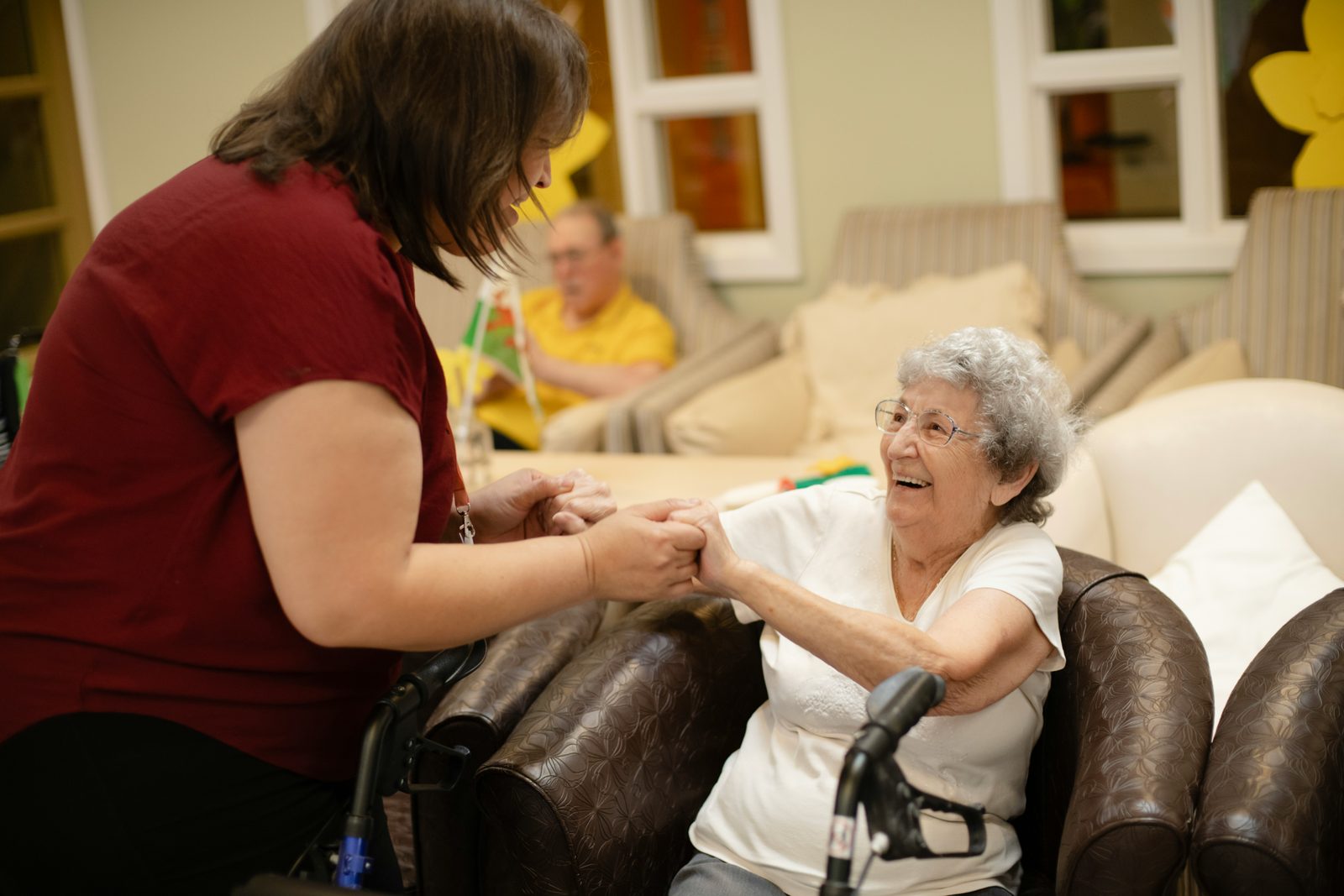
The catch is that home only works if there's enough support in place. That's where in-home care comes in. A caregiver fills the gap between what the hospital was doing and what the family can realistically handle.
What a Caregiver Does After Surgery
Recovery looks different depending on the surgery. Hip replacement is one thing. Heart surgery is another. Cataract surgery is its own deal. The day-to-day support tends to overlap:
- Help getting in and out of bed without twisting wrong
- Showering safely while staying off a healing site
- Watching the incision for redness, drainage, or swelling
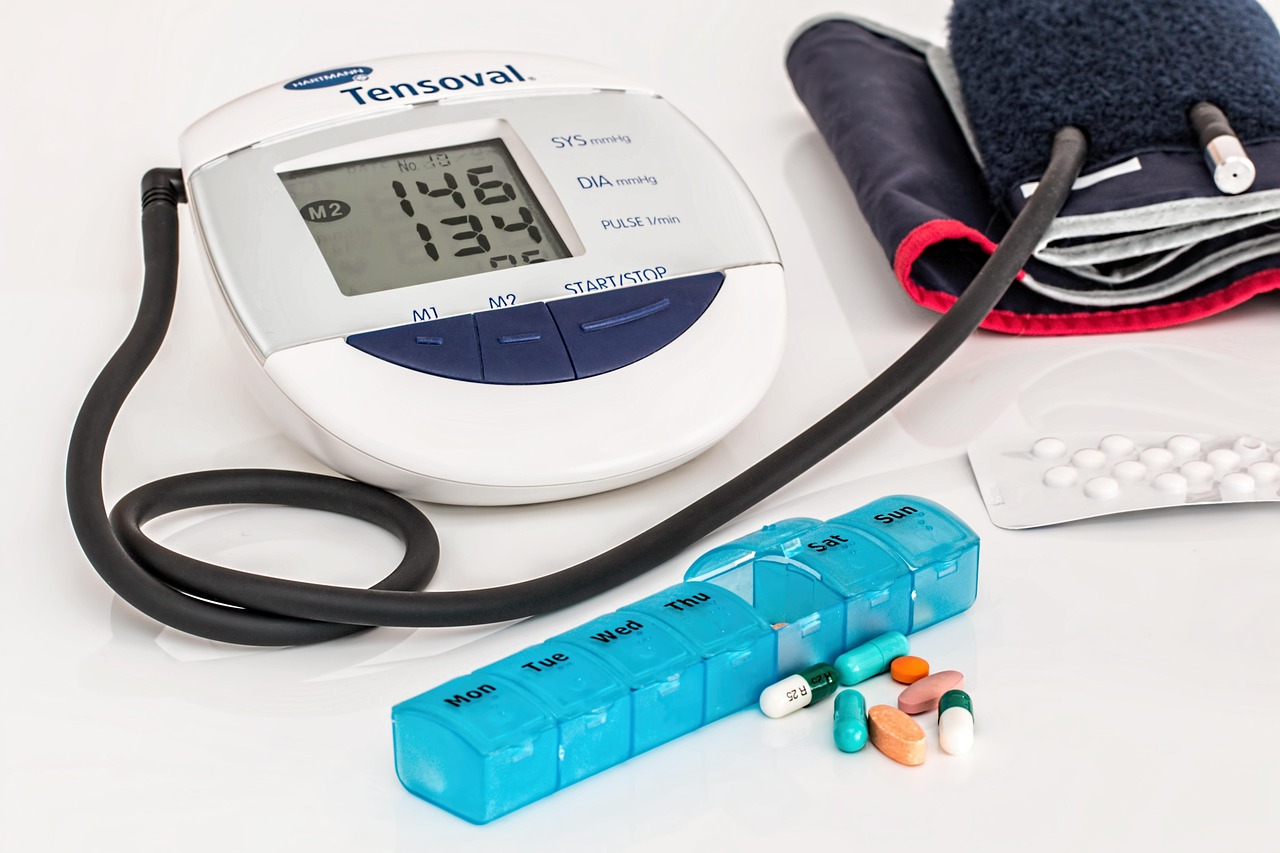
- Medication reminders, including the new pain meds
- Meal prep that fits whatever diet the doctor sent home
- Rides to follow-up appointments and physical therapy
- Light housekeeping so the house doesn't fall apart
- Walks around the house to keep blood moving
What Keeps People Out of the Hospital
Most readmissions come from a short list. A missed antibiotic. An infected wound nobody noticed. A blood thinner taken incorrectly. A fall on the 4 a.m. trip to the bathroom. A blood clot that started with too much sitting.
A caregiver catches this stuff early. They see the redness on day three. They make sure the 9 p.m. dose happens. They walk your dad to the bathroom instead of letting him try it alone.
How Long Help Is Usually Needed
Most surgery recovery runs two to six weeks of real support. Some need a few days. Some need months. Hip and knee replacements usually require three to four weeks of close follow-up. Heart procedures often run longer. Cataract recovery is faster, but the first 24 hours need eyes on the patient.
The schedule should match the surgery. A good agency adjusts as things move along.
When to Set It Up
Best case, you set up home care before surgery. That way, the first day home isn't a scramble. If surgery already happened and you're realizing the recovery is bigger than the family can handle, that's fine too. Most agencies can start within a day or two.
If your parent or spouse is heading into surgery in Oakland, or just got home and the recovery feels bigger than expected, call ComForCare of Castro Valley. We work with Oakland families. We'll put together a plan that fits the surgery, the house, and the schedule.