It Usually Starts With "I Got a Little Dizzy"
That's how a lot of families first hear about it. Mom brings it up on the phone like it's no big deal. She turned her head too fast. Or she rolled over in bed and the ceiling kind of moved.
Then it happens again. And then a few more times.
Vertigo and balance problems are pretty common in older folks. The cause can be an inner ear thing, a medication, blood pressure, or something else entirely. That part is for the doctor to sort out. The hard part for families is the everyday stuff in between appointments.
Most homes weren't built with dizziness in mind, especially a lot of older people's houses. Steep front steps. Skinny hallways. That bathtub you have to step over to shower.
And the dizzy spells seem to pick the worst moments:
- Getting out of bed in the morning
- Looking up to reach a high shelf
- Bending down to pick something up or tie shoes
- Turning quickly to answer the door
- Stepping in and out of the shower
- Walking at night when it's dark and they're half asleep
So people start working around it quietly. Showers get skipped. Stuff stays on the floor because bending over feels like a gamble. Trips out of the house get fewer.
That last one is a bigger deal than it sounds.
What a Caregiver Actually Does All Day
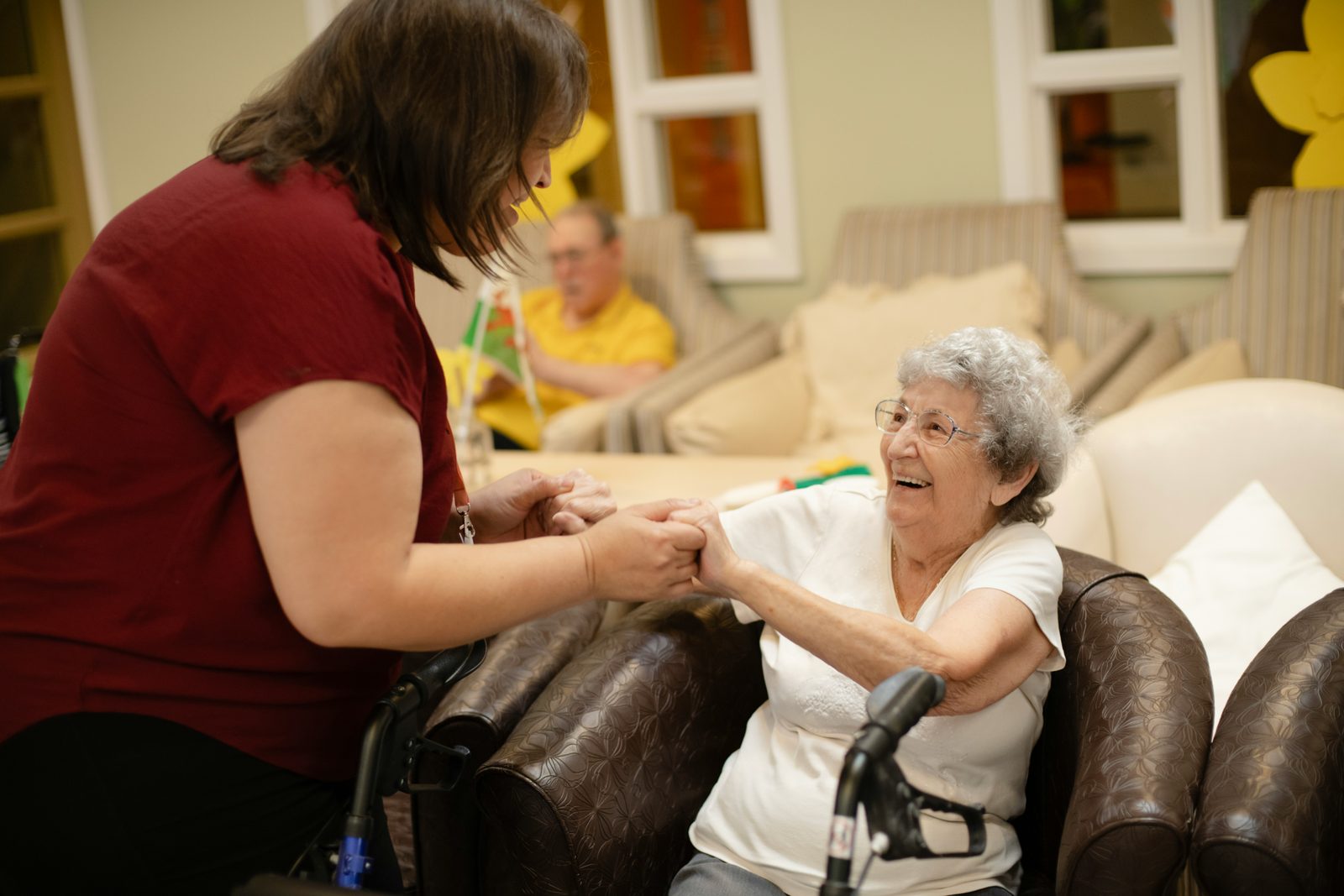
Mostly? Being there for the shaky moments. Someone right next to Dad when he gets up off the couch. Someone in the bathroom doorway while Mom showers, so she's not alone if the room tilts.
They also pitch in with:
- Getting in and out of bed slowly and safely
- Laundry, dishes, and anything that means bending or reaching
- Moving clutter, cords, and loose rugs out of walkways
- Driving to doctor visits, physical therapy, or the store
- Reminding about medications and noting any new dizziness to pass along to family
That last one ends up being really useful. When someone's around a few days a week, they start to see patterns. Dizzier before breakfast. Worse after a certain pill. Little things like that are easy to miss over the phone, and the doctor can actually do something with them.
The Fear Part Nobody Talks About
After a bad spell, or a fall, plenty of seniors just stop moving as much. Totally understandable. But less moving means weaker legs. Weaker legs mean worse balance. And around it goes.
Having another person close by helps folks get some of that nerve back. A walk around the block doesn't seem so bad with someone next to you. Same with errands. Or church. Or a slow loop at Lake Merritt when the weather's nice.
It won't happen overnight. It does happen, though.
Don't Wait for the Big Fall
If your parent has fallen, almost fallen, or keeps mentioning the dizziness, that's your sign. Setting up help ahead of time is so much easier than scrambling after an ER visit.
ComForCare of Castro Valley sends in-home caregivers to families in Oakland dealing with vertigo and balance problems. Give us a call and tell us what's been going on at the house. We'll talk it through and figure out what kind of help fits.