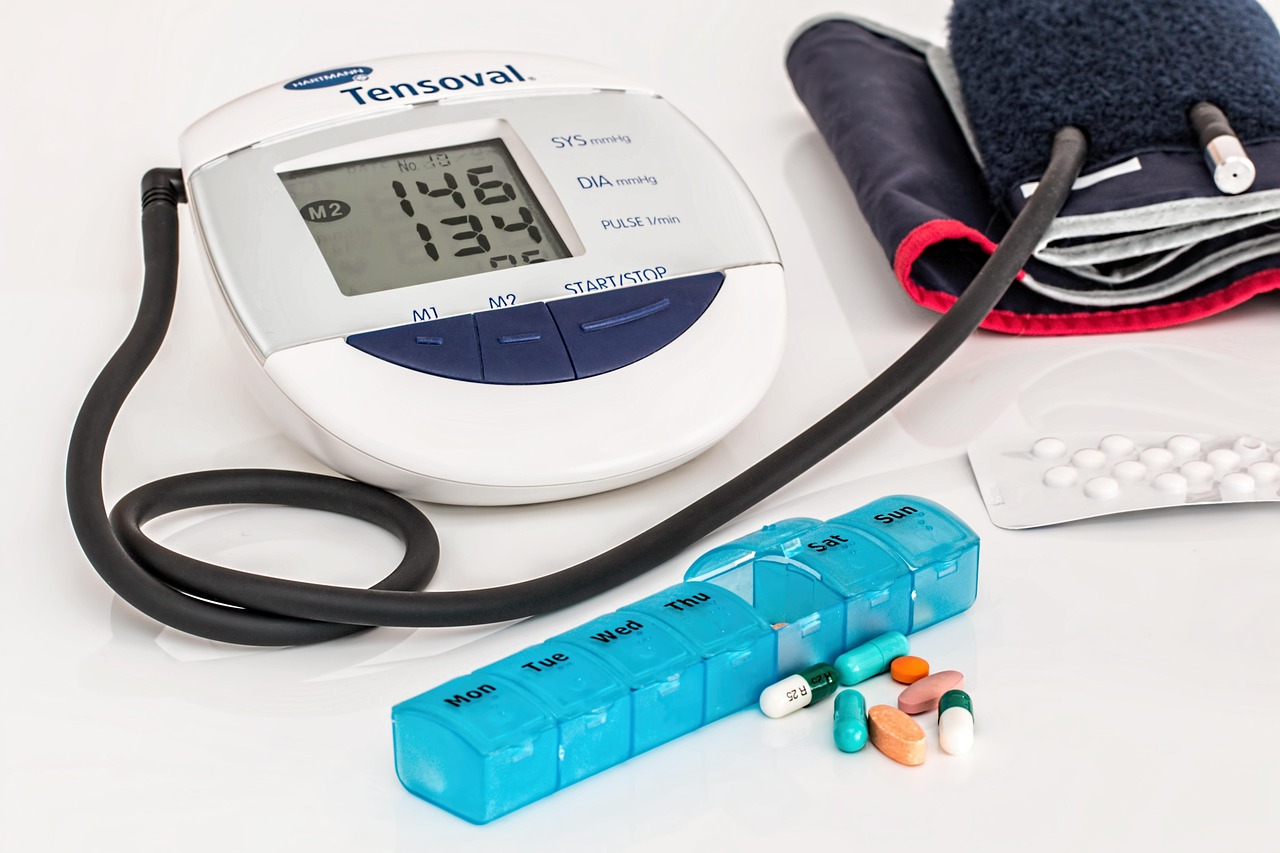
Living With a Heart That's Working Harder
Congestive heart failure sounds worse than it is. It doesn't mean the heart stopped. It means the heart isn't pumping as strongly as it used to, and fluid starts to build up where it shouldn't. Ankles swell. Breathing gets harder. Walking to the mailbox turns into a rest.
Where Steady Care Comes In
A caregiver doesn't run the medical side. That's the cardiologist. What a caregiver does is keep the day-to-day habits in line so the medical plan actually works:
- Daily weight checks at the same time, in the same clothes
- Medication reminders, especially diuretics that can't be forgotten
- Meals built around low salt, without turning dinner sad
- Fluid intake tracked when the doctor wants it limited
- Watching for swelling in the ankles, feet, or belly
- Rides to cardiology and follow-up appointments
- Short walks around the house to keep circulation going
- Help with bathing and dressing so mornings don't exhaust your loved one
Why Weight Matters So Much
With CHF, a two- or three-pound jump in a day or two usually means fluid is building up. That's the early warning. Catch it and call the doctor, and a change in the diuretic dose usually fixes it. Miss it, and your mom is short of breath by the weekend and in the hospital by Monday. A caregiver takes the weight every morning and writes it down. Simple habit. Huge difference.
The Salt Problem
Salt is everywhere. Canned soup. Deli turkey. Frozen dinners. Takeout. Even bread. A CHF diet keeps sodium low, and that's harder than it sounds when your dad has eaten the same foods for 60 years. A caregiver shops, cooks, and finds ways to make meals taste good without piling on salt. That takes practice, and it's a big part of the job.
Breathing and Sleep
Trouble breathing at night is one of the classic CHF warning signs. Waking up short of breath. Needing extra pillows. A cough that only shows up when lying flat. A caregiver notices this stuff and flags it. Some folks with CHF sleep better in a recliner or with the bed head raised. Small changes to the sleep setup make big differences.
Preventing the Hospital Trip
Many CHF hospitalizations are preventable. The pattern is almost always the same. Symptoms creep up. Nobody catches them in time. By the time somebody notices, the fluid is bad enough to need IV meds. A caregiver in the house a few times a week catches the drift early:
- Swelling that's new or worse
- Getting winded doing things that were easy last week
- Weight up more than expected
- Fatigue that's out of the ordinary
- Coughing more, especially at night
- Confusion or drowsiness that wasn't there before
Those notes back to the family and the doctor keep your loved one out of a hospital bed.
When to Set It Up
- Recent hospital stay for heart trouble
- Missed doses of heart medications
- New swelling anyone in the family noticed
- Weight bouncing week to week
- Fatigue that's changed the daily routine
- Family stretched thin covering the day
If any of that fits your family, don't wait.
If your loved one in San Leandro is living with a congestive heart condition and the daily routine is more than the family can carry, give ComForCare of Castro Valley a call. We work with San Leandro families and we'll put together a plan that keeps the heart plan on track and the household running.