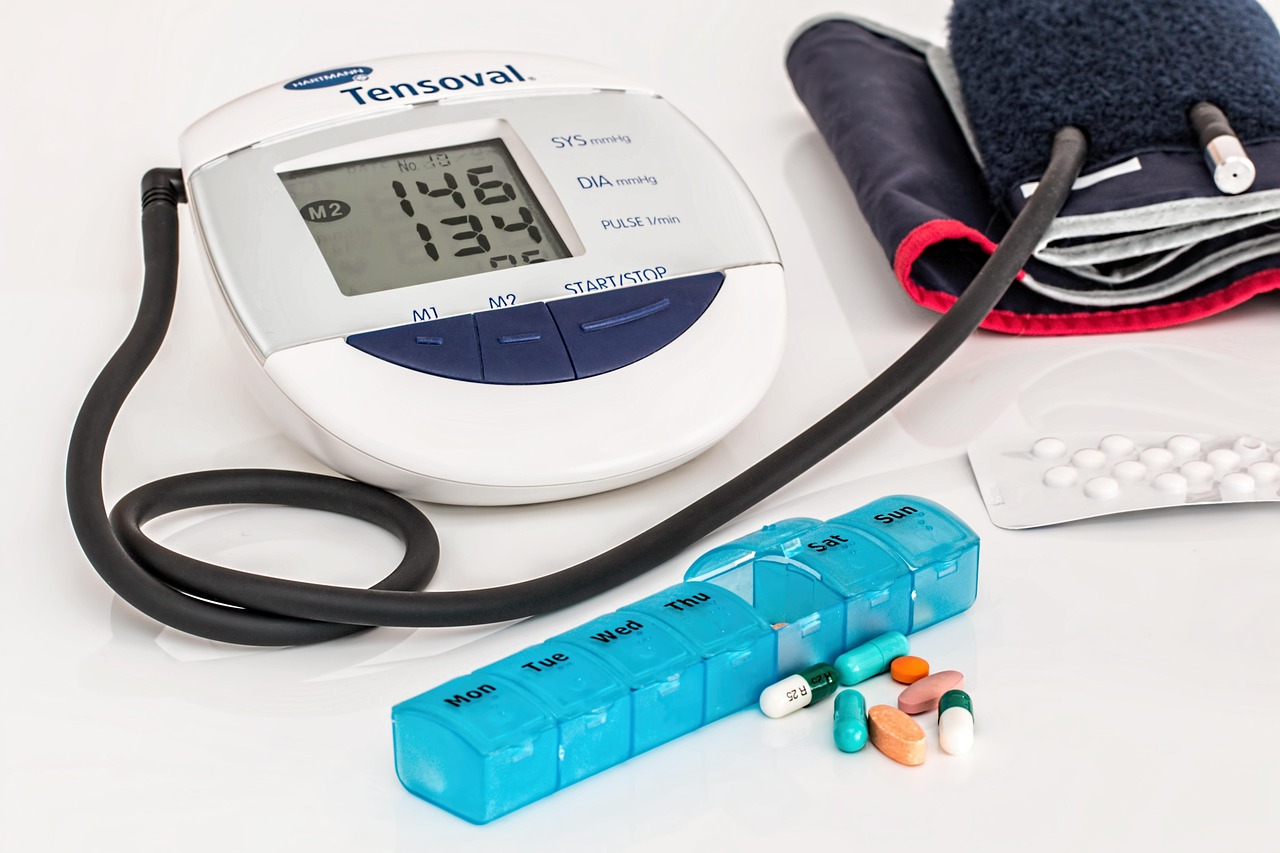
Why Hypertension Wears People Down
High blood pressure is called the silent one for a reason. You feel fine. Then you don't. The pills work, but only if they get taken on time. The diet works, but only if somebody's cooking that way. The follow-ups matter, but only if you get to them.
A lot of seniors have been managing hypertension for decades. What used to be easy stops being easy. The pill routine gets muddled. The salt creeps back in. The blood pressure cuff gathers dust in the closet.
Where a Caregiver Fits Into the Day
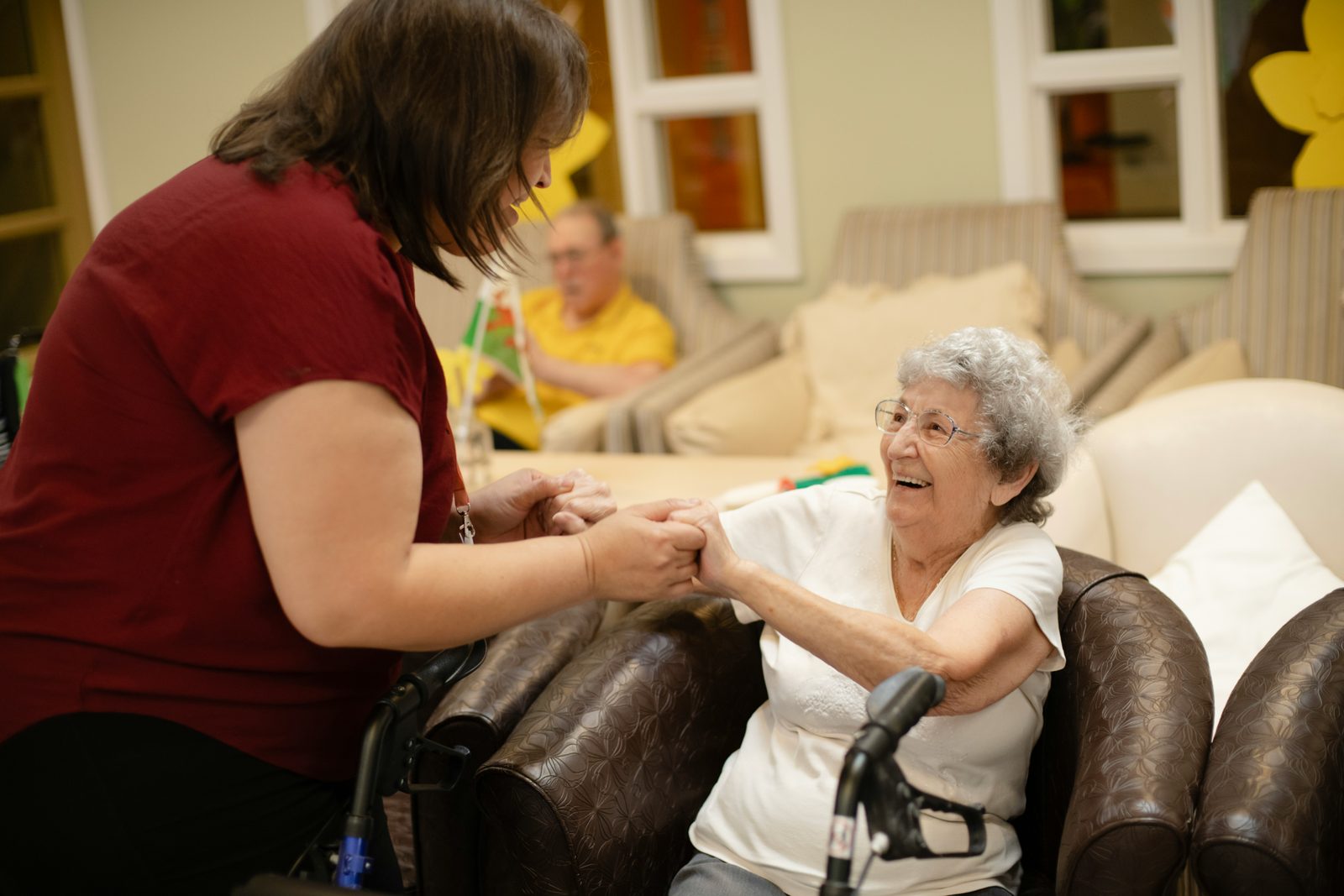
A caregiver isn't a nurse. They don't prescribe or change doses. They keep the everyday side of hypertension on track. That looks like:
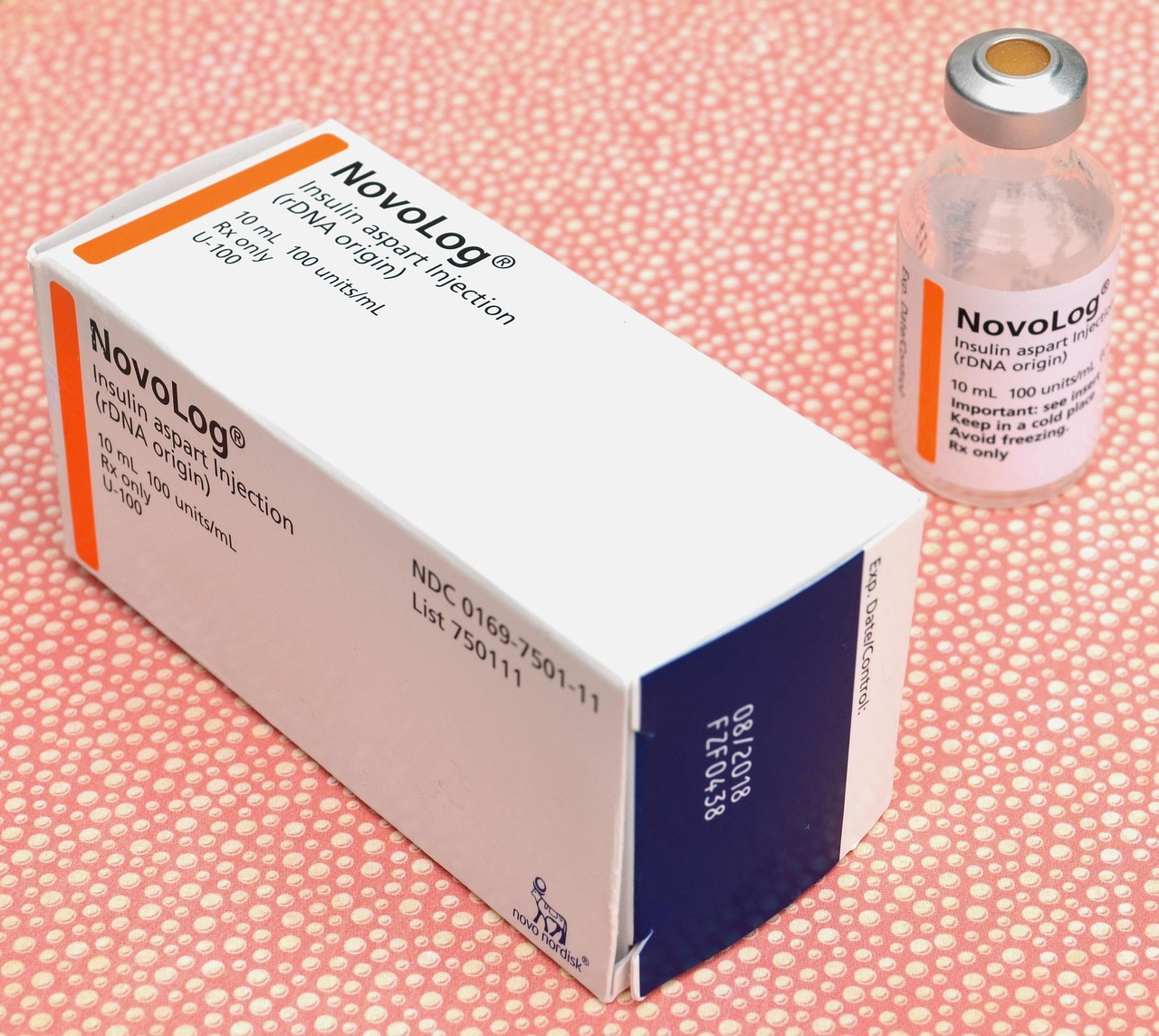
- Medication reminders at the same time each day
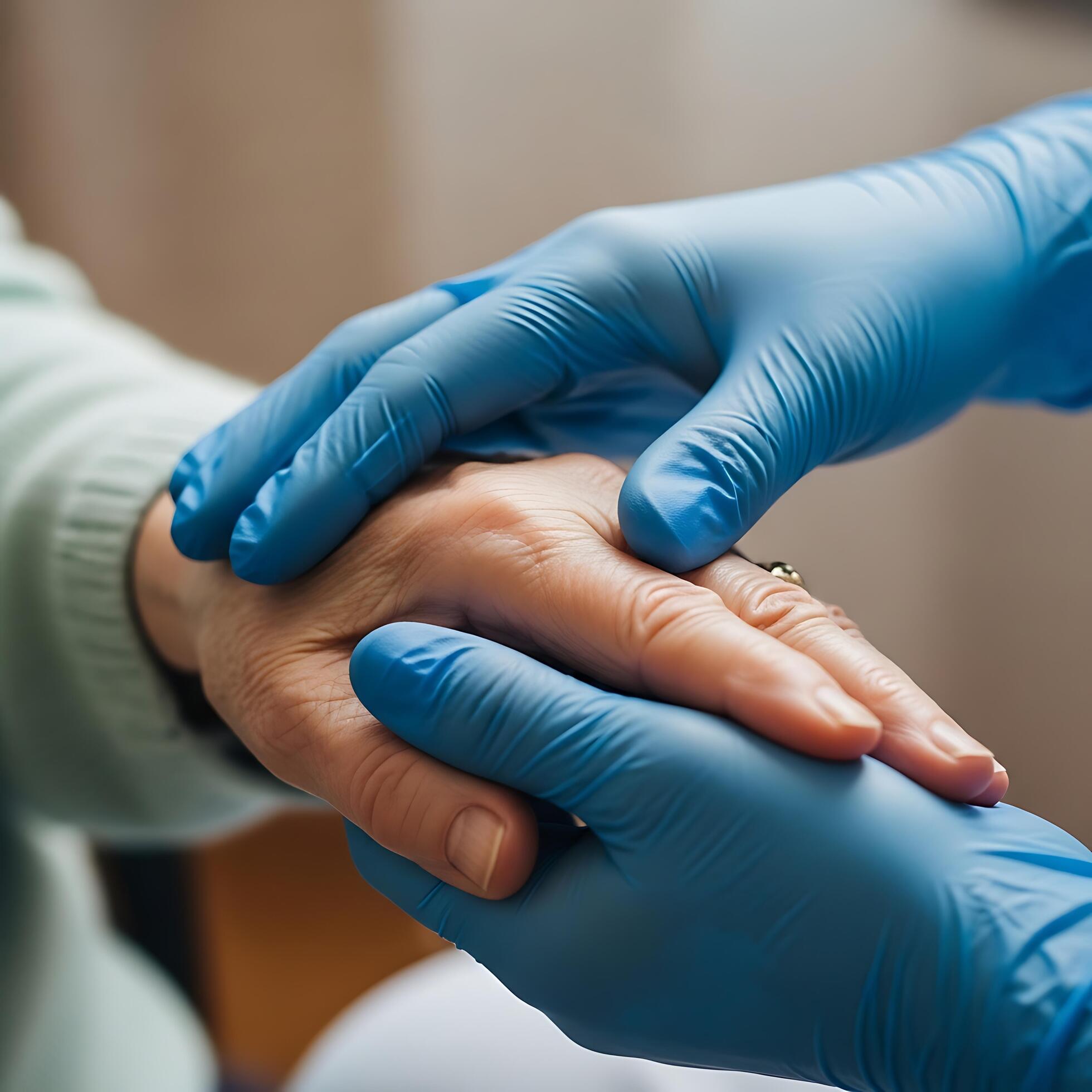
- Help taking a blood pressure reading and writing it down
- Meals built around what the doctor wants, not what's easy
- Watching salt in cooking, seasoning, and snacks
- A short walk when the weather cooperates
- Rides to the doctor for checkups
- Noticing when readings are drifting up or down
- Reminding your loved one to sit for a minute if they stand up dizzy
The Meal Side of Blood Pressure
Diet does more for hypertension than most people realize. That doesn't mean bland. It means less canned soup, less deli meat, less takeout, and more real food. A caregiver can shop, prep, and cook meals that hit the doctor's plan without turning dinner into a chore. Bonus, your dad actually eats better because somebody's paying attention.
Reading the Numbers
Blood pressure changes across the day. It's higher in the morning. It dips after a meal. It jumps if somebody just walked up the stairs. One high reading isn't a crisis. A pattern is. A caregiver takes readings at the same times, writes them down, and flags trends the doctor should see.
Some numbers deserve a phone call. A caregiver knows which ones and doesn't wait to say something.
What Steady Support Prevents
Untreated or poorly managed hypertension is behind a long list of problems. A lot of them are preventable with steady daily support:
- Strokes from a big spike
- Heart attacks from years of pressure the body couldn't handle
- Kidney damage that shows up slowly
- Falls from blood pressure that drops too low
- Dizziness that leads to a broken hip
- Emergency visits that could've been a phone call to the doctor
A caregiver doesn't stop hypertension. They just make sure the plan the doctor built actually gets followed.
When to Bring Someone In
The signs come in quietly:
- Missed pills once or twice a week
- Blood pressure numbers all over the map
- Weight creeping up from more salt in the diet
- Skipped appointments
- A recent dizzy spell or near-fall
- Confusion about which pill is which
Any of these, on their own, isn't a crisis. Two or three at once usually is.
If your mom or dad in Castro Valley is dealing with hypertension and the daily routine is slipping, give ComForCare of Castro Valley a call. We'll come out, look at how the day runs, and put a plan together that fits the household.