 Why Medications Get Hard
Older adults are taking more pills than they used to. Blood pressure, cholesterol, and a blood thinner. Something for sleep. Maybe a thyroid pill on an empty stomach, half an hour before coffee. Add it all up and it's a part-time job.
Then life happens. A new prescription gets added. The pharmacy swaps in a generic and the pill is suddenly blue instead of white. Mom catches a cold and skips her morning round for two days. None of that means she can't live at home. It just means whatever system she had isn't holding up anymore.
Signs It's Time to Get Help
Families wait too long on this one. They see a missed dose here and there and figure it's fine. Sometimes it is. Sometimes it really isn't.
Here are the signs that come up the most:
- Pill bottles are still full at the end of the month
- Pill bottles empty way too early
- Two of the same pills were taken because she forgot the first one
- Confusion about which pill is which
- Refusing pills because they "don't feel right"
- Skipping doses to stretch the bottle
- New side effects nobody connects to a missed dose
- An ER trip that started with a medication mix-up
- Calls to the pharmacy that don't quite track
- Pills loose on the counter, the floor, or in a pocket
One of these on its own isn't a crisis. Two or three together usually is.
What an In-Home Caregiver Actually Does
A caregiver isn't a nurse. They don't prescribe. They don't change doses. What they do is show up at the right time so the right pills get taken with the right food and the right amount of water.
Sounds simple. It isn't, when you're 82, tired, and the bottle has tiny print.
A caregiver can:
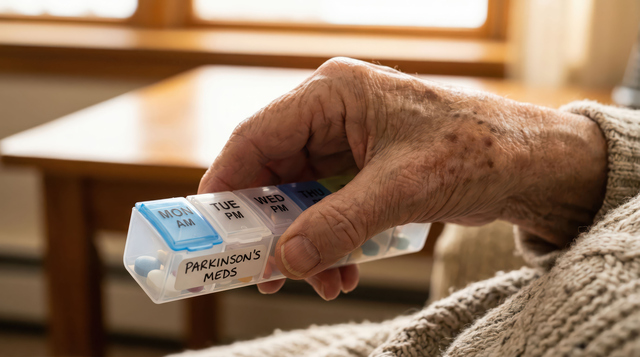
- Set up the weekly pill organizer with you or your loved one
- Be there at pill time so nothing gets skipped or doubled
- Watch for side effects and tell the family
- Keep a written log of what was taken and when
- Notice when a refill is running low
- Coordinate with the pharmacy on delivery
- Catch when a new prescription doesn't match the old list
What This Prevents
Medication problems put seniors in the hospital all the time. A lot of those trips don't have to happen. Things like:
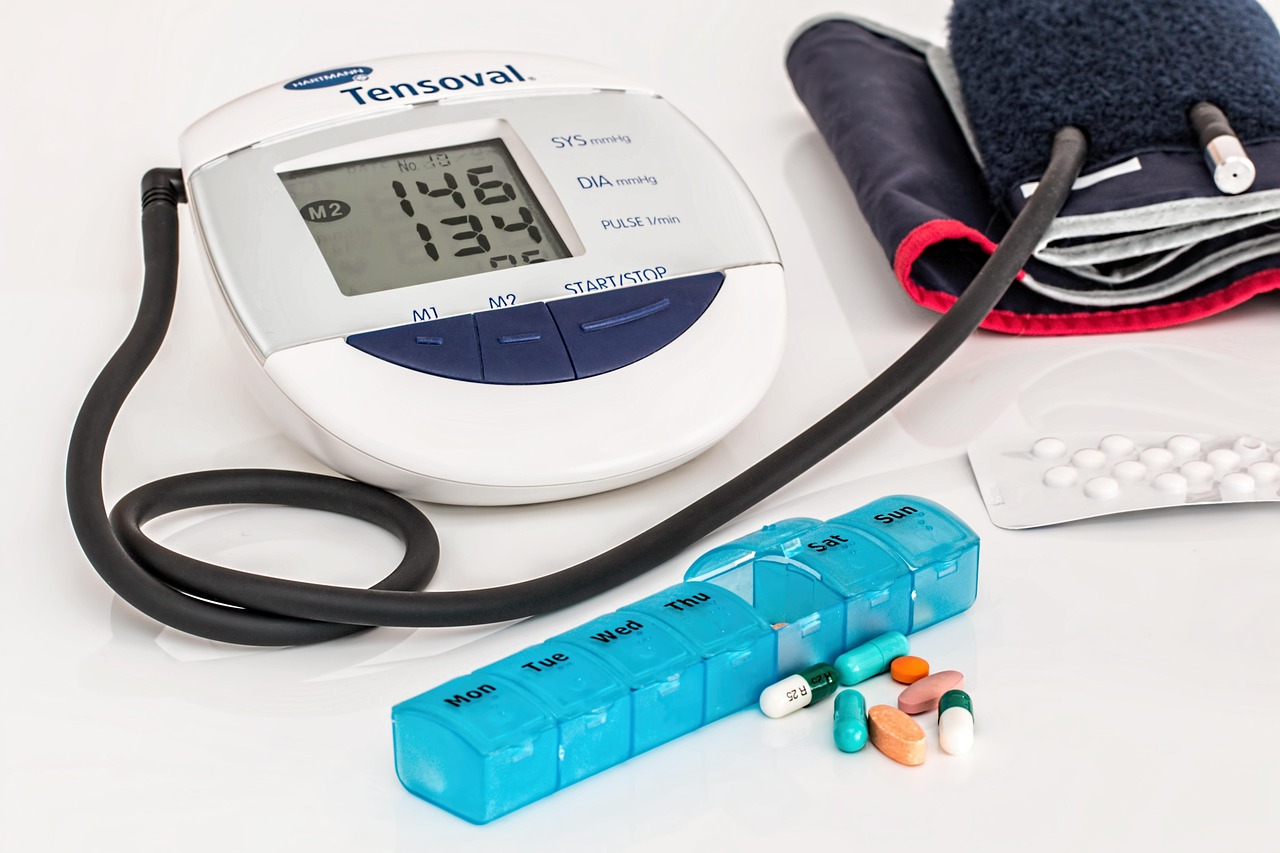
- Falls from blood pressure meds taken twice
- Bleeding from a doubled blood thinner
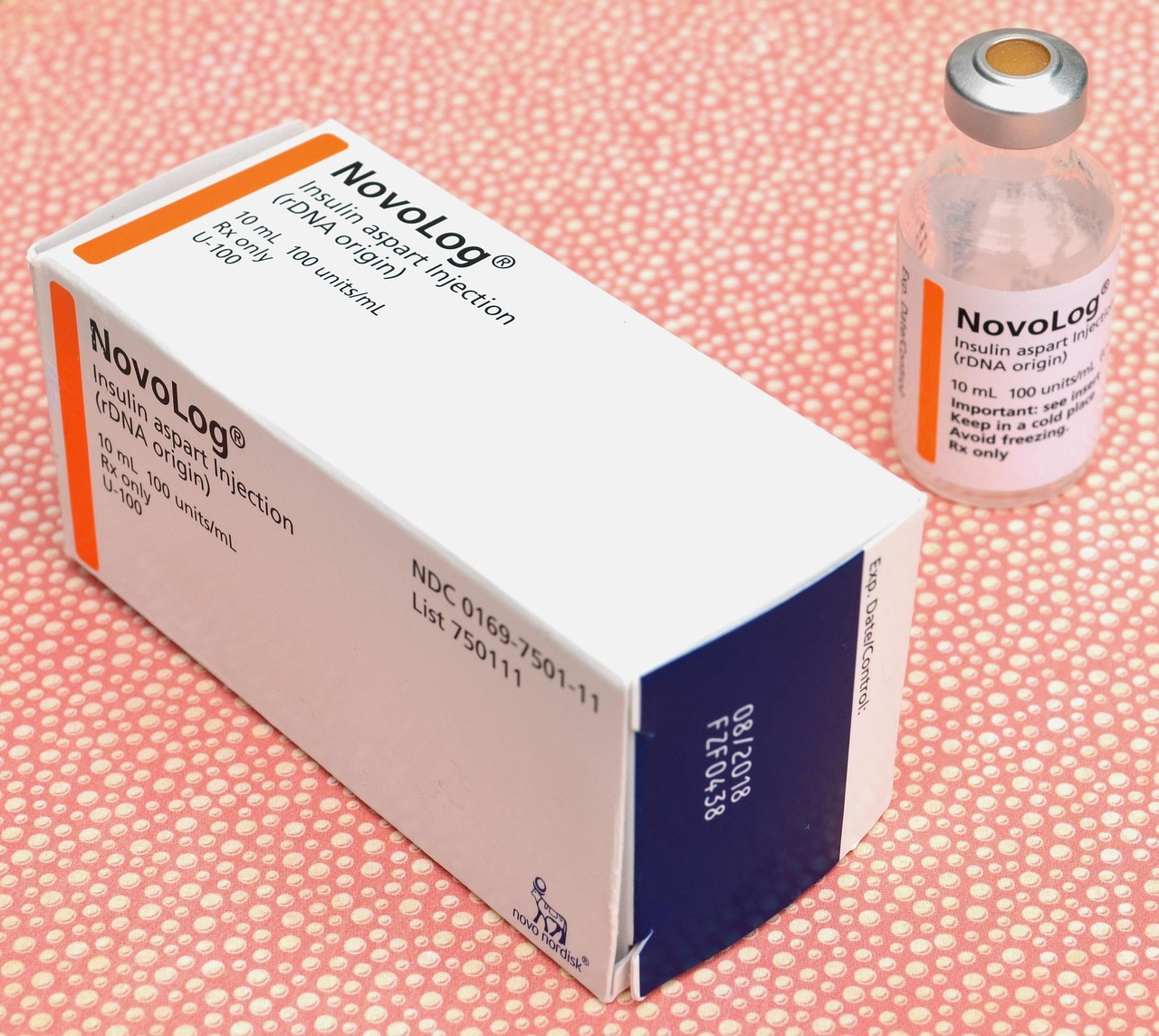
- Low blood sugar from extra diabetes medication
- A hospital readmission within 30 days of discharge
- Confusion that gets blamed on dementia but is really a drug interaction
- Refills running out over a holiday weekend
A caregiver who's there for pill time catches most of this before it ever turns into an ER visit.
The Talk With Your Loved One
This part is hard. Nobody wants to be told they can't manage their own pills. It goes better when the conversation is about staying home and staying independent. A caregiver isn't taking anything away. They're the reason your dad doesn't end up in a hospital bed over a missed Tuesday dose.
If you're in San Leandro and you're worried about a parent or a spouse and their medications, call ComForCare of Castro Valley. We can come out, look at the routine, and put a plan together that fits the house and the schedule.