 Recently underwent surgery? Experienced a heart attack? Currently dealing with a bone fracture or break? Recovery can be a vulnerable time, necessitating proper care and regular monitoring to ensure healing goes smoothly with little chances of relapse.
At-home care services, even just temporary, have the power to reduce the odds of hospital readmission and can help speed up your recovery time.
Here are some specific reasons why at-home care can be beneficial for one’s condition:
Regular Health Monitoring
After experiencing a medical emergency or generally dealing with the worsening of one’s own health, regular monitoring is a must. However, having the knowledge, tools, and resources to monitor one’s own health can be a challenge. Not to mention, many patients may not have the mental energy or time to tend to regular monitoring.
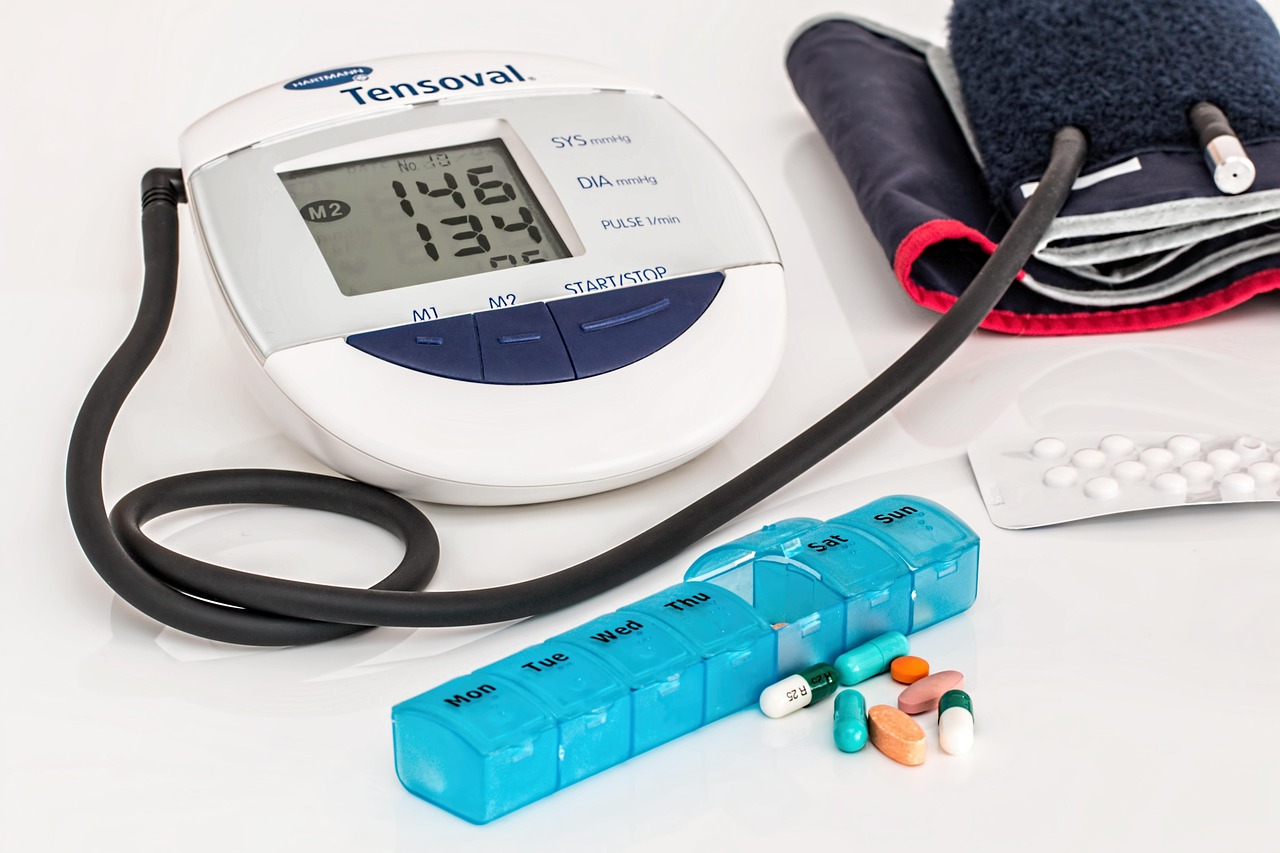
An in-home care professional, on the other hand, can offer regular health monitoring with the right tools and expertise, depending on the needs of the patient. Consistent monitoring ensures the patient’s condition is improving or at least stable, which can indicate the treatment or healing plan is going as expected.
Early Detection
Without prior medical knowledge and expertise, it’s easy for patients and their family members to overlook or blatantly ignore certain signs or symptoms. As a result, this can lead to the worsening of the patient’s health and increase the odds of hospital readmission.
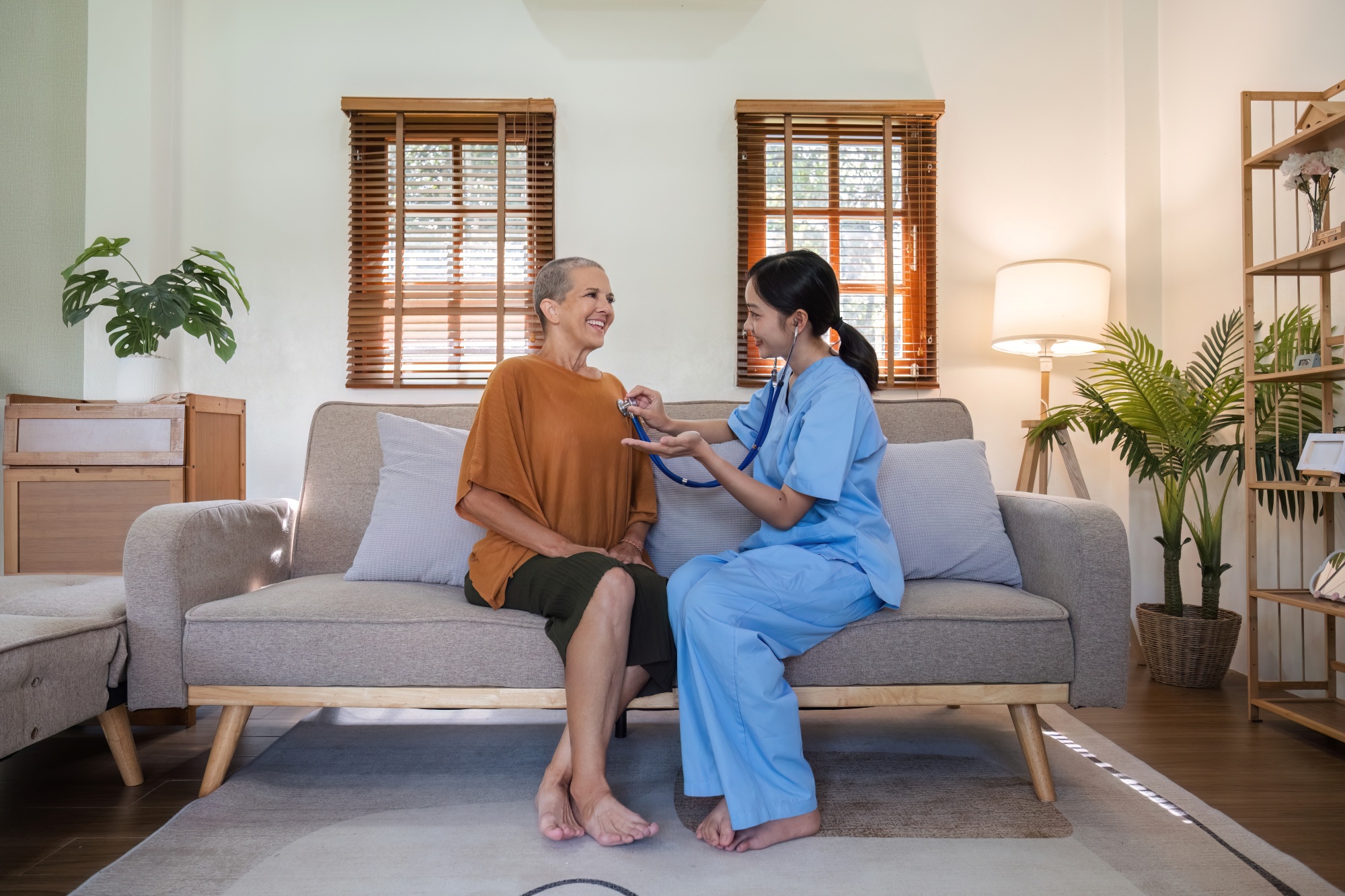
A professional providing temporary in-home care, when equipped with medical certification, can spot any concerning symptoms or vitals early on. They can also provide or coordinate care to resolve said symptoms before they turn into something more dire or even life-threatening.
Fewer Medication Mismanagement Mistakes
Medication management sounds simple, but one simple error can make a world of difference. A recovering patient and their stressed family members may not be in the right mental or cognitive space to be able to ensure proper medication management, leading to skipped doses, incorrect doses, or other unfortunate mistakes.
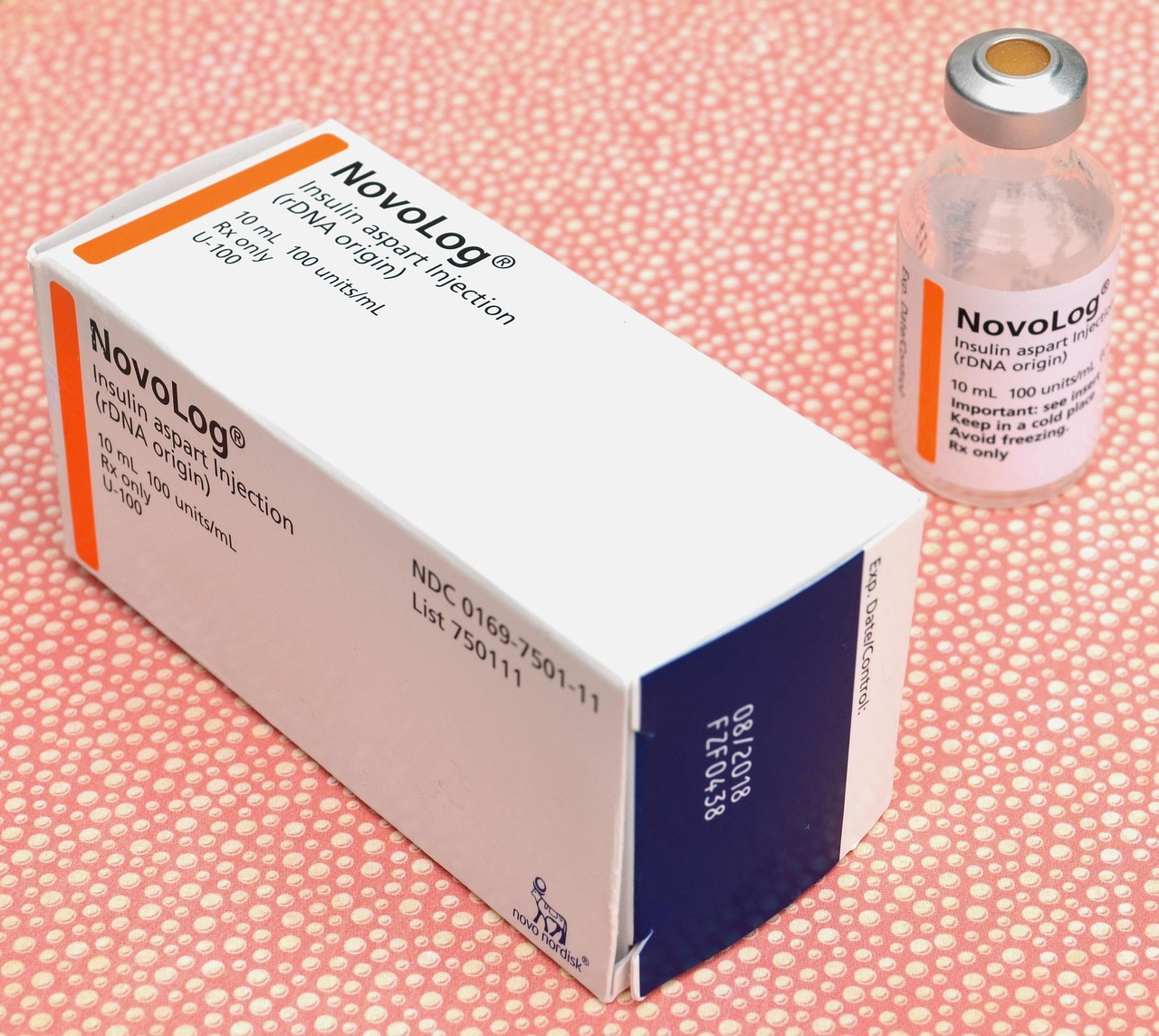
A clear-headed in-home caretaker, on the other hand, will be able to ensure proper medication management. They’ll stick to a stringent schedule and also have the medical knowledge to assist in the event of, say, a medication reaction like an allergy.
Recovery Beyond the Physical Symptoms
Recovering from a surgery or medical event isn’t just physical. It’s also mental and emotional. However, patients often put these symptoms on the back burner while they tend to their physical ones.
With in-home care, patients can get the proper social and emotional support they need while they recover. In-home care professionals can offer companionship services to keep patients socially stimulated, feeling heard and validated, and can help them overcome loneliness while they recover at home.
Reduced stress, improved social interaction, and a solid support system by their side can decrease the odds of their health worsening since declining mental health and stress can otherwise negatively impact the immune system.
At ComForCare, we offer both temporary and long-term in-home care services. Call us today to get at-home support set up for yourself or a loved one.
Recently underwent surgery? Experienced a heart attack? Currently dealing with a bone fracture or break? Recovery can be a vulnerable time, necessitating proper care and regular monitoring to ensure healing goes smoothly with little chances of relapse.
At-home care services, even just temporary, have the power to reduce the odds of hospital readmission and can help speed up your recovery time.
Here are some specific reasons why at-home care can be beneficial for one’s condition:
Regular Health Monitoring
After experiencing a medical emergency or generally dealing with the worsening of one’s own health, regular monitoring is a must. However, having the knowledge, tools, and resources to monitor one’s own health can be a challenge. Not to mention, many patients may not have the mental energy or time to tend to regular monitoring.
An in-home care professional, on the other hand, can offer regular health monitoring with the right tools and expertise, depending on the needs of the patient. Consistent monitoring ensures the patient’s condition is improving or at least stable, which can indicate the treatment or healing plan is going as expected.
Early Detection
Without prior medical knowledge and expertise, it’s easy for patients and their family members to overlook or blatantly ignore certain signs or symptoms. As a result, this can lead to the worsening of the patient’s health and increase the odds of hospital readmission.
A professional providing temporary in-home care, when equipped with medical certification, can spot any concerning symptoms or vitals early on. They can also provide or coordinate care to resolve said symptoms before they turn into something more dire or even life-threatening.
Fewer Medication Mismanagement Mistakes
Medication management sounds simple, but one simple error can make a world of difference. A recovering patient and their stressed family members may not be in the right mental or cognitive space to be able to ensure proper medication management, leading to skipped doses, incorrect doses, or other unfortunate mistakes.
A clear-headed in-home caretaker, on the other hand, will be able to ensure proper medication management. They’ll stick to a stringent schedule and also have the medical knowledge to assist in the event of, say, a medication reaction like an allergy.
Recovery Beyond the Physical Symptoms
Recovering from a surgery or medical event isn’t just physical. It’s also mental and emotional. However, patients often put these symptoms on the back burner while they tend to their physical ones.
With in-home care, patients can get the proper social and emotional support they need while they recover. In-home care professionals can offer companionship services to keep patients socially stimulated, feeling heard and validated, and can help them overcome loneliness while they recover at home.
Reduced stress, improved social interaction, and a solid support system by their side can decrease the odds of their health worsening since declining mental health and stress can otherwise negatively impact the immune system.
At ComForCare, we offer both temporary and long-term in-home care services. Call us today to get at-home support set up for yourself or a loved one.
San Leandro, CA - How Temporary In-Home Care Can Prevent Hospital Readmissions
SYNOPSIS: Did you know temporarily opting for in-home care services can help speed up your recovery, stabilize your condition, and reduce the odds of rehospitalization? Here's how.
At-Home Care Can Help Stabilize One's Condition
BY: Brian Vogl, ComForCare of Castro Valley
Recently underwent surgery? Experienced a heart attack? Currently dealing with a bone fracture or break? Recovery can be a vulnerable time, necessitating proper care and regular monitoring to ensure healing goes smoothly with little chances of relapse.
At-home care services, even just temporary, have the power to reduce the odds of hospital readmission and can help speed up your recovery time.
Here are some specific reasons why at-home care can be beneficial for one’s condition:
Regular Health Monitoring
After experiencing a medical emergency or generally dealing with the worsening of one’s own health, regular monitoring is a must. However, having the knowledge, tools, and resources to monitor one’s own health can be a challenge. Not to mention, many patients may not have the mental energy or time to tend to regular monitoring.
An in-home care professional, on the other hand, can offer regular health monitoring with the right tools and expertise, depending on the needs of the patient. Consistent monitoring ensures the patient’s condition is improving or at least stable, which can indicate the treatment or healing plan is going as expected.
Early Detection
Without prior medical knowledge and expertise, it’s easy for patients and their family members to overlook or blatantly ignore certain signs or symptoms. As a result, this can lead to the worsening of the patient’s health and increase the odds of hospital readmission.
A professional providing temporary in-home care, when equipped with medical certification, can spot any concerning symptoms or vitals early on. They can also provide or coordinate care to resolve said symptoms before they turn into something more dire or even life-threatening.
Fewer Medication Mismanagement Mistakes
Medication management sounds simple, but one simple error can make a world of difference. A recovering patient and their stressed family members may not be in the right mental or cognitive space to be able to ensure proper medication management, leading to skipped doses, incorrect doses, or other unfortunate mistakes.
A clear-headed in-home caretaker, on the other hand, will be able to ensure proper medication management. They’ll stick to a stringent schedule and also have the medical knowledge to assist in the event of, say, a medication reaction like an allergy.
Recovery Beyond the Physical Symptoms
Recovering from a surgery or medical event isn’t just physical. It’s also mental and emotional. However, patients often put these symptoms on the back burner while they tend to their physical ones.
With in-home care, patients can get the proper social and emotional support they need while they recover. In-home care professionals can offer companionship services to keep patients socially stimulated, feeling heard and validated, and can help them overcome loneliness while they recover at home.
Reduced stress, improved social interaction, and a solid support system by their side can decrease the odds of their health worsening since declining mental health and stress can otherwise negatively impact the immune system.
At ComForCare, we offer both temporary and long-term in-home care services. Call us today to get at-home support set up for yourself or a loved one.