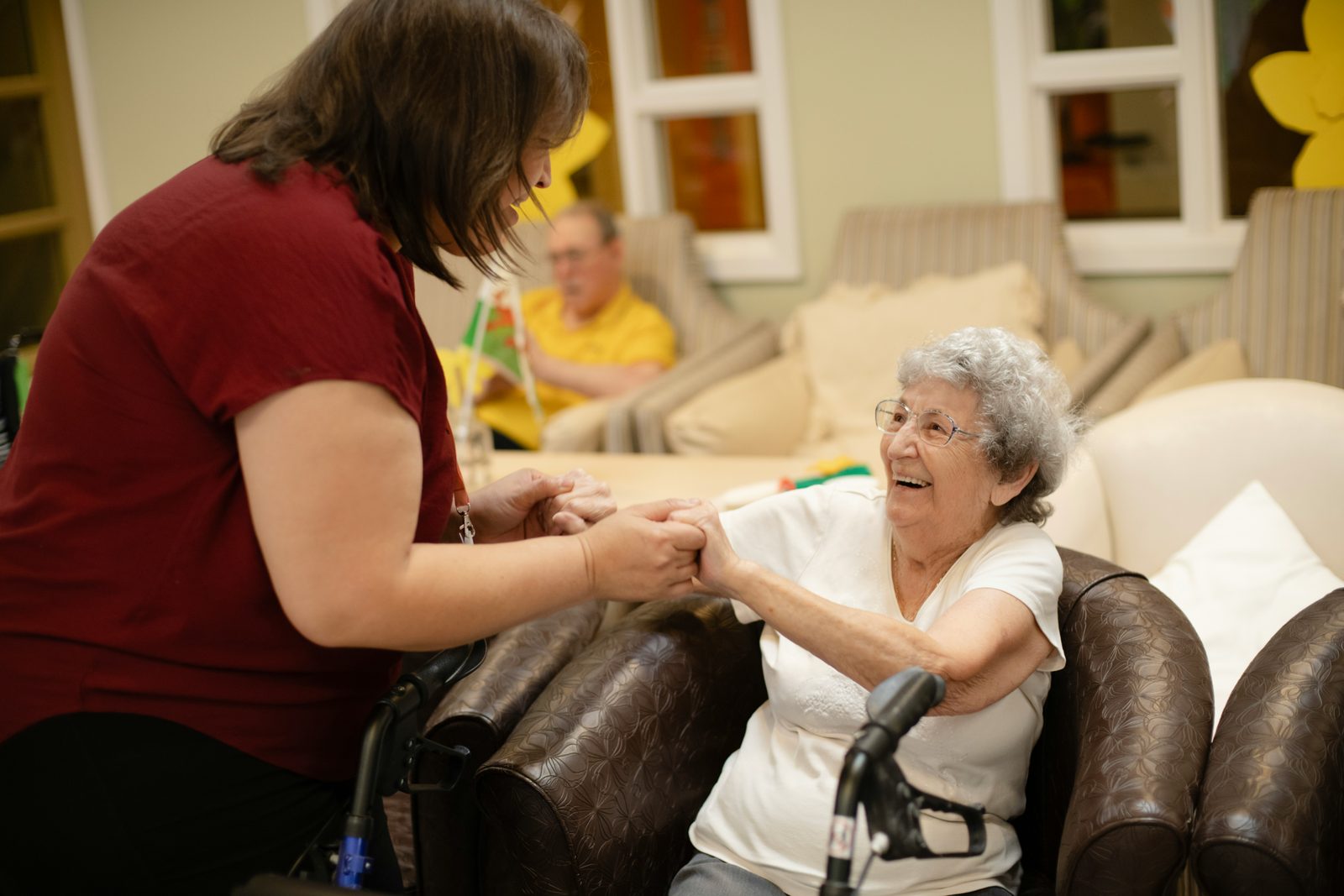
 Dementia is a condition currently deemed irreversible, permanent, and progressive. This means there’s no known cure at this time. However, this doesn’t mean there isn’t a way to help those with a dementia diagnosis thrive.
Below are some recommendations dementia patients should engage in daily to help alleviate their symptoms and reduce the rate at which their cognition declines.
Engaging in Personal Care at the Same Time Each Day
Routine is a critical aspect when navigating a dementia diagnosis. When doing the same tasks at the same time every day, creating a predictive routine, patients are more likely to experience reduced anxiety, are more likely to feel in control, and have an easier time adapting to their daily routine.
This said, dementia patients should wake up, brush their teeth, take their vitamins and/or medication, eat, bathe, and go to sleep according to schedule. Other activities can also be added to their routine at the same time each day for consistency.
Participating in Physical Activity
Physical activity isn’t just good for the body but also for the mind. Being physically active releases feel-good endorphins, which can improve mood and reduce stress, which is good for the brain in general. It also improves cognition by enhancing a variety of neurotransmitters and boosting blood flow to the brain.
Recommended activities for those with dementia include walking, stretching, yoga or tai chi, chair exercises, and gentle dancing. Physical activity can also come in the form of engaging activities or games like low-impact sports, as well as physical labor like light gardening or yardwork tasks.
Doing Household Chores
Like anyone else, dementia patients still crave a sense of purpose and belonging. Engaging in small household chores regularly can help validate their purpose while also stimulating the memory, coordination, and motor parts of the brain.
Household chores dementia patients may find suitable include folding clothes, wiping down surfaces, watering plants, and doing dishes.
Using Music as a Form of Therapy
Music isn’t just a form of entertainment; it’s also good for the brain as it can help stimulate memory, induce emotion, and even encourage physical movement in the form of dancing.
Recommended music options for those with dementia include calm music like jazz or classical music, songs with easy lyrics, music offering repetitive beats one can clap or dance to, and songs which are familiar to the dementia patient.
Doing Cognitive-Supporting Activities
Even though cognitive declines are the hallmark of conditions like dementia, it’s still critical to engage in cognitive-supporting activities on a daily basis. Activities stimulating cognition are not just enjoyable but also stimulating for the memory and attention parts of the brain.
Recommended activities include doing jigsaw puzzles or word searches, reading, engaging in simple arts and crafts, playing cards or board games, or participating in sporting activities.
Do you know someone with dementia in need of a professional caregiver? At ComForCare, we provide specialized care for these patients within the comfort of their homes. Get in touch with us today to learn more about our dementia care services.
Dementia is a condition currently deemed irreversible, permanent, and progressive. This means there’s no known cure at this time. However, this doesn’t mean there isn’t a way to help those with a dementia diagnosis thrive.
Below are some recommendations dementia patients should engage in daily to help alleviate their symptoms and reduce the rate at which their cognition declines.
Engaging in Personal Care at the Same Time Each Day
Routine is a critical aspect when navigating a dementia diagnosis. When doing the same tasks at the same time every day, creating a predictive routine, patients are more likely to experience reduced anxiety, are more likely to feel in control, and have an easier time adapting to their daily routine.
This said, dementia patients should wake up, brush their teeth, take their vitamins and/or medication, eat, bathe, and go to sleep according to schedule. Other activities can also be added to their routine at the same time each day for consistency.
Participating in Physical Activity
Physical activity isn’t just good for the body but also for the mind. Being physically active releases feel-good endorphins, which can improve mood and reduce stress, which is good for the brain in general. It also improves cognition by enhancing a variety of neurotransmitters and boosting blood flow to the brain.
Recommended activities for those with dementia include walking, stretching, yoga or tai chi, chair exercises, and gentle dancing. Physical activity can also come in the form of engaging activities or games like low-impact sports, as well as physical labor like light gardening or yardwork tasks.
Doing Household Chores
Like anyone else, dementia patients still crave a sense of purpose and belonging. Engaging in small household chores regularly can help validate their purpose while also stimulating the memory, coordination, and motor parts of the brain.
Household chores dementia patients may find suitable include folding clothes, wiping down surfaces, watering plants, and doing dishes.
Using Music as a Form of Therapy
Music isn’t just a form of entertainment; it’s also good for the brain as it can help stimulate memory, induce emotion, and even encourage physical movement in the form of dancing.
Recommended music options for those with dementia include calm music like jazz or classical music, songs with easy lyrics, music offering repetitive beats one can clap or dance to, and songs which are familiar to the dementia patient.
Doing Cognitive-Supporting Activities
Even though cognitive declines are the hallmark of conditions like dementia, it’s still critical to engage in cognitive-supporting activities on a daily basis. Activities stimulating cognition are not just enjoyable but also stimulating for the memory and attention parts of the brain.
Recommended activities include doing jigsaw puzzles or word searches, reading, engaging in simple arts and crafts, playing cards or board games, or participating in sporting activities.
Do you know someone with dementia in need of a professional caregiver? At ComForCare, we provide specialized care for these patients within the comfort of their homes. Get in touch with us today to learn more about our dementia care services.
San Leandro, CA - Daily Routines That Help Dementia Patients | Caregiver News
SYNOPSIS: Unfortunately, dementia is a permanent, progressive diagnosis. However, it doesn't mean patients have to quickly decline. With these daily recommendations, patients can decelerate their condition.
Slow Dementia Progression with These Helpful Tips
BY: Brian Vogl, ComForCare of Castro Valley
Dementia is a condition currently deemed irreversible, permanent, and progressive. This means there’s no known cure at this time. However, this doesn’t mean there isn’t a way to help those with a dementia diagnosis thrive.
Below are some recommendations dementia patients should engage in daily to help alleviate their symptoms and reduce the rate at which their cognition declines.
Engaging in Personal Care at the Same Time Each Day
Routine is a critical aspect when navigating a dementia diagnosis. When doing the same tasks at the same time every day, creating a predictive routine, patients are more likely to experience reduced anxiety, are more likely to feel in control, and have an easier time adapting to their daily routine.
This said, dementia patients should wake up, brush their teeth, take their vitamins and/or medication, eat, bathe, and go to sleep according to schedule. Other activities can also be added to their routine at the same time each day for consistency.
Participating in Physical Activity
Physical activity isn’t just good for the body but also for the mind. Being physically active releases feel-good endorphins, which can improve mood and reduce stress, which is good for the brain in general. It also improves cognition by enhancing a variety of neurotransmitters and boosting blood flow to the brain.
Recommended activities for those with dementia include walking, stretching, yoga or tai chi, chair exercises, and gentle dancing. Physical activity can also come in the form of engaging activities or games like low-impact sports, as well as physical labor like light gardening or yardwork tasks.
Doing Household Chores
Like anyone else, dementia patients still crave a sense of purpose and belonging. Engaging in small household chores regularly can help validate their purpose while also stimulating the memory, coordination, and motor parts of the brain.
Household chores dementia patients may find suitable include folding clothes, wiping down surfaces, watering plants, and doing dishes.
Using Music as a Form of Therapy
Music isn’t just a form of entertainment; it’s also good for the brain as it can help stimulate memory, induce emotion, and even encourage physical movement in the form of dancing.
Recommended music options for those with dementia include calm music like jazz or classical music, songs with easy lyrics, music offering repetitive beats one can clap or dance to, and songs which are familiar to the dementia patient.
Doing Cognitive-Supporting Activities
Even though cognitive declines are the hallmark of conditions like dementia, it’s still critical to engage in cognitive-supporting activities on a daily basis. Activities stimulating cognition are not just enjoyable but also stimulating for the memory and attention parts of the brain.
Recommended activities include doing jigsaw puzzles or word searches, reading, engaging in simple arts and crafts, playing cards or board games, or participating in sporting activities.
Do you know someone with dementia in need of a professional caregiver? At ComForCare, we provide specialized care for these patients within the comfort of their homes. Get in touch with us today to learn more about our dementia care services.