Shoulders lose motion so slowly that most people don’t notice until something simple stops working. You go to grab the big platter off the top shelf and it’s just out of reach. Your jacket goes on the bad arm first now, always. And anything behind your back, like a bra hook or a shirttail, takes a lot of grunting. Some people can trace it to a fall or a heavy box. Others just remember their shoulder hurting for a few weeks last spring, and they’ve been working around it ever since.
Why the Shoulder Gets Stuck
Your shoulder is a shallow ball sitting on a tiny socket, and what holds it there is mostly muscle plus a baggy sleeve of tissue called the capsule. When it’s sore, you quit raising the arm all the way. Who wouldn’t? The problem is, a joint that never goes all the way up starts to forget how. That baggy sleeve shrinks. The rotator cuff gets weaker every week it isn’t used. And for some people, often women in their forties and fifties or anyone with diabetes, the capsule gets thick and tight enough to lock the shoulder down. That’s the one called frozen shoulder.
Moves That Give It Away
You might notice a few of these:
- Reaching overhead stops around eye level.
- Scratching your back or reaching into a back pocket is hard on that side.
- Sleeping on that shoulder wakes you up.
- Lifting a gallon of milk out to the side hurts.
- You hike your shoulder up toward your ear to get the arm higher.
How PT Brings the Motion Back
First we measure. You’ll lift your arm as high as it goes, then we’ll lift it for you while you relax. If we can get it higher than you can, the muscles are weak. If we can’t, the joint itself is stiff. Plenty of people have both. We’ll also test the rotator cuff and watch how your shoulder blade moves, since a lazy shoulder blade can pinch things up top.
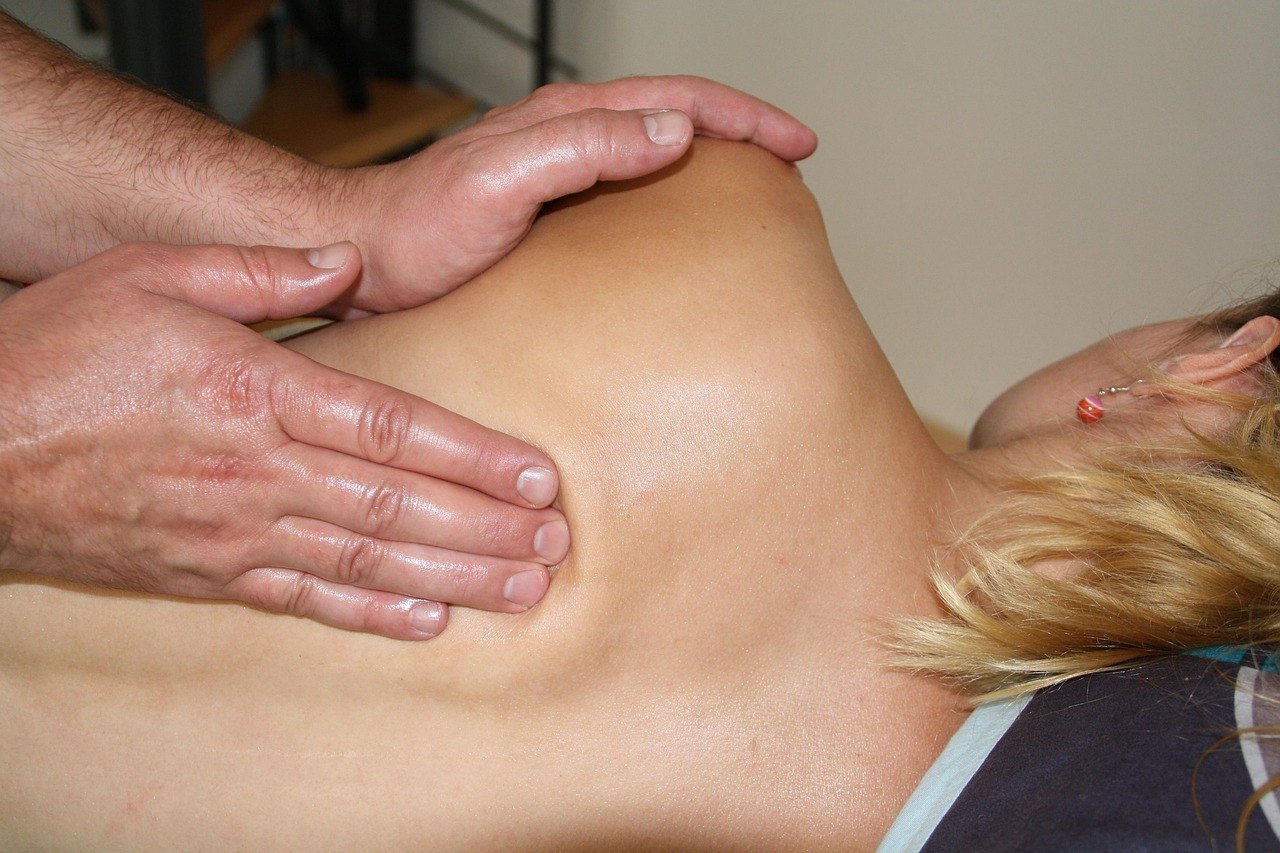
Early on, a lot of the visit is us stretching the shoulder by hand while you lie on the table. You’ll go home with some odd-looking homework, like sliding a towel across the kitchen table, walking your fingers up the wall, and pushing your bad arm up with a broom handle. Once you’ve won back some reach, the rubber bands come out for the rotator cuff and the muscles around your shoulder blade. Please do those. Loose but weak is how shoulders end up sore again a month later.
Little changes at home count. Hug a pillow at night so the arm doesn’t drop across your chest. Move the coffee mugs down a shelf. Trim the bushes in two short rounds instead of one long one.
Plan on six to twelve weeks for a typical stiff shoulder. Frozen ones are stubborn and can take a lot longer, but they do thaw out, and therapy keeps them from getting stuck halfway.
Is the top shelf out of reach these days? Give Modern Medicine of Phoenix, AZ a call, and we’ll help you relieve that nagging shoulder pain.