Wrist tendonitis rarely shows up with a big moment. You don’t fall or hear a pop. It just starts to hurt when you pour the coffee pot, or when you twist a stubborn lid off a jar of salsa, and one day you notice you’ve been carrying groceries with the other hand for weeks. We see a lot of this in Phoenix. Parents with new babies get it. So do people who spend all day on a laptop and then go play pickleball at night.
Where It Hurts Tells Us a Lot
Each tendon hooks a forearm muscle onto a bone in your hand, and your wrist has a bunch of them packed close together. So we pay attention to exactly where you point when we ask where it hurts. These are the usual suspects:
- The thumb side, sharp when you grab the baby’s bottle or wring out a dish towel, and that one is often de Quervain’s
- The pinky side, which tends to bug tennis players and anybody who turns a screwdriver a lot
- The back of the wrist, sore by the end of a long day at the keyboard
- The palm side, after a weekend of raking gravel or a heavy session at the gym
Now and then the thumb feels like it creaks when it moves. People find that unsettling, but it’s pretty normal with an irritated tendon and it goes away as things calm down.
Why the Tendons Get Angry
It’s almost always repetition. The same small motion done hundreds of times a day wears on the tendon faster than it can recover. Lifting a baby out of a car seat over and over does it. So does weeding the yard on a Saturday morning, hours on a phone, or a new workout that leans hard on the wrists. Pregnancy and the months after can make it more likely, which is part of why we see so many new moms.
What Care Looks Like at Our Clinic
We’ll start by asking about your day, because the fix almost always involves changing something in it. Then we’ll check your grip, press along each tendon, and move the wrist and thumb through a few positions to see which ones bring the pain on.
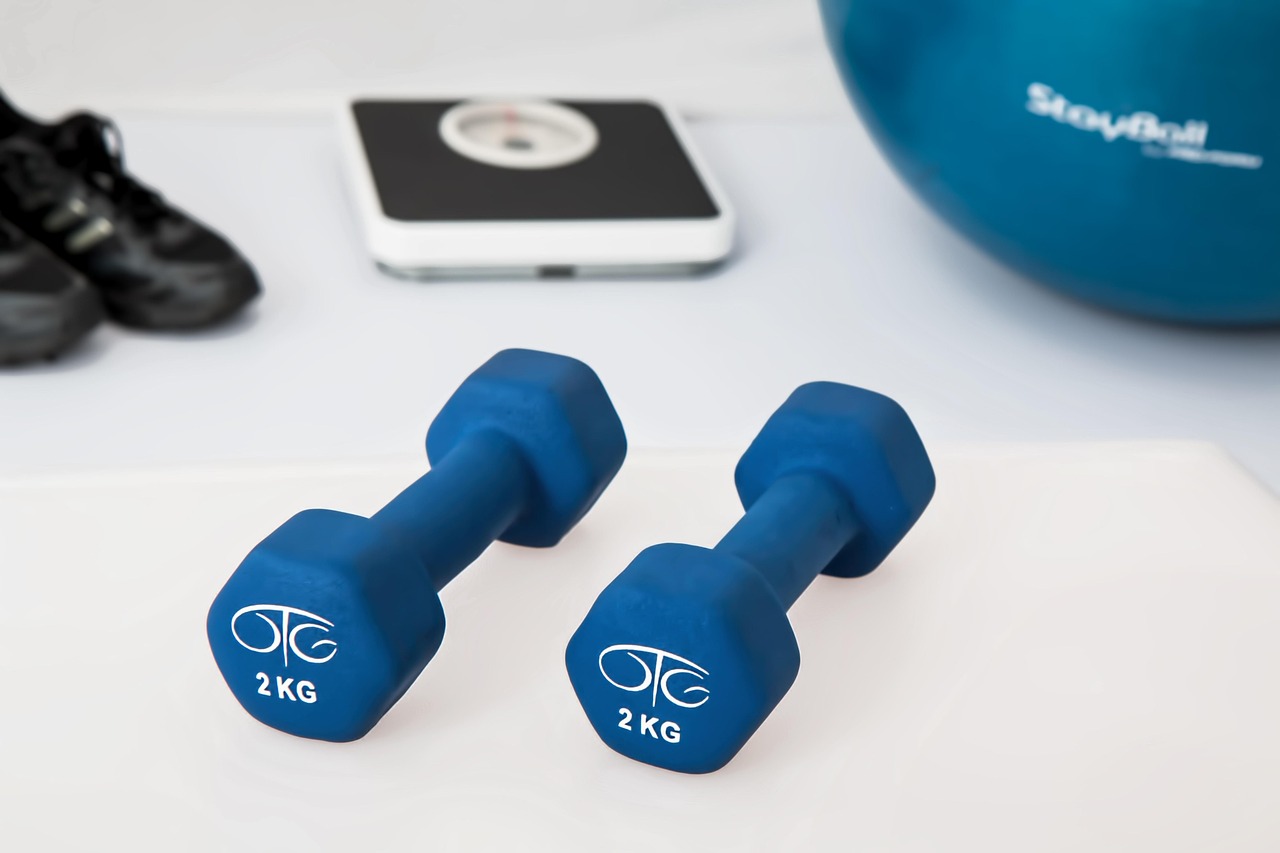
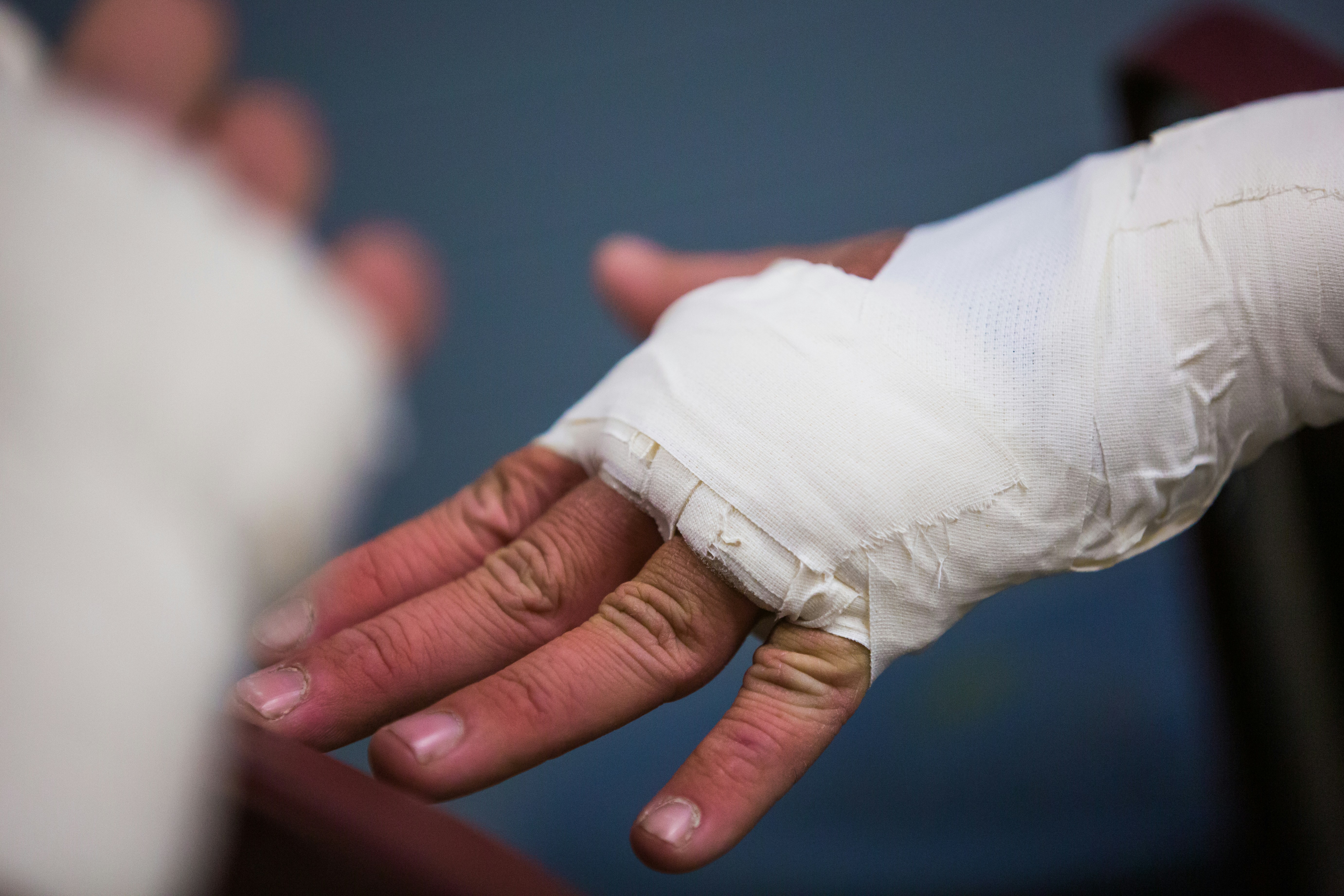
Rest matters, but so does work, and the trick is getting the balance right for your wrist. We usually fit you with a splint to wear at night, because a lot of people sleep with their hands bent and wake up stiff without knowing why. The exercises start easy. Once the stretches stop hurting, we bring in a rubber band or a one-pound weight and build from there, slowly, so the tendon gets used to doing more. We’ll also look at the little stuff, like the way you pick up your kid, how high your keyboard sits, and whether those garden shears need a thicker handle. If it still won’t quiet down after a few weeks of that, a cortisone shot into the sheath around the tendon is an option, and it can make the exercises a lot easier to do.
A sore wrist makes almost everything harder. If yours has been hurting for more than a couple of weeks, schedule a visit with Modern Medicine of Phoenix, AZ, and we’ll help you sort it out.