Most people walk in a little doubtful. They’ve done the handout exercises. They’ve stretched in front of the TV every night. So how is a therapist pressing on a joint supposed to fix anything? Then they sit up from the table and turn their head, or reach for the back pocket, and it goes farther than it has since spring. It doesn’t happen for everybody on the first visit, but it happens often enough that the doubtful look tends to fade pretty fast.
What “Manual” Means Here
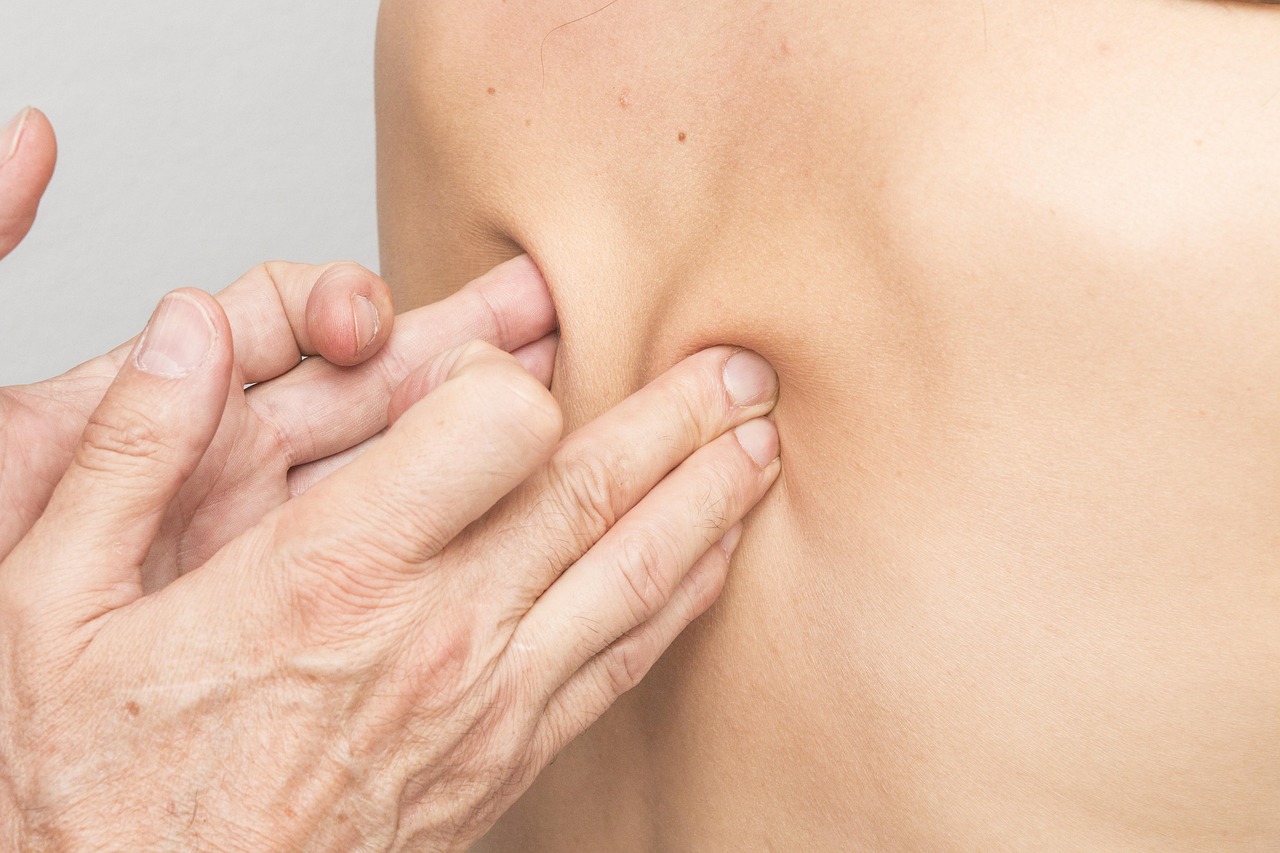
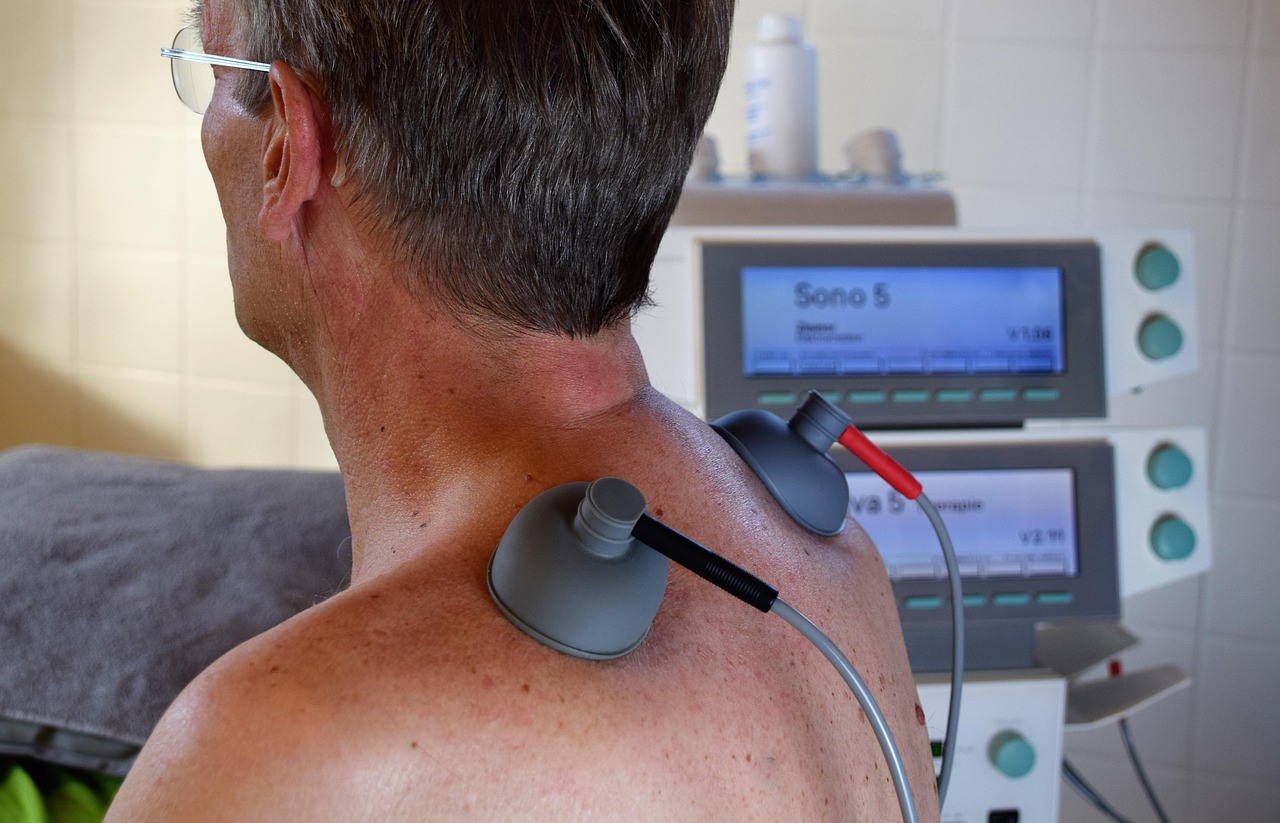
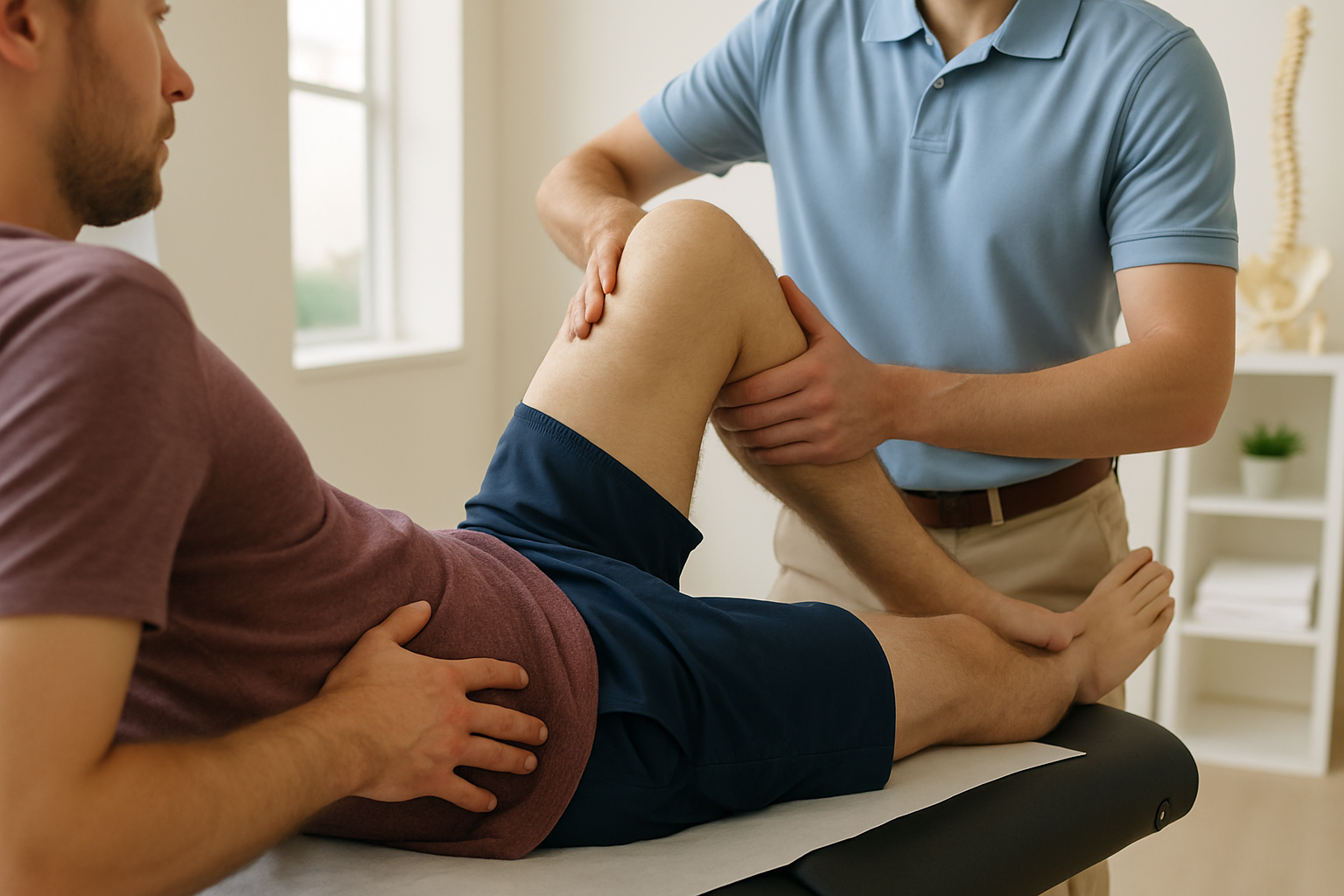
Manual just means hands. Your therapist might lean into a stuck joint and hold there, or wiggle it back and forth in tiny movements for a minute or two. We’ll work our thumbs into the knotted muscle next to it, and then pull your arm or leg into a stretch while you lie there and relax. Once in a while there’s a quick little thrust and a pop. We’ll always ask first. It feels like pressure, sometimes tender, and if anything gets sharp, you just say so.
Why a Months-Old Sore Joint Responds
Picture your knee or shoulder after six months of hurting. You stop using it all the way. The tissue wrapped around the joint shrinks up a bit from never being stretched. The muscles nearby tense up to protect it, and their tension makes the joint even stiffer, which makes them tense up more. Hands-on work breaks into that from a few angles:
- A stuck joint starts gliding again.
- Muscles that have been clenched for weeks finally let go.
- Nerves in the area seem to settle, so the joint isn’t as touchy.
- You get a stretch of time where moving doesn’t hurt as much.
That last one is the whole point. The relief is real, but by itself it fades.
Why Exercise Comes Right After
So we use that window right away. If your shoulder lifts higher after we work on it, you’ll do arm raises in that new range before you leave, so the muscles learn to own it. A knee that bends farther gets strengthened at that new angle. Every few visits you’ll need a bit less time on the table and a bit more time doing the work yourself. By the end, it’s mostly you and a short home routine.
Joints We Treat This Way
We use it on knees and hips with arthritis that feel rusty in the morning. Shoulders that stop at eye level get it too. So do necks and backs that feel locked, and the ankle or wrist that never moved quite right after a sprain or a cast. Even a shoulder or knee that’s been stiff since surgery a few years back can loosen up more than people expect.
Most people notice something in the first couple of sessions, with a bigger change by four to six weeks. If a sore, stiff joint hasn’t budged with rest and stretching, call Modern Medicine of Phoenix, AZ, and ask about manual therapy for chronic joint pain.