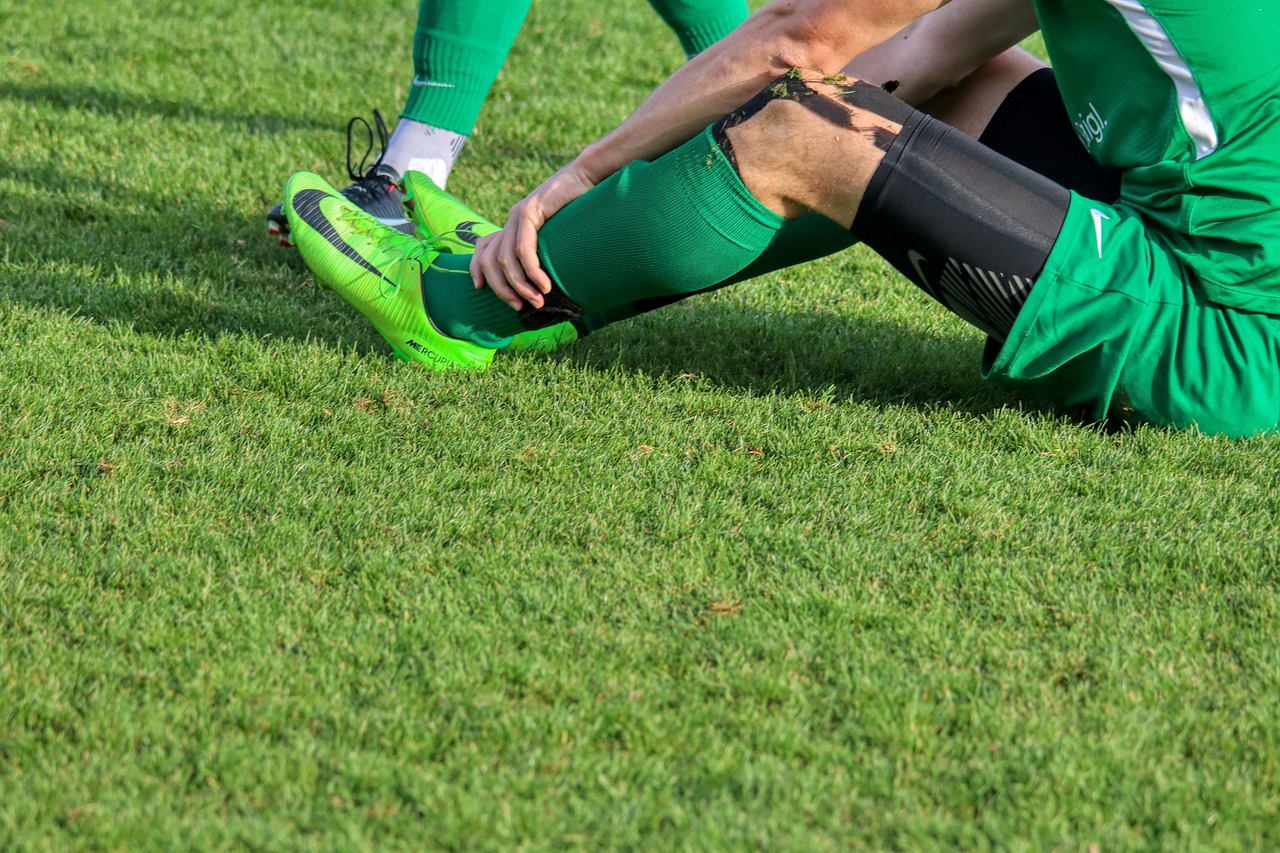
Most people remember the first sprain pretty clearly. Maybe it was a bad landing in a pickup game, or a loose rock on the way down Piestewa Peak. It swelled up, turned purple, and got better in a few weeks, so you didn’t think much more about it. Then it happened again stepping off a curb downtown. A few months later it went again on a trail at South Mountain. At some point the ankle just started feeling like it couldn’t be trusted, and that’s usually when people come see us.
Why One Sprain Turns Into Five
When you roll an ankle, the small ligaments on the outer side get stretched, and sometimes they partly tear. They do heal. But if you were back in your regular shoes doing regular stuff the minute the puffiness went away, they can end up a bit looser than they used to be. There’s another part people don’t hear about much. Those same ligaments are packed with little nerve endings that keep your brain posted on where your foot is. After a sprain, they don’t report as well, so when you land on the edge of something, your muscles are just a hair too slow to catch it.
Signs Your Ankle Hasn’t Really Recovered
You might have a chronic sprain problem if any of this sounds familiar:
- It’s always the same ankle, and it goes on things like a sprinkler head in the grass or a crack in the sidewalk
- You get this wobbly, about-to-give feeling even on days when it never actually rolls
- There’s swelling on the outside of the ankle that comes and goes
- You avoid hiking, running, or court sports because you don’t trust it
- Standing on that leg alone with your eyes closed is a lot harder than on the other one
How We Treat It Without Surgery
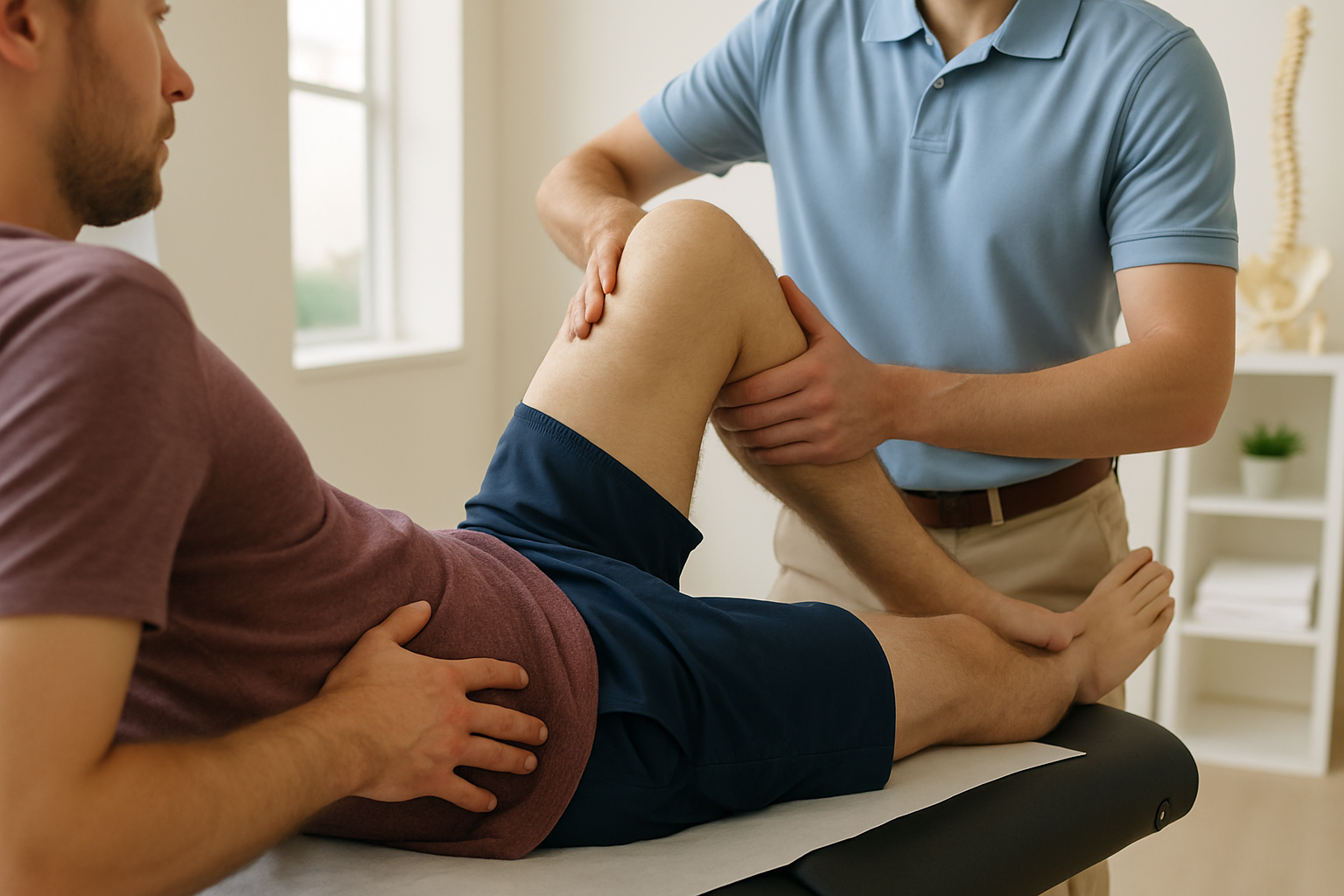
We’ll wiggle the ankle around to feel how loose it is compared to the good one. You’ll stand on one leg for us, walk the hallway, and do a couple of little hops. If it’s still puffy all the time or the pain is in a spot that makes us think about bone, we’ll want an X-ray or MRI before going further.
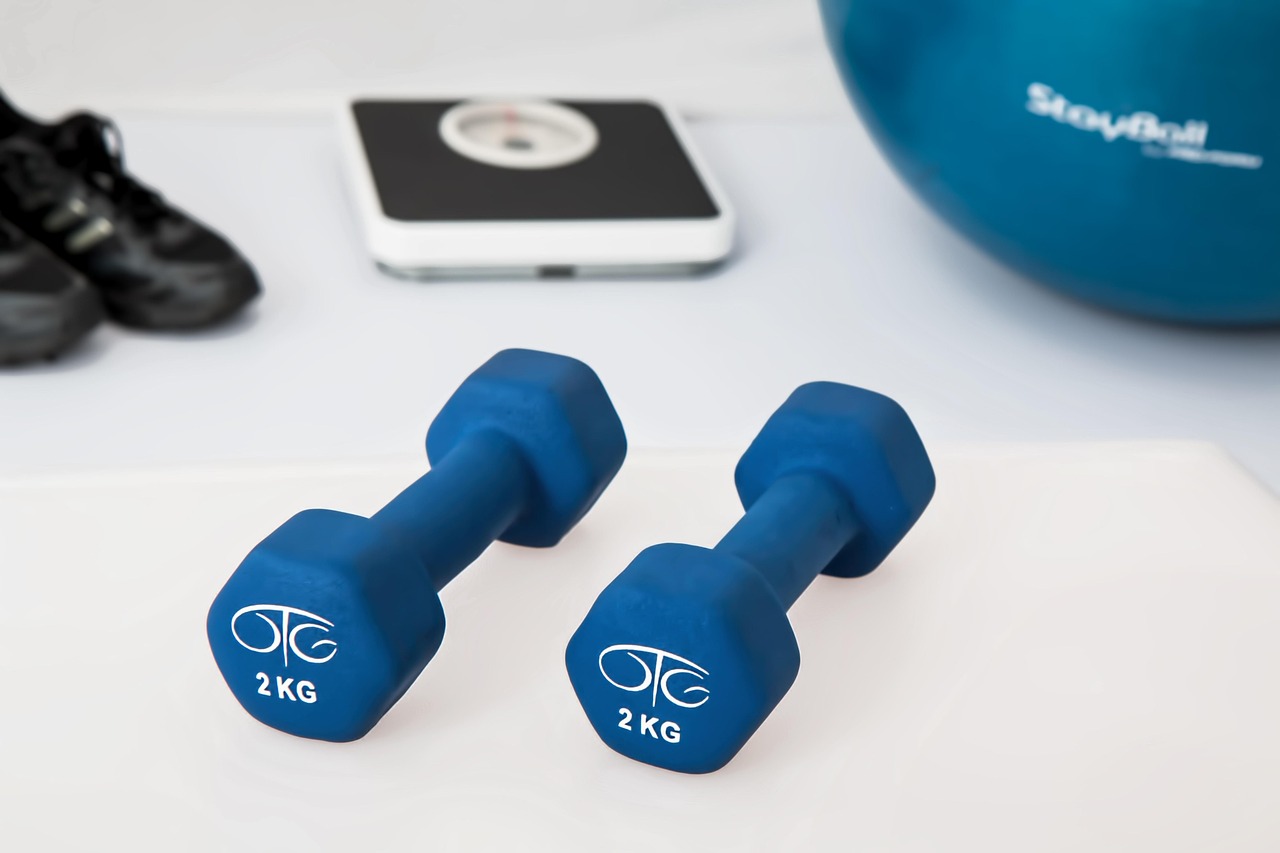
Once we know what we’re dealing with, we get to work retraining the ankle. You’ll start with balance drills, standing on one foot on a flat floor, then on a foam pad, then while catching a ball or turning your head. We also build strength in the muscles along the outside of the lower leg, since they’re the ones that pull the foot back when it starts to tip. We’ll usually add calf raises and some hip exercises, because a weak hip can let the knee and foot drift in ways that set the ankle up to roll.
While you’re building back up, we might have you wear a lace-up brace or get taped for hikes and games. Most people don’t need to wear one forever.
If your ankle has rolled more times than you can count, Modern Medicine of Phoenix, AZ can help you get it steady again. Call us and set up a time to come in.