Ask anyone with this and they’ll tell you mornings are the worst. You kind of hobble to the bathroom on your toes, and then after ten minutes or so it loosens up and you forget about it until you stand up from lunch. That’s the classic pattern with plantar fascia pain. By the time most people come to see us, they’ve already rolled a frozen water bottle under the foot, bought the expensive insoles, and maybe given up walking with their dog before work.
What’s Going On Under There
Under your foot there’s a tough strip of tissue that starts at the heel and fans out toward the toes, and that’s the plantar fascia. It gets tugged on with every step you take, all day long. Push it harder than it’s used to and the spot where it hooks onto the heel bone gets sore, and then, since most of us keep walking on the same floors in the same shoes, it never really gets the chance to settle.
And it’s usually a mix of things. Tight calves are a big one. So are long days on hard floors, a sudden jump in walking or running, shoes that have gone flat, and a few extra pounds. Going barefoot on tile at home all summer doesn’t help either.
What a Physical Therapist Looks At
We don’t just poke the heel and hand you a sheet of stretches. During your first visit, we’ll check:
- How far your ankle bends up, since tight calves pull hard on the fascia
- Your foot strength, especially those little muscles under the arch
- How you walk, and whether one foot rolls in more than the other
- What shoes you wear most, including the ones you wear around the house
- How your hips and knees line up when you squat or step down
How We Get It to Calm Down
Stretching is part of it. You’ll do calf stretches against the wall with the knee straight and then bent, plus a stretch where you pull the toes back and rub along the arch. That one is good to do before your feet ever touch the floor in the morning.
But stretching on its own usually isn’t enough for pain that’s been around a while. The tissue needs to get stronger, too. A lot of people do heel raises on a step with a rolled towel under their toes, slow on the way up and slow on the way down. It sounds too simple to work, and it’s one of the things that seems to help most.
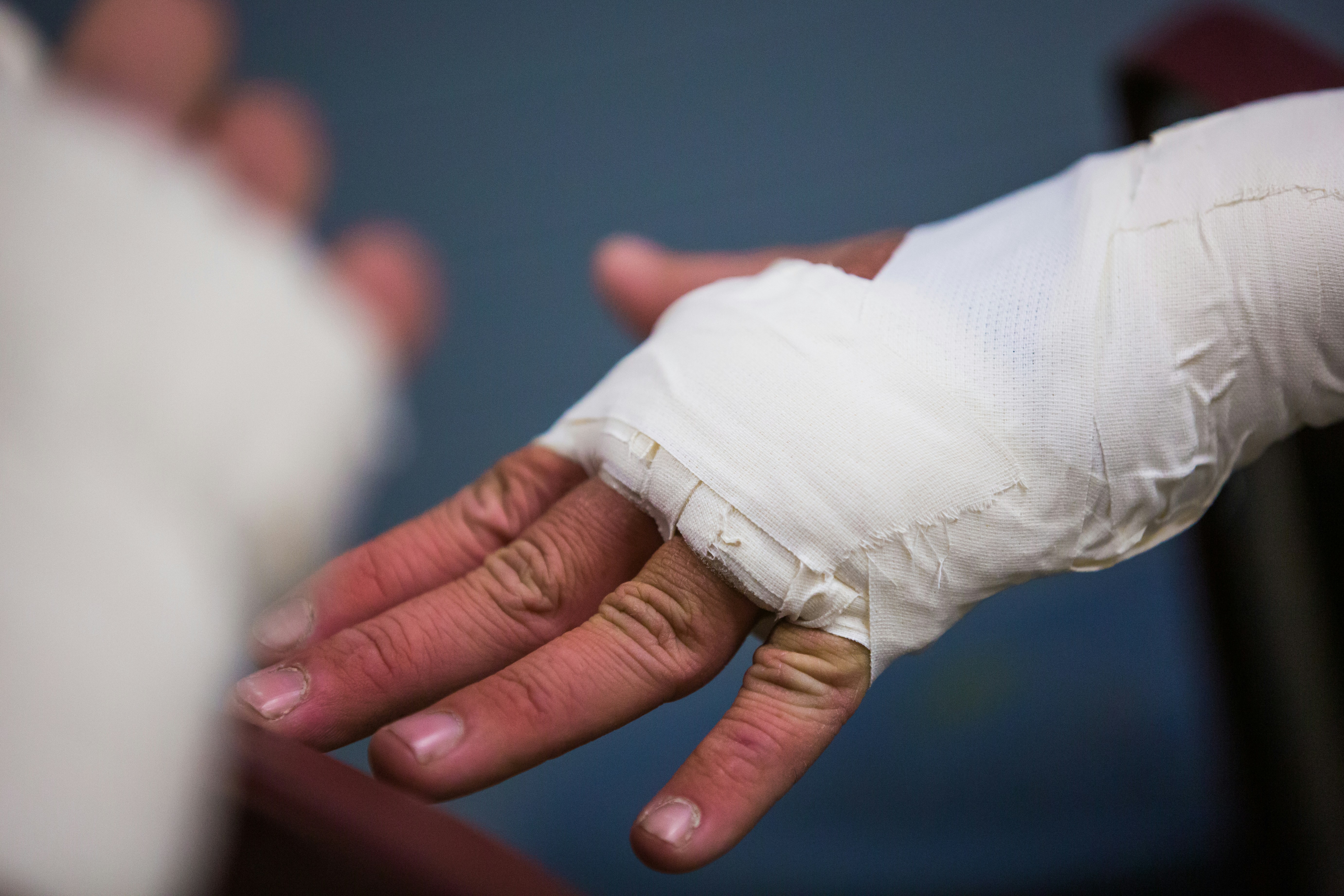
Some patients get hands-on work on the calf and the arch, or taping that takes stress off the fascia for a few days. We’ll talk about shoes as well. Plenty of people are careful in their work shoes and then pad around the kitchen barefoot all evening, so a pair of slippers with some arch support is worth buying. You might feel better in three or four weeks.
If your heel has been ruining your mornings, get in touch with Modern Medicine of Phoenix, AZ. Our physical therapists will help you get walking comfortably again.